
A three-person tent sits in the sweet spot of car camping: roomy enough for a couple plus a dog or a kid, light enough to manage solo, and usually cheaper than the four-person alternatives you’ll find on the product page. This roundup looks at tents pitched at that size range, with one footprint accessory for an existing Kelty shelter. Each option covers a different style of camping, from 60-second pop-ups for festival weekends to four-season double-layer builds for shoulder-season storms.
The Leading Options At A Glance

Kelty Discovery Trail 3 Person Tent Footprint

Naturehike Village Instant Tent 4/8 Person
Naturehike Cape 4/6/8 Person Instant Tent

Coleman Sundome 2/3/4/6 Person Tent
Naturehike KOTA 4/6/8 Person Tent
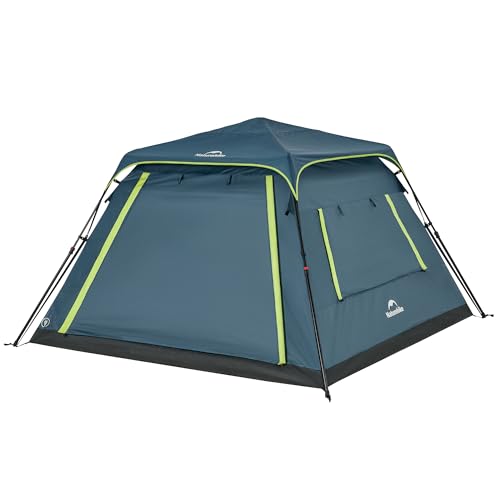
Naturehike Cape Lite 4-6 Person Cabin Tent
More Details On Our Top Picks
Most three-person tents ship with a thin factory floor that wears down surprisingly fast on gravel, pine needles, or hard-packed desert dirt. The Kelty Discovery Trail footprint solves that exact problem by adding a second layer of fabric between you and the ground, cut to match the Discovery Trail 3P’s footprint precisely.
It’s a niche pick, and that’s the point. You only need it if you already own the matching Kelty tent, or plan to buy one. For everyone else, the rest of this list covers actual shelter.
Where It Excels
- Custom cut for the Discovery Trail 3P, so corners and vestibule edges line up without trimming
- Doubles the fabric barrier against abrasion, mud, and moisture wicking up from wet ground
- Lighter and more packable than improvising with a generic tarp, and it preserves the tent’s warranty in some cases
Things To Consider
- Only fits the matching Kelty model; do not buy it for any other brand or size
- Adds a step to setup and one more piece to dry before pack-out
- Storage is slightly bulkier than expected for a flat sheet, depending on how you fold it
Who It Suits Best
Anyone who already camps in a Kelty Discovery Trail 3P and wants to stretch the floor’s lifespan across many seasons of weekend trips.
Skip It When
You need an actual shelter rather than a floor patch; in that case the Naturehike Village Instant Tent or the Coleman Sundome will serve you properly.
The Naturehike Village trades classic pole geometry for telescoping pre-attached legs that lock into place in roughly a minute. That speed is the whole pitch: pull it from the bag, lift the hub, extend the corners, and the cabin shape stands itself up.
It runs larger than its three-person cousins here, with 4-person and 8-person configurations available. The 150D titanium-coated fabric and a PU 2000mm+ waterproof rating suggest serious weather resistance for a budget-tier instant tent, though owners in heavy, sustained rain commonly report seam-sealing as a worthwhile first-weekend task.
What Helps Most
- Telescoping pole assembly takes about a minute once you’ve rehearsed it once
- Cabin-style walls let most adults stand near the center for changing clothes
- 150D Ti-coated shell provides UV protection rated UPF 12500+ and solid rain performance
- Full-coverage rainfly is included, which isn’t always the case at this tier
Worth Noting
- Pack weight and folded length are heavier than a traditional pole tent of the same capacity
- Interior organization (pockets, gear lofts) is minimal in the 4-person trim
Feature Snapshot
Made For
Car campers who arrive late, families with kids who’d rather unpack than watch a pole puzzle, and anyone who values standing headroom over low weight.
Consider Something Else When
Backpackers should look at the Naturehike Cape Lite for a lighter cabin footprint, while true four-season campers should consider the Naturehike KOTA.
Where the Village tent above stands as a tall cabin, the Naturehike Cape stretches into a tunnel shape with 8.3 square meters in the 4-person version and 12.9 square meters in the larger size. That long, low profile makes it feel more like a portable guest room than a backpacking shelter.
The same instant-pole mechanism shows up here, so the pitch is roughly a minute once you remember which leg extends which way. Setup ease is genuinely useful for first-time campers, and it remains the Cape’s main draw.
Practical Advantages
- Floor area rivals many cabin tents, so a queen mattress plus gear fits without crowding
- Instant design removes the steepest part of the learning curve for new campers
- 190T polyester shell with a waterproof coating handles typical car-camping weather
Trade Offs
- Tunnel shape catches crosswinds harder than a dome; you’ll stake every guy line in open fields
- Peak height is lower than the Village, so plan on more crawling than standing
- Requires a flat, rectangular pitch area, which rules out rocky or sloped sites
Best Suited To
Groups of four to eight who car camp in sheltered sites and want a tent that feels like a temporary bedroom rather than a backcountry bivy.
Look Elsewhere When
Wind-prone alpine camping is in your plans, in which case the lower-profile Naturehike KOTA offers a sturdier double-layer build.
Coleman has been the default starter tent in North America for so long that the Sundome feels like a known quantity even if you’ve never owned one. It uses a familiar dome-and-pole geometry with continuous pole sleeves, and the brand quotes a ten-minute pitch for two people on a calm day.
The WeatherTec system combines welded floor corners and inverted seams to push water away from the most common leak points. Available in 2, 3, 4, and 6-person trims, it’s also the easiest tent on this list to find replacement parts for in any outdoor shop.
A Few Highlights
- Classic dome shape stays stable in moderate wind without advanced staking
- Continuous pole sleeves speed setup and reduce the chance of mis-snapped sections
- Available in four capacities, so you can size up for guests or down for solo trips
- Replacement poles, fly panels, and stakes are widely available
Minor Gripes
- Single-door design makes mid-night exits awkward for the outer sleepers
- Stock stakes are light; many owners upgrade to heavier ones for hard ground
Perfect Match For
First-time campers, backyard sleepovers, festival weekend trips, and anyone who wants a forgiving dome they can pitch without thinking too hard.
A Better Fit Elsewhere
Festival-goers who camp every weekend should look at the Naturehike Village Instant Tent for faster setup and stronger fabric.
The Naturehike KOTA breaks from the instant-pole pattern with a traditional double-layer design built for weather you’d rather not fight. The inner mesh tent and the outer fly can be used together for full four-season coverage, or separately: the mesh stands alone in warm months for stargazing, while the fly alone becomes a sun or rain canopy.
Compared to the Naturehike Village and Cape tents above, the KOTA is heavier and slower to pitch, but it trades that effort for genuine modularity. You may find the configuration options useful if your trips range from July desert nights to early-spring mountain weekends.
Where It Delivers
- Double-layer construction manages condensation better than single-wall tents in cold weather
- Fly and inner pitch separately, expanding use cases across seasons
- 75D 210T polyester with a waterproof rating of 3000mm+ handles heavy rain
- Vestibule porch adds covered storage for boots and packs
Room For Improvement
- Setup time runs longer than the instant tents above, even with two people working on it
- Pack weight climbs noticeably once you include all stakes and the full pole set
Quick Facts
Whose Shelf It Belongs On
Campers who pitch in spring and fall rain, mountain weekends with cool nights, and anyone who wants one tent that genuinely flexes across three seasons.
Reach For A Different Pick When
Speed matters more than weather, in which case the Naturehike Village Instant Tent or Coleman Sundome save an hour each trip.
The Cape Lite is the trimmed-down sibling of the Cape tunnel tent above. It keeps the instant-pole design and the cabin-style walls, but it shrinks to a 101.5 by 101.5-inch footprint that fits a queen mattress without dominating a small campsite.
Peak height sits around 62 inches, so most adults can kneel comfortably but full standing is reserved for the very center. It’s a sensible middle ground between a two-person backpacking tent and a six-person family cabin, and it stays lighter than the larger Naturehike models on this list.
Everyday Perks
- Setup lands at roughly a minute once the legs are familiar
- Square floor plan uses campsite space efficiently
- Queen mattress fits with room for a side bag or a small dog bed
Honest Caveats
- Four to six rated capacity means two adults and gear, not a full family of six
- Pack weight, while reduced, still exceeds a true backpacking tent
Who Should Grab It
Couples who want standing-or-nearly-standing headroom, small families with one or two kids, and anyone who car camps but dislikes bulky duffels.
Swap It Out When
Real four-season weather is on the calendar, in which case the Naturehike KOTA’s double-layer build handles cold rain more confidently.
Choosing The Right Three-Person Tent For Your Trips
Match Capacity To Real Sleepers
Tent ratings describe the maximum body count a manufacturer fits inside, not the comfort number. A three-person tent sleeps two adults comfortably with gear, or two adults and a child in a pinch. Pushing past that rated count means shoulder contact all night and zero floor space for packs, boots, or a dog bed. For trips longer than a single night, sizing up by one capacity almost always improves sleep quality.
Decide Between Instant And Classic Pole Designs
Instant tents use pre-attached telescoping poles that lock into place in under a minute, which removes the steepest part of the camping learning curve. Classic pole tents use sectional poles and continuous sleeves; they pack smaller and weigh less, but they take longer to pitch. Car campers who arrive late or set up in the dark benefit more from instant designs, while backpackers and weight-conscious travelers usually prefer the traditional approach.
Check The Waterproof Rating And Seams
A waterproof rating tells you how much water pressure the fabric withstands before leaking, measured in millimeters. A 2000mm rating handles typical car-camping rain, while 3000mm+ holds up under sustained storms. Seams matter as much as fabric: taped or welded seams keep water out at the stitch lines, while untreated seams leak even on highly waterproof shells. Sealing seams yourself with a liquid sealant at home is a small weekend task that pays off across many trips.
Plan For Ventilation And Condensation
Mesh panels and roof vents move humid breath away from the tent interior. In warm weather, ventilation prevents that clammy morning feeling. In cold weather, ventilation actually keeps you warmer by reducing condensation that would otherwise dampen sleeping bags. Double-layer tents like the Naturehike KOTA separate the inner mesh from the outer fly, which manages condensation more effectively than single-wall designs in shoulder seasons.
Consider Pack Weight And Footprint
For car camping, packed size and weight matter less than interior comfort. For trips that involve any walking, kayak loading, or motorcycle travel, every kilogram counts. Measure your vehicle’s cargo space against the tent’s packed dimensions before committing, especially if you camp with a partner and share a trunk.
Key Considerations Across These Picks
Where Shoppers Go Wrong
The most common mistake is buying a tent rated for the maximum number of sleepers and expecting comfortable space for that many. A four-person tent fits four people only on pads with no gear. Most campers do better choosing one capacity higher than their group size. Another misstep is ignoring seam sealing: factory-sealed seams handle moderate rain, but untreated seams leak in real storms, and a tube of seam sealant takes an hour to apply and adds years of dry sleep.
When Paying More Pays Off
Higher-tier tents in this category typically invest in heavier denier fabrics, stronger pole materials, and better waterproof coatings. The Naturehike KOTA, for example, uses 75D polyester with a 3000mm+ waterproof rating, while budget-tier cabins use thinner fabric with lower ratings. The upgrade pays off in longer service life and fewer wet-morning surprises, especially for campers who pitch in shoulder seasons or coastal weather.
Frequently Asked Questions
How Big Is A Three-Person Camping Tent?
A typical three-person tent offers around 35 to 45 square feet of floor space, which comfortably sleeps two adults plus gear, or two adults and a small child. Peak height ranges from about 40 to 60 inches depending on dome versus cabin geometry.
Are Three-Person Tents Good For Two People And A Dog?
Yes, a three-person tent is one of the most popular sizes for couples with a pet because the extra floor space leaves room for a dog bed or crate without crowding the sleeping pads. Many owners find this size more comfortable than a tight two-person tent on trips longer than a single night.
Can Three-Person Tents Handle Heavy Rain?
Most modern three-person tents include a rainfly and taped seams, which handle moderate rain well. For sustained storms, look for a waterproof rating of 3000mm or higher, double-layer construction, and factory-taped or welded seams. Adding a footprint like the Kelty Discovery Trail option also keeps groundwater from wicking up through the floor.
How Long Does It Take To Pitch An Instant Tent?
Instant tents with pre-attached telescoping poles typically pitch in under two minutes once you’ve rehearsed the sequence. First-time setup runs longer because you’re learning which leg extends where, but subsequent pitches feel much faster.
What Is A Tent Footprint And Do You Need One?
A footprint is a custom-cut ground cloth that sits beneath your tent floor to protect it from abrasion, moisture, and sharp objects. It’s optional but widely recommended for campers who pitch on rough ground, since replacing a worn floor costs more than the footprint itself.
Bottom Line
Three-person camping tents work best when you match capacity to actual sleepers, pick a pole design that suits your arrival style, and confirm the waterproof rating fits your typical weather. For weekend car camping, the Naturehike Village and Coleman Sundome cover most needs with minimal setup fuss. For shoulder-season flexibility, the Naturehike KOTA earns its extra weight.