
Three-season tents handle most fair-weather trips, but cold winds, wet snow, and shoulder-season storms expose their limits fast. A genuine four-season shelter trades weight and packability for stronger poles, fuller-coverage fly geometry, and fabrics built to shrug off driving rain and snow loading. That tradeoff matters most for mountain climbers, winter campers, and anyone chasing shoulder-season trips above the treeline.
The picks below cover a spectrum of needs, from a lightweight mountaineering shelter to roomy family cabins and instant-setup car camping tents. Three-person capacity sits at the sweet spot for two sleepers plus gear, or one parent with kids on a cold night. Materials, pole architecture, and waterproof ratings drive the biggest differences here.
How The Shortlist Stacks Up

High Peak South Col 4 Season Backpacking Tent 3 Person

Naturehike Village Instant Cabin Tent 4 Person / 8 Person
Naturehike Cape 4/6/8 Person Instant Pop-Up Tent

Coleman Sundome Camping Tent with Rainfly
Naturehike KOTA 4/6/8 Person Double Layer Tent
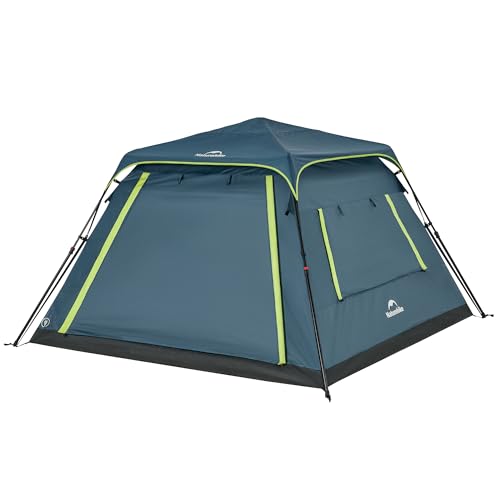
Naturehike Cape Lite 4-6 Person Instant Cabin Tent
A Closer Look At Each Pick
The High Peak South Col is the only true mountaineering-grade shelter on this list, and it shows. Built for alpine use, it uses a four-season pole structure with a fuller-coverage fly designed to shed snow and resist sustained wind loading above the treeline. Nylon construction keeps weight manageable for a true winter tent, and the floor plan accommodates three sleepers or two with gear spread out.
Setup takes only a few minutes once you’ve practiced, and the tent packs down small enough for multi-day winter expeditions. In our view, this is the shelter for climbers moving fast in real alpine terrain, not car campers chasing weekend convenience.
The Good Stuff
- True mountaineering geometry with a strong pole structure for high-winter use.
- Water-resistant nylon shell that holds up under sustained wet snow and rain.
- Three-person floor plan offers room for two adults plus winter gear inside.
- Reasonably low carry weight for a four-season tent in this class.
Worth Noting
- Single-wall-style construction can trap interior condensation in calm conditions.
- Less interior headroom than the cabin-style car camping tents later in this list.
- Field maintenance matters: owners commonly report the fly needs a careful re-coat after multi-season use.
Who It Suits Best
Winter backpackers and alpine climbers who need a shelter that handles real mountain weather rather than a mild shoulder season.
Consider Something Else When
For a family car-camping basecamp where setup speed matters more than pack weight, the Naturehike Village Instant Tent fits the role better.
The Naturehike Village is the most family-friendly tent in this shortlist. A pre-attached pole frame lets you unfold the cabin and lock it into position in roughly a minute, and the standing-height interior lets adults walk around without hunching. The 150D Ti Black Technology fabric (a dense polyester weave with a Ti Black coating that blocks UV) carries a strong waterproof rating that handles heavy rain well.
The trade-off shows up in pack size: this is a car-camping tent, not a backpacking shelter. You may find the bulk uncomfortable on a long hike, but for a basecamp with kids, dogs, and gear, the convenience is hard to beat. The full-coverage rainfly is the real star in shoulder-season storms.
The Value In It
- Setup clocks in around sixty seconds, even for first-time users.
- Cabin-style walls give full standing headroom for changing clothes inside.
- Heavy 150D coated fabric and a PU 2000mm+ waterproof rating block driving rain.
- Available in 4-person and 8-person footprints to match group size.
Trade Offs
- Too bulky to carry any real distance from the car.
- Mesh-heavy design leans toward warm-season use; cold-weather camping calls for extra insulation.
Made For
Families and small groups who car camp, attend festivals, or set up a backyard shelter for the weekend.
Look Elsewhere When
For alpine climbing or winter backcountry use, the High Peak South Col delivers the weather protection this tent is not designed for.
The Naturehike Cape splits the difference between the smaller cabin-style Village and the larger family KOTA. Its tall tunnel-style layout gives a real sense of space: you can stand, move around, and stash cots along the side without crawling. Setup mirrors the other instant tents, with pre-attached poles locking into place in roughly a minute.
Compared to the Coleman Sundome, this is a noticeably roomier shelter with a more durable 190T polyester floor and a PU 3000mm coating that shrugs off heavier rain. The footprint grows with the size option, so 8-person configurations suit multi-family trips while 4-person versions work for couples with gear.
Everyday Wins
- Tunnel-style interior with generous standing headroom for changing and sitting upright.
- 190T polyester with PU 3000mm waterproof rating handles heavy rain without seepage.
- Sixty-second setup with pre-attached poles; no separate rainfly assembly required for basic use.
- Wide floor plan fits cots, a queen-size air mattress, and gear storage side by side.
Things To Consider
- Bulky packed size rules out any real backpacking use.
- Big mesh panels trade winter warmth for ventilation; pair with a cold-weather sleeping system.
Best Suited To
Group campers and families who want standing headroom without the heavier double-layer build of the Naturehike KOTA.
Swap It Out When
When four-season versatility matters more than standing room, the Naturehike KOTA’s modular double-layer design is a better call.
The Coleman Sundome is the long-running default for first-time campers and weekend warriors. Setup takes roughly ten minutes with snag-free continuous pole sleeves, and the WeatherTec system (Coleman’s welded-corner, inverted-seam waterproofing setup) keeps rain out in moderate storms. Dome geometry handles wind better than cabin tents of similar size, and the tent packs small enough for short hikes from a parking spot.
Unlike the Naturehike instant tents, the Sundome requires separate pole and fly assembly, but the trade is a lighter packed weight and a lower price. For festival weekends, backyard sleepovers, and casual family trips, this is the easy entry-level pick.
The Upside
- Ten-minute setup with continuous-pole sleeves, faster than most traditional dome tents.
- WeatherTec welded corners and inverted seams keep water out during normal rain.
- Available in 2-, 3-, 4-, and 6-person sizes to match any group.
- Lower carry weight than the instant cabin tents above.
Honest Caveats
- Not designed for sustained winter weather; condensation can build up in cold, calm conditions.
- Interior headroom is dome-limited; adults will hunch near the center.
Who Should Grab It
New campers, festival-goers, and anyone setting up a backyard shelter who values simplicity over four-season capability.
A Better Fit Elsewhere
For true winter camping with snow loading, the High Peak South Col handles the conditions this Sundome is not rated for.
The Naturehike KOTA is the most versatile shelter in this shortlist. A double-layer design lets the inner mesh tent and outer rainfly work together for cold-weather camping, while each layer can stand alone when conditions are milder. In summer you can pitch the mesh inner for stargazing, then add the fly when storms roll in. The 75D 210T polyester with PU 3000mm+ waterproof coating handles heavier rain than the lighter fabrics on most family tents here.
Setup takes longer than the Naturehike Village or Cape since you assemble the inner mesh first, then drape the fly. The vestibules (covered porches attached to the tent entry) add covered storage for boots, packs, and cooking gear, which is where this tent earns its keep on longer trips.
The Practical Payoff
- Modular double-layer design adapts from summer stargazing to winter camping with one shelter.
- Strong 75D 210T polyester shell with PU 3000mm+ waterproof rating handles sustained rain.
- Vestibules and porch areas extend dry storage beyond the sleeping footprint.
- Tall interior gives standing headroom and accommodates cots in the larger sizes.
Potential Drawbacks
- Setup time runs longer than the instant-pole tents because of the dual-layer assembly.
- Packed weight and bulk make it impractical to carry more than a short distance from a vehicle.
The Right Fit
Versatile campers in mixed-climate regions who want one shelter that covers shoulder seasons and summer alike.
Reach For A Different Pick When
When backpacking weight is the deciding factor, the High Peak South Col carries far more lightly into alpine terrain.
The Cape Lite trims the cabin-tent formula into a smaller, more manageable package. The footprint measures roughly 101.5 by 101.5 inches, big enough for a queen-size mattress with room to spare, and peak height clears 62 inches so most adults can sit upright comfortably. Setup mirrors the other Naturehike instant tents: pre-attached poles, roughly a minute from bag to standing.
Compare that to the larger Naturehike Cape, which trades the Lite’s compact footprint for noticeably more floor space. For couples, small families, or anyone camping out of a smaller vehicle, the Lite hits a useful middle ground between the Coleman Sundome’s dome footprint and the full-size Cape’s family sprawl.
Benefits That Matter
- Compact cabin layout fits a queen-size mattress with usable space around the edges.
- Sixty-second setup with pre-attached poles, no separate fly assembly required.
- Peak height near 62 inches lets most adults sit and change clothes comfortably.
- Smaller packed size than the larger Cape model for tighter cargo areas.
Practical Considerations
- Mesh-heavy design is best for warm-season use; cold camping needs added insulation.
- Still too bulky to backpack, despite the smaller footprint.
Perfect Match For
Couples and small families who want cabin-style comfort in a more compact, vehicle-friendly package.
Where A Sibling Pick Shines
For groups needing a much larger interior, the Naturehike Cape 8-person configuration spreads out more comfortably than this Lite version.
Choosing a 3 Person 4 Season Tent That Actually Fits
Match the Shelter to the Conditions
A genuine four-season tent uses a fuller-coverage fly, stronger pole geometry, and heavier denier (a measure of fabric thread thickness; higher numbers mean tougher material) fabrics to handle snow loading and sustained wind. Three-season tents cut weight and bulk by sacrificing those features. Runners logging shoulder-season miles above the treeline need the alpine geometry of the High Peak South Col, while car campers chasing weekend storms benefit more from the heavier waterproof coatings on the Naturehike family tents.
For backpackers, pack weight usually drives the decision. Mountaineering shelters often weigh 7 to 12 pounds for a three-person footprint. Car-camping instant tents regularly exceed 20 pounds, and that’s the trade for setup speed and interior space.
Waterproof Ratings and What They Actually Mean
PU 2000mm and PU 3000mm ratings describe hydrostatic head, the water column pressure a fabric resists before leaking. Anything at 1500mm or higher handles normal rain; 3000mm plus covers sustained downpours and wet snow. Welded corners and inverted seams (seams taped on the inside so water sheds outward rather than pooling) add real-world protection, especially where water pools along the floor edge.
Fabric denier matters too. 75D polyester resists abrasion better than the lighter 190T silpoly used in many budget tents. For rocky sites or long-term use, higher denier extends the tent’s usable life.
Setup Style and Interior Layout
Instant cabin tents with pre-attached poles fold out in roughly a minute, which matters for families juggling kids, gear, and incoming weather. Traditional dome tents take longer to pitch but pack smaller and weigh less, making them more practical for short hikes. Double-layer designs like the Naturehike KOTA adapt to multiple seasons but add assembly steps.
Headroom and floor shape matter as much as footprint. Cabin-style walls give standing height; dome ceilings force adults to hunch near the center. Tunnel tents fall between the two, with reasonable headroom and a more packable shape than cabins.
Size and Capacity Realism
Rated capacity assumes tight sleeping quarters, so a three-person tent fits two adults and gear, not three adults plus a dog and full packs. Check peak height and floor dimensions rather than relying on the person count alone. Floor plans that accommodate a queen-size mattress tell you more about usable space than a manufacturer headcount.
Key Considerations Across These Picks
Where Shoppers Go Wrong
Most buying mistakes come from chasing the highest person rating instead of measured floor area and peak height. A 6-person cabin with low walls feels smaller than a well-shaped 4-person tent. Match the tent to your typical group size with room to spare for gear, rather than picking the biggest number on the shelf.
Another common trap is buying a true winter tent for car-camping trips. The stronger poles and heavier fabrics that handle alpine wind add weight you don’t need for a parking-lot basecamp, while instant cabin tents give up the winter ratings you’d want above the treeline.
Where The Extra Money Goes
Higher-tier models in this category add stronger fabrics (75D versus 190T), upgraded waterproof coatings (PU 3000mm+ versus PU 2000mm), and more refined pole architecture. The Naturehike KOTA’s modular double-layer design costs more because it works across seasons, while the Cape Lite stays lighter and simpler for warm-weather trips.
When the upgrade is worth it depends entirely on your use case. Climbers and shoulder-season campers in mixed climates recoup the cost through versatility and durability. Weekend fair-weather campers usually don’t need the extra capability.
Frequently Asked Questions
What makes a tent a true four-season shelter?
A genuine four-season tent uses a fuller-coverage fly, stronger pole geometry, and heavier fabrics designed to handle snow loading and sustained wind. Three-season tents sacrifice these features for lighter weight and better ventilation in warm conditions.
Can a three-season tent handle shoulder-season storms?
Light shoulder-season weather usually poses no problem, but sustained rain, wet snow, and strong winds expose the limits of three-season designs. A PU 2000mm+ fly and welded corners help, though full alpine conditions call for a dedicated four-season shelter.
How much interior space does a three-person tent really offer?
Rated capacity assumes tight sleeping arrangements, so three-person tents comfortably fit two adults plus gear. Peak height and floor dimensions matter more than the person count when judging usable space.
Are instant cabin tents warm enough for cold-weather camping?
Mesh-heavy cabin tents favor ventilation over warmth, so they work best in mild conditions. For cold-weather camping, look for double-layer designs like the Naturehike KOTA, which add an inner mesh layer and a separate outer fly for better insulation.
How important is fabric denier for tent durability?
Higher denier numbers mean thicker, more abrasion-resistant fabric. A 75D polyester shell holds up better on rocky sites than a lighter 190T silpoly, especially over multiple seasons of use.
Final Verdict
Three-person four-season tents span a wide range of use cases, from alpine mountaineering to family car camping. The High Peak South Col earns its place for true mountain use, while the Naturehike Village, Cape, and KOTA cover most family basecamp scenarios. The Coleman Sundome handles fair-weather trips at a lower cost, and the Cape Lite trims the cabin format into a compact, vehicle-friendly package. Pick the shelter that matches your typical terrain and weather, and the rest of the decision gets much easier.