
A good 20 sleeping bag earns its keep on cold nights in the backcountry, in the backyard with the kids, or anywhere between. With dozens of insulation types, fits, and use cases, finding the right one comes down to matching the bag to your climate, your body, and how you actually sleep outdoors. This guide breaks down four strong options across backpacking, family camping, and nap-time routines so you can pick the one that fits your real life.
An Overview Of The Picks
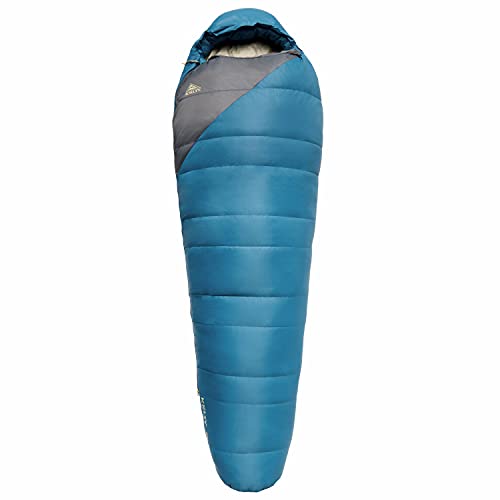
Kelty Cosmic 20 Down Mummy Sleeping Bag 550 Fill Power

Jay Franco Kids Nap Mat with Embedded Pillow & Blanket

PTEROMY Sleeping Bags for Adults Lightweight Machine Washable

Kelty Tru.Comfort Doublewide 20 Degree Sleeping Bag
Inside Each Recommended Option
The Kelty Cosmic 20 is the kind of bag that shows up on thru-hiker packing lists year after year for good reason. Its mummy cut trims excess weight while the 550-fill-power down insulation packs down small enough to live happily at the bottom of a pack.
The shell uses recycled fabrics finished with a PFAS-free DWR (durable water repellent), which helps the bag shrug off tent condensation and morning dew. Trapezoidal baffle construction keeps the down where it belongs, so you get more even warmth across your core instead of cold spots where fill settles.
Notable Gains
- 550-fill down delivers serious warmth-to-weight for shoulder-season trips
- Compresses small, leaving room in your pack for food and layers
- PFAS-free DWR sheds light moisture without relying on forever chemicals
- Trapezoidal baffles hold insulation in place through restless nights
- Polyester taffeta lining feels soft against base layers
Worth Noting
- Down insulation loses loft when soaked, so humid climates demand extra care
- Mummy shape feels snug for side sleepers who shift around a lot
Who It Suits Best
Solo backpackers and weekend campers moving fast on multi-night trips who want warmth without the bulk.
Look Elsewhere When
The Jay Franco Kids Nap Mat fits preschoolers far better, while the Kelty Tru.Comfort Doublewide wins for couples sharing one sleeping pad.
This Jay Franco nap mat is purpose-built for the preschool crowd rather than the trail. The 46-by-20-inch microfiber sleeping bag rolls out with an attached blanket and a built-in pillow already in place, so there is zero assembly at nap time.
A name tag and a carrying handle make it easy for small hands to manage on their own, and the soft microfiber feels gentle against a child’s skin. The whole thing rolls up and secures with a Velcro closure for quick stowing in a cubby or weekend bag.
Useful Strengths
- All-in-one design removes the need to pack separate blankets or pillows
- Built-in name tag helps caregivers keep mats straight at daycare
- Carrying handle supports independence for kids aged 3-5
- Microfiber cleans up easily after spills or sticky fingers
Things To Consider
- Light padding works for floor naps but is too thin for cold floors in winter
- Velcro closure can wear out with rough daily use over a school year
- Not designed for camping, so adults should look at the other picks
Made For
Parents of preschoolers needing a portable nap solution for daycare, travel, or grandparent sleepovers.
Consider Something Else When
Adult campers will find the Kelty Cosmic 20 a far better trail companion, and the PTEROMY bag suits casual weekend trips.
The PTEROMY bag skips the ultralight race in favor of comfort and easy care. At roughly 7 feet 2 inches long and 2 feet 7 inches wide, it fits adults up to about 6 or 7 feet tall with room to stretch out.
The comfort range targets 50 to 80 degrees Fahrenheit, with a lower limit near 40 degrees, so it covers spring through fall for most campers. Double S-shaped stitching and a water-resistant shell handle the realities of weekend trips, and the whole bag goes straight into a home washing machine.
Everyday Advantages
- Machine-washable design saves you from hand-cleaning after muddy trips
- Roomy cut accommodates taller sleepers and side sleepers
- Water-resistant shell holds up against damp ground and light rain
- Three-season range covers the majority of casual camping weekends
- Lightweight construction keeps pack weight manageable for car camping and short hikes
Trade Offs
- 40-degree lower limit is too cold for genuine winter or alpine use
- Synthetic fill weighs more per ounce of warmth than the Kelty Cosmic’s down
Quick Technical Notes
Right Fit For
Casual campers, festival goers, and families who want a fuss-free bag they can toss in the wash.
Swap It Out When
The Kelty Cosmic 20 is the better call for backpackers counting ounces, and the Kelty Tru.Comfort Doublewide suits couples sharing one pad.
Couples and family campers usually face the same trade-off: zip two bags together and lose personal climate control, or stay separate and lose the cuddling. The Kelty Tru.Comfort Doublewide aims to solve both problems at once.
A removable top layer lets you shed fabric on warm nights without unzipping the whole bed, while two built-in blankets give each sleeper their own cocoon. Two-way zip vents add another level of tuning, so the hot sleeper can stick a foot out without disturbing the cold sleeper beside them.
Strong Points
- Removable top layer adapts the bag across three-season temperature swings
- Two built-in blankets let each sleeper set their own comfort zone
- 20-degree rating handles chilly nights at most car-camping elevations
- Synthetic fill keeps performing when the occasional condensation shows up
- Wide footprint fits comfortably on a standard queen-size camp pad
Honest Caveats
- Bulkier than solo bags, so it is built for car camping rather than backpacking
- Synthetic insulation runs heavier than the down in the Kelty Cosmic 20
- Storing a doublewide demands more garage space than a standard mummy bag
Who Will Love This
Couples and parents camping with young kids who want a single shared sleep setup without sacrificing temperature control.
A Better Fit Elsewhere
Solo backpackers get more value from the Kelty Cosmic 20, and the PTEROMY bag is a smarter buy for weekend trips on a tight budget.
Choosing 20 Sleeping Bags That Match Your Climate
Insulation Type And Warmth Rating
Down and synthetic insulation each have a clear personality. Down (the Kelty Cosmic 20 uses 550-fill) packs small, weighs less, and delivers more warmth per ounce, but it struggles when wet and takes longer to dry. Synthetic fill (the PTEROMY and Kelty Tru.Comfort use this) costs less, dries faster, and keeps insulating even if damp, though it weighs more and packs larger. A 20-degree rating means the bag is designed to keep an average sleeper comfortable down to about 20°F; the PTEROMY’s 40-degree lower limit signals a warmer-weather bag.
Fit And Shape
Mummy bags (Kelty Cosmic 20) hug your body and shed weight by trimming excess fabric, which makes them efficient but snug. Rectangular or roomier cuts (PTEROMY, Jay Franco) trade thermal efficiency for the freedom to roll onto your side or curl up. Doublewide designs (Kelty Tru.Comfort) trade portability entirely for shared space and dual climate control.
Weight And Packability
Backpackers count every ounce, so a compressible down mummy earns its place in the pack. Car campers and family travelers care less about pack size, so a roomier synthetic bag often makes more sense for the way they actually travel.
Care And Maintenance
Machine-washable designs (PTEROMY) simplify post-trip cleanup in a way down bags cannot match. Down requires careful drying and storage to keep its loft, while synthetic bags handle rougher handling and occasional moisture with fewer headaches.
Key Considerations Across These Picks
Pitfalls Shoppers Hit
A common trap is buying a bag based on its temperature rating alone. Ratings assume a warm sleeper, an insulated pad, and a sheltered tent, so picking a 20-degree bag for actual 20°F nights without a proper sleeping pad underneath leaves you cold. Another slip is choosing a mummy bag for restless sleepers who toss and turn; the snug fit that locks in warmth also locks in frustration for side sleepers. Finally, ignoring pack size leads to bags that barely fit in a backpack or that swallow half the trunk on family trips.
Where The Extra Money Goes
Stepping up to a premium bag typically buys you better materials, lighter weight, and tighter construction. Down fill (Kelty Cosmic 20) costs more than synthetic because it insulates better per ounce and packs smaller, which matters on long trails. Features like the Kelty Tru.Comfort’s removable top layer and dual blankets also add cost because they involve more zippers, more fabric, and more engineering. The upgrade pays off when you camp often enough that weight, comfort, and durability matter; for occasional backyard trips, a value pick like the PTEROMY covers the bases without the extra spend.
Frequently Asked Questions
What does a 20-degree sleeping bag rating actually mean?
A 20-degree rating means the bag is designed to keep an average sleeper comfortable at about 20°F, assuming you also use an insulated sleeping pad and a shelter that blocks wind. Real-world comfort varies based on your metabolism, clothing, and ground insulation.
Can down sleeping bags handle wet weather?
Down loses insulating power when soaked, so a wet down bag leaves you cold. Many modern down bags (including the Kelty Cosmic 20) use a PFAS-free DWR coating to shed light moisture, but sustained rain calls for a synthetic bag or a waterproof shell.
How do I clean a sleeping bag?
Most synthetic bags can go in a home washing machine on a gentle cycle with mild detergent, then tumble dry on low. Down bags require front-loading washers, specialized down soap, and careful low-heat drying to restore loft without clumping the fill.
Are doublewide sleeping bags warm enough for cold nights?
A 20-degree doublewide (like the Kelty Tru.Comfort) shares warmth across two sleepers, which can feel warmer than a solo bag rated the same. Still, two bodies compress the insulation beneath them, so a proper sleeping pad under the bag matters even more than for solo sleepers.
What age range works for kids’ nap mats?
Roll-up nap mats like the Jay Franco model are sized for preschoolers roughly 3 to 5 years old. Older kids typically find them too short, and younger toddlers may not yet nap on a floor mat reliably.
Bottom Line
The right 20 sleeping bag depends on where you sleep and who you sleep next to. Backpackers gravitate toward the Kelty Cosmic 20, families with little ones lean toward the Jay Franco nap mat, casual campers find an easy match in the PTEROMY, and couples or family campers get the most from the Kelty Tru.Comfort Doublewide. Match the bag to your climate, your sleep style, and how often you camp, and the rest of the choice usually falls into place.