
A 20-pound bag covers a surprising range of projects, from drying flowers to topping a planted aquarium to filling a backyard fire pit. The right choice depends on grain size, purity, and whether you need something inert or mineral-rich. These ten picks each solve a specific problem well, and the details below help you decide which one fits your situation without overspending.
The Picks In Brief

wisedry 20 LBS Silica Gel Flower Drying Crystals, 4 Packs of 5 LBS

CaribSea Arag-Alive Bimini Pink Reef Sand 20 lbs

OptiFlow Premium Pool Filter Sand 50 lb
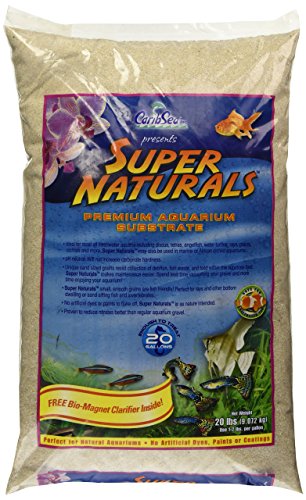
Carib Sea Super Naturals Crystal River Sand 20 lb
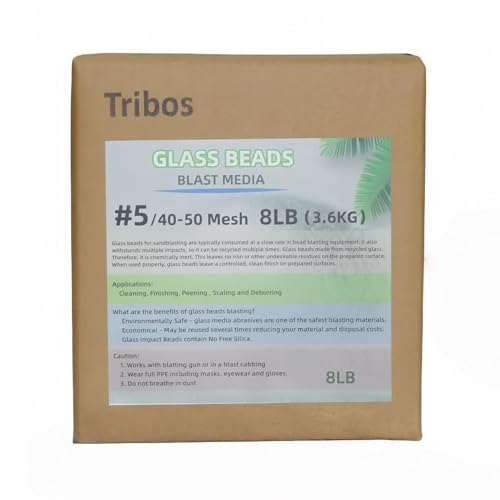
Tribos Glass Bead Blasting Media 8 lb #5

imagitarium by Petco Black Aquarium Sand 20 lbs

Palmetto Pool Filter Sand 50 lbs Natural Silica

Classic Sand & Play Pool Filter Sand 20 lb #20 Grade

Skyflame 14-20 Mesh Fire Pit Silica Sand 10 lb

NUPICK 1-2mm Coarse Sand for Plants 20 lb
A Breakdown Of The Leading Choices
Wedding florists and hobbyists who press or dry large arrangements know how fast a small container runs dry. This wisedry bundle answers that with 20 pounds split into four resealable 5-pound packs, which keeps unused crystals from soaking up moisture between sessions. The grains sit under 1 mm, small enough to nestle between petals without bruising them.
Color-indicating beads are the part most shoppers miss. Orange turns darker as the crystals saturate, so you can see at a glance when a batch needs baking out. For home crafters working through a single bouquet at a time, that visual feedback saves a lot of guessing.
Standout Benefits
- Four-pack format keeps half-used beads sealed and dry between projects.
- Sub-millimeter grains handle delicate petals without crushing.
- Color-indicating chemistry shows saturation at a glance.
- Reusable after oven drying, so one purchase stretches across many arrangements.
- Bulk 20-pound total suits small studios and frequent crafters.
Things To Weigh Up
- Dust residue is common with fine silica, so a mask during pouring is wise.
- Not intended for any aquarium, pool, or garden application.
Key Specs
Made For
Home florists and craft hobbyists drying bouquets, wedding flowers, or botanical keepsakes on a regular schedule.
Look Elsewhere When
You’re setting up a planted freshwater aquarium, where Carib Sea Super Naturals Crystal River Sand gives you the natural aquascape base you actually need.
Unlike the flower-drying crystals above, this CaribSea substrate does the opposite job: it actively buffers marine chemistry. Arag-Alive is a living aragonite sand (a calcium-carbonate mineral naturally found in reef environments), so it helps stabilize pH while seeding beneficial bacteria into a new tank. The Bimini Pink color leans toward the bright, white-coral end of the spectrum.
The special-grade grain size matters for reef builders. Coarser grains resist compaction, which keeps anaerobic pockets (small dead zones without oxygen) from forming deep in the bed. For anyone cycling a saltwater tank or restarting one after a deep clean, that single detail can decide whether coral frags thrive or stall.
Notable Upsides
- Live aragonite supports biological filtration from day one.
- Coarser grain resists compaction and dead spots in the sand bed.
- Pink-white tone mimics bright Indo-Pacific reef flats.
- Buffers pH naturally in low-alkalinity setups.
Worth Noting
- Not for freshwater tanks, where aragonite will harden mineral levels.
- Light color shows algae growth more readily than darker substrates.
- Rinsing is not advised, since the live bacteria are part of the value.
Quick Facts
Right Fit For
Reefkeepers cycling a new saltwater tank or anyone running a low-nutrient system where stable alkalinity and clean coral placement matter.
Swap It Out When
You’re keeping a planted freshwater community tank, since the imagitarium by Petco Black Aquarium Sand handles that setting more gracefully.
Pool filter sand looks interchangeable until you open the bag. OptiFlow leans on angular grains rather than smooth rounds, which catch and hold fine debris longer between backwashes. For a typical residential pool filter running through a high-pollen weekend, that extra contact time means noticeably clearer water a few hours after the pump shuts off.
The 50-pound format suits an initial fill or a full seasonal swap. If you top off a few pounds each spring, the bag runs heavy, so you’ll want a dry spot to store the leftover. The pure silica formula avoids the calcium dust that hardens on filter laterals (the slotted tubes at the bottom of a sand filter that let water flow back out) over time.
Positive Takeaways
- Angular grains trap finer particles than smooth silica.
- Pure silica cuts down on scale buildup in the filter tank.
- 50-pound bag fits a full sand-filter refill in one shot.
- Compatible with most residential sand-filter brands.
Trade Offs
- Heavier to haul than smaller pool bags.
- Not graded for fire pits or aquarium use.
- Backwashing frequency rises in peak pollen season.
Feature Rundown
Built With In Mind
Homeowners running a full-size residential sand filter who want fewer backwashes and clearer water through heavy-use weekends.
Reach For A Different Pick When
You just need to top off a small above-ground filter, where Palmetto Pool Filter Sand handles the job at a lighter carry weight.
Planted freshwater tanks live and die by their substrate. Crystal River Sand leans pale and neutral, which pushes the eye toward green stem plants and red leaf tips rather than competing with them. The grain sits in that sweet middle zone: fine enough to anchor delicate roots, coarse enough to keep water flowing through the bed.
Where CaribSea Arag-Alive (Pick 2) pushes calcium into the water, this Super Naturals formula stays inert (chemically neutral, so it won’t shift pH or hardness). That makes it far easier on soft-water species like South American tetras and discus. Twenty pounds covers a medium tank with enough depth for foreground sloping.
Real-World Strengths
- Pale tone brightens a tank and pushes focus to plants and fish.
- Inert chemistry suits soft-water species without pH swings.
- Mid-grain texture holds plant roots while staying workable.
- Twenty-pound bag fits medium tanks with depth to spare.
Honest Caveats
- Light color shows detritus (settled organic waste) between cleanings.
- Requires thorough rinsing to avoid initial cloudiness.
Whose Shelf It Belongs On
Planted-tank hobbyists building a nature-style aquascape with soft, slightly acidic water and a foreground slope.
A Better Fit Elsewhere
Saltwater reef keepers should turn back to CaribSea Arag-Alive Bimini Pink, which provides the live aragonite that marine corals need.
Garage restorers and small-shop fabricators usually hit glass bead media when they want a clean finish without the silica dust hazards. This Tribos offering is explicitly non-silica, so it sidesteps the respirator-grade concerns that come with sand-based abrasives. The #5 grade, sitting at roughly 40 to 50 mesh, hits a comfortable middle for rust removal and surface finishing.
Eight pounds doesn’t sound like much, but glass bead is reusable across many cycles. Strain it after each session, store it dry, and the same batch handles several automotive parts or tool restorations. The trade-off shows up on heavy scale: you’ll spend longer stripping thick rust compared to a coarser abrasive.
What Helps Most
- Non-silica formula reduces inhalation hazards in enclosed shops.
- 40-50 mesh cuts a balance between cutting speed and finish.
- Reusable across many blasting cycles when strained and dried.
- Leaves a smooth, matte surface ready for primer or powder coat.
Practical Considerations
- Slower on heavy rust than coarser aluminum oxide.
- Eight pounds may run short on larger restoration projects.
- Needs dry storage to prevent clumping between uses.
Feature Snapshot
Best Suited To
Home restorers and hobbyist fabricators cleaning up tools, automotive parts, and metal pieces where a smooth, low-hazard finish matters.
Not Your Match When
You need a fire-safe spread under gas logs, where Skyflame 14-20 Mesh Fire Pit Silica Sand handles the heat without breaking down.
Dark substrates do something most pale sands can’t: they make neon tetras, bettas, and koi-guppies pop. The imagitarium Black Aquarium Sand reads almost ink-deep once it settles, which works as a backdrop in both freshwater community tanks and basic saltwater setups. The grains are non-toxic and fish-safe, so curious burrowers like corydoras and loaches sift through without irritation.
Twenty pounds is generous for a 20-gallon long, with enough left over to slope the foreground or top off a bare patch later. The flip side of dark sand is that it hides less detritus and shows scale from evaporated hard water more visibly during dry spells.
Reasons It Performs
- Dark contrast intensifies fish coloration, especially reds and oranges.
- Safe for freshwater and saltwater tanks alike.
- Non-toxic materials suit bottom-dwelling foragers.
- Twenty-pound bag covers medium tanks with depth for slopes.
Points To Keep In Mind
- Hides beneficial bacteria colonies less visibly than light substrates.
- Shows water-line scale more readily between cleanings.
Perfect Match For
Fishkeepers who want bold color contrast for community tanks, betta displays, or species-only setups where fish color is the centerpiece.
Where A Sibling Pick Shines
Planted aquascapers chasing bright stem-plant growth will get a more natural feel from Carib Sea Super Naturals Crystal River Sand.
Pool filter sand has settled into a fairly tight industry standard, and Palmetto’s 50-pound bag lands right in that groove. The 20-40 sieve (a mesh-screen measurement that defines how fine the grains are) fits most residential sand filters without modification, and the washed-and-screened processing cuts down on the powdery fines that clog laterals during the first backwash cycle.
It captures the usual suspects: leaves, dirt, sunscreen residue, and the fine hair that finds its way into every pool. For above-ground pools with smaller filter tanks, the bag feels like overkill unless you split it between seasons or share with a neighbor.
Real Benefits
- Washed and screened to minimize initial cloudiness.
- 20-40 sieve suits most residential sand filters.
- Natural silica handles standard dirt, hair, and sunscreen oil.
- Compatible with above-ground and inground systems.
Factors To Consider
- Round grains filter less aggressively than angular media.
- Fifty pounds is heavy for a single above-ground pool swap.
Who Will Love This
Homeowners running a standard residential sand filter who want predictable, broad-compatibility media without special ordering.
Consider Something Else When
You want finer filtration with fewer backwashes, where OptiFlow Premium Pool Filter Sand offers an angular-grain upgrade.
Not every pool needs a 50-pound mountain of sand. This 20-pound bag from Classic Sand & Play handles smaller sand filters, hot tub filtration systems, and seasonal top-offs where you only need to replace a few inches of media. The #20 grade sits on the coarser end of residential filtration specs, which keeps water moving briskly.
The pitch here is convenience over volume. You can carry it in one trip from the car to the filter pad, and you won’t have a half-empty bag cluttering the shed. For pools running a 100-pound filter, you’ll go through this bag quickly and end up needing several.
Well-Handled Touches
- Lighter 20-pound format is easy to haul and pour.
- #20 grade resists clumping and channeling in the filter bed.
- Works for above-ground, inground, and small commercial systems.
- Sized for seasonal top-offs without wasted leftover media.
Less Ideal Details
- Multiple bags needed for a full residential filter swap.
- Coarser grade catches fewer fine particles than #20 silica options.
Who Should Grab It
Pool owners with small above-ground filters, spas, or anyone topping off a partial bed without committing to a 50-pound bag.
Another Choice May Suit
Full-pool sand swaps go smoother with Palmetto Pool Filter Sand, where one bag covers a standard residential filter.
Gas fireplaces and propane fire pits look better with a sand bed under the logs, and they run safer when that sand can take the heat. Skyflame’s 14-20 mesh grade is coarse enough to disperse flame evenly across the burner ports, which prevents the hot-spot buildup that scorches logs and discolors burner pans. The natural silica holds up under repeated firing cycles without melting or producing smoke.
Ten pounds sounds small, but a typical 24-inch fire pit only needs about five pounds for a single layer. The trade-off comes if your burner pan is large or oddly shaped, since you’ll need to refill sooner than the bag suggests.
The Practical Payoff
- Heat-tolerant silica handles repeated burner cycles.
- Coarse 14-20 mesh disperses flame evenly across ports.
- Neutral color blends with most burner and log designs.
- Compact 10-pound bag suits smaller fire pit trays.
Where It Is Less Suited
- Limited quantity for very large or multi-burner fireplaces.
- Not graded for pool filtration or horticultural use.
The Right Fit
Homeowners with a gas fire pit, tabletop fireplace, or vent-free log set who want a safe, even flame spread.
Skip It When
You’re blending a succulent soil mix, where NUPICK 1-2mm Coarse Sand is purpose-built for horticulture.
Succulents and cacti hate wet feet, and the fastest way to give them fast drainage is mixing coarse sand into the potting medium. NUPICK’s 1-2mm grain size slots into that ideal range, where particles stay large enough to create air gaps but small enough to feel like soil rather than gravel. The sand itself is natural river silica with no dyes or additives, so it won’t shift your soil chemistry over time.
Twenty pounds goes a long way in a standard 1:3 sand-to-soil mix. You can also use it as a top-dressing layer over potted arrangements to keep leaves off moist soil. Where the bag falls short is in purely decorative applications where a colored or specialty stone might suit the aesthetic better.
The Upside
- 1-2mm grain improves drainage without compacting.
- Natural river silica, free of dyes and additives.
- Washes clean without fading for long-term reuse.
- Versatile for mixing, top-dressing, and craft applications.
Some Limits To Know
- Limited decorative color variety compared to specialty stones.
- Not suited for pool, fire pit, or aquarium use.
Built With In Mind
Indoor gardeners and succulent collectors building well-draining mixes for cacti, bonsai, and drought-tolerant houseplants.
A Better Fit Elsewhere
Aquarium hobbyists setting up a freshwater tank will find a more substrate-ready choice in imagitarium by Petco Black Aquarium Sand.
Sorting 20-Pound Silica Sand by Use Case
Match the Grain to the Project
Silica sand behaves differently depending on grain shape, chemistry, and purity. Aquarium substrates need inert or calcium-buffering properties; pool filters rely on grain size consistency; horticultural sand aims for drainage. Treating the category as one interchangeable product leads to mismatched expectations.
A 20-pound bag covers roughly a 10-gallon aquarium with full depth, a small fire pit’s base layer, or several large potted arrangements. The math shifts with grain density, so coarser sands fill more volume per pound.
Chemistry Matters More Than Color
Aragonite sands like CaribSea Arag-Alive raise and buffer pH, which suits saltwater but harms soft-water fish. Pure silica stays inert and works for pools, gardens, and craft drying. Color-indicating silica gel beads are a separate chemistry altogether, not interchangeable with pool or aquarium media.
Skipping the chemistry check is the most common mistake in this category. A pale, pretty substrate can wreck a soft-water tank if it carries calcium carbonate.
Particle Size Drives Function
Sub-millimeter grains handle petals; 1-2mm grains drain soil; 14-20 mesh grains disperse flame; 20-40 sieve grains filter pool water. Each application has an industry-standard grade, and stepping outside it produces real problems: pools that cloud, fire pits that scorch, gardens that stay wet.
Reusable Media Saves Money Over Time
Glass bead abrasive, color-indicating silica gel, and even coarse horticultural sand can be cleaned, dried, and reused across multiple cycles. Pool filter sand is the exception, since backwashing forces out the finest, most-clogged grains over time.
Smart Buying Advice For 20-Pound Silica Sand
Common Shopping Slip Ups
Most shoppers in this category buy by color or price first, which almost always backfires. A dark sand that looks striking in a planted tank may carry dust that clouds water for weeks. A cheap “pool filter” sand without sieve grading can clog laterals within a season.
Another common trap is buying aragonite for a freshwater tank. The chemistry works in reverse: you’ll spend months trying to soften water that the substrate keeps hardening. Match the bag’s stated use to your actual project before anything else.
When Paying Up Pays Off
Higher-tier options in this category tend to add live bacteria, finer washing, or specialty mesh grading. Live aragonite (CaribSea Arag-Alive) costs more than inert sand, but it shortens the cycle time on a new reef tank by weeks. Angular-grain pool sand (OptiFlow) costs more than standard round media but reduces backwash frequency over a season.
The honest read is that the upgrade makes sense for setups where downtime hurts: a busy saltwater tank, a heavily used pool, or a workshop running blasting sessions weekly. Casual, occasional use doesn’t justify the extra spend.
Frequently Asked Questions
Can I use pool filter sand in my aquarium?
Pool filter sand is washed and screened for backwash systems, but it isn’t graded for aquatic life. Most hobbyists report success in freshwater tanks, yet reef keepers should choose a substrate designed for marine chemistry instead.
Is silica sand safe around food or pets?
Pool and garden silica sand is generally non-toxic once rinsed, though you should keep pets from inhaling the dust during pouring. Aquarium substrates are explicitly labeled fish-safe, which is a higher standard than pool media.
How long does silica gel last before needing recharging?
Recharge cycles depend on humidity and use, but most craft applications run several sessions before color-indicating beads turn dark. Oven-drying at low heat restores them for many additional cycles.
Does fire pit sand actually improve flame performance?
Coarse fire pit sand spreads gas evenly across burner ports, which prevents hot spots and burner discoloration. The effect is visual and safety-related rather than heat-related, since the sand itself doesn’t burn hotter.
What’s the difference between horticultural sand and playground sand?
Horticultural sand is washed, graded, and free of fines that compact soil. Playground sand is finer, dustier, and may contain clay or color coatings that harm plant roots and drainage.
Closing Thoughts
The right 20-pound silica sand depends entirely on what you’re trying to do. Aquarium keepers, pool owners, gardeners, crafters, and fire-pit enthusiasts each need different grades, chemistries, and grain sizes, and this list reflects that split. Pick the bag whose stated purpose matches your project, and the rest of the decision becomes straightforward.