
Most two-person trekking pole tents earn their reputation by stripping weight down to the bone. A shelter that rides in your pack without a fight changes how far you wander on a long weekend, and how comfortably you rest when you stop. The picks below trade features differently, and the right one depends on whether you count grams or square feet more carefully.
The Shortlist At A Glance

Naturehike Village Instant Tent 4/8 Person Camping Tent

3F UL GEAR Lanshan 2 Person Trekking Pole Tent 15D Silnylon

FBSPORT Ultralight 3-Season Backpacking Tent 1/2 Person
Naturehike Cape 4/6/8 Person Instant Pop-Up Tent
Naturehike KOTA 4/6/8 Person Double Layer Tent
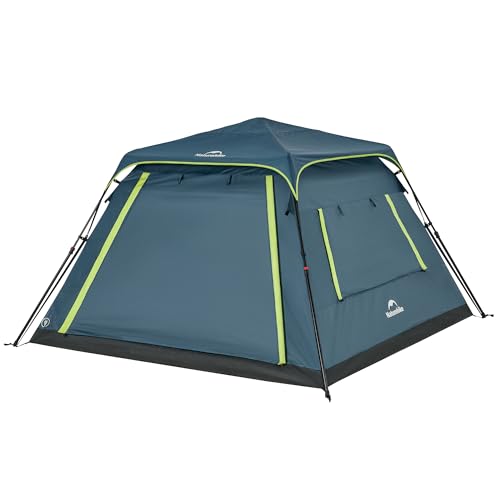
Naturehike Cape Lite 4-6 Person Instant Cabin Tent
Why These Options Stand Out
The Naturehike Village Instant Tent opens up like a cabin on wheels, which makes sense given it’s built for car camping rather than trail mileage. Pre-attached poles let the shelter stand in roughly a minute, so families arriving after sunset aren’t fumbling with instructions at the campsite. The full-coverage rainfly drapes over a Ti Black Technology fabric rated for serious sun blocking, useful for open prairie or beach setups with no shade.
Standing height feels generous for changing clothes, and the floor plan swallows a queen mattress with room for gear bins alongside. Unlike the trekking-pole-only shelters lower on this list, this one brings its own rigid frame, which means no need to pack or buy separate poles. You trade packability for livability, but for short drives to established sites, that’s a worthwhile swap.
The Good Stuff
- Setup takes roughly a minute thanks to pre-attached telescoping poles, so late arrivals don’t lose daylight.
- 150D Ti Black Technology fabric blocks harsh midday sun, helpful in exposed desert or beach locations.
- Cabin-style walls give true standing height for dressing and moving around with kids.
- Full rainfly coverage protects seams from sideways rain during thunderstorms.
- 4-person and 8-person sizes both available, so the same design scales with family size.
Things To Consider
- Packed size and weight rule out backpack carry, so this stays a car-camping-only option.
- Larger 8-person footprint needs a flat site pad of soft ground for proper staking.
Who Will Love This
Car campers and families who want a near-instant setup without trading away headroom.
Skip It When
The Naturehike KOTA serves backpackers needing layered weather defense rather than spacious cabin comfort.
Pickup the 3F UL GEAR Lanshan 2 and the first thing that registers is how thin the fabric feels in hand. That’s the trade-off for genuine ultralight performance, and it pays off on long routes where every gram matters. The shelter pitches with your own trekking poles, a “rodless” design that cuts pack weight by skipping dedicated tent poles entirely.
A silicone and PU coating pushes the waterproof rating high enough for sustained rain, and the 15D silnylon sheds wind well when pitched taut. Compared to the cabin-style Naturehike Village above, this is a different animal entirely: no rigid frame, no standing height, but a shelter that disappears into a side pouch of a 50-liter pack.
Everyday Advantages
- 15D silnylon construction keeps packed weight low for thru-hikers counting every gram.
- Uses your trekking poles as the structural frame, so no dedicated poles to carry or break.
- Silicone and PU coating delivers high waterproof performance in heavy weather.
- Compact packed size fits into a small stuff sack, freeing backpack space for food and fuel.
Points To Note
- 15D fabric handles contact with sharp rocks carefully, so a footprint or careful site selection matters.
- Requires two trekking poles of adequate length to pitch properly.
Built With In Mind
Thru-hikers and long-distance backpackers tracking pack weight across multi-week routes.
Consider Something Else When
The Naturehike Village Instant Tent fits car campers needing standing room and instant setup more than ultralight trail performance.
The FBSPORT Lanshan-style shelter lands at a pack weight that won’t punish weekend hikers, and a packed size around 13 by 6 inches slips into most daypack extensions without drama. Both 1-person and 2-person versions share the same single-pole-pitch layout, so solo trips and duo trips use a familiar setup routine. A seam-taped rainfly and bathtub floor deliver the kind of weatherproofing that handles spring showers and summer thunderstorms alike.
The shelter pitches with trekking poles, much like the 3F UL GEAR Lanshan above, so anyone already carrying poles for the day’s hike leaves them in play at camp. For hikers dipping into ultralight without committing to premium pricing, this offers an approachable entry point.
What It Does Well
- Packed weight near 2.9 lbs for the 2-person version keeps backpacks manageable on multi-day routes.
- Seam-taped rainfly paired with a bathtub floor sheds standing water during rainstorms.
- Available in 1-person and 2-person versions sharing identical pitch mechanics.
- Compact stuff size fits inside most backpacks without external mounting.
Trade Offs
- Anti-UV and wind resistance claims are useful, but the thin fabric still rewards careful site selection away from abrasive surfaces.
- Single-wall designs can collect interior condensation in cool, damp conditions.
Right Fit For
Weekend backpackers and entry-level ultralight users testing the trekking-pole format.
A Better Fit Elsewhere
The 3F UL GEAR Lanshan 2 suits thru-hikers wanting premium silnylon coatings and tighter weight targets.
The Naturehike Cape leans hard into the “instant” promise with a tunnel-style frame that pops into shape fast, getting families out of the parking lot and into camp before the kids lose patience. A 190T polyester shell with waterproof coating shrugs off the kind of rain that sends cheaper shelters leaking at the seams. The 8.3 to 12.9 square meter floor plans give cots, coolers, and a family dog plenty of room to spread out.
Peak height lands in the range where adults stand upright comfortably, and the tunnel shape pitches taut for wind resistance on exposed sites. Where the Cape Lite below trims things down for smaller loads, this Cape variant accepts the extra cubic feet in exchange for sleep space and gear storage.
Where It Helps
- 60-second setup through pre-attached poles saves camp-building time after long drives.
- Multiple size options from 4-person to 8-person fit different family sizes on the same platform.
- Tunnel-style pitch holds shape in wind better than some cabin tents of similar capacity.
- 190T polyester with waterproof coating balances weight and weather protection.
Honest Caveats
- Tunnel tents need both ends staked properly, so rocky or sandy sites complicate setup.
- PU3000mm rating handles rain well, though prolonged heavy downpours test any single-coat shelter.
Whose Shelf It Belongs On
Family campers prioritizing quick setup and generous sleeping space over compact transport.
Look Elsewhere When
The Naturehike Cape Lite below suits smaller families wanting a more compact cabin footprint.
The Naturehike KOTA earns its place on this list by doing something most large family tents skip: a true double-layer construction. The inner mesh tent pitches on its own for warm, clear nights when stargazing matters, while the outer shelter stands alone as a sunshade or rain canopy. Used together, the two layers create an air gap that manages condensation far better than single-wall designs.
A 75D 210T polyester shell with waterproof coating at 3000mm+ handles serious weather. Compared to the single-layer Cape above, this is the upgrade path for campers chasing shoulder-season trips where temperature swings push single walls past their comfort zone. Vestibules and porch space add covered storage for boots and packs.
What Pays Off
- Double-layer design reduces interior condensation in cool and humid conditions.
- Inner mesh tent and outer shelter pitch independently for versatile campsite use.
- Vestibule and porch space keep boots, packs, and cooking gear covered outside the sleeping area.
- 75D polyester fabric holds up to rougher handling than thinner tent materials.
A Few Limitations
- Two-layer setup takes longer than the single-layer Cape, so late arrivals trade time for comfort.
- Larger packed size requires more cargo room in the vehicle.
Made For
Family campers and cold-weather users needing layered construction for shoulder-season trips.
Not Your Match When
The Naturehike Cape above fits campers wanting fastest setup over layered weather defense.
The Cape Lite trims the cabin format down to its essentials, which makes it a sensible fit for couples or small families who don’t need the full 8-person footprint. A roughly 101-inch square floor accepts a queen mattress with breathing room, and 62-inch peak height gives most adults standing space to change. Setup still follows the instant-tent logic the Cape line is known for, with pre-attached poles unfolding in about a minute.
This is the practical pick for campers who want cabin comfort without hauling the larger Cape footprint above. Family hikers moving from tent-to-tent setups appreciate the lighter cargo load, and first-time family campers get a forgiving learning curve. Where the KOTA adds double-layer weather defense, the Cape Lite stays simple, light, and quick.
The Upside
- Compact 4 to 6-person size fits couples and small families without wasted floor space.
- Setup in roughly a minute keeps the learning curve gentle for first-time campers.
- Queen-mattress-compatible floor plan simplifies sleeping arrangements.
- 62-inch peak height gives standing room for changing and tending to kids.
Points To Keep In Mind
- Smaller floor than the full Cape above, so large families will feel cramped with gear inside.
- Single-wall cabin construction means cooler nights can show some interior condensation.
Best Suited To
Couples, small families, and beginner campers wanting easy setup in a manageable footprint.
Where Another Pick Suits Better
The Naturehike KOTA serves campers needing double-layer weather defense for shoulder-season trips.
What Matters Most Before Choosing 2 Person Trekking Pole Tents
Trekking Pole Compatibility and Pitch Style
A “trekking pole tent” is a shelter that uses your hiking poles as its structural frame, eliminating dedicated tent poles to save pack weight. Before buying, check the required pole length range and make sure your existing poles extend into that zone. Pitch style matters too: A-frame designs need two poles of matched length, while some single-pole layouts use one pole plus a buried foot end. Owners with adjustable carbon or aluminum poles usually find these shelters pitch without issue, but fixed-length poles may need adjustment or replacement.
Fabric Weight vs Durability Trade-Off
Denier ratings measure fabric thread thickness, where lower numbers mean lighter material. A 15D silnylon shelter weighs barely anything but tears more easily on abrasive surfaces like granite or scrub oak. A 30D or 75D polyester handles rougher contact but adds grams that matter on long routes. For weekend trips on established trails, lighter fabrics work fine. For off-trail routes through brush, mid-weight fabrics save headaches.
Waterproof Ratings in Real Conditions
Hydrostatic head ratings measure how much water pressure a fabric withstands before leaking, with 3000mm and above considered rain-ready for most conditions. Coatings matter as much as ratings: silicone coatings (silnylon) shed water better and last longer than PU coatings, while PU tends to be cheaper. Bathtub floors (raised edges) keep seam stitching out of standing water, a small detail that prevents most floor leaks.
Capacity vs Weight Reality
Manufacturer “2-person” ratings assume minimal gear storage and snug sleeping, so two adults with packs often feel cramped. Realistically, the listed capacity works for couples who keep gear outside or in vestibules. If you camp with a dog, expect to size up. For solo use with maximum comfort, a 2-person shelter provides genuine room to spread out without much weight penalty over 1-person options.
Key Considerations Across These Picks
Common Buying Slip Ups
Newcomers to trekking pole shelters often underestimate pole requirements and end up with a shelter they can’t pitch. Others focus solely on packed weight and overlook fabric durability, learning the hard way that 15D silnylon needs gentle handling on rocky sites. A third common miss is ignoring bathtub floor height, which matters more than people expect in rainy shoulder-season conditions. Match the shelter to your existing gear and your typical terrain before committing.
When Paying More Pays Off
Higher-tier shelters justify their cost through better coatings, stronger fabrics, and refined details like taped floor seams and reinforced stress points. For backpackers logging serious trail miles, the weight savings and weather performance compound across years of use. Casual car campers see less return on the premium, since a basic shelter handles fair-weather weekends without complaint. The upgrade pays off when conditions get serious or trips get longer, not for occasional backyard use.
Frequently Asked Questions
Do trekking pole tents need two identical poles?
Most two-person trekking pole tents require two poles of matching length for a balanced A-frame pitch. Some single-pole designs work with one pole plus a staked or buried foot end, but the standard layout uses a matched pair.
Can trekking pole tents handle strong wind?
Properly pitched trekking pole tents handle moderate wind well, especially with taut guylines and a staked vestibule. Extreme wind requires careful site selection behind natural windbreaks, since the flexible pole structure has limits compared to rigid-frame tents.
How do trekking pole tents handle condensation?
Single-wall trekking pole tents collect interior condensation in cool, damp conditions, which is normal for the format. Double-layer designs and mesh inner tents reduce this issue by creating an air gap that manages moisture better.
Are trekking pole tents hard to set up?
The first pitch takes longer as you learn the sequence, but most experienced users pitch these shelters in five to ten minutes. Practice at home before a trip, since fumbling with unfamiliar poles in the dark at camp is rarely fun.
What footprint do I need for a 2-person trekking pole tent?
A flat, debris-free area roughly 7 by 4 feet handles most two-person shelters with vestibules. Add space for guylines, which extend beyond the shelter footprint, so scout a slightly larger clearing than the shelter body alone requires.
The Takeaway
Two-person trekking pole tents split into two camps: ultralight shelters that disappear into your pack, and cabin-style instant tents that prioritize livability over portability. Backpackers chasing long routes gravitate toward the 3F UL GEAR Lanshan 2 or the FBSPORT option for the weight savings. Car campers and families find more value in the Naturehike Village, Cape, or KOTA for the setup speed and interior space. Match the shelter to how you actually travel, and the rest sorts itself out.