
Camping from your truck bed opens up a different kind of travel: no searching for level ground, no worrying about what’s crawling across the tent floor, and no dragging heavy gear far from the parking spot. A good roof top tent or truck bed setup turns any flat surface into a campsite in minutes. The picks below lean toward compact, easy-to-pitch options that suit couples and small crews who want to set up camp without a wrestling match.
A Quick View Of The Lineup

Naturehike Village Instant Tent 4/8 Person Cabin

JOYTUTUS Truck Tent 5.0Ft Rainfly Gray Green
Naturehike Cape 4/6/8 Person Instant Tunnel Tent
Naturehike KOTA 4/6/8 Person Double Layer Tent
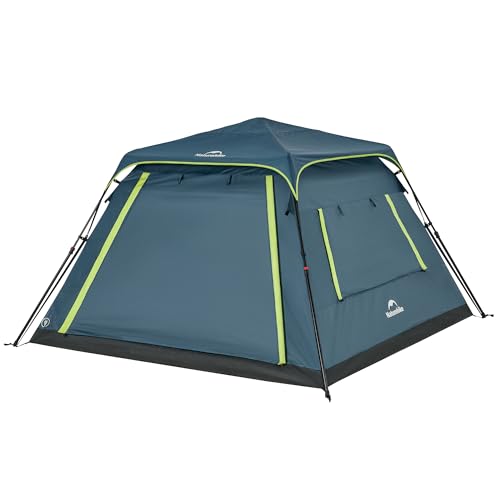
Naturehike Cape Lite 4-6 Person Instant Cabin Tent
Meet The Standout Selections
The Village is the kind of tent that makes you look like you know what you’re doing at the campsite. Pre-attached poles and an automatic structure mean two people can have a full cabin shelter standing in roughly a minute, which matters after a long drive when daylight is fading.
The cabin shape gives genuine headroom across most of the floor, so changing clothes or sitting up in a sleeping bag feels normal rather than cramped. Two people sleep comfortably, and gear stays in the corners without crowding the mattress. For road-trippers who move every night or two, that pitch speed is the real selling point.
What Earns Its Place
- Pre-attached poles fold out in roughly a minute, so arrival-to-bedtime is short.
- Cabin walls stay vertical, giving usable standing height for dressing and sorting gear.
- Available in 4-person and 8-person versions, so you can size up without swapping brands.
- Full-coverage rainfly keeps seams and zippers protected during heavy downpours.
Things To Consider
- A larger cabin footprint demands a longer flat pitch area, which some small campsites can’t offer.
- Fabric benefits from a retreatment after a season of UV exposure to keep waterproofing reliable.
Who It Suits Best
Newer campers and road-trip couples who want to skip the pole puzzle and prioritize setup speed on short overnight stops.
Consider Something Else When
Pickup owners who already sleep in the bed should look at the JOYTUTUS Truck Tent instead, since it bolts directly to the vehicle.
Where the Village above sits on the ground, the JOYTUTUS lives inside a 5-foot truck bed, which changes the whole camping math. You sleep above the dirt, above the bugs, and above any water that pools after rain, which is a quiet kind of luxury on a wet weekend.
The straight-aisle interior uses the full bed width rather than tapering at the feet, so two adults don’t end up doing the sleeping-bag shuffle. Mesh sky panels handle stargazing on dry nights, and the included rainfly doubles up the waterproofing during weather that rolls in fast. For pickup owners who already use the truck for hauling, this keeps the gear list lean.
The Upside
- Elevated sleeping platform keeps campers off wet ground and away from ground-dwelling insects.
- 210D oxford body with a PU2000 coating resists sustained rain far better than single-layer budget tents.
- Mesh skylight panels give a clear view of the sky without sacrificing ventilation.
- Setup stays truck-anchored, so the tent won’t shift if the wind picks up overnight.
Worth Noting
- Requires a compatible 5-foot bed, so mid-size and full-size trucks need to verify fit before ordering.
- Storing the tent while keeping the bed usable for hauling takes a little planning.
Made For
Truck owners who want a low-profile overlanding setup without mounting a rack or committing to a hardshell rooftop tent.
Look Elsewhere When
Anyone without a pickup should skip this and look at the Naturehike Cape tunnel tent, which pitches on any flat ground.
The Cape leans into the tunnel shape that serious campers tend to prefer: long, walkable interior, vestibules on both ends for muddy boots, and a ceiling tall enough that you stop ducking. It stretches from roughly 8.3 square meters up past 12, depending on the size you choose.
Pop-up construction means the frame nearly assembles itself, leaving you to stake the corners and tension the fly. Two people can sit at the far ends without bumping elbows, and gear stays in the vestibule rather than under your head. For longer stays where you’re cooking outside and reading inside, the layout earns its footprint.
Points In Its Favor
- Tunnel design creates a true walk-through interior that cabin tents can’t match.
- Center height lets most campers stand upright near the middle, not just crouch at the door.
- Two vestibules give you covered storage on both sides, which keeps the sleeping area clean.
- Pre-attached frame cuts setup to roughly a minute once you’ve staked the corners.
Trade Offs
- Tunnel tents rely on proper staking to hold their shape, so soft or rocky ground takes more effort.
- Longer footprint means you’ll need to scout a wider patch at busy campgrounds.
- Single-layer coated fabric benefits from careful drying before storage to prevent mildew.
Best Suited To
Two to four campers on multi-day trips who cook, sort gear, and spend real time inside rather than just sleeping.
Reach For A Different Pick When
Couples on quick weekend trips may find the Naturehike Cape Lite more than enough and easier to manage.
The KOTA is built around a two-layer approach: an inner mesh tent that handles ventilation and a separate rainfly shelter that does the heavy weather work. You can pitch just the inner mesh on warm nights, just the fly as a sun shade, or both together when the forecast turns ugly.
That modularity is what makes it feel like a four-season tent rather than a three-season tent that hopes for the best. The polyester fabric carries a 3000mm waterproof rating, which is the kind of headroom that matters when rain keeps falling into the next morning. For shoulder-season camping, that flexibility pays off trip after trip.
The Value In It
- Inner mesh and outer fly can be used independently, which adapts to summer stars or winter storms.
- 3000mm waterproof rating handles sustained rain that would soak lighter single-wall designs.
- Vestibules at the porch give you a covered staging area for cooking gear and wet boots.
- Tall walls and a steep roof keep interior condensation lower than flat-roofed cabins.
Honest Caveats
- Double-layer pitching takes longer than single-wall pop-ups, so plan accordingly on arrival.
- Larger packed size means it eats more trunk space than the Cape Lite.
Right Fit For
Campers who push into shoulder seasons and wetter climates, or anyone who wants one tent that adapts across the calendar.
Swap It Out When
Fair-weather weekend campers will likely find the Naturehike Village simpler and faster for their needs.
The Cape Lite trims the cabin format down to something a small car can carry and one person can manage. Pre-attached poles still pop the frame up in roughly a minute, but the square footprint stays closer to a typical tent pad.
Inside, the floor fits a queen mattress comfortably, and the peak height gives you room to sit upright. For couples trying car camping for the first time, this is a gentler entry point than the larger Cape above. It handles a weekend of fair weather without much fuss, which is exactly what newer campers tend to want.
Strengths Worth Knowing
- Compact packed size fits in most hatchbacks and small SUVs without removing cargo space.
- Pre-attached frame reduces setup steps to unfolding and staking.
- Queen-mattress-friendly floor plan works well for couples on shorter trips.
- Cabin geometry keeps the interior usable from wall to wall rather than tapering to a point.
Points To Note
- Designed for fair-weather use, so heavy storms call for careful seam checks before heading out.
- Smaller vestibule space means gear stays closer to the door than in the larger KOTA.
- Single-wall fabric should be aired out before long-term storage to prevent odor buildup.
Who Should Grab It
First-time campers and couples on weekend trips who want a low-fuss cabin that travels light and pitches fast.
Where A Sibling Pick Shines
The Naturehike KOTA suits campers who face real rain more often and want a tent that grows with the seasons.
Choosing A Roof Top Or Truck Bed Setup That Actually Fits
Match The Tent To Your Vehicle
The most common mismatch is buying a tent that doesn’t physically work with the rig. Pickup owners need to confirm bed length and width before considering a truck bed tent, since a 5-foot bed model won’t fit a 6.5-foot bed and vice versa. Roof top tents generally require crossbars rated for the tent’s loaded weight, and that’s a detail that gets overlooked until the first pitch.
Think About How You Actually Camp
Setup speed matters more than spec-sheet features for travelers who move every night. Pre-attached pole systems save real time after dark. Longer-stay campers usually value vestibules, interior height, and ventilation over pure pitch time, since those shape how the tent feels across multiple mornings.
Weather Rating Is Not A Marketing Number
Look for a waterproof rating in millimeters: PU2000mm is a sensible baseline, and PU3000mm+ earns its place in wet climates. A “waterproof” tent with no stated rating often means a coating that won’t survive a second season, which is the kind of detail that surfaces during a wet trip rather than at purchase.
Plan For Storage And Maintenance
Every tent needs to dry fully before long-term storage, or mildew becomes the dominant memory of the season. Heavier models with double-layer construction need more trunk space but tolerate neglect better. Single-layer pop-ups reward a quick wipe-down and proper folding, which is a small habit that extends their lifespan considerably.
Key Considerations Across These Picks
Pitfalls Shoppers Hit
Buyers often chase the largest size without measuring their pitch area, then discover the tent won’t fit at crowded campsites. Others skip checking their vehicle’s weight rating before mounting a roof top tent, which becomes a real safety issue rather than a comfort preference. Confirming dimensions against both your trunk and your typical campsite saves the headache.
Where The Extra Money Goes
Higher-tier models tend to spend the budget on double-layer construction, stronger waterproof coatings, and better ventilation design. That translates into drier nights during long rain events and cooler sleep on summer evenings. For weekend fair-weather use, the entry tier handles the job well. For shoulder-season trips or wet climates, the upgrade tends to pay for itself across a couple of seasons.
Frequently Asked Questions
Do truck bed tents damage the paint or bed liner?
Most quality truck bed tents use a PE floor and soft contact points rather than hard frames, so they don’t typically scratch the bed. Laying down an old blanket or moving pad underneath adds a layer of insurance against abrasion over a long trip.
Can a roof top tent work on a regular car instead of an SUV?
It depends entirely on the dynamic roof load rating of your specific car and the crossbar system you install. Many sedans don’t carry enough roof capacity for a loaded tent plus occupants, so verifying your vehicle’s spec matters before committing.
How long does a waterproof coating typically last?
A PU2000 or PU3000 coating generally holds up for one to three seasons of regular use before noticeable wear. Resealing sprays can extend that window, but tents stored damp degrade faster than tents stored dry, regardless of coating.
Are instant tents actually as fast as claimed?
In dry conditions with two people, the pre-attached pole systems here genuinely pop up in around a minute. Wet, cold, or solo setups take longer because staking and tensioning still need real attention, even if the frame unfolds itself.
What size tent do two people actually need?
Two adults sleep comfortably in a 4-person tent with room for gear, and a 6-person tent adds meaningful space for changing and storing bags. Going smaller than 4-person usually means squeezed elbows by morning on anything but the shortest trip.
Closing Remarks
Any of the tents above can handle a good camping season if it matches your vehicle and your style of trip. The Village is the easiest cabin to live with, the JOYTUTUS makes a pickup bed into a proper camper, the Cape gives walkers real room, the KOTA handles shoulder-season weather, and the Cape Lite keeps things simple for weekend use. Pick the one that fits how you actually travel, and the rest of the trip tends to take care of itself.