
A solid two-person shelter changes how you travel into the backcountry. Lightweight enough for long mileage, weather-tough enough for surprise rain, and roomy enough for two sleeping pads without shoulder-bumping all night. The tents below cover everything from ultralight thru-hikers to car campers who want a real cabin at base camp.
The Main Contenders

BISINNA 2/4 Person Camping Tent

Naturehike Mongar 2-Person Backpacking Tent
KTT Extra Large Family Cabin Tent (Style A)

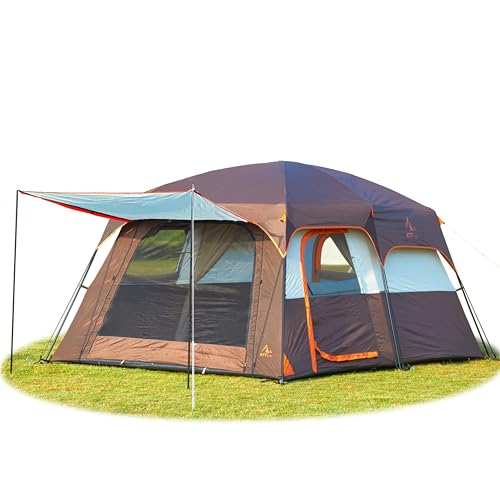
KTT Extra Large Family Cabin Tent (Style B)
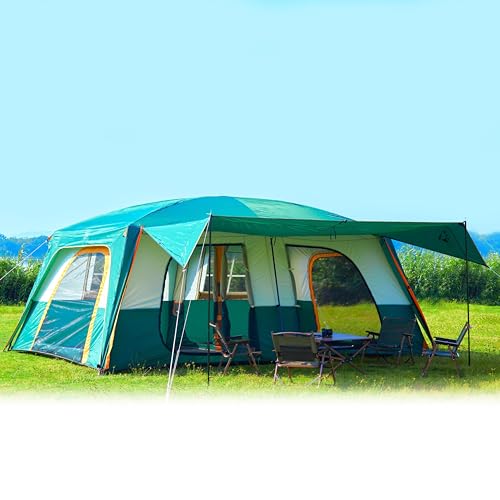
KTT Extra Large 16ft Cabin Tent

KTT Extra Large 14ft Cabin Tent

KTT 12-14 Person Cabin Tent with Full Rainfly

KTT 10-12-14 Person Cabin Tent (Style B)
Meet The Standout Selections
Budget backpackers and casual weekend trippers tend to land on the BISINNA for a reason. It’s a freestanding double-skin design (meaning the inner mesh tent and outer rainfly are built as two separate layers for better airflow) that doesn’t punish your wallet, yet still handles three-season weather across most US trail conditions.
For two adults sharing a backpacking load, the floor plan fits a pair of standard sleeping pads, and the 7001 aluminum poles (an aluminum alloy prized for its high strength-to-weight ratio) keep packed weight manageable. Where this one earns its everyday-favorite label is on setup ease: most campers report getting it pitched in well under ten minutes from stuff sack to taut rainfly.
What Makes Sense
- PU2000mm-rated rainfly (a polyurethane waterproof coating measured by how many millimeters of standing water the fabric resists before leaking) keeps mid-trip showers out without needing a separate tarp
- Inner mesh body drops condensation on humid nights
- Aluminum poles handle gusty conditions without bending
- Two-door layout means no crawling over your partner at 2am
Things To Consider
- Two-person rating assumes cozy sleeping; wider folks may want to size up
- Factory seam sealing is minimal, so applying a silicone seam sealer at home extends dry-weather performance
Who It Suits Best
New backpackers and casual campers who want a reliable three-season shelter without overthinking the spec sheet.
Look Elsewhere When
You log long thru-hike miles and want a tent that disappears in your pack, in which case the Naturehike Mongar is the more obvious match.
Where the BISINNA leans budget-friendly, the Naturehike Mongar leans ultralight. The full kit weighs around 5.3 lb including the included footprint (a separate ground cloth placed under the tent floor to protect it from abrasion and moisture), and it compresses into a sack slim enough to slide beside a water bottle in your pack.
That’s the Mongar’s whole pitch: keep two people dry through three-season weather without forcing you to leave your sleeping bag at home. The double-wall construction handles condensation the same way the BISINNA does, while the freestanding geometry sets up cleanly on rocky or root-covered ground where stakes won’t bite.
What Helps Most
- Pack weight around 5.3 lb is realistic for week-long routes
- Included footprint saves buying a separate groundsheet
- 210T polyester fabric strikes a balance between weight and abrasion resistance
- Three-season build handles spring-to-fall shoulder trips
Honest Caveats
- Lighter fabric is more vulnerable to pine needles and sharp branches
- Two-person floor dimensions run tight for side-by-side pads; many owners prefer the diagonal pad layout
Made For
Long-distance hikers and fastpackers who count every gram but still want a real double-wall shelter.
A Better Fit Elsewhere
You camp with kids or a dog and need standing height, in which case the KTT family cabins are a smarter pick.
Stepping away from backpacking territory, the KTT Style A is a basecamp cabin. The straight-wall design (vertical side walls rather than sloped ones) gives genuine standing headroom across a roughly 12.5-by-8.5-foot floor, and the inner divider curtain splits the space into two rooms so adults and kids get their own side.
Three doors and three mesh windows solve the classic cabin-tent problem of everyone tripping over the same entry point. Setup takes a few extra hands compared to the backpacking tents above, but it’s still manageable for two adults working together. You trade trail-friendly pack size for a shelter that feels like a small apartment at the campsite.
The Case For It
- Two-room layout with privacy curtain cuts down on bedtime battles
- Straight-wall geometry means adults can stand and change
- Mesh windows and doors keep airflow moving on muggy summer nights
- Oxford polyester shell (a heavy-duty woven fabric known for tear resistance) holds up to rough kid handling
- Floor fits up to four full-size air mattresses
Points To Keep In Mind
- Pack weight and packed size rule out any serious backcountry use
- Seam sealing at home is a smart move before the first wet weekend
Right Fit For
Parents running two or three-night car camping trips with kids who want a real bedroom at the campsite.
Consider Something Else When
You’re a couple planning a long backpacking honeymoon, where the Naturehike Mongar’s low weight wins every time.
MSR has a long reputation in the backcountry shelter world, and the Elixir 2 is where most entry-to-mid backpackers land. The blend of 75% polyester and 25% nylon keeps weight honest, while the rectangular floor plan and nearly vertical walls turn dead floor space into actual sleeping room for two wide pads.
Compare that to the BISINNA’s narrower geometry: you lose a touch of pack-down size, but you gain the kind of livable interior that matters on a three-day trip when you’re spending real time inside the tent. The mesh-and-fabric body balances airflow against warmth retention, which is the whole point of a true three-season shelter.
Well-Handled Touches
- Rectangular floor fits wide sleeping pads without awkward diagonal layouts
- Strategic mesh panels vent condensation without freezing occupants
- Included gear loft keeps headlamps and glasses off the floor
- Color-coded poles and clips speed up first-time setup
Less Ideal Details
- Premium tier pricing puts it above the budget options in this list
- Storage sack sizing is tight; practice folding at home before the first trip
Best Suited To
Backpackers stepping up from a starter tent who want a trusted name and better interior geometry.
Swap It Out When
You’re shopping for a family cabin instead of a trail shelter, in which case the KTT Style A handles that mission better.
Where Style A above gives you a more compact cabin footprint, Style B stretches the same two-room formula into the 10-to-14-person range. The interior dimensions stay in the same 12.5-by-8.5-foot range, so the extra person rating is really about gear and dog space rather than another bedroom.
What changes is the floor material: this version runs a PE-coated polyester floor (polyethylene coating adds a waterproof barrier to the underside of the floor fabric), which shrugs off muddy boot prints and the occasional forgotten water bottle leak. Same cabin geometry, same three-mesh-door layout, slightly tougher underside.
Strong Points
- PE-coated floor resists standing water better than bare polyester
- Top corner hooks plus a middle hook give eight hanging points for lanterns and organizers
- Repair patches included in the box for the inevitable kid puncture
- Three-door layout keeps traffic flowing at busy camp kitchens
Small Caveats
- Setup takes two adults and a coffee
- Weight and packed size limit this to car-camping-only duty
Perfect Match For
Families with dogs, lots of gear, or both, who want extra floor durability at a base camp.
Another Choice May Suit
You’d rather use a tent for actual hiking, where the MSR Elixir 2 earns its place in your pack.
If the other family cabins feel cramped, this is the big one. The 16-foot-by-11-foot floor with 7.4-foot peak height means even tall adults can walk around without hunching. Capacity scales up to roughly 14 sleepers, but realistically it shines when you’re hosting a group of six to eight plus a gear pile.
The big back window plus two top windows and three doors create a cross-breeze layout that keeps a large interior from turning into a stuffbox on hot days. Double-layer construction (two fabric layers with a gap between them, which improves insulation and reduces condensation) helps manage the moisture that builds up when many bodies share one shelter.
Where It Helps
- 7.4-foot peak height feels almost like a small cabin
- Back window plus two roof vents move serious air
- Straight-wall geometry preserves floor space in the center
- Hooks throughout for lanterns, organizers, and drying lines
Trade-Offs
- Requires a flat, open campsite with room to spread out
- Tougher solo setup; expect to recruit help
Who Should Grab It
Anyone hosting family reunions, scout troops, or group base camps where standing room matters.
Reach For A Different Pick When
You want something a single person can pitch before sunset, which is why the BISINNA earns its weekend-favorite badge.
This 14-by-10-foot cabin sits between the Style A and the 16-foot behemoth above. The unique feature here is a pair of bay windows, which are angled mesh panels that protrude from the side walls to capture more breeze and give you a small shelf-like viewing spot.
For warm-weather family camping, those bay windows pull in real airflow from low on the wall, where cooler air naturally sits. The two-room divider and three-door layout repeat the formula from earlier KTT cabins, just with more flexible ventilation options. Standing height around 6.5 feet is enough for most adults.
A Few Strong Suits
- Bay windows capture low-angle breezes that flat panels miss
- Door curtains can be propped up with poles for shade awnings
- Floor handles four full air mattresses
Some Limits To Know
- Still large enough to be a two-person pitch, minimum
- Bay windows mean more mesh surface, which can feel drafty on cool nights
Right Fit For
Families camping in humid summer climates where airflow beats insulation.
A Better Fit Elsewhere
You’re expecting serious cold nights and want a tighter cabin shell, in which case the KTT 12-14 person full-rainfly version below is the call.
Most cabin tents include a partial rainfly over the roof only. This KTT version ships with a full rainfly that drapes over the entire tent body, trading some stargazing for genuine wet-weather shelter. In shoulder seasons and Pacific Northwest conditions, that trade usually pays off.
The 14-by-10-foot footprint matches the bay-window cabin above, but the full fly turns the ventilation story around. You’ll want to manage window coverings actively to keep airflow moving on dry days. Inside, the same two-room divider and eight corner hooks appear.
What It Does Well
- Full rainfly coverage handles extended rainy stretches
- Two-room privacy curtain and bay windows retained from the lighter version
- Oxford polyester shell resists tearing on abrasive surfaces
Practical Considerations
- Full fly adds significant packed weight
- More layers mean longer drying time after a wet pack-down
Whose Shelf It Belongs On
Wet-climate family campers who prioritize rain protection over ventilation.
Skip It When
You mostly camp in dry summer heat, where the KTT 14ft cabin’s open bay windows are a better match.
Style B of the 14-foot cabin tier rounds out the KTT lineup. The 14-by-10-foot floor and 6.58-foot peak keep the standing-height promise, while the PE-coated floor handles the kind of muddy entry traffic that comes with kids and dogs running in and out all weekend.
Compared to Style A above, this version leans toward heavier use: thicker floor, the same Oxford polyester shell, and a divider curtain that turns one big room into two. For multi-night base camps where you’re packing coolers, chairs, and a dog crate, the extra floor durability matters more than peak height.
Practical Advantages
- PE-coated floor resists punctures from pine cones and gear corners
- Six-plus hooks keep lanterns and organizers off the ground
- Compatible with full-coverage rainfly upgrades from the KTT family
Where It May Fall Short
- Larger and heavier than casual campers typically need
- Doesn’t include some accessories that come with smaller cabins
Who Will Love This
Multi-night family base campers who treat the tent like a small cabin rather than overnight shelter.
Where A Sibling Pick Shines
You want the lightest packable option in this list, which makes the Naturehike Mongar the more sensible pick.
What To Weigh Before Picking Your Shelter
A two-person hiking tent splits into two clear camps: ultralight backpacking designs and basecamp cabin tents. Backpacking picks trade floor space and standing height for low weight and small packed size, so they suit long-mileage trips where every ounce adds up over a week. Cabin designs trade packability for standing height and room to spread out, which is the right call for car camping where weight doesn’t matter but comfort does.
Materials matter more than capacity claims. Look for a rainfly with a hydrostatic head rating (a measure of how much water pressure the fabric withstands before leaking) of at least 1500mm, with sealed or taped seams for real wet-weather performance. Floor fabrics benefit from PE or PU coatings, which add a waterproof film to the underside of the floor, especially on abrasive ground.
Ventilation matters too. Mesh inner tents prevent the condensation build-up that ruins sleeping bags, and dual doors eliminate the awkward crawl-over-your-partner problem at 2am. For shoulder-season use, look for adjustable vents you can close from inside.
Capacity claims versus reality
Manufacturer two-person ratings assume cozy sleeping with shoulders touching. Most backpackers find the floor tight for two wide pads side by side, so a diagonal layout is the real-world test. Adding a dog or a child usually forces an upgrade to a three-person shelter.
Weight versus features
Every feature adds grams. Full-coverage rainflies, multiple doors, and gear lofts each weigh something. Long-distance hikers strip features ruthlessly, while weekend campers often want every bell and whistle. Decide which side of that line you live on before comparing specs.
Key Considerations Across These Picks
Mistakes Worth Dodging
The biggest trap is trusting the manufacturer person count without checking floor dimensions. A listed “two-person” tent can mean anything from a snug 28-square-foot floor to a roomy 35. Measure your sleeping pads before buying. Another common miss is ignoring the rainfly rating: budget tents sometimes ship with lighter rainflies than the rest of the shelter deserves, so a quick silicone seam-seal at home goes a long way.
Where The Extra Money Goes
Premium two-person shelters earn their tier through better materials and tighter geometry. Stronger aluminum poles handle real wind, denser fabric resists abrasion over multi-season use, and refined ventilation panels manage condensation without drafts. For weekend car campers, the premium jump is mostly about durability and ease of setup. For backpackers, it shows up as packed weight savings that pay off over hundreds of trail miles.
Frequently Asked Questions
What does a “three-season” tent actually cover?
Three-season tents handle spring, summer, and fall conditions across most US climates, including rain, wind, and moderate cold. They aren’t designed for heavy snow loads or arctic winter use, which is a separate category called four-season or mountaineering tents.
How small should a two-person tent pack down for backpacking?
A pack size under 20 inches long and 6 inches in diameter fits comfortably alongside other gear in a 50-to-65-liter pack. Larger stuff sacks start crowding out room for your sleeping bag and pad.
Do these tents need footprint groundsheets?
Most modern tents include or recommend a footprint. It extends floor life by adding a protective layer between the tent floor and the ground, especially helpful on rocky or thorny sites. Many tents now ship with one included.
Can a two-person tent really fit two adults and a dog?
For two adults and a medium dog, a three-person tent is usually the more honest choice. The “two-person” capacity assumes two humans, and adding a pet eats the buffer space that makes the floor livable.
How long does setup usually take?
Freestanding backpacking tents like the BISINNA, Naturehike Mongar, and MSR Elixir 2 typically pitch in five to ten minutes with practice. Larger cabin designs run fifteen to thirty minutes and often need a second pair of hands for the poles and rainfly.
Wrap Up
The right two-person hiking tent depends entirely on where you plan to use it. Backpackers logging trail miles will get the most out of the Naturehike Mongar or MSR Elixir 2, while family campers will find the KTT cabin lineup hard to beat for base camp comfort. Match the tent to the trip, and the rest of the gear falls into place.