
A solid 2-person shelter handles spring drizzle in the Cascades, summer nights in the Rockies, shoulder-season snow in the Adirondacks, and quiet winter weekends in a state park. Most weekend campers end up juggling two tents, one warm, one light, until they finally commit to a true four-season two-person that lives through real weather.
The eight tents below split into two camps. The first two are purpose-built backpacking shelters designed for two people in harsh conditions. The remaining six are large family cabin-style tents, included here for groups planning car-camping trips with room to spare. Choosing between them comes down to how you actually camp.
The Picks In Brief

ALPS Mountaineering Lynx 2-Person Backpacking and Camping Tent

ALPS Mountaineering Zephyr 2-Person Tent
KTT Extra Large Tent 8-10-12-14 Person(A),Family Cabin Tents,2 Rooms,3 Doors and 3 Windows with Mesh
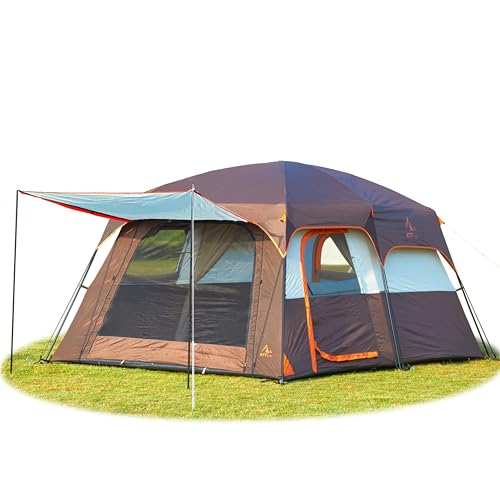
KTT Extra Large Tent 10-12-14 Person(Style-B),Family Cabin Tents,2 Rooms,3 Doors and 3 Windows with Mesh
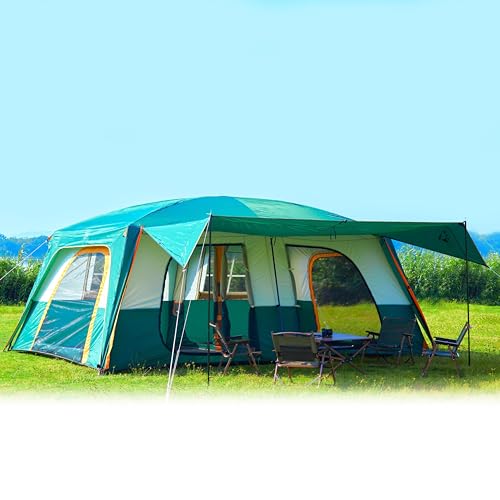
KTT Extra Large Tent 10-12-14 Person,Family Cabin Tents,2 Rooms,3 Doors and 3 Windows with Mesh

KTT Extra Large Tent 10-12 Person,Family Cabin Tents,2 Rooms,3 Doors and 3 Windows with Mesh

KTT Extra Large Tent 12-14 Person,Family Cabin Tents,2 Bay-Windows,2 Rooms and 3 Doors 3 Windows with Mesh

KTT Extra Large Tent 10-12-14 Person(B),Family Cabin Tents,2 Rooms,3 Doors and 3 Windows with Mesh
Taking A Closer Look At The Options
The ALPS Mountaineering Lynx 2-Person tent fits weekend backpackers who count every pound and want shelter that pitches quickly after a long trail day. Two-pole rectangular aluminum poles with pole clips keep setup to a few minutes, and the floor plan works for two sleeping pads side by side without much overlap.
Half-mesh walls run along both sides of the cabin, so cross-breezes move through on summer nights above treeline. Where the Lynx differs from typical budget shelters is the aluminum pole system, which holds up better in gusty ridge camps than fiberglass alternatives. For two campers sharing the load on a three-season trip, it stays a comfortable shelter.
Real-World Strengths
- Aluminum poles shed weight compared with fiberglass and resist bending on rocky pitches
- Pole clips snap on quickly, so two tired campers can finish setup before dark
- Mesh wall sections let humid summer air pass through without sacrificing cover
- Rectangular floor layout gives both sleepers a flatter, more usable sleeping surface
Trade Offs
- Two-door vestibules are limited, so wet boots tend to crowd the entry on rainy mornings
- Condensation can build on the inner walls during still nights; a small vent gap helps
- Storage sack runs small for repeat stuffing; owners commonly report rolling the tent tighter than the bag suggests
Key Attributes
Made For
Couples and trail partners tackling spring, summer, and fall trips who want a backpacking shelter that pitches in minutes.
Where Another Pick Suits Better
The ALPS Mountaineering Zephyr 2-Person Tent is a better match for campers in muggy climates who need more headroom for sitting up off the sleeping pad.
The ALPS Mountaineering Zephyr 2-Person Tent targets warm-weather campers who overheat at night and want real airflow above their heads. Pre-bent aluminum poles create steeper sidewalls, which raises the ceiling higher than a standard dome and makes sitting up to read or change clothes much easier.
Full mesh walls run almost the entire tent body, so humid air moves right through on still summer evenings in places like the Smokies or the Gulf Coast. Compared with the Lynx above, the Zephyr trades a bit of weather protection for a noticeably more open, roomier feel inside. For two campers camping below the tree line where weight is less critical, it hits a comfortable middle ground.
Key Advantages
- Pre-bent poles raise the ceiling height for sitting up and dressing
- Full mesh walls pull warm air through on muggy nights
- Steep walls add usable shoulder and elbow room across the sleeping area
- Aluminum pole construction keeps the tent lighter than budget fiberglass options
Worth Noting
- Full mesh walls mean less privacy in shared campsites with bright morning light
- Storm resistance is lower than solid-wall tents, so heavy wind-driven rain may push through seams
- The rainfly covers the mesh but condensation on cooler mornings can drip onto gear near the walls
Whose Tent It Belongs On
Two-person teams camping in humid regions or during peak summer who want airflow over weatherproofing.
Skip It When
The ALPS Mountaineering Lynx 2-Person Backpacking and Camping Tent is the smarter choice for backpackers prioritizing wind and rain performance over interior volume.
The KTT Extra Large Tent (Style A) handles weekend car camping with kids and cousins under one roof without forcing anyone into a corner. Inside dimensions of 12.5 by 8.5 feet fit four full air mattresses side by side, and a separation curtain splits the interior into two privacy rooms.
Three doors and three windows give the camp a steady cross-breeze on hot afternoons, while the straight-wall design means the ceiling stays at 6.2 feet across most of the floor. Compared with the smaller backpacking shelters earlier, this tent is built for groups that drive to a state park and want real living space.
Bright Spots
- Two-room layout lets parents and kids sleep in separate spaces within the same tent
- Three doors cut down on nighttime trips over sleeping bags
- Straight walls hold ceiling height across the floor, avoiding the crouch zones of dome tents
- Eight top corner hooks and a middle hook support lanterns, fans, and clotheslines
Points To Note
- Oxford polyester shell weighs more than nylon backpacking tents, so it stays at the campsite
- Setup with two adults still takes 20 to 30 minutes on the first try; owners commonly report going faster on later trips
- Mesh windows let insects in if you skip the inner covers, so a little habit-building helps
Right Fit For
Families of four to six heading to car-accessible state parks for a long weekend who value privacy plus shared space.
Look Elsewhere When
The KTT Extra Large Tent 10-12-14 Person (Style B) suits larger families who want more ceiling height and a wider floor plan for the same camping style.
The KTT Extra Large Tent (Style B) sits in the middle of the family cabin lineup, with the same 12.5 by 8.5 foot floor and 6.2-foot ceiling but a slightly different window arrangement. A separation curtain turns the interior into two rooms, so grandparents, parents, and kids each get their own space to wind down.
Three doors with mesh and three windows with mesh keep the air moving, and the floor material uses PE-coated polyester to handle damp ground better than basic tarp setups. Where Style B stands apart from Style A above is the slightly different panel configuration, which gives groups another layout option for similar camping styles.
A Favorable Mix
- Six top corner hooks plus a middle hook support lanterns and gear bags
- PE-coated polyester floor handles damp grass and light rain without soaking through
- Two repair patches ship with the tent for quick field fixes
- Two buckles included for adjusting the divider curtain tension
Possible Compromises
- Oxford polyester rainfly requires thorough drying before storage to prevent mildew
- Floor footprint fits four air mattresses snugly; bringing extras forces overlap
- Two-pole main support means gusty thunderstorms can flex the rainfly until the storm passes
Who Should Grab It
Mid-size families and friend groups who want a two-room cabin layout without moving up to the largest floor plan.
Reach For A Different Pick When
The KTT Extra Large Tent 10-12-14 Person (Style 5) makes more sense for groups needing 16 feet of length and a 7.4-foot ceiling for standing room.
The KTT Extra Large Tent (16-foot model) is the largest shelter in this roundup, designed for extended families that need standing room and a long common area. The 16 by 11 foot floor plus a 7.4-foot ceiling lets most adults walk upright through the central zone without ducking.
Three doors, three windows, plus one large back window with mesh keep air circulating, and a separation curtain splits the interior into two rooms for privacy. Compared with the 12.5-foot models earlier, this tent trades compact towability for genuine cabin-scale comfort on a long weekend.
The Upside
- Standing-height ceiling eliminates the stoop-and-shuffle common in dome tents
- Two-room layout fits parents on one side and a sleeping bag pile on the other
- Back window adds a third cross-breeze option on muggy evenings
- Straight-wall design opens more floor space along the side walls for cots
Factors To Consider
- Larger packed size means it lives in the garage or truck bed, not a backpack
- Setup typically needs three adults for a smooth first pitch on level ground
- Extra fabric area requires careful seam inspection before any wet-weather trip
Technical Highlights
Best Suited To
Extended families and friend groups car camping for three to four nights who want real living space inside the tent.
Swap It Out When
The KTT Extra Large Tent 10-12 Person (Style 6) is a better match for smaller groups who still want bay windows and a straight-wall layout without the full 16-foot length.
The KTT Extra Large Tent (10-12 Person) lands between the mid-size and full-size KTT cabins, with a 14.1 by 10 foot floor and a 6.58-foot ceiling. Two bay windows with mesh give the tent a more residential feel than a basic cabin, and the divider curtain creates two privacy rooms inside.
Three doors and three windows with mesh keep air moving, while the straight-wall design opens up central floor space for chairs and a small table. Compared with the 16-foot model above, this tent fits smaller campsites and a tighter garage without giving up standing-room comfort at the peak.
Good Reasons To Consider
- Bay windows brighten the interior and improve sightlines out toward the picnic table
- Two-room divider curtain supports families sharing space with friends
- Straight walls keep ceiling height across the floor, avoiding low corners
- 14-foot length fits standard state-park tent pads comfortably
Things To Weigh Up
- Doors propped open on sunny days need a support plan; without it, the curtains sag
- Larger surface area means more stakes and guylines to manage on the first pitch
- Bay-window mesh panels let in more early morning light than solid wall sections
Perfect Match For
Two-couple families or small groups of friends who car camp and want bay-window comfort in a slightly smaller footprint than the largest cabin.
A Better Fit Elsewhere
The KTT Extra Large Tent 12-14 Person (Style 7) suits groups facing repeated wet weather, since it adds a full rainfly for heavier coverage.
The KTT Extra Large Tent (12-14 Person) handles wet-weather family trips with a full-coverage rainfly that protects the mesh walls below. The 14.1 by 10 foot floor and 6.58-foot ceiling match Style 6 above, but the rainfly upgrade changes how the tent behaves during a thunderstorm rolling in at midnight.
Two bay windows with mesh, three doors, and three windows with mesh stay usable when the fly is rolled up on dry days, and a separation curtain creates two rooms inside. Where this tent differs most from the rest of the KTT cabin lineup is the full rainfly, which trades a bit of setup time for better wet-weather protection.
What Works In Its Favor
- Full rainfly seals off mesh walls during heavy rain without blocking interior airflow
- Two bay windows brighten the space when the fly is open
- Two-room layout supports parents and older kids sleeping apart
- Eight top corner hooks plus a middle hook hold lights, fans, and small organizers
Some Limits To Know
- Full rainfly adds weight and bulk to the packed tent, so storage space matters
- Setting up the fly in wind takes practice; staking the corners first helps
- Mesh-heavy walls can collect morning condensation in cooler shoulder-season weather
Who Will Love This
Families camping in regions with frequent afternoon thunderstorms who want full-coverage rain protection without moving to a mountaineering tent.
Where A Sibling Pick Shines
The KTT Extra Large Tent 10-12-14 Person (Style B) is the lighter choice for fair-weather campers who want a simpler setup with less fly fabric to manage.
The KTT Extra Large Tent (Style B, 14-foot) doubles as family camping shelter and outdoor event hub for graduations, reunions, and tailgates. A 14 by 10 foot floor with a 6.58-foot ceiling fits four full air mattresses, and the divider curtain splits the interior into two rooms.
Oxford polyester rainfly and inner tent construction handle light rain on short trips, while three doors and three windows with mesh keep guests comfortable during afternoon gatherings. Compared with the smaller backpacking shelters at the top of this list, this tent is built for stays where comfort beats weight.
Where It Excels
- Oxford polyester shell handles light rain and resists small abrasions from campsite debris
- Two-room curtain lets hosts run a sleeping zone and a sitting zone in one tent
- Three doors handle a crowd without everyone funneling through one entry
- Eight top corner hooks plus a middle hook support string lights and decorations
Where It Is Less Suited
- Oxford polyester runs heavier than nylon; it lives in the truck, not the trail
- Setting up the divider curtain correctly on the first pitch takes a little trial and error
- Long-term storage requires the tent to be fully dry to avoid mildew on the inner fabric
Built With In Mind
Hosts running weekend gatherings and family camping trips who want one shelter that handles both sleeping and socializing.
Not Your Match When
The ALPS Mountaineering Lynx 2-Person Backpacking and Camping Tent suits backpackers who need a lighter, trail-rated shelter for hiking in.
Matching Your Shelter To Real Conditions
Choosing between backpacking-rated and family-cabin shelters starts with how you actually move to camp. Backpackers carrying everything for miles need aluminum poles, a low packed weight, and a body that pitches in ten minutes or less. Car campers driving to a state park benefit more from straight-wall ceilings, divider curtains, and standing-room floor plans than from gram-counting specs.
Season matters too. Three-season tents use mesh walls for ventilation and lighter fabrics for weight savings, while four-season mountaineering tents swap the mesh for snow-shedding solid panels and heavier pole structures. The two ALPS Mountaineering tents in this list cover warm and moderate weather with strong airflow. None of these models is rated for high-alpine winter storms, so deep-snow campers should plan to upgrade pole and fabric specs beyond this roundup.
Capacity That Actually Fits
Manufacturer “person” ratings assume light gear, narrow sleeping pads, and minimal elbow room. Two adults with two packs and a dog tend to fill a 2-person backpacking tent quickly, and a family of four will feel the walls close in on any cabin smaller than 10 by 14 feet. Pick a shelter with at least 20 percent more floor area than the bare minimum for your group so camp stays comfortable after dark.
Ventilation And Moisture
Mesh panels and dual-layer rainflies handle two related problems. Mesh lets humid breath and cooking vapor escape, and the fly stops rain from dripping onto the inner tent. In humid climates, full mesh walls keep you drier at night, while a full-coverage rainfly matters more in wet regions where afternoon thunderstorms are routine. The Zephyr and Lynx lean on mesh for airflow, and the 12-14 Person KTT cabin adds a full rainfly for wet-weather defense.
Build Materials That Hold Up
Polyester rainflies resist UV damage and stretch less than nylon when wet, which keeps the tent taut overnight. Oxford polyester, used across most of the KTT cabins, adds abrasion resistance for campsites with rough ground. Floor materials matter as much as the fly. PE-coated polyester floors handle damp grass and light puddles, while thinner floors can soak through on a wet morning.
Key Considerations Across These Picks
Pitfalls Shoppers Hit
The most common mistake in this category is trusting the listed “person” rating at face value. A 12-person tent that lists four air mattresses usually fits four adults plus two kids comfortably, not six full-size adults. The second trap is skipping seam-sealing and waterproofing prep on a new family tent, which works fine until the first heavy rain. A third issue comes from overlooking pole material. Fiberglass poles ship on cheaper tents but crack in cold weather, while aluminum poles bend rather than snap and usually outlast the rest of the tent.
Where The Extra Money Goes
Higher-tier family tents tend to add thicker fabric denier counts, stronger zippers, and reinforced floor seams. Backpacking tents spend the upgrade on lighter pole materials, taped seams, and snow-shedding fly designs. None of the tents in this roundup sits at the top of either category, so the price spread mostly reflects fabric weight and room rather than true four-season storm protection.
Frequently Asked Questions
What makes a tent truly four-season rated?
A four-season tent uses sturdier pole structures, heavier fabrics, and fewer mesh panels to shed snow and withstand high winds. The ALPS Mountaineering models here are closer to three-season designs with strong airflow, while the family cabin tents are fair-weather shelters with weather-resistant shells.
Can a two-person tent fit a dog or extra gear?
Most two-person backpacking tents fit a small dog or a single pack at the foot of the sleeping pads, but adding both crowds the floor fast. Choosing a tent with vestibules, covered storage areas outside the sleeping compartment, helps keep wet boots and packs out of the sleeping zone.
Are family cabin tents safe in strong wind?
Straight-wall cabin tents handle moderate breezes well but can flex and flap in thunderstorm gusts over 30 mph. Stake every guyline, anchor the corners first, and orient the narrowest end into the wind for the steadiest pitch.
How do I keep a large tent dry inside?
Run the rainfly taut, keep mesh vents open for airflow, and avoid cooking inside the tent since moisture builds fast. Dry the tent fully before storage, since packed moisture leads to mildew on polyester and Oxford fabric within a week.
Do these tents need separate footprint ground sheets?
A footprint, a custom-fitted ground tarp, extends floor life on rocky ground and adds a moisture barrier in heavy rain. Most family cabin tents work fine on clean grass without one, but a footprint pays off on gravel or hard-packed campsite pads.
The Takeaway
For trail-rated shelter that pitches fast and handles real weather, the ALPS Mountaineering Lynx is the most balanced pick, with the Zephyr stepping in for humid climates. For car camping with family and friends, the KTT cabin lineup scales from a 12.5-foot two-room shelter all the way up to a 16-foot standing-height tent, so matching the floor plan to your group size matters more than any single spec. Choose the smallest tent that genuinely fits your group, and the camping trips get easier from the first pitch.