
Setting up camp after a long drive feels better when the tent goes up fast and the interior actually fits your crew. A 2 meter dome gives you real standing room, enough floor space for cots or pads, and a shape that shrugs off wind better than low-slung shelters. The picks below cover solo backpackers, weekend families, and car campers who all want the same thing: a reliable dome that earns its weight in the trunk.
A Fast Comparison Of The Options

Kelty Late Start Backpacking Tent (Lightweight Two-Person)

Naturehike Village Instant Tent (4/8 Person Cabin)
Naturehike Cape Instant Tent (4/6/8 Person Pop-Up)

Coleman Sundome Camping Tent with Rainfly (2-6 Person)
Naturehike KOTA Double Layer Tent (4/6/8 Person)
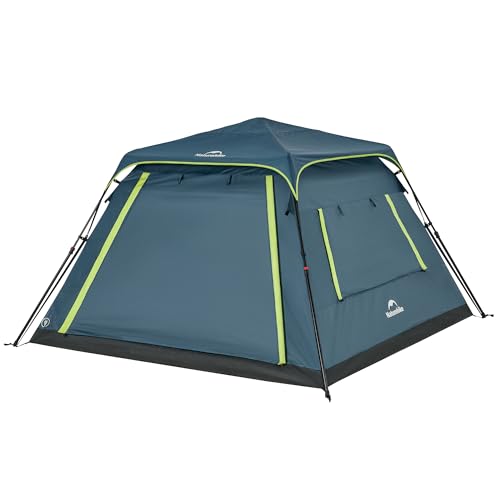
Naturehike Cape Lite Instant Cabin (4-6 Person)
Taking A Closer Look At The Options
The Kelty Late Start earns its name from late trailhead arrivals and tired legs. Quick Corner technology means the pole tips lock into reinforced corners in seconds, so even a solo hiker rolling in at dusk can pitch a taut shelter without fumbling in the dark.
Pre-bent aluminum poles lift the canopy higher than a straight-pole design, giving two sleepers usable elbow room at the head and shoulders. Compared to the car-camping cabins below, this Kelty is leaner on space but considerably lighter on your back. You’ll appreciate the waterproof poly fly (a coated fabric that sheds rain) when a front rolls through overnight.
Where It Delivers
- Quick Corner attachment cuts setup time, useful when you arrive late or face incoming weather.
- Pre-bent aluminum poles raise the ceiling, so sitting up to read or change feels natural.
- Lightweight design suits multi-day backpacking where every kilo counts.
- Poly fly coating handles steady rain without saturating the inner mesh.
Worth Noting
- Two-person rating leans optimistic; tall sleepers often find it snug with packs inside.
- Storage bag size can run tight after first packing, so owners commonly report rolling the tent rather than stuffing it.
Quick Facts
Made For
Solo backpackers and couples tackling multi-day trips who want quick pitch and low pack weight.
Skip It When
The Naturehike Village Instant Tent suits you better, since car campers with kids usually want standing height and cabin space.
The Naturehike Village trades packability for livability, and that’s exactly what a car-camping family wants. The cabin-style walls give you full standing height across the floor, so changing clothes or helping a toddler into pajamas stops feeling like a contortion exercise.
The instant-pitch frame uses pre-attached poles that unfold together, and the 150D Ti Black Technology outer is rated for serious waterproofing. Compared to the Kelty above, this is a different beast: heavier, roomier, and built for weekends at established campgrounds. UPF 12500+ on the fabric also means serious sun protection during long summer days at the lake.
Where It Helps
- Pre-attached pole structure lets two adults pitch the tent without instruction.
- Full rainfly and 150D fabric handle heavy downpours on exposed sites.
- Cabin walls add usable floor space for cots, coolers, and gear piles.
- UPF 12500+ fabric blocks harsh midday sun when shade is scarce.
Trade Offs
- Packed weight runs well above backpacking-friendly options; this is a car-camp tent only.
- Large footprint needs a level, roomy site, which can be tricky on crowded holiday weekends.
Whose Campsite It Belongs On
Families with young kids and car campers who want a real cabin feel, with room to stand and move around.
Reach For A Different Pick When
The Naturehike Cape Lite fits your crew better, since smaller groups usually don’t need a full 8-person footprint.
The Naturehike Cape is the tent you grab when setup friction has burned you one too many times. Pre-attached telescoping poles (collapsible shafts that extend and lock) let one person unfold the shelter in roughly a minute, so you spend your energy on campfires rather than instruction manuals.
Floor area on the larger size hits around 12.9 square meters, enough for a family of four plus gear. The PU3000mm coating (a polyurethane layer that resists 3000mm of water pressure before leaking) sits higher than the Village’s rating, giving an extra margin in sideways rain. Compared to the Kelty, the Cape trades weight for speed, and that trade feels right at car-camping sites.
Notable Gains
- 60-second pitch works for first-time campers and kids “helping.”
- Spacious tunnel design handles queen mattresses plus a dog bed.
- PU3000mm waterproof rating offers strong protection during heavy storms.
- Tall peak height lets adults stand through the central section.
Soft Spots
- Freestanding claim is partial; windy sites benefit from staking out vestibules.
- Fabric can feel warm in humid climates with limited mesh ventilation panels.
Best Suited To
First-time setup crews and parents who value speed over pack weight on weekend trips.
Swap It Out When
The Naturehike KOTA tent matches your needs better, since KOTA’s modular layers serve campers who travel in shoulder seasons.
The Coleman Sundome is a familiar sight at festival campsites and backyard sleepovers for good reason. Ten-minute setup with a straightforward pole layout means your crew can pitch the tent without a practice run, and the included rainfly snaps on without drama.
Dimensions land around 9 by 7 feet with a near-5-foot center height, enough for one queen air mattress and modest gear. The frame is rated to handle 35+ mph winds, which covers most summer squalls. Compared to the Naturehike Village, the Sundome feels more compact, and you give up some standing height but gain a more polished fit and finish.
Real Benefits
- Frame tested against 35+ mph winds, well above a typical summer storm.
- E-Port access lets you run an extension cord inside for charging or lights.
- Window and ground-vent combo manages condensation on humid nights.
- 10-minute setup keeps first-time campers moving.
Honest Caveats
- Center height suits sitting and crawling more than full standing.
- Rainfly coverage is good but not the heaviest spec on this list.
Feature Snapshot
Right Fit For
Festival-goers, backyard campers, and families introducing kids to overnight trips.
Look Elsewhere When
The Naturehike Cape Instant Tent fits your needs better, since you need true standing room rather than kneeling comfort.
The Naturehike KOTA earns its place here because it adapts across seasons rather than locking you into summer-only camping. The double-layer design uses an inner mesh tent paired with a separate rainfly (the outer waterproof cover), and either layer can stand alone.
In warm months you can pitch just the mesh inner for stargazing, then add the fly when weather shifts. The 75D 210T polyester shell (a midweight fabric balancing durability and weight) carries a 3000mm waterproof rating, which suits shoulder-season rain. Compared to the single-layer Sundome, this KOTA costs more and weighs more, but the modularity pays off across a full camping year.
Key Advantages
- Inner mesh and fly work independently, so you camp in fair weather with stargazing mesh and add coverage when needed.
- Vestibule and porch extensions create dry entry space for boots and packs.
- 75D fabric holds up to abrasion better than lighter denier shells.
- Four-season framing handles spring frost and fall rain on the same trip.
Practical Considerations
- Packed weight and bulk exceed summer-only options, so it’s a fair-weather car-camping shelter.
- Two-piece setup takes longer than the Cape’s instant pitch.
Spec Overview
Who Should Grab It
Year-round family campers who want one tent that flexes between summer mesh and shoulder-season storm protection.
A Better Fit Elsewhere
The Coleman Sundome works better for you, since you camp mostly in summer and prefer a lighter, simpler shelter.
The Naturehike Cape Lite sits in the sweet spot for couples and small families who don’t need an 8-person footprint. The cabin measures roughly 8.5 by 8.5 feet with a 62-inch peak, so a queen mattress drops in with a couple of inches to spare around the edges.
The instant-pitch frame works the same way as the larger Cape, pre-attached poles unfolding together. Peak height of about 62 inches gives most adults headroom for changing clothes without hunching. Compared to the bigger Village, the Cape Lite is easier to fit on smaller sites and lighter to haul from the car.
A Few Highlights
- Queen-mattress footprint fits a standard couple’s bed without squeezing.
- 62-inch peak height keeps standing comfortable for average adults.
- Pre-attached pole system lets one person finish setup in about a minute.
- Smaller packed size stows easier in compact car trunks.
Points To Note
- Limited interior room for a family of four plus gear; better as a couple’s tent.
- Single-door access can feel narrow when sharing with a partner and a pack.
Feature Rundown
Perfect Match For
Couples and small families who want instant setup without the bulk of a full 8-person cabin.
Not Your Match When
The Naturehike Village Instant Tent suits you better, since larger families need the extra standing room and capacity.
What To Weigh Before Picking Your Dome
Choosing a 2 meter dome tent comes down to honest tradeoffs between pack weight, interior space, and weather readiness. Backpackers should prioritize pole material (aluminum beats fiberglass for weight and flex resistance) and packed size, since every liter in your pack counts on multi-day routes. The Kelty Late Start fits that profile cleanly.
Car campers and families want the opposite: standing height, room for cots and coolers, and a setup that doesn’t eat the evening. Instant-pitch designs like the Naturehike Cape, Cape Lite, and Village reduce setup drama so you can start cooking sooner. Modular double-layer tents like the KOTA make sense if you camp across spring, summer, and fall rather than only July weekends.
Weatherproof ratings matter, but read them with context. PU2000mm and PU3000mm coatings refer to water pressure the fabric withstands, and both handle serious rain. For sustained storms or shoulder-season travel, the higher rating adds margin. Ventilation is the often-overlooked side of weather performance: ground vents and mesh panels (like those on the Sundome) cut condensation that otherwise soaks sleeping bags overnight.
Key Considerations Across These Picks
Where Shoppers Go Wrong
The most common slip is buying a tent rated for X people and expecting it to sleep X adults comfortably. Manufacturer ratings assume tight packing and minimal gear storage, so a “4-person” tent usually fits two adults and a dog with any real comfort. For families, sizing up one capacity bracket usually pays off.
Another trap is ignoring packed weight versus trip type. A car-camping family can absorb a heavy, roomy cabin without noticing, but a backpacker carrying the same tent will feel every kilo by mile five. Match the shelter to the trip, not the other way around.
Where The Extra Money Goes
Premium tiers in this category typically invest in stronger fabrics, better waterproof coatings, and modular designs. The Naturehike KOTA’s double-layer build lets you camp in more seasons with one shelter, which is the kind of upgrade that earns its cost over years rather than trips. Aluminum poles, heavier denier fabrics (a denier rating measures fiber thickness, and higher numbers mean tougher material), and reinforced corners add weight and bulk but extend service life for frequent campers.
For occasional festival and backyard use, those upgrades matter less. For families camping monthly or in mixed weather, the tier above entry-level usually pays back in durability and versatility.
Frequently Asked Questions
What does “2 meter dome tent” actually mean?
A 2 meter dome tent refers to the approximate diameter of the dome structure, around 6.5 feet, which sets floor area and ceiling height. It’s a useful shorthand for mid-size shelters that fit two sleepers comfortably with some gear space.
Are instant-pitch tents durable enough for regular camping?
Pre-attached pole systems handle regular family camping well, though the joints and fabric see more flex than traditional pole designs. Treat the frame gently during setup and folding, and an instant tent lasts through many seasons of weekend trips.
How important is the waterproof rating?
A PU2000mm rating or higher handles most rain you’ll encounter, and PU3000mm adds margin for sustained storms. The rating describes water pressure resistance, not absolute waterproofing, so seam sealing and proper fly tension still matter.
Can a 2 meter dome tent handle wind?
Dome shapes naturally shed wind, and most picks here, including the Coleman Sundome rated for 35+ mph, handle typical summer gusts. Stake out vestibules and guy lines (taut cords that anchor the tent to the ground) in exposed sites for added stability.
What size tent do I need for a family of four?
For real comfort with packs and gear, most families of four find a 6-person tent more livable than a 4-person rated shelter. Capacity numbers assume tight packing, so sizing up almost always improves the experience.
The Takeaway
A 2 meter dome tent earns its place when you match it to your trip style rather than chasing the biggest number on the box. Backpackers get quick pitch and low weight from the Kelty, while families gravitate toward the Naturehike Village, Cape, or Cape Lite for standing room and fast setup. The KOTA adds year-round flexibility for campers who chase shoulder seasons, and the Sundome remains a dependable pick for festivals and backyard nights. Pick the shelter that fits how you actually camp, and it’ll disappear into the background of a good trip.