
Picking a shelter for two in nasty weather comes down to real trade-offs. You need a tent that sheds rain, holds up in wind, and packs small enough for the trail or the car trunk. The shortlist below covers solo-and-duo backpacking shelters right through to large family cabins, so you can match the build to your usual campsite rather than overbuying or skimping.
Your Options, Compared
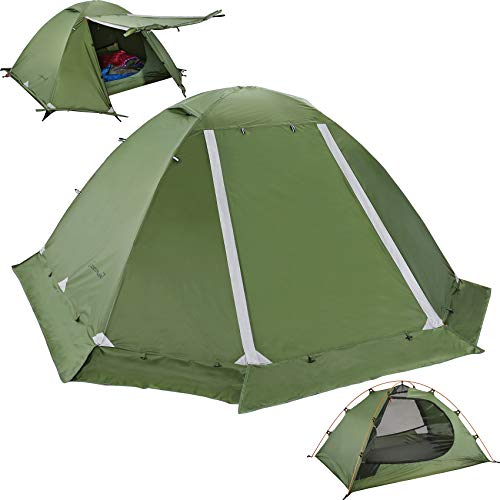
Clostnature 4 Season Backpacking Tent 1/2 Person

Naturehike Village Instant Tent 4/8 Person

BISINNA 2/4 Person Lightweight Backpacking Tent
Naturehike Cape 4/6/8 Person Instant Cabin Tent
Naturehike KOTA Double Layer Family Tent
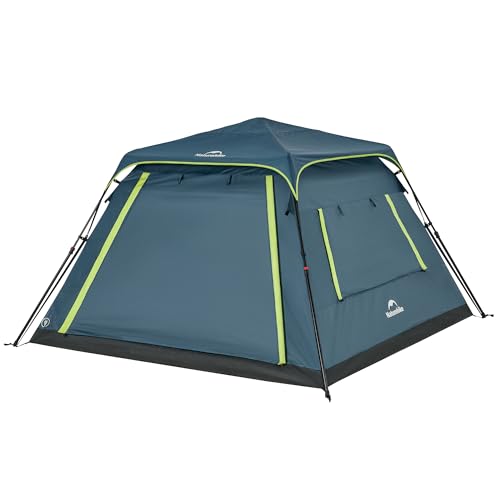
Naturehike Cape Lite 4-6 Person Instant Cabin
Why These Options Stand Out
The Clostnature is the smallest shelter on this list, and that is the whole point. It targets backpackers and bike-packers who need a true four-season shell rather than a fairweather tent with extra stakes. The factory-sealed seams and a polyester bathtub floor (a floor design where the waterproof fabric curves up at the edges to form a shallow tray, keeping ground water out) are the two details that matter when temperatures plunge and snow piles against the fly.
Unlike the larger Naturehike cabins covered below, this shelter is sized for one person plus a pack, or two people in a real squeeze. Setup is a traditional two-pole pitch, so give yourself ten minutes the first time rather than expecting a pop-up.
Reasons It Performs
- Sealed seams and a PU-coated rainfly keep rain and wet snow from sneaking through the stitching during long storms.
- Bathtub floor adds a real margin of safety on snow or saturated ground, since pooled water sits below the seam line.
- Compact packed size suits multi-day treks where every liter of pack space counts.
- Polyester build handles UV exposure on exposed alpine camps without becoming brittle after a single season.
Honest Caveats
- Two-person fit is tight, so couples should expect shoulder-to-shoulder sleeping rather than room to spread out.
- Traditional pole layout takes longer than the instant cabins later in this list, which can feel slow after a late arrival.
- Owners commonly report that the thin guy lines need reinforcement in sustained wind above 30 mph.
Made For
Solo winter campers and tight-pair backpackers who face cold, wet conditions and prioritize weight over living space.
Consider Something Else When
The Naturehike Village Instant Tent is a better match for two people who camp by car and want a standing-height cabin without the cold-weather focus.
The Village is a true cabin tent with vertical walls and a full-coverage rainfly, which puts it in a different category than the Clostnature covered above. Pre-attached telescoping poles (poles that slide outward in segments and lock at height, rather than sliding through fabric sleeves) are the headline feature: the shelter rises to standing height in roughly a minute, which removes the usual bedtime argument about who pitches while the kids get tired.
The 150D Ti Black fabric is a step up in abrasion resistance compared with the 75D and 190T materials used elsewhere in this list. For weekend car camping where you drive to the site and set up on a flat pad, the larger 8-person layout makes sense for two adults who want real furniture space.
Features That Help
- Full rainfly with PU 2000mm+ waterproof rating (a measure of how much water pressure a fabric can withstand before leaking; higher numbers mean stronger rain protection) handles sustained downpours without needing a tarp over the top.
- UPF 12500+ rating on the Ti Black fabric blocks harsh midday sun, useful for open desert or lakeside sites with little shade.
- Telescoping pre-attached poles collapse into a carry bag sized for a car trunk rather than a backpack.
- Vertical walls let two adults stand to change rather than crouch, which matters on multi-day trips.
Points To Note
- At 4 to 8 person capacity, the shelter is heavier and bulkier than the BISINNA reviewed next, so it stays parked at the trailhead.
- Larger fabric panels catch wind, so you will want to stake every guy line in exposed campsites.
- Commonly reported behavior shows that condensation can build on cool mornings, leaving the inner walls damp.
Feature Snapshot
Who It Suits Best
Two adults who car camp with a partner or family and want standing-room comfort and weather protection without learning a pole system.
Skip It When
The BISINNA is a better match for backpackers who need to carry their shelter and want to shave pounds over comfort.
The BISINNA is the budget-friendly counterweight to the Clostnature reviewed above, and it aims at warm-season backpackers rather than alpine storms. Two-person size, aluminum poles, and a 190T rainfly make the pack weight manageable on long approaches where every kilo costs energy.
Compared with the instant cabins later in this list, this tent assumes you know how to pitch a traditional shelter and you do not mind doing it. In trade, you get a pack that fits behind the seat of a small car.
Where It Helps
- Aluminum poles (7001 aluminum, a strong and lightweight alloy commonly used in tent frames) keep weight low without sacrificing stiffness in moderate wind.
- PU 2000mm rainfly holds back rain on multi-day trips where you cannot pick a dry window.
- Compact packed size fits a backpack’s side pocket or a motorcycle pannier.
- Mesh inner tent boosts airflow on hot summer nights when condensation is the bigger comfort issue.
Some Limits To Know
- Build is three-season, so winter and shoulder-storm use stretches the design past its intended envelope.
- The 2-person rating is snug for two adults with full packs, which most owners note in passing.
- Fabric is lighter than the 150D used on the Naturehike Village, so cautious handling extends service life.
Best Suited To
Thru-hikers, weekend backpackers, and budget-minded campers who carry their shelter into the backcountry in mild conditions.
Reach For A Different Pick When
The Naturehike KOTA is a better fit for couples who car camp in shoulder seasons and want double-layer weather protection plus a vestibule (a covered exterior porch area that extends the tent footprint and keeps wet boots outside the sleeping space).
The Cape sits between the Village reviewed above and the KOTA covered next, with a tunnel-style cabin shape and the same pre-attached pole promise. Where the Village focuses on family space, the Cape pushes taller peak height for adults who want to stand without ducking. The tunnel shape trades the Village’s vertical walls for a longer floor plan, which fits two cots side by side more comfortably.
For two adults sharing one tent, the 4-person Cape is often the more useful size, since the 6 and 8-person layouts really shine when you add kids or a dog.
The Case For It
- Tall peak height helps adults move around inside without stooping during multi-day stays.
- PU 3000mm waterproof coating steps up the rain resistance compared with entry-level family tents.
- Pre-attached poles reduce first-time setup mistakes, a real plus for casual campers.
- Multiple size options let you scale capacity without switching product families.
Worth Bearing In Mind
- Tunnel shape catches crosswinds more than vertical-walled cabins, so stake and guy line discipline matters in exposed sites.
- Larger sizes are heavy to haul from car to campsite, and the packed size fills most trunks.
- Owners commonly find that mesh panels, while great for ventilation, let in fine rain under hard side winds.
Quick Facts
Right Fit For
Couples who want a taller cabin for car camping and plan to grow into the larger sizes when family or friends join.
Where Another Pick Suits Better
The Naturehike Cape Lite is the better pick for small families who want a smaller footprint and simpler packing without giving up the instant-pole convenience.
The KOTA is the most modular shelter in this list. Two layers (an inner mesh tent and a separate rainfly shell) can be used together for cold weather, while the mesh inner alone works as a summer stargazing tent, and the fly alone doubles as a canopy or sun shelter at the picnic table. That flexibility puts it in a different conversation than the Cape Lite reviewed later.
Vestibules and a porch extend your covered living space beyond the footprint, which matters on wet weekends when the rain just will not stop. For two adults, the 4-person version is the right starting point.
What Works In Its Favor
- Double-layer design adapts to warm nights and shoulder-season cold without buying a second shelter.
- PU 3000mm+ waterproof rating on the 75D 210T polyester stands up to sustained rain.
- Vestibule porch creates a dry boot-changing area and a covered spot for packs.
- Three-season-to-four-season flexibility reduces the need to own multiple tents.
Trade-Offs To Consider
- Two-layer setup adds a few minutes compared with the instant cabins, especially the first time.
- Larger packed size than the Clostnature or BISINNA, so it stays with the car.
- Commonly reported wear shows on zipper flaps after heavy use, so a light hand extends life.
Feature Card
Who Should Grab It
Couples and small families who camp across multiple seasons and want one shelter that flexes from summer nights to shoulder rain.
Where A Sibling Pick Shines
The Clostnature is a better match when winter backpacking and minimum pack weight matter more than modular living space.
The Cape Lite is the simplest member of the Cape family and the one most likely to suit two adults who do not want the bulk of the larger Village. The cabin footprint is sized for a queen mattress with a comfortable margin, and the peak height clears sitting up in bed without pressing against the ceiling.
The instant-pole system mirrors the larger Cape reviewed above, so the pitch experience feels familiar if you have used a Naturehike cabin before. For couples and small families who camp a few weekends a year, this is often the right balance of comfort and pack size.
Everyday Wins
- Compact footprint fits a standard campsite pad rather than spreading across two.
- Pre-attached poles cut setup time on late Friday arrivals when daylight is fading.
- Queen-mattress-friendly floor plan suits two adults without wasted space.
- Lower packed volume than the 8-person cabins makes it easier to fit in smaller cars.
Practical Considerations
- 4-to-6-person capacity limits room for guests, so adding kids or pets pushes you toward the larger Cape.
- Waterproof rating sits below the KOTA reviewed above, so extended storms may need extra seam treatment.
- Owners commonly find that mesh-only ventilation works best in dry climates and benefits from a small fan in humid ones.
Whose Shelf It Belongs On
Couples and small families who want a low-fuss cabin tent for weekend car camping and value compact storage over maximum capacity.
Not Your Match When
The Naturehike Village Instant Tent is a better fit for two adults who want the larger standing-room cabin and stronger waterproof rating for extended wet-weather trips.
What Matters Most Before Choosing 2 Man Waterproof Tents
Match Capacity to Real Sleepers
A “two-person” rating usually means two narrow pads shoulder to shoulder with little room for packs. Couples should treat that label as a minimum, not a target. If you want room for a dog, two packs, or any elbow room, a 3 or 4-person floor plan reads much more comfortable in practice. Backpackers can ignore this advice because every ounce matters, but car campers should plan up.
Read the Waterproof Rating, Not Just “Waterproof”
A PU coating number (like PU 2000mm or PU 3000mm) describes how much water pressure the fabric withstands before leaking. Anything at PU 2000mm or above handles most rain. For sustained storms or wet climates, PU 3000mm and a factory-sealed rainfly are worth prioritizing. A “waterproof” label without a number is vague, so the rating tells the real story.
Choose Pole Type by Setup Patience
Traditional pole-and-sleeve designs pitch tighter and pack smaller, which is why the Clostnature and BISINNA work for backpackers. Pre-attached telescoping poles trade a slightly bulkier pack for a sixty-second pitch, which is why the Naturehike cabins appeal to casual campers. Pick the one that matches your tolerance for fiddling at the trailhead.
Plan for Weight and Storage
Backpacking tents stay under 7 pounds packed. Family cabins run 15 to 30 pounds and live in a car trunk. If your camping always starts from a parking lot, weight matters less and floor space matters more. If you ever carry your shelter in, weight becomes the deciding factor before anything else.
Smart Choices Across These Picks
Wrong Turns To Avoid
Buying a three-season tent and expecting it to handle alpine storms is the most common mismatch. Snow load, sustained wind, and humid cold punish lightweight mesh designs. The honest read is that the BISINNA and Cape Lite will keep you dry in summer rain but should stay home when forecasts mention snow. Read the season rating, not just the waterproof label.
Where The Extra Money Goes
Stepping up to a double-layer tent like the KOTA adds a real second skin of fabric, which means better condensation control and true cold-weather use. Higher denier counts (a denier is a unit measuring the thickness of individual fibers in fabric; higher numbers mean thicker, tougher material) like 150D on the Village mean tougher fabric that survives repeated setup. You pay for longevity and weather margin, not a brand badge.
Frequently Asked Questions
How waterproof is “waterproof” for these tents?
Waterproof ratings like PU 2000mm or PU 3000mm indicate how much water pressure the coated fabric handles. PU 2000mm covers most rain, while PU 3000mm and factory-sealed seams handle heavier storms.
Can a two-person tent fit two adults comfortably?
For backpacking models like the BISINNA, expect shoulder-to-shoulder sleeping. For car camping cabins, the larger sizes like the Naturehike Cape give a queen mattress plus living space.
Are instant-pole tents as strong as traditional pole designs?
Instant pre-attached poles pitch faster but add weight and bulk. Traditional pole tents pack smaller and can be lighter, which is why backpackers still prefer them.
Do these tents need a footprint or ground tarp?
A footprint (a custom-cut ground sheet that sits beneath the tent floor to protect it from abrasion and moisture) extends floor life on rocky ground but is optional on soft campsites. Coated floors like the Clostnature’s PU 5000mm hold up well without one on most surfaces.
What’s the difference between three-season and four-season tents?
Three-season tents use more mesh for airflow and lighter fabrics. Four-season tents add pole structure and heavier fabrics to handle snow load and wind. Match the season rating to your usual conditions.
The Takeaway
Two adults in wet weather need a shelter that matches how they actually camp: backpacking or car camping, summer or four-season, solo pair or family-with-kids. The shortlist above covers the main profiles, from the Clostnature for winter trail use to the Naturehike cabins for family weekends. Pick the design that fits your trip style, and the rest tends to fall into place.