
Two people, one tent, and a forecast that doesn’t care about your plans. A solid cold-weather shelter earns its space in your pack by trapping heat, shedding snow, and surviving wind without fighting you at the end of a long day. The right pick balances warmth, weight, and ease so you stop thinking about your tent and start thinking about the trail. This list rounds up six options that handle real shoulder-season and winter conditions, from ultralight backpacking rigs to spacious cabin-style bases for car camping.
The Picks In Brief

DEVOPS 2 Pack Men’s Thermal Turtle Neck Long Sleeve Compression Shirts

GEERTOP 2 Person Backpacking Tent, 4-Season

Naturehike Village Instant Tent 4/8 Person Cabin
Naturehike Cape 4/6/8 Person Instant Tent
Naturehike KOTA 4/6/8 Person Double Layer Tent
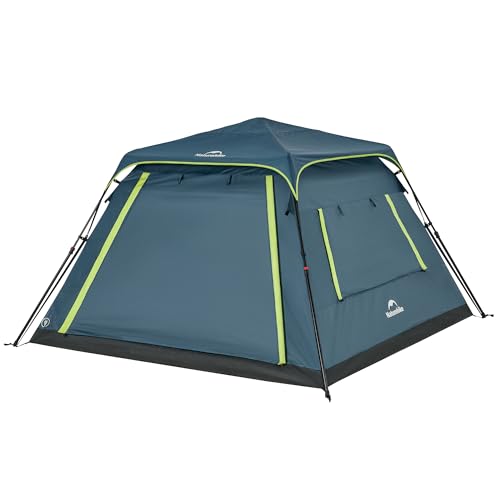
Naturehike Cape Lite 4-6 Person Cabin Tent
Meet The Standout Selections
Starting with the layer that lives against your skin, the DEVOPS thermal set earns a spot here because no shelter keeps you warm if your base layer fails. The long-sleeve compression fit hugs close, wicks moisture, and traps a thin layer of warm air right where you need it. Two shirts in a pack mean a dry rotation on a multi-day trip, which matters more than people expect on cold nights.
Worn under a mid-layer and shell, this set disappears into your kit and does the quiet work. For anyone heading into shoulder-season or winter conditions, this is the kind of foundation that makes a tent’s rating actually feel accurate.
Why It Works Well
- Compression fit holds warmth against the body without bunching under outer layers
- Turtle neck design covers the neck, a common heat-loss zone in sub-freezing temps
- Two-pack format gives you a clean shirt for night two on longer trips
- Moisture-wicking performance keeps sweat from cooling you down during setup chores
Things To Consider
- Compression cut may feel restrictive layered over a heavy fleece for larger frames
- Long-term durability on the stitching is something to watch after repeated machine washing
Made For
Campers and backpackers building a layered cold-weather system who want a reliable thermal base at a sensible cost.
Consider Something Else When
The GEERTOP 2 Person Backpacking Tent suits you better if your priority is shedding pack weight rather than upgrading your sleep system layers.
Where the DEVOPS layer handles your skin, the GEERTOP 2 Person Backpacking Tent handles everything above it. Built around a 210T ripstop polyester rainfly with a PU3000mm waterproof coating, this shelter is designed to push back against the wet snow and sideways rain that ruin three-season tents. Fully taped seams and an extended snow skirt help seal the perimeter when drifts pile up overnight.
Breathable mesh panels keep condensation from soaking your sleeping bags, which can matter more than the outside temperature at 3 a.m. For two backpackers covering miles in shoulder seasons, the low weight-to-warmth ratio is the real draw.
Benefits That Matter
- PU3000mm coating shrugs off heavy rain and wet snow during long alpine pushes
- Ripstop polyester resists small tears from branch scrapes on tight trails
- Extended snow skirt blocks drifting powder from creeping under the fly
- Mesh ventilation reduces interior condensation that chills sleepers in still air
Trade Offs
- Two-person floor area feels tight with two winter sleeping pads and gear stashed inside
- Stake and guy-line setup takes patience in frozen ground, so snow stakes are worth carrying
Key Attributes
Who It Suits Best
Two backpackers chasing shoulder-season summits or winter hut trips who want genuine 4-season protection at a manageable pack weight.
Look Elsewhere When
The Naturehike Cape 4/6/8 Person Instant Tent fits your situation better if you’re car camping and want standing headroom rather than trail-friendly weight.
Stepping away from ultralight backpacking, the Naturehike Village Instant Tent shifts the trade-off toward space and speed. Pre-attached poles and an automatic structure let two people pitch a cabin-style shelter in roughly a minute, which changes the rhythm of arrival after a long drive. The 150D Ti Black Technology Fabric with UPF 12500+ and PU 2000mm+ waterproofing handles sun, rain, and cold morning condensation in a single shell.
For winter car campers, the vertical walls mean you can change layers standing up, which sounds trivial until you’ve hunched over in a dome tent while pulling on a puffy jacket. Compare that to the GEERTOP’s low-profile geometry, and the use-case difference is obvious.
Well-Handled Touches
- 60-second setup means less time wrestling poles in the cold and dark
- Cabin walls allow standing room for changing layers in winter clothing
- 150D fabric offers meaningful UV protection for high-altitude or low-snow sun exposure
- Multiple size options accommodate two sleepers or a small family on one trip
Worth Noting
- PU2000mm waterproofing handles most rain but isn’t built for extended freezing rain events
- Bulk and packed weight make this a car-camping tent, not a backpacking option
The Right Fit
Two people car camping in shoulder-season or mild winter weather who value standing room and fast setup over trail weight.
Swap It Out When
The Naturehike KOTA 4/6/8 Person Double Layer Tent fits you better if you expect sustained sub-freezing temps and need a true modular winter shelter.
The Naturehike Cape takes the instant-setup idea and stretches it into a tunnel-style layout that feels more like a small cabin than a dome. Built around 190T polyester with a waterproof coating and PU3000mm rating, it covers the 8.3 to 12.9 square meter footprints that handle two adults plus gear, or a small family setup with a dog. The 60-second setup removes the usual tent-as-marriage-test friction on a cold evening.
Tall peak height keeps you from crawling on hands and knees to find the headlamp. Where the Village Tent focuses on cabin-style square footage, the Cape leans toward lengthwise tunnel volume that splits nicely between sleeping and storage zones.
The Case For It
- PU3000mm waterproofing handles sustained rain and wet snow on car-camping trips
- Generous floor plan creates clear sleeping and gear zones for two occupants
- Pre-attached poles remove the most error-prone part of cold-weather pitching
- Multiple size variants let you right-size the shelter to your crew
Room For Improvement
- Tunnel designs need taut guy lines to perform in high winds, so expect extra staking
- Single-wall construction can run warmer and damper than double-layer rivals
Best Suited To
Two campers who want fast setup, ample floor space, and rain-rated protection without committing to a true mountaineering shelter.
Not Your Match When
The Naturehike Cape Lite 4-6 Person Cabin Tent is a better fit if you want a more compact cabin footprint that’s easier to position on smaller campsites.
The KOTA is the most modular option in this lineup, and that’s exactly why it earns its place. Built with 75D 210T polyester and a 3000mm+ waterproof rating, the double-layer design lets you run the inner mesh tent alone in mild weather and add the full rainfly shell for cold snaps. The outer shelter can also stand alone as a canopy or sun shade, which is rare versatility at this category.
For winter basecamps, that separation matters. The mesh inner manages condensation while the fly handles wind and precipitation, and you can strip the tent down for summer nights without losing winter capability. Compared to the single-layer Cape, the KOTA trades some speed for genuine four-season adaptability.
Practical Pluses
- Double-layer construction manages condensation better than single-wall shelters in cold, still air
- Modular setup adapts to summer mesh nights and full winter coverage from one tent
- 3000mm+ waterproof rating handles extended wet weather and snow loads
- Vestibules and porch area keep wet gear and boots outside the sleep zone
Honest Caveats
- Setup takes longer than the instant Cape models since the layers are separate
- Larger packed size demands more cargo space in your vehicle
Key Attributes
Who Should Grab It
Two campers running a basecamp across multiple seasons who want one shelter that handles summer stargazing and winter snowstorms.
Reach For A Different Pick When
The GEERTOP 2 Person Backpacking Tent suits you better if you need to carry the shelter on your back rather than keep it in the car.
The Cape Lite rounds out the list as the most approachable option for new cold-weather campers. The 60-second pop-up setup removes the usual learning curve, and the cabin footprint of 101.5 by 101.5 inches fits a queen mattress with room for two people’s gear around the edges. A 62.2-inch peak height lets most adults stand comfortably to change layers.
Think of it as a friendlier entry point compared to the heavier-duty KOTA. Where the KOTA rewards serious weather with serious structure, the Cape Lite rewards simplicity with quick, predictable camping trips for two.
Standout Benefits
- Instant setup means first-timers pitch successfully without a practice run
- Queen-mat footprint comfortably sleeps two adults with gear space
- Standing-height walls simplify dressing in bulky winter layers
- Cabin-style geometry maximizes usable space versus dome alternatives
Points To Note
- Built for milder cold-weather conditions rather than full mountaineering storms
- Lighter fabric can show wear faster with frequent seasonal use
Key Attributes
Perfect Match For
Two campers new to cold-weather trips who want a forgiving, fast-pitching shelter for car-camping weekends in moderate conditions.
Where Another Pick Suits Better
The Naturehike Cape 4/6/8 Person Instant Tent fits you better if you want the same quick setup with a longer tunnel layout for separating sleep and storage zones.
Choosing The Right Shelter For Cold Nights
Picking a 2 man cold weather tent comes down to matching your trip style to the shelter’s strengths. Backpackers should weight every gram and prioritize true 4-season construction with sealed seams and snow skirts. Car campers can trade weight for headroom and instant setup. Think about how often you’ll face wet snow versus dry cold, since condensation management changes the entire sleeping experience.
Materials And Weather Ratings
Look for ripstop polyester or nylon with a PU coating rated at PU3000mm or higher for sustained wet weather. Lower ratings handle drizzle fine but fail in prolonged rain or wet snow. Taped seams are non-negotiable for any cold-weather shelter, and a snow skirt adds meaningful protection in windy, drifting conditions.
Size And Layout
Two-person ratings assume minimal gear storage. For real cold-weather trips with packs and boots, a 3 or 4-person floor plan gives breathing room. Cabin-style vertical walls let you sit up and change layers, while dome and tunnel shapes save weight and handle wind better. Match the geometry to your typical campsite and crew.
Setup And Packed Size
Instant tents save time but pack larger and heavier. Traditional pole designs compress smaller for transport but demand more setup skill. For shoulder-season trips where daylight fades early, fast setup can matter more than compact packing. For longer hikes into the backcountry, compact packing wins every time.
What To Weigh Before You Commit
Wrong Turns To Avoid
Choosing a three-season tent rated for mild weather is the most common mistake shoppers make, since most tents on the market target fair-weather use. Real cold-weather shelters have sturdier pole geometry, snow skirts, and heavier fabric. Skipping ventilation planning is another trap, because condensation in still, cold air can soak a sleeping bag from the inside.
Where The Extra Money Goes
Higher-tier models typically cost more for heavier-denier fabric, stronger pole structures, and double-layer construction that handles condensation better. Premium picks also tend to include better vestibules and more refined seam sealing. For serious winter use, the upgrade pays off in reliability. For casual shoulder-season camping, a mid-range option usually delivers everything you actually need.
Frequently Asked Questions
What Temperature Rating Should I Look For In A 2 Man Cold Weather Tent?
Most cold-weather tents don’t carry specific temperature ratings; instead, look for a 4-season designation, a snow skirt, and sealed seams. Pair the shelter with a sleeping bag rated roughly 10°F below your expected lows for safe margin.
Can I Use A 3-Season Tent In Cold Weather?
Three-season tents can handle light frost and cool nights, but they struggle with wet snow, heavy wind, and condensation in freezing temps. For real winter camping above the snow line, a 4-season design is the safer call.
How Important Is The Waterproof Rating?
The PU coating number tells you how much water pressure the fabric withstands before leaking. PU3000mm or higher handles sustained rain and wet snow comfortably, while lower ratings are fine for drizzle but risky in storms.
Do I Need A Footprint Or Ground Tarp?
A footprint protects the tent floor from abrasion and adds a moisture barrier against ground seepage. For snow camping, a ground sheet also helps with pitching on uneven or frozen ground and reduces melting snow from creeping up through the floor.
How Do I Prevent Condensation Inside The Tent?
Ventilate aggressively even in cold weather by leaving upper vents partially open. Dry gear outside the sleep area or in the vestibule when possible, since body moisture and wet clothing are the biggest condensation sources in any shelter.
Closing Remarks
The right 2 man cold weather tent matches your trip style, your climate, and your tolerance for setup time. Backpackers in real winter terrain should look hard at the GEERTOP for trail-ready 4-season protection, while car campers will find faster, roomier options across the Naturehike lineup. Layer smart, pitch well, and let the shelter do the quiet work of keeping the cold where it belongs.