
A solid four-season tent keeps two people warm through freezing nights, steady rain, and gusty ridgelines without adding pounds you’ll regret on the trail. The right shelter depends on where you pitch it: mountaineers want a bombproof dome, car campers want standing room and instant setup, and backpackers want featherweight coverage they can carry for miles. This roundup covers six capable options across those camps, each with a clear personality and a few trade-offs worth knowing before you commit.
A Closer Look At The Lineup
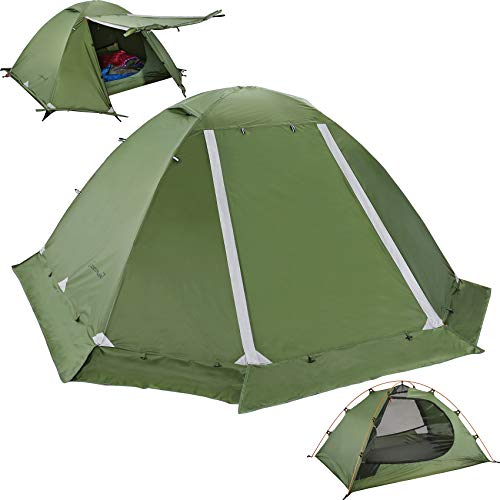
Clostnature 4 Season Backpacking Tent (1/2 Person)

Naturehike Village Instant Tent 4/8 Person

BISINNA 2/4 Person Backpacking Tent
Naturehike Cape 4/6/8 Person Instant Tent
Naturehike KOTA 4/6/8 Person Double Layer Tent
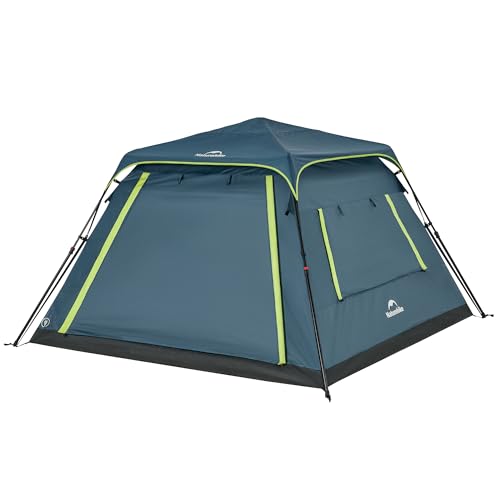
Naturehike Cape Lite 4-6 Person Instant Cabin
The Strengths Of Each Pick
This Clostnature model targets backpackers chasing sub-freezing summits without hauling expedition-grade weight. The shelter uses a polyester rainfly and a coated bathtub-style floor to keep meltwater and ground moisture from creeping inside during long winter bivies. It’s pitched as a true four-season design rather than a three-season tent with marketing padding.
You carry this one into cold, exposed terrain when a summer-grade dome simply isn’t going to hold up. Most users will find the footprint fits two people snugly, with a vestibule for boots and packs. You may find it tight for two adults plus a dog on longer trips, so plan accordingly.
What It Does Well
- Four-season construction with factory-sealed seams that keep driving rain and snow outside.
- Compact packed weight that suits multi-day treks where every gram matters.
- Bathtub floor with PU 5000 coating resists standing snow and wet ground.
- Doubles as a solo winter shelter when you’re moving fast and light.
Honest Caveats
- Two-person interior runs narrow, and a second adult plus gear feels crowded on week-long trips.
- Pole structure is lighter than expedition mountaineering tents, so extreme winds can test the geometry.
- Owners commonly recommend seam-sealing touch-ups before the first real cold outing for full confidence.
Key Specs
Who Should Grab It
Solo backpackers and tight duos heading into genuine winter weather who want lightweight coverage without expedition-grade price.
Look Elsewhere When
You need standing room and gear storage, where the Naturehike Village Instant Tent makes more sense for car camping trips.
The Naturehike Village flips the script on pitching a tent in a downpour, since pre-attached poles let you set up camp in roughly a minute. The cabin shape gives you straight walls and a high ceiling, so you can actually stand up to change clothes. The full-coverage rainfly uses a 150D Ti Black fabric for serious waterproofing on extended car-camping trips.
Where the Clostnature handles wind and snow for backpackers, this one trades portability for livable space. You pull into a campsite, pop the tent up, and spend the evening inside instead of wrestling poles. Depending on your vehicle space, the 8-person version may be overkill for couples but ideal for families.
The Upside
- True 60-second setup means less time in the rain and more time at the fire.
- Cabin-style walls create usable standing space that dome tents can’t match.
- Full rainfly with PU 2000mm+ coating handles sustained downpours.
- Available in 4-person and 8-person configurations for different crew sizes.
Trade-Offs
- Heavier and bulkier than backpacking tents, so it only suits car camping.
- Tall cabin profile catches wind in open fields, and guying out is recommended.
- Large packed size demands a roomy trunk or truck bed for transport.
Quick Facts
Made For
Families and small groups arriving by car who want a roomy shelter without the setup headaches of traditional tents.
Reach For A Different Pick When
You plan to hike into your campsite, where the BISINNA 2/4 Person Backpacking Tent keeps your pack weight manageable.
The BISINNA pitches a friendly middle ground for backpackers who don’t need full winter performance but still want a tent that handles shoulder-season rain. The inner tent uses 190T polyester taffeta paired with no-see-um mesh, while the rainfly carries a PU2000mm water-resistant coating. Aluminum 7001 poles keep packed weight reasonable for the durability they offer.
This isn’t a true four-season dome like the Clostnature, and that’s the point. It covers three-season duty plus light winter trips at a cost that won’t sting if you’re still building out your kit. You may find it roomier than expected for two adults plus gear.
Where It Excels
- Lightweight aluminum poles and modest packed size suit multi-mile approaches.
- Mesh inner tent boosts airflow on humid summer nights.
- Flexible 2-person or 4-person setup lets you size up when a friend joins.
- Honest pricing for backpackers watching their gear budget.
Points To Keep In Mind
- Not a true four-season tent, so heavy snow loads can stress the geometry.
- PU2000mm rainfly rating is decent but not as bulletproof as higher-end shelters.
- Lighter fabric tends to show wear faster after extended UV exposure.
Best Suited To
Beginner backpackers and budget-conscious duos running three-season trips with occasional shoulder-season outings.
Consider Something Else When
You face deep winter conditions, where the Clostnature 4 Season Backpacking Tent is purpose-built for cold and snow.
Like the Naturehike Village, the Cape uses pre-attached poles to skip the puzzle-piece assembly that frustrates first-time campers. The tunnel-style shape stretches longer than wide, which fits well in standard campsites and creates a comfortable sleeping zone for groups. Waterproof coating on the 190T polyester fly handles typical rainy weekends.
Compared to the KOTA, this Cape is lighter on features but faster to deploy, trading the double-layer versatility for sheer convenience. You pull into a campground after dark, pop the tent up, and you’re sleeping within minutes. Depending on your crew, the 4-person size suits couples while the 8-person handles larger families.
Benefits That Matter
- 60-second pitching takes the stress out of arrival after a long drive.
- Tunnel design offers generous length for stretching out at night.
- Multiple size options fit different group configurations.
- Pack-down is just as fast, which helps when storms hit during breakdown.
Small Caveats
- Single-wall construction in some configurations means more condensation in cool, damp weather.
- Requires staking all corners for stability, and hard ground demands extra attention.
- Less headroom than the cabin-style Village for activities like changing clothes.
Feature Snapshot
Whose Shelf It Belongs On
Weekend campers who prioritize fast setup and don’t want to deal with pole-by-pole assembly.
Swap It Out When
You need real four-season capability, where the Naturehike KOTA Double Layer Tent offers modular warmth.
The KOTA stands out in this lineup by separating the inner mesh tent from the outer rainfly, so each layer pulls its own weight. The 75D 210T polyester shell carries a PU 3000mm+ waterproof rating that handles serious weather. The inner mesh tent stands alone in summer for stargazing, while the fly alone functions as a rain or sun shelter.
Unlike the Village and Cape instant tents, this one takes longer to pitch since you’re assembling two layers. The payoff is genuine four-season flexibility for campers who run trips across the calendar. For most families, the modular design pays off the first time an unexpected front rolls through.
Noteworthy Benefits
- Double-layer construction with PU 3000mm+ outer delivers real four-season coverage.
- Mesh inner tent stands alone for warm-night ventilation and stargazing.
- Outer fly alone works as a sun canopy or group dining shelter.
- Vestibule and porch area keeps muddy boots and packs out of the sleeping zone.
Practical Considerations
- Setup takes more time and practice than the instant-style Village and Cape tents.
- Larger packed volume demands serious cargo space for transport.
- Two-layer design weighs more than single-wall alternatives.
Right Fit For
Year-round campers and families who want one shelter that adapts from summer mesh nights to winter storms.
Not Your Match When
Quick weekend getaways dominate your schedule, where the Naturehike Cape Instant Tent gets you camp-ready faster.
The Cape Lite trims the bulk of its siblings without dropping the instant-setup convenience. The cabin shape measures roughly 101.5 by 101.5 inches at the floor, accommodating a queen mattress with space to spare. A 62-inch peak height lets most campers stand comfortably inside for changing and organizing gear.
Where the KOTA leans into modularity and the Village goes maximum size, the Cape Lite lands in the practical middle. You may find it the most comfortable option for couples or small families who want cabin comfort without hauling an 8-person footprint. The trade-off is less interior volume than the larger Naturehike options.
What Pays Off
- Pop-up cabin setup removes the assembly learning curve for new campers.
- Queen-mattress-friendly floor plan suits couples transitioning from tent to cabin style.
- Near-six-foot peak height beats most dome tents for daily living comfort.
- Trimmed packed weight compared to larger 8-person cabins.
Worth Noting
- Not built for serious winter camping, so cold-season trips call for the Clostnature instead.
- Cabin walls can flex in steady wind without thorough staking.
- Limited vestibule space means wet gear ends up just inside the door.
Built With In Mind
Couples and small families who want an easy-pitch cabin for fair-weather camping and shoulder-season weekends.
A Better Fit Elsewhere
You camp in heavy winter weather, where the Naturehike KOTA Double Layer Tent handles real four-season duty.
Key Factors When Choosing 2 Man 4 Season Tents
Weight vs. Weather Protection
Backpacking forces a real trade-off between packed weight and storm-rated construction. Heavier denier fabrics (a denier measures fiber thickness, and higher numbers mean tougher material) and additional pole structure add grams that matter over multi-mile approaches. The Clostnature stays light enough for trail use while still carrying four-season credentials. The BISINNA saves weight by trimming winter performance, which works for shoulder-season trips but not deep cold.
Capacity vs. Livable Space
Manufacturer capacity labels describe tight sleeping, not comfortable living. A “2-person” tent fits two people and little else, while a “4-person” cabin gives a couple room for a queen mattress and gear. The Cape Lite and Village line translate cabin walls into standing height, which changes the entire camping experience. Match the rating to how you actually use the space, not just how many people sleep there.
Setup Speed and Style
Instant tents with pre-attached poles turn campsite arrival into a one-minute job. Traditional tents take longer but pack smaller and let you separate layers for ventilation or stargazing. The KOTA’s double-layer approach costs setup time but delivers genuine flexibility for year-round use.
Seasonal Versatility
True four-season tents use full-coverage rainflies, sealed seams, and stronger pole geometry to shed snow loads and block wind. Three-season tents handle summer and shoulder seasons with better airflow and lighter weight. Decide whether you camp in winter before paying for features you won’t use, or whether year-round flexibility justifies the extra cost and weight.
Smart Angles To Weigh Before Buying
Pitfalls Shoppers Hit
Buying by advertised capacity alone leaves most people cramped. Check floor dimensions and peak height rather than trusting the label, and remember that a 4-person cabin sleeps a couple plus gear far better than a 4-person dome. Another common slip is assuming “waterproof” ratings tell the full story; the listed hydrostatic head (a measurement of how tall a water column the fabric holds before leaking, in millimeters) describes fabric resistance, not seam performance, so factory-sealed or properly taped seams matter just as much.
Where The Extra Money Goes
Higher-tier models invest in stronger pole alloys, double-layer construction, and tougher denier fabrics that resist UV breakdown over years of use. Modular designs like the KOTA’s separate inner and outer layers justify the premium for campers who truly use the flexibility. The upgrade pays off when you camp across multiple seasons or want one shelter that lasts a decade of weekend trips. For fair-weather-only camping, that extra spend rarely earns its keep.