
Cooking outside stops being fun the moment a single burner forces you to juggle pots in sequence. A two-burner setup changes that arithmetic overnight, giving you a griddle on one side and a kettle on the other, or a full breakfast going while coffee perks beside it. This roundup covers ten current options worth a serious look, ranging from ultracilick backpacking systems to car-camping classics with full propane grunt. You’ll also find a Jetboil fuel canister, a leveling accessory, and a basecamp system that doubles as a snow-melting workhorse.
The Shortlist At A Glance

Jetboil Flash Portable Fast Boil Stove

Jetboil Stash Ultralight Camping and Backpacking Stove

Jetboil MightyMo Ultralight Camping Stove
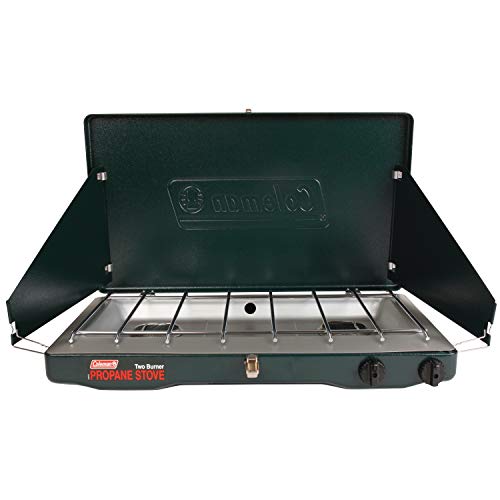
Coleman Classic Propane 2 Burner Stove

Jetboil Jetpower Fuel Canister, 450g

Jetboil HalfGen Basecamp Cooking System

Jetboil Flash 1.0L Fast Boil Stove (Ocean Topo)

MSR PocketRocket 2 Mini Stove Kit

Camp Chef Leg Levelers, 4-Pack

Jetboil Flash 1.0L Fast Boil Stove (Mountainscape)
A Closer Look At Each Pick
The Flash is the kind of stove solo backpackers tend to come back to after trying the rest. Its 1.0L FluxRing cooking cup sits directly on the burner, so heat wraps around the pot instead of escaping out the sides, which is the kind of engineering that pays off when fuel is finite and mornings are cold. A turn-and-click igniter lights things off without a lighter, and a thermochromatic heat indicator on the cup changes color as water heats, giving you a visual cue in place of guesswork.
For thru-hikers running tight resupply windows, that kind of speed compounds across a trip. Compared to the Stash you’ll see next, the Flash trades ultralight bragging rights for a more intuitive setup and slightly faster boils. You give up a bit of pack volume, but you gain a system that just works the first time you use it.
Positive Takeaways
- Rapid boil times mean less fuel burned per liter and more time walking before the next resupply
- Auto-ignition removes the need for matches, a real comfort in wet weather or at altitude
- Thermochromatic indicator tells you when water is ready without lifting the lid and losing heat
- Insulating cozy keeps contents warm after the burner shuts off, handy for freeze-dried meals
- Integrated system means no pot-finder shopping or compatibility guesswork
Trade Offs To Consider
- The cup nests tightly, so you may find cleaning around the FluxRing takes a little extra care
- Runs on Jetpower canisters, so cold-weather performance depends on the fuel blend you carry
- Single-burner focus means no real second pot for side dishes during a longer camp dinner
Made For
Solo backpackers and fastpackers who want one reliable system for boiling water and reheating freeze-dried meals.
Reach For A Different Pick When
Two-burner cooking matters, in which case the Coleman Classic Propane 2 Burner Stove becomes the obvious swap.
The Stash is Jetboil’s response to backpackers who count every gram and refuse to carry a heavier pot than necessary. The whole system weighs in around 7.1 oz, with a titanium burner and a 0.8L FluxRing cookpot that collapses into itself. That kind of spec sheet is what you reach for when your pack is already over twenty pounds and you still need a hot meal at the end of day three.
Where the Flash above prioritizes a slightly larger cup and easier first-use experience, the Stash leans into weight reduction and packability. The trade is a smaller cooking volume and a learning curve with the piezo igniter on the first cold morning. For gram-focused thru-hikers, that math still works out.
Why It Works Well
- Titanium burner keeps weight low without giving up the regulated, efficient Jetboil burn
- Compact nesting frees up room for a tent or extra layers in the same pack space
- 0.8L pot suits single-serving freeze-dried meals with no wasted water
- Stand-alone stove design lets you swap in your own pot when you want to
Small Caveats
- Smaller cup means longer meal prep if you tend to cook for two
- Titanium components feel thin and deserve careful handling on rocky terrain
- Piezo igniter can need a few extra clicks in cold or windy conditions
Whose Shelf It Belongs On
Long-distance backpackers and fastpackers chasing low base weight without giving up the Jetboil ecosystem.
Swap It Out When
You’d rather eat from a real pot and bowl, which is where the MSR PocketRocket 2 Mini Stove Kit earns its place.
The MightyMo breaks from Jetboil’s sealed-system pattern with an open platform that accepts a real skillet or pot. A rolling boil lands in roughly three minutes, reportedly using about half the fuel of traditional camping stoves. That efficiency matters on long trips where every canister adds weight.
The four-turn regulator sets the MightyMo apart from simpler one-button boil-only burners. You can dial down to a genuine simmer for sauces or greens without the flame cycling on and off. Compared to the Flash and Stash, this is the pick for campers who want to cook, not just rehydrate.
Noteworthy Benefits
- Incremental flame control opens up real recipes, from sautéed vegetables to pan-fried fish
- Reduced fuel consumption stretches a 100g canister across more meals per trip
- Open platform works with most backcountry pots, pans, and even small Dutch ovens
- Lightweight body keeps the cooking capability from punishing your pack weight
Honest Caveats
- Open design is more wind-sensitive than the FluxRing sealed cup on the Flash above
- You supply your own pot, which adds an extra planning step for first-time owners
- Wide footprint can be awkward on small picnic tables or rocky tent platforms
Feature Snapshot
Best Suited To
Camp cooks who want real meal capability and willing to pair the burner with a separate pot or pan.
A Better Fit Elsewhere
Boil-only adventurers should stay with the Jetboil Flash Portable Fast Boil Stove for a tighter, simpler system.
Coleman’s Classic is the long-running two-burner car-camping workhorse, and the geometry shows it. The 4.1 x 21.9 x 13.7-inch body fits a 12-inch and a 10-inch pan at the same time, which is the kind of real-world detail that matters when you’re feeding four people breakfast before a day on the water. Up to 20,000 total BTUs across both burners gives you honest heat for cast iron.
The two adjustable burners let you run a simmer on one side and a sear on the other. Compared to the Jetboil systems above, this is heavier, fuel-hungrier, and absolutely meant for a picnic table rather than a backpack. Wind-blocking panels and a pressure regulator round out the build for stability in real conditions.
Practical Pluses
- Two independent burners let you run a full meal course instead of sequential pots
- Pressure regulator keeps flame output steady as the propane cylinder drains
- Wind-blocking panels reduce flame blowout on breezy campsites
- Wide cooking surface fits family-sized pans without crowding the flame
- Standard 16.4 oz propane cylinder gives roughly an hour on high
Worth Noting
- Bulk and weight rule it out for backpacking and most canoe-tripping situations
- Propane cylinder sold separately, so first-time owners face an extra purchase
- Coated steel body benefits from a dry bag or shelter in rainy cook sessions
Spec Overview
Right Fit For
Family campers, tailgaters, and anyone cooking for a group from a car or RV with space to spare.
Consider Something Else When
Backcountry travel is the priority, in which case the MSR PocketRocket 2 Mini Stove Kit weighs far less and packs smaller.
Fuel is the unglamorous half of any stove system, and the Jetpower 450g canister is the canister every Jetboil owner ends up buying. The propane/isobutane blend runs at a higher vapor pressure than standard mixes, which keeps the flame consistent when temperatures drop. That’s the kind of detail you only appreciate the first time your canister sputters out at 20°F.
The 450g size lands between weekender and thru-hike territory. It’s enough fuel for several mornings of coffee and dinner boils without dragging extra weight. Compared to the Coleman above, this is fuel only, not a stove, but pairing it with any of the Jetboil systems on this list is what makes the full setup click.
Bright Spots
- Higher vapor pressure keeps burners firing in shoulder-season cold
- Standard threaded fitting works across the Jetboil product line
- Stack-friendly cylinder shape simplifies packing and transport
- Larger 450g size reduces the number of resupply stops on longer trips
Things To Consider
- Never refuel a hot or burning device, since the blend is highly flammable
- Canisters are one-time-use; expect to recycle steel between trips
- Airline restrictions on fuel canisters complicate some travel resupply plans
Who Will Love This
Jetboil owners planning multi-day trips who want one canister that covers the whole window.
Look Elsewhere When
You run a non-Jetboil system with a different thread, since this canister fits only compatible burners.
The HalfGen is where Jetboil stops thinking about trail weight and starts thinking about basecamp meals. A 10,000 BTU heating element boils water in just over three minutes, which is fast enough to make it useful for melting snow or cooking for several campers at once. Where the Coleman above is a flat tabletop, the HalfGen is a freestanding tower with real heat behind it.
The proprietary regulator dials in incremental adjustments for actual simmering and sautéing. You can run it as a standalone stove or pair it with other Jet Link-compatible units to build out a multi-burner setup. For winter campers or large family sites, that’s a flexible starting point.
What Earns Its Place
- 10,000 BTU output handles snow-melting and large-volume cooking
- Jet Link compatibility lets you expand into a full outdoor range over time
- Incremental flame control supports real recipes beyond plain boiling
- Sturdy freestanding base handles full-size cookware on uneven ground
Points To Keep In Mind
- Heavier and bulkier than any of the backpacking-focused picks above
- Higher BTU output burns through fuel faster on extended trips
- Best paired with a stable camp table or platform for comfortable cooking
Perfect Match For
Group campers, winter trippers, and anyone needing a basecamp stove for snow-melting or larger meal prep.
Not Your Match When
You’re heading into the backcountry, since the Jetboil Flash Portable Fast Boil Stove covers solo trips at a fraction of the weight.
This is the Flash you saw at pick 1 in a coastal colorway, and the function is identical. A half-turn counterclockwise ignites the burner, no matches required, and water boils in roughly two minutes for two cups of coffee or a single-serving dehydrated meal. The Ocean Topo finish is a quiet nod to kayak campers and shoreline backpackers who like their kit to match the water.
Underneath the new graphics, the spec sheet matches the standard Flash, so this is a styling choice more than a feature upgrade. Compared to the Mountainscape version at pick 10, the only real difference is the cup artwork. Pick the one that fits your taste and call it good.
Notable Gains
- Two-minute boil times for fast coffee or meal prep on cold mornings
- Auto-ignition system removes the need for a backup lighter in damp conditions
- Insulated FluxRing cup retains heat for longer sipping and eating windows
- Coastal graphics stand out from the usual black-and-silver trail kit
Where It May Fall Short
- Same weight and pack size as the standard Flash, so no functional reason to swap
- Light-colored graphics show scuffs and dirt more visibly over time
- Runs on Jetpower canisters only, limiting flexibility in remote regions
Who Should Grab It
Solo backpackers who want the Flash platform with a finish that suits a coastal or lake-side camping style.
Another Choice May Suit
Alpine aesthetics matter more than coastal, in which case the Jetboil Flash 1.0L Mountainscape version at pick 10 fits the bill.
The PocketRocket 2 kit is the answer to the question “what do I buy when I want one box with everything in it?” The bundle pairs a PocketRocket 2 burner with a 0.75L hard-anodized aluminum pot, a 16 oz bowl, a lid with straining ports, and a mini pot lifter. A liter of water boils in roughly 3.5 minutes, which is slower than the Jetboil systems above but still fast enough for most trail mornings.
What you give up in raw boil speed, you make back in flexibility. The included bowl is hot- and cold-safe, so you can eat directly from it without burning your fingers. For backpackers who want a single, complete kit instead of mixing and matching components, this is the easier path.
Where It Helps
- All-in-one kit removes the research step of picking compatible pots and bowls
- Pot doubles as an eating and drinking vessel thanks to the insulated grip
- Lid with straining ports makes pasta water and rice prep easier
- Compact folding burner slips into the pot for a tidy pack shape
Factors To Consider
- Slower boil time means slightly more fuel use over a long trip
- No integrated igniter, so you’ll want a backup lighter in the kit
- Open flame design benefits from a windscreen in exposed campsites
Feature Rundown
Built With In Mind
Minimalist backpackers who want a complete cook-and-eat kit in one purchase with no compatibility guesswork.
Where Another Pick Suits Better
Faster boils are critical, since the Jetboil Flash Portable Fast Boil Stove cuts the wait noticeably on cold mornings.
Leg levelers aren’t a stove, but they fix the problem every cook hits on uneven ground: oil sliding to one side of the pan. Each unit adjusts up to 2.5 inches, which is enough range to handle most sloped campsites and gravel tent platforms. The threaded design simply inserts into the bottom of most stove legs, no tools required.
The 4-pack format matches a standard four-leg stove or table setup, which covers the Coleman Classic at pick 4 and similar basecamp units. Compared to wedging cardboard or rocks under stove legs, levelers give you a stable platform that doesn’t shift mid-cook.
Where It Delivers
- 2.5-inch adjustment range handles most campsite slopes and rocky ground
- Tool-free installation means setup stays fast at the end of a long drive
- Self-cleaning threaded design holds up through repeated field use
- Compact size slips into a camp kitchen bin without taking meaningful space
A Few Limitations
- Limited to stoves or tables with compatible leg diameters
- Plastic construction can scuff on rough asphalt and gravel sites
- Won’t help if your stove sits on a soft surface that sinks unevenly
The Right Fit
Campers cooking on sloped or rocky ground where stability matters for safety and even heat.
Skip It When
Your stove runs off a flat picnic table at a developed campground, since most paved sites are already level.
The Mountainscape Flash closes the list the same way the standard Flash at pick 1 opened it: a two-minute boil, a one-step igniter, and a 1.0L FluxRing cup that earns its keep on cold mornings. The alpine-themed graphics are the only real change versus the standard model, which makes this a personal-style choice rather than a functional upgrade.
Functionally, it behaves identically to the Ocean Topo at pick 7, so the deciding factor is the cup finish. For thru-hikers logging high-mileage three-season trips, that’s the kind of low-stakes decision that lets you match your kit to your routes.
What Works In Its Favor
- Half-turn auto-ignition works reliably in damp trail conditions
- Two-minute boil times keep fuel consumption low per cup
- Insulated cozy helps freeze-dried meals stay warm after cooking
- Compact nesting leaves space for shelter and sleep system in your pack
Trade-Offs To Consider
- No functional difference from the standard Flash or Ocean Topo variants
- Single burner means no two-pot dinners at the end of a long day
- Color variation makes replacement parts trickier to source than a black model
Best Suited To
Three-season trail campers who want a fast, dependable boil-only system with alpine-themed styling.
A Better Fit Elsewhere
Real cooking with simmer control matters, in which case the Jetboil MightyMo Ultralight Camping Stove is the better tool.
What Matters Most Before Choosing Your Stove
Matching a stove to your trip style matters more than chasing specs. Backpackers should weigh the system weight, including canister, against their pack capacity. Car campers need to think about cooktop real estate and BTU output for cast iron. Weekend warriors usually sit somewhere in between and benefit from a system that travels light but still handles a hot breakfast.
Fuel type is the next big fork. Isobutane/propane blends run cleaner and perform better in cold weather than butane-only canisters. Liquid fuel stoves handle winter and high altitude better but add pump maintenance. For most three-season users, a Jetpower-style canister gives the best balance of simplicity and cold-weather performance.
Burner control separates boil-only systems from real cooking platforms. A sealed cup like the Jetboil Flash optimizes heat transfer for water but limits what you can actually cook. An open platform like the MightyMo or HalfGen trades some efficiency for the ability to simmer sauces, sear proteins, or melt snow. Pick the system that matches the meals you actually plan to make.
Key Considerations Across These Picks
Wrong Turns To Avoid
The most common mistake is buying a backpacking stove for car camping because it looked compact online. A single-burner unit quickly becomes frustrating when feeding more than one or two people. On the other hand, dragging a 20,000 BTU two-burner onto a trail is a guaranteed way to hate your pack by mile five. Match the stove’s intended use to your real-world trip profile.
The second trap is ignoring fuel availability. Jetboil, MSR, and Coleman all use different canister threads or entirely different fuel formats, and not every outdoor shop stocks every type. Stick with a fuel system you can reliably resupply along your planned route, or carry a backup option.
Where The Extra Money Goes
Higher-tier models pay for tighter manufacturing tolerances, better materials, and engineered fuel efficiency. A premium burner can shave minutes off boil times and grams off fuel weight across a season, which adds up fast on long trips. You also tend to get better regulators, which means real simmer control instead of on-off cycling.
The trade-off is real cost upfront. For casual weekend campers, a mid-tier option like the MSR PocketRocket 2 Mini Stove Kit covers nearly everything without the premium price. For thru-hikers and frequent users, the efficiency gains on higher-end Jetboil systems often justify the extra spend over a few seasons of use.
Frequently Asked Questions
Are two-burner camping stoves worth the extra weight?
Two-burner stoves earn their weight when you’re cooking for more than one person, working with cast iron, or making real meals that need simultaneous pans. Solo backpackers usually get more value from a fast single-burner system, where boil time and fuel efficiency matter more than a second flame.
Can you use a two-burner camping stove indoors?
Most two-burner camp stoves are designed for outdoor use only, since propane combustion produces carbon monoxide. Ventilation matters even in a garage or open-sided shelter, and many manufacturers explicitly warn against indoor use. Treat any enclosed space the same way you would a heater or generator.
How long does a propane canister last on a camping stove?
Run time depends heavily on flame setting, weather, and stove efficiency. A 16.4 oz propane cylinder on the Coleman Classic delivers roughly an hour at high output, while a 100g Jetpower canister boils around 12 liters before emptying. Wind, altitude, and how often you simmer instead of full-blast all shift that number.
What’s the difference between a backpacking stove and a camping stove?
Backpacking stoves prioritize low weight, small pack size, and fuel efficiency for one or two campers over multi-day trips. Camping stoves trade weight for higher BTU output, larger cooking surfaces, and the ability to run multiple pans. The dividing line is usually a combination of trip length, party size, and how far you carry your kit from the vehicle.
Do I need to buy fuel separately from the stove?
Nearly every stove system ships without fuel, so plan on a separate canister purchase. Jetboil systems use threaded Jetpower canisters, the MSR PocketRocket 2 uses standard isobutane canisters with the same fitting, and the Coleman Classic uses a 1 lb propane camping cylinder. Buy fuel at the same time you buy the stove to avoid a frustrating first trip.
Closing Remarks
The right two-burner camping stove is the one that matches how you actually use it, whether that means a fast solo boil in the alpine or a full breakfast for four from the back of the SUV. Use this shortlist as a starting point, then weigh weight, fuel type, and cooking style against your own trips. The rest is just logistics and good coffee.