
Cooking outdoors usually comes down to space, fuel, and how fast you want dinner on the table. Two burner camp stoves solve the bottleneck of single-burner cooking, letting you boil water while a skillet simmers, which matters most for families, basecamp cooks, and tailgaters who treat mealtime like a real task. The six options below cover the full spread, from backpacking fuel canisters to cast-iron high BTU burners built for crawfish boils, so you can match the tool to your trip.
A Fast Comparison Of The Options

Pipopa 2 Burner Propane Camp Stove 150,000 BTU
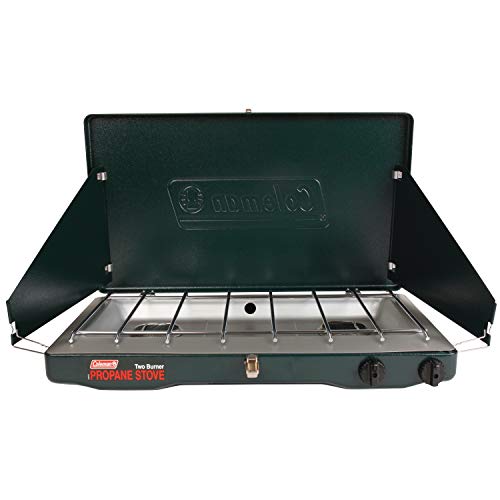
Coleman Classic Propane 2 Burner Camp Stove

Jetboil JetPower Fuel Canister 100g (4-Pack)
Bestfire 26,000 BTU Single Propane Burner

Pipopa 3 Burner Propane Camp Stove 225,000 BTU

BESTFIRE 100,000 BTU Propane Burner with Heat Shield
The Strengths Of Each Pick
Pulling into a basecamp with a crowd to feed, you want two burners that hit hard and fast. The Pipopa 2 Burner Propane Camp Stove pushes 150,000 BTU total across two heads, enough to bring a full kettle and a cast-iron pan up to temperature at the same time without either side slowing down. Compared to the compact Coleman Classic later in this list, this one feels more like a portable outdoor kitchen than a backpacking tool, and it shows in the frame weight and overall footprint.
For anyone running a deer camp, tailgate, or family reunion site where meals run back-to-back, the dual 75,000 BTU outputs make short work of large-volume cooking. You can sear on one burner while a stockpot simmers on the other, and the included dust cover helps keep grit out of the burners between meals.
Real Benefits
- Two 75,000 BTU burners handle two big pots simultaneously without flame sag
- Total 150,000 BTU output suits large basecamp meals for groups
- Included dust cover shields the cooking surface between uses, useful for sandy or dusty sites
- High-pressure design keeps flame steady in breezy conditions
Points To Note
- Total footprint and weight are substantial, meaning car camping rather than backpacking
- Propane tank and hose sold separately, adding to setup cost
- Requires a flat, stable surface at camp for safe two-pan cooking
Whose Trailer It Belongs On
Group cooks and basecamp hosts who prioritize fast, simultaneous meals over pack size.
Look Elsewhere When
Solo backpackers should consider the Jetboil JetPower Fuel for its packability instead.
The Coleman Classic Propane 2 Burner Camp Stove has been the family camping default for decades, and the design still earns its reputation. Two adjustable burners produce up to 20,000 total BTU, which is modest compared with the Pipopa above but plenty for a 12-inch and 10-inch pan running side by side at a typical campsite. Wind-blocking panels on both sides of the cooking surface keep gusts from stealing your flame, a small detail that matters more than raw BTU on a breezy ridge.
For most families, this is the sweet spot of price, weight, and usability. Setup is genuinely tool-free, the built-in pressure regulator smooths out cold mornings, and a 16.4 oz propane cylinder can run about an hour on high, depending on flame setting and ambient temperature.
Well-Handled Touches
- Built-in wind panels protect both burners from crosswinds at exposed sites
- Pressure regulator maintains consistent flame output in cold or variable weather
- Spacious cooking surface fits a 12-inch and 10-inch pan simultaneously
- Compact fold and carry design stores easily in a car trunk
Honest Caveats
- Total 20,000 BTU is gentle, meaning longer boil times for large pasta pots
- Propane cylinder sold separately, so first-time setup requires an extra purchase
Key Product Details
Right Fit For
Family campers and weekend road-trippers who want a reliable, easy-to-use two burner setup.
Reach For A Different Pick When
Large-group basecamps needing higher output will find the Pipopa 2 Burner Propane Camp Stove 150,000 BTU a stronger match.
Fuel is the part of camp cooking nobody talks about until the canister runs dry at the worst moment. The Jetboil JetPower Fuel 100g four-pack addresses that problem for backpackers and alpine travelers who depend on a propane/isobutane blend that keeps vapor pressure high in cold weather. Each 100-gram canister packs down small enough to fit alongside a Jetboil stove in a side pocket, and the four-pack format means you can plan a multi-day trip without rationing boils.
One safety note matters with any pressurized fuel: never attach or remove a canister from a hot or actively burning stove, since the safety risk is real. Treat every swap as a cool-down moment, and these canisters perform reliably from shoulder-season evenings into winter.
Real-World Strengths
- Four-season propane/isobutane blend holds vapor pressure in cold conditions
- 100g canister size is the standard for Jetboil systems and similar integrated stoves
- Four-pack format covers multi-day trips with reserve capacity
- Lightweight, low-profile shape slides into backpack lids
Trade-Offs To Consider
- Threaded valve only fits compatible stoves, not standard propane appliances
- Small 100g capacity means shorter runtime than 1 lb bulk tanks for car camping
Made For
Backpackers and four-season campers running a Jetboil or similar canister-mount stove.
Where Another Pick Suits Better
Car campers using bulk propane should consider the Bestfire 26,000 BTU Single Propane Burner instead.
A single high-pressure burner covers more cooking than most people expect, especially when the flame throws 26,000 BTU straight up the pot wall. The Bestfire High Pressure Propane Burner is built around that idea, a single flame head with a 4.1-foot hose and a 0 to 20 PSI adjustable regulator that lets you dial in anything from a low simmer to a rolling boil. Where the Coleman Classic is a self-contained tabletop unit, this one is more like a stockpot workhorse for outdoor kitchens and tailgate setups.
The included regulator matters because it gives you meaningful control over flame size, and the high-pressure design keeps the flame steady in wind. If your cooking style centers on one big pot rather than two parallel pans, this is a focused tool rather than a compromise.
Everyday Advantages
- 26,000 BTU under a single head handles tall stockpots and fish fryers
- Adjustable 0 to 20 PSI regulator allows precise flame control for simmering or boiling
- 4.1-foot hose keeps the propane tank safely away from the flame
- Compact single-burner footprint fits on tailgates and picnic tables
Points To Keep In Mind
- Single burner means no parallel cooking without a second unit
- Standalone frame design needs a stable, heat-safe surface beneath it
Feature Snapshot
Who It Suits Best
Solo cooks and small teams that cook one large pot meal at a time, such as chili, crawfish, or soup.
Swap It Out When
Anyone running two parallel pans should choose the Coleman Classic Propane 2 Burner Camp Stove instead.
Three burners change the math at big family cookouts, because you can finally run a main, a side, and a sauce at the same time without juggling. The Pipopa 3 Burner Propane Camp Stove pushes 225,000 BTU total across three 75,000 BTU heads, which is genuinely hot hardware compared to the Coleman Classic earlier. The package ships with two-sided foldable side shelves, a three-sided windscreen, a 600D Oxford waterproof cover, dual folding handles, and a CSA-certified 20 PSI regulator, meaning most of the annoying extras are already in the box.
The CSA-certified regulator (CSA is an independent safety certification standard recognized across North America) is worth flagging because high-pressure propane hardware benefits from certified components. Realistically, this is the stove to consider for a full outdoor kitchen feel, not a quick weekend trip.
Everyday Wins
- Three 75,000 BTU burners run a full meal lineup without waiting
- Included side shelves give you prep space next to the burners
- Three-sided windscreen keeps flame stable in gusty conditions
- CSA-certified 20 PSI regulator adds a layer of safety credibility
Worth Bearing In Mind
- Largest footprint on this list, meaning serious trunk or truck-bed space
- Higher BTU draw consumes propane faster than smaller stoves
- Propane tank sold separately
Quick Facts
Best Suited To
Large-family cooks, event volunteers, and tailgate hosts running three-pan meal service.
A Better Fit Elsewhere When
Small crews cooking for two should consider the Pipopa 2 Burner Propane Camp Stove 150,000 BTU instead.
A seafood boil or turkey fry pushes a stove into territory most camp stoves cannot touch, and the BESTFIRE 100,000 BTU Propane Burner is built for exactly that. The cast-iron body holds up to repeated high-BTU sessions, and the upgraded heat shield directs flame upward while protecting the hose connection from melt damage, a real concern on long cooks. Compared to the smaller Bestfire single burner earlier, this one trades compactness for serious output and a more thoughtful safety setup.
For anyone running crawfish, lobster boils, or whole-hog projects, the elevated front shield and bottom heat shield work together to keep heat where it belongs. You still want a stable, non-combustible base, but the shielding reduces the chance of accidental flame spillover during long outdoor sessions.
Where It Delivers
- 100,000 BTU handles crawfish boils, turkey fryers, and large stock pots
- Cast-iron construction supports heavy-duty repeated use
- Upgraded front and bottom heat shields protect the hose from heat damage
- Elevated flame shield keeps heat directed upward at the pot
Less Ideal Details
- Single burner design means no parallel cooking
- Heavy cast-iron build is less portable than aluminum camp stoves
- Requires a CSA-rated propane setup and stable footing for safe use
Perfect Match For
Outdoor cooks running seafood boils, turkey fries, or other high-BTU specialty projects.
Consider Something Else When
General family campers should consider the Coleman Classic Propane 2 Burner Camp Stove instead.
Picking The Right Stove For Your Camp Style
Two burner camp stoves range from compact tabletop units to full outdoor kitchens, so the right pick depends on how and where you cook most.
Match The Output To Your Menu. BTU ratings, a measure of how much heat a burner produces per hour, tell you how fast a stove can boil water or sear meat, but higher numbers aren’t always better. Family car campers usually do fine at 20,000 total BTU, while boil-and-fry cooks benefit from 26,000 BTU or more per burner.
Think About Fuel Logistics. Bulk propane tanks (the standard 1 lb camping cylinder or larger) suit car campers, and most stoves on this list use that system. The Jetboil JetPower Fuel 100g canisters serve backpackers who need a lightweight propane/isobutane blend that performs in cold weather, but they only fit compatible stoves.
Consider Footprint And Wind Protection. Side wind panels, like those on the Coleman Classic, make a real difference at breezy campsites where flame stability is the difference between dinner and a half-cooked skillet. Larger stoves such as the Pipopa 3 Burner include three-sided windscreens for the same reason.
Check The Extras. Foldable side shelves, regulator quality, and included covers add real value. A CSA-certified regulator, for example, signals that an independent safety body has reviewed the pressure control hardware, which is meaningful on higher-BTU gear.
Key Considerations Across These Picks
Pitfalls Shoppers Hit
A common miss is buying the highest BTU stove and overlooking fuel cost, since 225,000 BTU burners drink propane far faster than a 20,000 BTU unit. Another slip is ignoring hose and regulator quality, especially on high-BTU units where a poor regulator can affect flame control. Finally, shoppers sometimes skip checking whether a stove ships with a regulator, since many standalone burners do not, and a separate purchase is required to actually run them.
Where The Extra Money Goes
Higher-tier camp stoves typically cost more because of heavier materials like cast-iron frames, certified regulators, and included accessories such as windscreens and covers. The upgrade pays off for cooks who run long sessions or large-volume meals, since better heat shielding protects the hose and components from heat damage over time. For casual weekend campers, a simpler two burner model often hits the same cooking outcomes without the extra hardware.
Frequently Asked Questions
How many BTU do I need in a 2 burner camp stove? Most family campers do well with around 20,000 total BTU, while group cooks and seafood boils benefit from 75,000 BTU per burner or more. Match the output to your largest typical pot, not your average meal.
Can I use a 2 burner camp stove indoors? No, propane camp stoves should only be used outdoors or in well-ventilated spaces, since combustion produces carbon monoxide. Even with a door open, indoor use is unsafe.
Do these stoves work with standard propane tanks? Most stoves on this list use standard 1 lb camping propane cylinders or larger bulk tanks via an included or separate regulator. The exception is Jetboil JetPower Fuel 100g, which only fits compatible canister stoves.
How do I clean a camp stove after cooking? Let the stove cool fully, then wipe the burners and frame with a damp cloth, and clear debris from burner ports with a small brush. Cover the stove between trips to keep dust and insects out of the gas paths.
What is a CSA-certified regulator? CSA is an independent safety certification standard recognized across North America, and a CSA-certified regulator has been tested for pressure control and reliability. It is especially worth having on high-BTU gear where regulator failure carries more risk.
Bottom Line
Two burner camp stoves split into two camps: portable tabletop units like the Coleman Classic that handle family meals, and high-BTU standalone burners like the BESTFIRE 100,000 BTU that handle boils and fries. Backpackers should consider the Jetboil JetPower Fuel 100g for canister compatibility, and large-group cooks should look at the Pipopa three-burner setup for parallel cooking power. Pick the tool that matches your largest pot, your fuel plan, and your parking spot, and the rest of mealtime tends to take care of itself.