
High magnification binos open up distant ridges, far-off waterfowl, and stadium press boxes in ways standard 8x or 10x glass simply cannot. The trade-off is real: heavier bodies, more handshake, and a narrower field of view that demands steadier technique. This roundup walks through nine current options worth a look, from premium hunting optics to budget-friendly travel pairs, so you can match magnification to the way you actually use them.
How The Shortlist Stacks Up

Vortex Diamondback HD 15×56 Binoculars

Pankoo 20×55 Binoculars for Adults High Powered

Pankoo 20×55 Binoculars with Phone Adapter
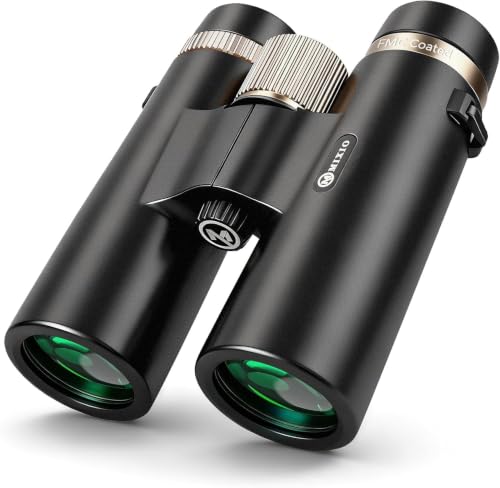
12×42 Binoculars for Adults High Powered

10×42 Binoculars for Adults High Powered

Pankoo 20×55 Waterproof Binoculars

15×56 Monocular Telescope High Definition

Aurosports 15×56 Binoculars Cruise Ship Bird

SWAROVSKI Optik SLC 15×56 Binoculars HD
More Details On Our Top Picks
Western hunters scanning open basins for elk or muleys know the frustration of trying to read a bedded animal a mile out through glass that lacks reach. The Diamondback HD lands squarely in that scenario, pairing 15x magnification with 56mm objective lenses so distant game resolves with enough clarity to pick apart body shape and antler points.
Fully multi-coated optics (multiple anti-reflective layers on every glass surface) keep light transmission high during the flat light of first and last shooting hours. A tripod adapter is included in the box, which matters more than newcomers expect: at 15x, hand-shake becomes a serious problem after a few minutes of glassing.
The Helpful Details
- 15x magnification pulls distant ridges into readable detail for spotting big game at long range
- 56mm objectives gather enough light for credible dawn and dusk performance
- Fully multi-coated lenses lift overall brightness and contrast in low-angle lighting
- Included tripod adapter means you can steady the view on a pack-friendly tripod without buying extra hardware
- Glass built for the kind of slow, methodical scanning hunters actually do on a glassing knob
Trade-Offs To Consider
- At 15x, handheld use causes shake within a minute or two for most users
- Body weight climbs with the larger 56mm objectives, so pack carry gets tiring on long hikes
- Narrower field of view at 15x makes tracking moving birds or quick game frustrating
Key Product Details
Right Fit For
Hunters working open western terrain who already plan to glass from a tripod or vehicle window.
Where Another Pick Suits Better
Backpackers prioritizing weight should look at the M MIXIO 10×42 instead, since lower magnification cuts both bulk and handshake.
Birders chasing warblers in heavy canopy or scanning distant raptors know that mid-morning sun can flatten a view fast. The 20×55 Pankoo pushes past 15x for those who want extra reach and pairs it with 56mm objectives that soak up the available light, which makes the difference between a sharp silhouette and a flat blob at first light.
Where the Diamondback leans toward tripod use, this one targets the casual crowd who wants raw power without a mounting setup. That tradeoff matters: 20x magnification magnifies handshake more than 15x, so steadying technique or resting on a fence rail becomes the default.
Where It Excels
- 20x magnification reaches further than the 15x models on this list, useful for distant landscapes and stadium-style viewing
- 56mm objectives help maintain brightness when light is fading
- Waterproof construction means light rain and mist won’t end your outing
- Comfortable eye relief for users who wear glasses
Points To Keep In Mind
- At 20x, even small tremors break the image, so a tripod or brace helps a lot
- Field of view narrows at higher magnification, so tracking moving subjects becomes harder
- Body weight is meaningful for all-day carry on a hike
Who Should Grab It
Birders and casual viewers who value maximum reach over handheld steadiness and shoot mostly in marginal light.
Consider Something Else When
Travelers on long cruises benefit more from the wider field of view on the M MIXIO 12×42 since subjects are closer and tracking matters more.
Backyard birders and nature photographers often want a record of what they saw through the optic, not just the memory. This Pankoo ships with a phone adapter that clamps onto the eyepiece, letting you line up your phone camera for shareable stills and clips of distant wildlife without buying a separate digiscoping kit.
The 55mm objective lenses and BAK4 prism glass (a high-density optical glass that delivers brighter, sharper images than standard prisms) help the image stay clean when you’re trying to focus a camera through the eyepiece. The 20x reach fills a phone frame with subjects that would otherwise look tiny through a phone lens alone.
Well-Handled Touches
- Included phone adapter removes the usual barrier between optics and smartphone cameras
- 20x magnification produces fills-the-frame shots of distant birds, ships, and landscapes
- BAK4 prism supports cleaner light transmission for shareable photos and video
- FMC (fully multi-coated) green coating boosts contrast in flat lighting
Things To Consider
- Phone adapter setup adds time and complicates quick in-the-moment shots
- At 20x, even tiny vibrations affect both viewing and image capture, so stabilization helps
Best Suited To
Casual wildlife photographers who want to capture what they see through the optic without buying a separate scope and adapter setup.
Skip It When
You primarily want to view without recording, in which case the Aurosports 15×56 offers a steadier handheld image at lower magnification.
Cruise passengers scanning for distant port landmarks or whale blows need a binocular that finds subjects fast without constant re-aiming. The 12×42 M MIXIO delivers a 303-foot field of view at 1000 yards, which is meaningfully wider than most 15x or 20x models, so once you find a spout, you keep it.
Twelve-power magnification represents the sweet spot for many users: enough reach to identify distant objects, low enough that a steady hand produces a usable image. The 1.3-pound weight keeps it comfortable around the neck during long sea days.
Positive Takeaways
- Wide 303ft/1000yd field of view makes scanning landscapes and water much easier
- 1.3-pound body weight is light enough for all-day neck carry
- Waterproof sealing handles spray, drizzle, and humid ship-deck air
- 12x reaches further than 10x while staying manageable without a tripod
Room For Improvement
- 42mm objectives gather less light than the 55mm or 56mm options above, so very low-light performance dips
- 12x reach falls short of the 15x and 20x models for serious long-distance work
Perfect Match For
Travelers, cruisers, and casual birders who want a wide field and steady handheld image more than maximum magnification.
Swap It Out When
You need to push magnification higher for open-country spotting, where the Vortex Diamondback HD 15×56 is a stronger choice.
Most binoculars sold for general use sit at 8x or 10x for a reason: the image stays steady in your hands, and tracking moving subjects feels natural. This M MIXIO holds that line with a 294-foot field of view at 1000 yards and a 1.5-pound body, giving casual wildlife watchers a forgiving entry point that doesn’t punish shaky hands.
The 10x magnification hits a comfortable middle ground for stadium seating, neighborhood birding, or scenic overlooks. Compared with the 12×42 sibling reviewed above, you trade some reach for an even steadier handheld image.
Practical Advantages
- 10x magnification keeps the image stable without tripod support for most users
- Generous 294ft field of view helps follow moving birds and action
- Waterproof build handles morning dew and light rain
- Lower cost than the higher-magnification models makes it approachable for beginners
Smaller Caveats
- 10x reach won’t satisfy users trying to identify game across a mile of open country
- 42mm objective gathers less light than 55mm or 56mm designs at dusk
Made For
First-time buyers, casual wildlife viewers, and stadium spectators who want steady handheld performance without a learning curve.
A Better Fit Elsewhere
Open-country hunters and long-distance spotters should consider the SWAROVSKI Optik SLC 15×56 for the extra reach and HD glass.
Wet coastal trails, misty lake mornings, and dewy meadows punish optics that aren’t sealed against moisture. This Pankoo 20×55 puts waterproof construction and 20x reach into a single package aimed at users who won’t pack up the moment clouds roll in.
The optical package combines BAK4 prisms with FMC lenses, which together produce cleaner color and contrast than basic glass. The 56mm objectives (slightly larger than the standard 55mm) help recover brightness during overcast stretches.
Everyday Wins
- Waterproof sealing keeps internal optics safe from rain, mist, and accidental splashes
- BAK4 prisms produce brighter, higher-contrast images than standard BK7 glass
- FMC lenses reduce glare in mixed lighting conditions
- 20x reach serves open-water spotting, mountain viewing, and astronomical use
A Few Limitations
- Body weight runs heavier than the 10x or 12x models, which matters on long hikes
- At 20x, mounting on a monopod or tripod improves the experience considerably
Feature Snapshot
The Right Fit
Outdoor users in wet climates who want maximum reach plus dependable sealing against weather.
Not Your Match When
You need a compact travel carry, in which case the M MIXIO 15×56 Monocular reduces size and weight considerably.
Sometimes you want binocular reach but only need one eye on the target. A monocular cuts the bulk roughly in half while keeping the same 15x magnification and 56mm objective, which makes it a natural pick for hikers and travelers watching pack weight.
One-eyed viewing has obvious trade-offs, depth perception drops to zero and your eye tires faster on long sessions. But for quick scans, target acquisition, or pulling out for a ten-second look at a distant ridge, the form factor wins.
What Works In Its Favor
- Compact body fits in a coat pocket or pack lid where a binocular won’t
- 15×56 optical pairing keeps reach and brightness comparable to full-size binoculars
- BAK-4 prism supports clean light transmission and color accuracy
- Wide-angle field of view helps locate subjects faster
Things To Weigh
- Single-eye viewing causes faster eye fatigue on extended sessions
- No depth perception, so judging distance to moving subjects gets harder
Who Should Grab It
Backpackers and casual travelers who want binocular-class reach without the weight and bulk of two eyepieces.
Look Elsewhere When
You watch for long stretches at a time, since binocular viewing is far more comfortable for sustained use than the Aurosports 15×56.
Pelicans diving, distant shorebirds, and harbor seals call for enough reach to fill the frame without losing the subject in a rolling swell. The Aurosports 15×56 puts a 225-foot field of view at 1000 yards in front of your eyes, which is workable for following moving birds while still pulling them in close.
The 15x magnification sits in a usable handheld range for many adults, particularly when bracing against a railing or window. It’s the kind of glass that handles a cruise deck as well as a coastal birding trail.
Positive Points
- 15x magnification balances reach and hand-holdability for most users
- Generous 225ft/1000yd field of view supports tracking moving birds
- 56mm objectives keep the image bright enough for overcast mornings
- Construction suits marine environments where spray and humidity are common
Less Ideal Details
- 15x still demands a steady hand or bracing point for sharp images over time
- Body weight is meaningful on multi-hour birding walks
Quick Facts
Right Fit For
Birders, cruisers, and casual naturalists who want 15x reach with a workable field of view at a friendlier cost than premium glass.
Where Another Pick Suits Better
Open-country hunters needing tripod-ready glass and HD clarity should look at the Vortex Diamondback HD 15×56 instead.
Long-time glass enthusiasts know that once you’ve used HD extra-low dispersion (ED) glass, regular optics feel soft by comparison. ED glass corrects for color fringing, the colored halos that appear around high-contrast edges in lesser optics. The Swarovski SLC 15×56 pairs ED elements with proprietary coatings and a magnesium-alloy housing that shrugs off weather and rough handling in the field.
The magnesium body (lighter and stronger than aluminum) plus a wide 62-degree apparent viewing angle and 16mm eye relief add up to a binocular that rewards careful observation. This is the kind of optic you pass down, not replace.
What Helps Most
- HD extra-low dispersion glass controls color fringing on high-contrast subjects like bird plumage and distant ridgelines
- Magnesium-alloy housing balances light weight with serious durability
- Wide 62-degree apparent viewing angle produces a more immersive sight picture
- 16mm eye relief supports comfortable extended viewing for glasses wearers
- Proprietary coatings lift light transmission and weather resistance
Honest Caveats
- Premium-tier pricing puts it out of reach for casual hobbyists
- 15x still calls for tripod use on long sessions to get the most out of the optics
- Glass this good makes you notice every wobble in your technique
Feature Rundown
Whose Shelf It Belongs On
Serious glass enthusiasts, dedicated naturalists, and professional guides who’ll use it often enough to justify the investment.
Reach For A Different Pick When
You want maximum reach and don’t need HD glass, where the Pankoo 20×55 waterproof model costs far less.
How Magnification And Objective Size Shape Your View
The two numbers on any binocular tell you most of what matters. The first number is magnification, how many times closer the image appears than with your naked eye. The second is the objective lens diameter in millimeters, which controls how much light the optic can gather.
A 15×56 binocular like the Diamondback HD pulls subjects 15 times closer through 56mm front lenses. Larger objectives help in low light because more light reaches your eye, which is why the 20×55 and 20×56 Pankoo models handle dawn and dusk better than smaller-lensed designs. The trade-off is weight and bulk, since bigger glass means heavier bodies.
Field of view matters more than newcomers realize. A wider field (measured in feet at 1000 yards) makes finding and following subjects easier. The 12×42 M MIXIO offers 303 feet at that distance, while the 15×56 Aurosports offers 225. Higher magnification narrows the field, which is one reason 20x optics feel harder to use even though they reach further.
Stability is the hidden factor. At 15x, most adults can handhold a binocular for a minute before shake becomes distracting. At 20x, that window shrinks fast. If you plan to glass for long stretches, plan for a tripod or monopod. The Vortex includes an adapter, while most others in this list expect you to bring your own mounting solution.
Coatings and prism material determine how much of the gathered light actually reaches your eye. BAK4 prisms (a high-grade optical glass used in premium prisms) transmit light better than the BK7 glass found in budget optics. Fully multi-coated lenses (anti-reflective coatings applied to all air-to-glass surfaces) reduce internal reflection and lift contrast. The SWAROVSKI SLC layers in HD extra-low dispersion glass for the cleanest color rendering of the bunch.
What To Weigh Before You Commit
Pitfalls Worth Dodging
Chasing the highest magnification number often backfires. 20x optics on a budget body look impressive in the listing but feel unstable in the hand, and the narrow field of view makes finding subjects harder than a steadier 12x or 15x pair. For most casual users, 10x to 15x covers the realistic handheld range.
Skipping the tripod question is the other common trap. At 15x and above, even slight tremors ruin the image. If you don’t already own a tripod or monopod and don’t want to add one, the higher-magnification models become frustrating fast.
What The Higher Tier Buys
The jump from budget to premium optics is paid back in three places: glass quality, coatings, and housing. ED glass (extra-low dispersion, a special optical formula) cuts color fringing around high-contrast edges, which matters when you’re judging the color of a distant bird’s plumage or the shading on a buck’s antler. Better coatings lift light transmission and reduce flare in mixed lighting. Magnesium or composite housings hold up to weather and rough handling for years, while budget bodies tend to develop seal failures and loose hinges over time.
For casual weekend use, the budget and mid-tier models handle the job well. For guides, surveyors, and serious birders who spend hours behind glass each week, premium optics pay for themselves in comfort and image quality.
Frequently Asked Questions
What are 15×56 binoculars best used for?
15×56 binoculars suit long-distance observation like open-country hunting, mountain glassing, and shore-based birding. The 15x magnification pulls distant subjects into readable detail while the 56mm objective lenses gather enough light for dawn and dusk use.
Do I need a tripod for 15×56 binoculars?
For most adults, a tripod becomes helpful at 15x and nearly essential at 20x. Handholding works for short scans, but extended glassing at high magnification produces enough shake to make fine details hard to resolve. The Vortex Diamondback HD 15×56 includes a tripod adapter, while other models in this list require a separate purchase.
What is the difference between 15×56 and 20×55 binoculars?
The first number is magnification (how much closer subjects appear) and the second is the objective lens diameter in millimeters. A 20×55 binocular reaches further but gathers slightly less light than a 15×56. Higher magnification also narrows the field of view and amplifies handshake.
Are 15×56 binoculars good for bird watching?
Yes, especially for shorebirds, raptors, and waterfowl seen at a distance. The trade-off is weight and a narrower field of view compared to 8x or 10x models, so they’re better suited to stationary birding than fast-moving forest songbirds.
Can 15×56 binoculars be used for astronomy?
They can pick out lunar craters, bright star clusters, and larger nebulae under dark skies. The 56mm objective gathers more light than smaller astronomy binoculars, though dedicated astronomy glass with larger objectives still outperforms them for deep-sky work.
Closing Remarks
The right binocular depends less on the numbers on the box and more on how you actually carry and use it. Hunters glassing from a tripod get the most from a 15×56 with HD glass, cruisers and casual birders often prefer a steadier 12x with a wider field, and backpackers who want reach without bulk gravitate toward monoculars. Match the magnification to the way you hold the optic and the rest of the decision tends to fall into place.