
A 10×20 pop up tent covers roughly 200 square feet, which sounds modest until you set one up over a vendor booth, a tailgate spread, or a parked boat. The category splits into two camps: instant event canopies that fold down for fast setup, and heavier carport-style shelters built for semi-permanent vehicle or storage use. Both share the same footprint on paper and very different expectations in the field.
This list mixes both camps so you can match a shelter to the job. Vendors, weekend event hosts, and homeowners sheltering vehicles each have different weight, fabric, and frame priorities, and the picks below reflect that. I focused on frame geometry, fabric weight, and the small details that decide whether a tent survives a windy afternoon or collapses before the first guest arrives.
The Shortlist At A Glance

Dot4Dot Custom Canopy Tent with Logo (10×20)

COBIZI 10×20 Heavy Duty Pop Up Canopy with Sidewalls
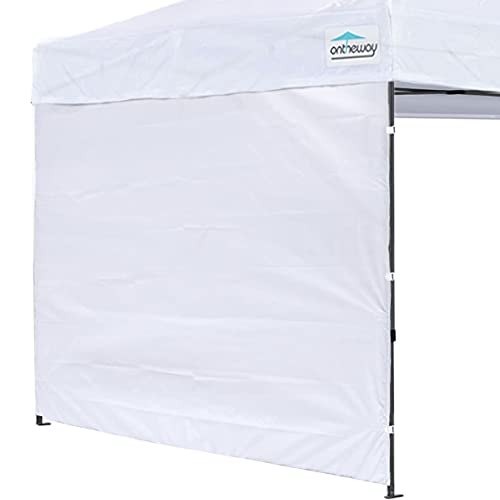
ontheway Sunwall for 10×10 Pop Up Canopy (White)

Quictent 10×20 ft Heavy Duty Car Canopy Galvanized Frame

Quictent 10×20 ft Heavy Duty Carport Canopy (White)
CROWN SHADES 10×20 Commercial Pop Up Canopy (White)
What Each Pick Brings To The Table
The Dot4Dot starts the list for a specific reason: it is a blank canopy with your logo printed on it. For a small business running a booth at a farmers market or trade show, signage is often rented separately, so a tent that ships with your branding already on the valance saves setup time and recurring rental costs. You pick the size (10×10, 10×15, or 10×20) when ordering and the graphic gets printed into the canopy fabric before it ships.
The trade-off is that you are essentially buying a custom-printed event canopy with a standard commercial-grade frame underneath. If your branding does not need to live on the tent, the COBIZI option a few rows down covers the same 10×20 footprint with thicker frame tubing. Dot4Dot makes the most sense when the printed graphic is the whole point.
Features That Help
- Printed-on-canopy branding removes the need for a separate banner or sign rental at recurring events.
- Three size options on one product listing let you order exactly the footprint your booth needs.
- Heavy-duty commercial-grade construction aimed at repeated setup and breakdown cycles.
- Customization handled at order time means the canopy arrives ready to use on day one.
Trade-Offs Worth Knowing
- You cannot change the printed logo later, so rebrands mean a new canopy rather than a new banner.
- Without accessory sidewalls included, weather protection depends on what you add later.
- Sticker shock can surprise first-time buyers since custom printing is a real cost on top of the frame and fabric.
Whose Booth It Belongs On
Small business owners running a recurring booth at farmers markets, fairs, or trade shows who want their brand visible from across the aisle without renting signage each time.
Reach For A Different Pick When
Skip the Dot4Dot and pick the CROWN SHADES 10×20 Commercial Pop Up Canopy if you do not need printed branding and want a larger event-ready frame at a friendlier entry price.
Where the Dot4Dot leans on branding, the COBIZI 10×20 leans on frame geometry. The frame uses full truss construction, which is a design where horizontal bars reinforce the roof between each pair of legs, distributing load across more steel. You also get sidewalls in the box, which the Dot4Dot does not include. For a vendor who needs to block wind or shade products on three sides, this is the more complete package.
The frame uses 1.26-inch diameter powder-coated tubing, which is meaningfully thicker than the 0.98-inch tubing found on most casual pop-up canopies. Owners running these weekly tend to notice the difference in windy conditions, though no pop-up tent is genuinely storm-rated. For tailgates, weekend markets, and longer events, the extra tubing weight pays for itself in fewer bent frames.
Where It Helps
- Full truss frame spreads roof load across more crossbars for noticeably stiffer setup than entry-level pop-ups.
- Sidewalls ship in the box, turning an open tent into a private booth without a separate accessory purchase.
- Powder-coated finish on the steel tubing resists rust through multiple outdoor seasons.
- Intermediate support poles share weight at the center, useful if you hang signage or lighting from the frame.
Honest Caveats
- Heavier tubing and included sidewalls add real weight to transport, so plan on a vehicle with flat cargo space rather than a small trunk.
- Assembly still takes longer than a basic pop-up since the truss frame has more pieces to lock together.
- Sidewalls are most useful for sun and mild wind, not serious weather, since the frame itself remains a pop-up design.
Key Product Details
Built With In Mind
Vendors and event hosts running weekly markets or multi-day festivals who need a sturdier frame and built-in sidewalls rather than buying walls separately.
Look Elsewhere When
Pick the Dot4Dot Custom Canopy Tent instead if you specifically want your logo printed on the canopy, since the COBIZI is an unbranded event shelter.
This entry is not a tent but a single sidewall panel, which is a deliberate choice for anyone who already owns a 10×10 or 10×20 straight-leg pop-up and wants to add shade or wind cover. The ontheway panel is built from 300-denier polyester with a PU (polyurethane) coating, and the brand rates it as waterproof and able to block a high percentage of UV rays. For beach days and tailgates, that turns an open canopy into a much more usable shelter.
The panel measures 81×118 inches, which fits most 10×10 and 10×20 straight-leg pop-ups on the market. Installation uses Velcro straps along the top and tabs down the legs, so there are no tools or permanent modifications. One thing to plan for: the listing is for one wall only, so a fully enclosed setup needs multiple panels.
Useful Touches
- 300-denier polyester with PU coating handles light rain far better than untreated fabric.
- Velcro straps and tabs mean no tools, clips, or frame modifications during setup.
- UV-blocking fabric keeps shaded products or guests cooler under direct afternoon sun.
- Single-panel purchase lets you buy exactly the number of walls you actually need.
Things To Consider
- Listing is for one sidewall only, so a fully enclosed tent needs multiple purchases.
- Compatibility is best with straight-leg frames, so verify your canopy leg style before ordering.
- White fabric shows dirt and mildew readily, which matters for long-term outdoor storage.
Made For
Existing canopy owners who want to add a single sun or wind panel to a 10×10 or 10×20 straight-leg pop-up without buying a whole new shelter.
Swap It Out When
Pick the COBIZI 10×20 Heavy Duty Pop Up Canopy instead if you do not yet own a canopy and want walls included in the original purchase.
Stepping out of the event-tent camp, the Quictent 10×20 car canopy is a galvanized steel shelter aimed at long-term vehicle and boat protection. The frame uses 1.5-inch diameter galvanized tubing, which is heavier than what you find on most pop-up event canopies, plus three reinforced steel cables along the roof. Galvanization is a zinc coating process that resists rust far better than paint alone, so the frame is built to live outside through changing seasons.
This is the right pick for someone sheltering a daily driver, a fishing boat, or a piece of equipment through a winter, not someone setting up for a Saturday market. Compare it to the COBIZI a few rows up: that one prioritizes fast setup for weekly events, while this one prioritizes staying put in your driveway. You trade portability for a much heavier steel footprint.
Notable Upsides
- Galvanized 1.5-inch steel frame handles long-term outdoor exposure far better than painted pop-up tubing.
- Three reinforced steel cables along the roof reduce structural twisting during gusts.
- Heavy-duty build makes this a credible option for vehicle shelter rather than just event shade.
- 20-foot length fits a full-size pickup, a small boat, or stacked equipment under one roof.
Possible Compromises
- Frame weight and steel cables make this a two-person install and a permanent-feeling build, not a quick pop-up.
- No sidewalls included, so wind-driven rain reaches the sheltered item from the sides.
- Anchoring depends heavily on the surface, so concrete or proper ground anchors are worth budgeting.
Feature Snapshot
Best Suited To
Homeowners sheltering a car, truck, or boat in a driveway through winter or stormy seasons who want a more permanent steel frame than an event canopy.
Where Another Pick Suits Better
Pick the Quictent 10×20 ft Heavy Duty Carport Canopy (the next entry) if you want a similar shelter with a slightly different reinforcement layout and white top for sun reflection.
The second Quictent on the list shares the same galvanized steel frame philosophy but uses extra reinforced top poles instead of cables, and ships in a white top color. White reflects more sunlight than darker colors, which matters for storing vehicles or equipment in full sun, since reflected heat keeps the sheltered space noticeably cooler. It is the same family as the previous pick, but the geometry choice is different.
Like the previous Quictent, this is a semi-permanent shelter rather than a portable event tent. There are no sidewalls included, so it works best as overhead cover for a driveway work area, a boat on a trailer, or anything you want shielded from sun and light precipitation. Owners commonly use these as outdoor workshop covers, which is why it earns the workshop label in the picks table.
Well-Handled Touches
- White top reflects sunlight, keeping sheltered vehicles and equipment cooler than darker covers.
- Galvanized steel frame and metal corner joints target multi-season outdoor use.
- Reinforced top poles reduce structural twisting under wind load.
- Open-sided design keeps access easy from any direction, useful as a work bay.
Practical Considerations
- Open sides leave shelter exposed to wind-driven rain from any angle.
- Frame is heavy and best suited to a permanent or semi-permanent location.
- White fabric can show dirt and mildew over time without occasional cleaning.
Quick Facts
The Right Fit
Homeowners wanting an open-sided driveway workshop cover or boat shelter who prefer a white top to deflect heat and a pole-based reinforcement layout.
Skip It When
Pick the Quictent 10×20 ft Heavy Duty Car Canopy (the previous entry) instead if you want a similar galvanized shelter with steel cable reinforcement in place of top poles.
The CROWN SHADES 10×20 closes the list as the largest event-ready pop-up in the roundup. It uses a thickened powder-coated steel frame in a hexagonal leg layout, which means each leg has six contact points with the frame hub instead of the four found on rectangular pop-ups. That extra geometry spreads load across more joints, which helps the canopy stay planted during gusty afternoons at races and outdoor markets.
This is the pick for anyone hosting a sizable gathering. The brand markets it as accommodating around 20 seated guests, which makes sense for a 200-square-foot footprint. Compare it to the COBIZI earlier: both are heavy-duty pop-ups, but the CROWN SHADES targets higher headcount and rougher weather, while the COBIZI leans into included sidewalls. The trade-off shows up in transport weight, since the larger frame needs more hands and a bigger vehicle.
A Favorable Mix
- Hexagonal leg layout adds structural joints over rectangular pop-up frames for better wind handling.
- 10×20 footprint covers vendor booths, tailgates, and parties for around 20 guests.
- Powder-coated steel frame targets repeated outdoor setups without quick rust.
- Heavy-duty stakes, ropes, and sandbag anchors are included for grounding the canopy.
Worth Bearing In Mind
- Larger frame and roller bag make this a heavier carry than 10×10 pop-ups, so plan on a vehicle for transport.
- Pop-up design still has limits in serious storms, so common sense about weather applies.
- Sidewalls are not included in the base package, unlike the COBIZI a few rows up.
Feature Card
Who Should Grab It
Event hosts running medium-size markets, races, or parties who want the largest footprint in the roundup and a stiffer hexagonal frame for windy days.
A Better Fit Elsewhere
Pick the Dot4Dot Custom Canopy Tent instead if printed branding on the canopy matters more to your event than the hexagonal frame geometry.
Matching A 10×20 Tent To The Job You Actually Have
The first decision is whether you need a portable event canopy or a semi-permanent carport. Portable pop-ups like the COBIZI and CROWN SHADES fold down for transport and set up in minutes, but their frames top out at moderate wind tolerance. The Quictent carports stay put in a driveway for months at a time, with galvanized steel and reinforcement cables built for the long haul. Mixing those jobs leads to disappointment either way: an event canopy does not belong sheltering a vehicle through a storm, and a carport is the wrong tool for a Saturday market.
Frame geometry is the next attribute to weigh. Standard rectangular pop-ups use four-leg hubs, while the CROWN SHADES uses a hexagonal leg layout that adds joint contact points and helps the frame resist racking, which is the sideways twisting that bends lightweight canopies in a gust. If you are setting up on a windy field, that geometry matters more than raw tube diameter.
Fabric weight and coating decide how the tent handles sun and rain. Denier is a yarn-thickness measurement, and higher numbers mean thicker fabric. The ontheway sidewall uses 300-denier polyester with a PU (polyurethane) coating for waterproofing, which is meaningful for any canopy you intend to use beyond pure sun shade. White tops reflect heat, while darker colors hide dirt but absorb more warmth underneath.
Sidewalls and accessories change the function of a tent. Open-sided canopies work for shade and large crowds, while enclosed setups suit vendors selling products that need to stay out of the sun. If you already own a straight-leg 10×10 or 10×20, a single sidewall panel like the ontheway is a smarter buy than replacing the whole canopy. New buyers should weigh whether walls belong in the original box, as on the COBIZI, or as a separate add-on.
Smart Choices Before You Commit
Wrong Turns To Avoid
Most first-time buyers pick a 10×20 because of the footprint number, then ignore frame weight and fabric specs until the first windy afternoon. A 10×20 sail area catches a lot of wind, so lighter pop-up frames can rack sideways even when staked properly. Anchoring matters as much as frame choice, so plan on proper stakes, ropes, and weighted bags rather than relying on the frame alone. The other common slip is buying an event canopy for vehicle shelter, where a galvanized carport frame is the only realistic long-term answer.
When Paying More Pays Off
The jump from a basic pop-up to a heavy-duty or galvanized model is mostly frame and fabric, and you feel that difference every time you set up or weather a storm. Thicker powder-coated tubing, hexagonal leg geometry, and galvanized steel each add real weight, but they also buy you more setup cycles before things start bending or rusting. If you only need a tent twice a year, a basic pop-up is honest value. For weekly events or year-round shelter, the upgrade pays back in fewer replacements and fewer windy-day disasters.
Frequently Asked Questions
How big is a 10×20 pop up tent in square feet?
A 10×20 pop up tent covers 200 square feet, which fits roughly 20 seated guests or a standard vendor booth with room for a table and product display.
Can a 10×20 pop up canopy handle wind?
Most 10×20 pop-ups handle light to moderate wind when properly staked, but none are rated for serious storms. Hexagonal frame designs and thicker steel tubing improve wind performance over basic rectangular pop-ups.
What is the difference between a pop up canopy and a carport?
Pop-up canopies fold for transport and target events, while carports use galvanized steel for long-term outdoor shelter of vehicles, boats, or equipment. The frame weight and reinforcement tell you which category a tent belongs to.
Do 10×20 tents come with sidewalls?
Some do, some do not. The COBIZI includes sidewalls in the box, while the CROWN SHADES and the Quictent carports ship as open shelters. Add-on sidewalls like the ontheway panel work with most straight-leg pop-ups.
Can one person set up a 10×20 pop up tent?
A single person can manage lighter 10×20 pop-ups, but heavier frames with thicker tubing really benefit from a second pair of hands during setup and takedown.
Wrap Up
The right 10×20 pop up tent depends almost entirely on whether your real job is a Saturday market or a winter in the driveway. Match the frame type and fabric to that job first, then decide whether printed branding, sidewalls, or extra anchoring matter more to your setup. The picks above cover both camps, so the tent that fits your use case is somewhere on this list.