
Long weekends at the lake, week-long hunting trips, and tailgates that stretch across afternoons all share the same hidden logistics problem: keeping food and drinks cold when you are far from a fridge. Around 100 quarts hits a sweet spot between hauling capacity and trunk space, and the right cooler turns a sweaty mess of warm soda into a stocked, organized stash that lasts the whole trip. The seven options below cover the spectrum from rolling workhorses to compact camp picks, with two evaporative cooling companions thrown in for indoor and patio comfort.
The Choices Worth Comparing

Lifetime Hard Cooler, High Performance Ice Chest
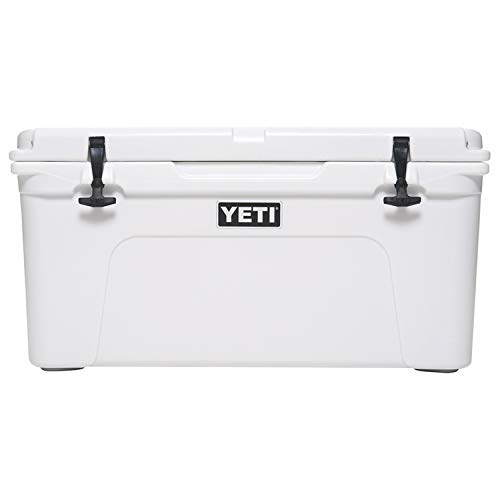
YETI Tundra 65 Cooler

Coleman Classic Series Insulated Portable Rolling Cooler

Igloo Hard Cooler Profile Series

Coleman Classic Series Insulated Portable Cooler

Auertech 8.3 Gal Evaporative Air Cooler

Auertech 5.3 Gal Swamp Cooler
What Each Pick Brings To The Table
Built around a heavy-duty polyethylene shell with urethane insulation, the Lifetime Hard Cooler targets the rough end of outdoor use. Where the YETI leans on rotomolded (rotationally molded for seamless, ultra-tough walls) construction, this model uses a denser plastic recipe paired with polypropylene hardware and nylon rope handles for a stiffer, lighter carry.
For hunters and anglers working deep in bear country, that bear-resistant rating (tested by the IGBC, the Interagency Grizzly Bear Committee) carries real weight. It also holds a substantial ice life claim that should comfortably cover multi-day trips when pre-chilled and shaded.
The Helpful Details
- Bear-resistant rating certified by the IGBC for backcountry safety
- Multi-day ice retention spec stretches usable cold storage over long trips
- Garden-hose-compatible drain spout speeds end-of-trip cleanup
- Sturdy rope handles spread load weight across two carriers
Trade Offs
- Plastic shell transfers bumps more than rotomolded models and may show scuffs over time
- Rope handles feel less refined than molded grips on premium picks
Who It Suits Best
Hunters, anglers, and backcountry campers who need certified wildlife protection and a durable shell over refined finishes.
Skip It When
Shoppers wanting a sleeker rotomolded build and longer refinement track record should step up to the YETI Tundra 65.
The YETI Tundra 65 represents the classic take on a tank-style cooler. Rotomolded construction (a process that forms seamless, ultra-thick walls in a single piece) wraps around PermaFrost insulation (YETI’s dense closed-cell foam) and a FatWall design (extra-thick outer wall for cold retention), giving the cooler its nearly indestructible feel. Compared with the Lifetime above, the build is heavier but noticeably more polished.
You can load it with a full limit of redfish or a sizable brisket, then park it in a truck bed without worrying about flex or cracking. The Tundra line is also certified bear-resistant, which lines up with serious backcountry use rather than casual backyard weekends.
Everyday Wins
- Rotomolded single-piece body handles drops and rough hauling
- PermaFrost insulation and FatWall design support multi-day ice life
- Bear-resistant certification for wilderness storage
- Tied latch system keeps the lid sealed even when the cooler slides around
Worth Noting
- Empty weight runs heavy and can tire out solo carries over long distances
- Premium pricing reflects the build, which may stretch tighter budgets
Made For
Owners who want a long-haul cooler they can use hard for a decade and pass along to family later.
A Better Fit Elsewhere
Shoppers wanting rolling convenience for tailgates will prefer the Coleman Classic Series Insulated Portable Rolling Cooler covered below.
Where the Lifetime and YETI demand two strong arms, the Coleman Classic Series Insulated Portable Rolling Cooler rolls. Six-inch all-terrain wheels and a dual tow handle let you move a fully loaded chest across gravel, grass, and parking lots without emptying it first.
It also holds a generous haul. With space for around 167 cans without ice or about 80 cans alongside 50 pounds of ice, this cooler handles tailgates, family reunions, and longer camping trips with room to spare. The fully insulated lid and body, paired with a leak-resistant build, makes it a friendly choice for anyone hauling a cooler farther than the backyard.
Useful Touches
- All-terrain wheels cut down on lifting when the cooler is fully loaded
- Large interior fits food and drinks for groups of ten or more
- Leak-resistant construction reduces spillage on the ride home
- Insulated body and lid target up to five days of ice in moderate heat
Minor Gripes
- Wheels and handle add bulk that takes up extra trunk space
- Construction is solid but not as impact-tough as rotomolded options
Right Fit For
Hosts running big gatherings, parents shuttling supplies to camp, and anyone who would rather roll a cooler than muscle it.
Look Elsewhere When
Solo travelers heading deep into the backcountry should consider the lighter Lifetime Hard Cooler instead.
The Igloo Profile Series flips the standard horizontal cooler on its side with a tall vertical profile. That shape fits longneck bottles and two-liter bottles standing up, which changes how you pack it for a backyard party.
Cool Riser Technology elevates the base slightly off the ground, helping heat dissipate from the bottom and improving cooling performance on hot patios. Integrated channels in the liner make it easier to purge melt water without tipping the entire chest over.
Where It Delivers
- Vertical profile stores tall bottles without wasted air space
- Cool Riser base improves airflow and helps maintain cold temps on hot surfaces
- Channeled liner speeds melt-water draining
- Eco-friendly Thermecool foam replaces older foam chemistries
Points To Note
- Tall shape can be awkward to slide under standard truck-bed rails
The Right Fit
Hosts and picnic lovers who mostly store tall bottles and want fast melt-water draining at the end of the day.
Consider Something Else When
Anyone hauling the cooler in the back of a pickup or needing flat-pack storage should look at the Coleman Classic Series Insulated Portable Cooler reviewed next.
The non-wheeled Coleman Classic Series Insulated Portable Cooler is a familiar sight at campgrounds and cookouts. Where the rolling version above targets group hosts, this chest keeps things simple with traditional swing-up handles and a sturdy rectangular body.
The Have-A-Seat lid supports up to 250 pounds, turning the cooler into an extra chair at the picnic table, and molded cup holders in the lid keep drinks upright on uneven ground. Owners who care more about convenience and price than the heaviest insulation will find the balance they want here.
The Practical Payoff
- Have-A-Seat lid doubles as a sturdy extra chair at cookouts
- Holds up to 100 cans for medium-to-large gatherings
- Molded cup holders in the lid fit tall tumblers
- Swing-up handles make two-person carrying straightforward
Room For Improvement
- Plastic handles can pinch fingers when carrying heavy loads
- Stain-resistant liner needs quick wipe-downs to stay clean
Best Suited To
Family campers and weekend hosts who want a versatile chest that doubles as seating and runs at a friendly price.
Another Choice May Suit
Folks heading to tailgates who would rather wheel the cooler across a parking lot should pick the rolling Coleman model covered above.
Switching gears from outdoor ice chests to indoor cooling, the Auertech 8.3 Gal Evaporative Air Cooler is a swamp cooler (an air cooler that uses water evaporation to drop the temperature of incoming air) rather than a compressor-based AC. It works by pulling warm air through a wet filter pad, which cools the air through evaporation. Six included ice packs drop the outgoing temperature even further, and a 2800 CFM (cubic feet per minute) airflow rating covers large rooms, open garages, and covered patios.
Setup is the appeal. There is no window exhaust hose, no drilling, and no permanent install. Plug it in, fill the 8.3-gallon tank, point it where you need cool air, and the 120-degree oscillation spreads it around. For dry climates, the evaporative approach uses far less electricity than traditional AC units.
The Case For It
- 2800 CFM airflow covers large rooms and open spaces
- Included ice packs extend the cooling effect beyond room temperature
- Remote control and 120-degree oscillation cut down on manual adjustments
- No window venting required for true plug-and-play use
A Few Limitations
- Evaporative cooling adds humidity, which is less ideal in muggy climates
- 8.3-gallon tank needs regular refills during heavy use
Who Should Grab It
Owners in dry, hot regions who want effective room cooling without installing a window unit or running up electric bills.
Not Your Match When
Shoppers in humid coastal areas should look at the smaller Auertech 5.3 Gal Swamp Cooler for a tighter, lower-humidity footprint.
The smaller sibling to the Auertech 8.3 Gal cooler, this 5.3-gallon model keeps the same plug-and-play approach with a tighter footprint. It delivers 1800 CFM of airflow, which suits bedrooms, home offices, and small living rooms where the larger unit would be overkill.
No ductwork and no permanent install means renters can use it without touching the windows. The smaller tank also makes the unit easier to roll between rooms, and the lower airflow keeps noise gentler for sleeping.
Positive Takeaways
- Compact body fits tight bedrooms and apartment corners
- 1800 CFM airflow is enough to cool smaller rooms effectively
- Windowless design works for renters who cannot modify the space
- Lower airflow setting runs quietly enough for sleep
Potential Drawbacks
- Smaller tank requires more frequent refills than the 8.3-gallon sibling
- Coverage area is limited, so large open-plan spaces feel undercooled
Whose Shelf It Belongs On
Apartment dwellers, dorm rooms, and home office workers who want quiet evaporative cooling without touching a window.
Reach For A Different Pick When
Shoppers cooling large living rooms or open garages should size up to the Auertech 8.3 Gal Evaporative Air Cooler.
Choosing The Right Cooler For Your Trips
A 100-quart cooler is a big box with a big decision behind it. Capacity alone tells you little about how a cooler will fit your habits; insulation thickness, drainage design, and portability often decide which one earns a permanent spot in the garage.
Insulation And Ice Life
Manufacturers quote ice retention numbers using ideal conditions: pre-chilled coolers, shaded placement, and moderate ambient heat. In real summer sun, expect a meaningful drop from those figures. Foam insulation density and wall thickness matter more than brand pedigree here, and a few hours of pre-chilling the cooler with sacrificial ice can stretch real-world performance noticeably.
Portability And Storage
Two strong carriers and a flat truck bed are the easy case. Rolling wheels solve gravel driveways and tailgate lots, while tall vertical profiles save floor space in the garage. Think about how the cooler moves between car, campsite, and storage, not just how it sits at the party.
Drainage And Cleaning
A spout you can hook a garden hose to turns end-of-trip cleanup from a tipping chore into a quick rinse. Stain-resistant liners save scrubbing on sugary drink spills. In humid climates, a fully drainable interior also reduces mildew between uses.
Build Materials And Use Case
Rotomolded polyethylene shells handle drops and rough hauling best. Standard molded plastic saves weight and price, at the cost of impact resistance. For backcountry and bear country, look for IGBC certification; for tailgates and family camping, a comfortable seat-lid and cup holders do more everyday work than the toughest shell.
Smart Considerations Before You Commit
Pitfalls Shoppers Hit
Cooler shopping usually goes wrong in the first five minutes. Buyers fall in love with the largest capacity and forget that a fully loaded 100-quart chest can top 50 pounds before food goes in. Pre-trip planning matters more than raw size: a cooler that fits your trunk, your crew, and your route will outwork a bigger one that does not.
Where The Extra Money Goes
Higher-tier coolers spend your money on three things: thicker foam insulation, rotomolded shells, and tighter lid seals. Those add real ice life and real durability. The upgrade pays off for frequent campers and anyone who treats the cooler like an appliance. For occasional backyard use, mid-tier builds cover the gap without the premium price tag.
Frequently Asked Questions
How Long Does Ice Last In A 100 Quart Cooler?
Most 100-quart coolers hold ice for three to five days under typical summer conditions when pre-chilled and kept in shade.
Can A 100 Quart Cooler Hold Fish Or Game?
Yes, a 100-quart cooler fits a generous catch or several whole birds, and bear-resistant models are a smart choice where wildlife is a concern.
What Is The Difference Between A Cooler And An Evaporative Air Cooler?
A cooler stores food and drinks using insulation and ice, while an evaporative air cooler actively cools room air using water evaporation and a fan.
Are Rotomolded Coolers Worth The Higher Price?
Rotomolded coolers (rotationally molded as a single seamless piece) deliver thicker walls and longer durability, which pays off for frequent users who keep coolers for years.
How Do I Keep My Cooler From Smelling Between Trips?
Drain all melt water, wipe the liner with mild soap, and leave the lid cracked open until fully dry before storing.
Wrap Up
A 100-quart cooler earns its keep by matching the way you actually get outside, from rolling into a tailgate lot to hauling game out of the backcountry. Match capacity, portability, and insulation to your trips rather than chasing the biggest number on the box, and the cooler will pay you back every time the ice still crunches on day three.