
Loading up the truck for a beach day, a tailgate, or a long weekend at the campsite is a different job when the cooler rolls. The right wheeled unit saves your back and keeps drinks cold from sunrise to last call. This list covers the ice-chest classics and a few compressor-cooled options that bring true refrigeration to the party. Read on for the picks that match your kind of outside.
A Fast Comparison Of The Options
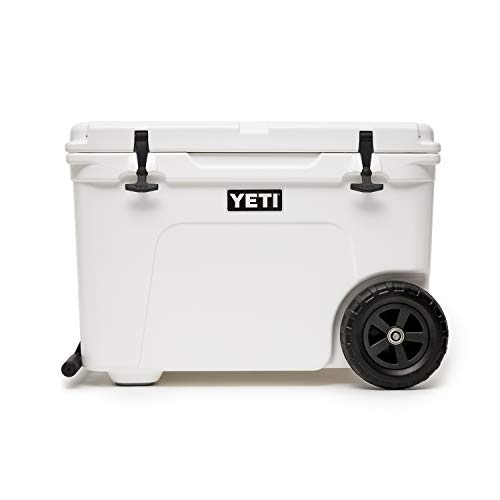
YETI Tundra Haul Portable Wheeled Cooler

YETI Roadie 60 Wheeled Cooler with Retractable Periscope Handle

Coleman Classic Series Insulated Portable Rolling Cooler

RTIC 72 QT Ultra-Light Wheeled Hard Cooler

Coleman Classic Series Insulated Portable Cooler
VEVOR 37 QT Dual Zone Car Refrigerator with APP Control

VEVOR 61.5 QT Dual Zone Portable Freezer
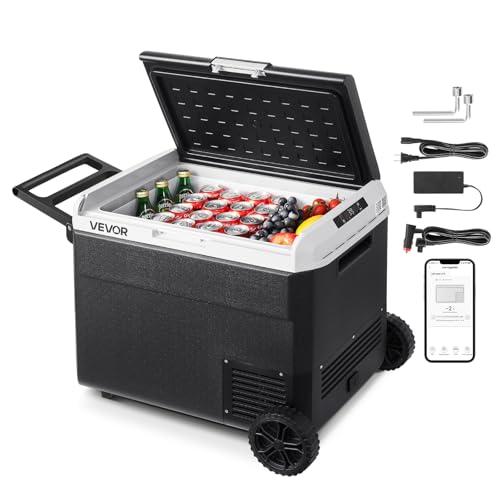
VEVOR 63.4 QT 12/24V Car Fridge with Wheels

VEVOR 48 QT Dual Zone Car Refrigerator with APP Control
More On The Choices That Made The List
The Tundra Haul is the wheeled answer for people who already trust YETI’s rotomolded (rotationally molded plastic that creates a single seamless shell) Tundra line. It carries that same thick-walled body onto a set of never-flat single-piece tires, which means you can drag it across gravel driveways and boat ramps without worrying about punctures.
Where the Roadie 60 feels nimble and upright, the Haul leans into bulk and durability. It suits full-day tailgates, fishing trips where you load it once, and road trips that turn into overnighters. For most people, the trade-off is weight: empty, it is heavier than the RTIC that follows.
What Helps Most
- Rotomolded shell resists cracking and shrugs off UV damage during long sunny weekends.
- Never-flat single-piece wheels handle sand, gravel, and uneven pavement without airing up.
- Fat-wall insulation holds ice for multiple days, cutting down on bag runs to the store.
- Tie-down slots and an integrated handle make securing it in a truck bed straightforward.
- Bear-resistant construction adds peace of mind at remote campsites where wildlife is curious.
Things To Consider
- Empty weight is substantial, so lifting it into a tall truck bed takes some muscle.
- Exterior scuffs show on lighter colorways over time, though they do not affect performance.
Key Specs
Right Fit For
Owners who want a tank-like cooler they can tow across rough ground and leave loaded for days.
Consider Something Else When
The YETI Roadie 60 suits smaller crews who want lighter weight and a more upright carry.
The Roadie 60 is the more upright cousin to the Tundra Haul. The periscope handle telescopes up for a clean rolling height, then drops out of sight when not in use, which matters in tight garages and crowded truck beds.
Inside, the cooler fits 50+ cans along with a dry-goods basket for sandwiches and fruit. Compared to the Tundra Haul, it is shorter, easier to maneuver on sidewalks, and feels friendlier for one-person trips. The trade-off is raw capacity: big groups will still want the larger Coleman that follows.
Useful Strengths
- Retractable periscope handle saves space and protects the grip during transport.
- Roughrider wheels tackle uneven pavement and boat ramps without bottoming out.
- Quick-latch lid opens with one hand, useful when your other arm holds a kid or a kayak paddle.
- Dry-goods basket keeps sandwiches and snacks above the ice layer.
Worth Noting
- Premium materials push it above many competitors, and lighter colorways tend to scuff over time.
- The 60-quart interior runs out fast for gatherings beyond six or seven people.
Whose Shelf It Belongs On
Small families and day-trippers who want a premium feel without hauling a full-size chest.
A Better Fit Elsewhere
The Coleman Classic Series Insulated Portable Rolling Cooler suits larger crews feeding a dozen or more at the campsite.
This is the big-party workhorse in the lineup. Six-inch all-terrain wheels and a tow handle turn a five-day cooler into something you can pull one-handed across a parking lot. Fully insulated lid and body keep ice alive through 90°F afternoons, which matters on summer lake weekends.
Where the YETI Roadie 60 aims at premium build quality, this Coleman leans on volume and value. It swallows 167 cans without ice, with room left for a watermelon or two. The honest read: it is heavier and bulkier than the RTIC, but the storage capacity is hard to match at this size.
A Strong Showing
- Holds up to 167 cans without ice, ideal for big family reunions and tailgates.
- Six-inch wheels roll over grass, gravel, and uneven campground paths.
- Have-a-seat lid supports up to 250 lb for those moments when seating runs short.
- Stain-resistant liner wipes clean after spills, reducing maintenance between trips.
- Leak-resistant drain spigot empties melt water without lifting the whole cooler.
Trade Offs
- Empty weight is noticeable; loading it solo into a high truck bed can be a two-person job.
- Plastic shell is durable but not as impact-resistant as rotomolded premium alternatives.
Feature Card
Who It Suits Best
Large families, tailgaters, and hosts who need a single cooler to serve a crowd for several days.
Reach For A Different Pick When
The RTIC 72 QT Ultra-Light Wheeled Hard Cooler suits solo campers who want lighter towing on rough trails.
RTIC built this cooler for people who chase off-grid weekends and want something easier to lift than a rotomolded tank. The 72-quart size splits the difference between the smaller Roadie and the full-size Coleman rolling cooler above.
Puncture-resistant all-terrain wheels are the standout: they keep rolling across rocky campsites and dirt roads. Compared to the YETI Tundra Haul, you trade some long-haul durability for a noticeably lighter tow weight, which helps on uneven terrain.
Notable Gains
- Puncture-resistant wheels handle rocky pull-offs and forest-service roads.
- Lighter construction makes one-person loading more realistic at the trailhead.
- Tight-sealing lid helps ice last through multi-day trips when conditions cooperate.
- Heavy-duty handles double as tie-down points in truck beds.
Honest Caveats
- 72-quart capacity runs small for full-size gatherings; big parties will outgrow it fast.
- Plastic handles and latches can wear faster than metal components over years of regular use.
Built With In Mind
Solo travelers and small crews hitting rough campsites who want lighter towing without giving up hard-cooler ice retention.
Swap It Out When
The YETI Tundra Haul suits shoppers who tow across sand and gravel more often than they lift the cooler.
Coleman’s Classic Series is the everyman cooler. Swing-up handles, a have-a-seat lid, and molded cup holders add small comforts that matter at a long cookout. The fully insulated body keeps ice up to five days in 90°F heat, on par with the larger Coleman rolling model.
Available in 52, 70, 120, and 150-quart sizes, the lineup scales from a backyard deck to a full camping crew. Compared to the rolling Coleman earlier, this is the version you carry by hand and load into the trunk, and it sits at the friendlier end of the price range.
What Earns Its Place
- Five-day ice retention holds up through extended trips in summer weather.
- Have-a-seat lid supports up to 250 lb, doubling as a camp chair.
- Multiple size options let you match capacity to group size.
- Molded cup holders keep drinks upright on uneven picnic tables.
- Stain-resistant liner simplifies post-trip cleanup.
Points To Keep In Mind
- No wheels on this version, so it is built for two-person carries or short walks from the car.
- Plastic shell is lighter than rotomolded alternatives, which can dent under hard impacts.
Perfect Match For
Casual cookout hosts and weekend campers who want dependable ice retention without paying premium prices.
Look Elsewhere When
The Coleman Classic Series Insulated Portable Rolling Cooler is the right call for anyone towing across a long parking lot.
Switching gears: the VEVOR 37 QT is a compressor cooler, not an ice chest. A compressor is a small motorized pump that actively chills the interior down to a set temperature, much like a mini fridge. Each zone adjusts from -4°F to 68°F, so you can freeze burgers in one side and chill drinks in the other.
Wheels and a handle make it easier to move around the campsite, while APP control lets you tweak the temperature from a phone. Compared to the larger 61.5-quart VEVOR later on, this one is the compact daily driver for a single person or a couple.
What Makes Sense
- Dual zones handle frozen and chilled items at the same time.
- APP control adds convenience when the unit sits in the back of a truck.
- Compressor chilling reaches set temps without ice, eliminating melt-water mess.
- Runs on 12/24V DC and 100-240V AC, covering vehicles and campsite outlets.
Room For Improvement
- Compressor draws battery power, so long off-grid stays call for a solar panel or dual battery setup.
- 37-quart capacity is on the small side for families; larger VEVOR models fit more.
Technical Highlights
Made For
Solo road-trippers and van-lifers who want real refrigeration without hauling a full-size fridge.
Not Your Match When
The VEVOR Portable Car Refrigerator 61.5 QT serves longer expeditions with bigger crews.
The 61.5-quart VEVOR stretches the dual-zone idea into base-camp territory. Two independent compartments each adjust from -4°F to 68°F, which means frozen meat on one side and cold drinks on the other without compromise.
You may find this size a bit bulky inside smaller SUVs, but it rewards families and week-long trips. Compared to the compact 37 QT above, you trade cabin space for actual grocery-run capacity, roughly 94 cans or 34 water bottles.
Practical Pluses
- Large dual zones keep a full week’s worth of food and drinks cold at the campsite.
- Compressor cooling hits 32°F quickly, reducing wait times after loading warm groceries.
- Operates from a vehicle outlet or a wall plug, fitting both travel and home garage use.
- Interior light helps locate items in low-light conditions around the campfire.
A Few Limitations
- Battery draw is significant, so a reliable power source or solar setup is worth planning for.
- Empty weight is heavier than smaller portable fridges, which matters when lifting into a tall trunk.
Best Suited To
Family campers and overlanders who need a real freezer on the road for multi-day trips.
Where Another Pick Suits Better
The VEVOR 37 QT Dual Zone Car Refrigerator is a better match for solo travelers with limited cargo space.
Where the dual-zone models split space, the 63.4-quart VEVOR goes single-zone and simple. The whole interior adjusts from -4°F to 68°F, so you set it to fridge or freezer and load it up. Wheels and a retractable handle make it more mobile than typical chest-style fridges.
Compared to the 61.5 QT dual-zone model, you give up separate compartments for a deeper single cavity. For most weekend campers, that trade is fair: less fiddling with two zones, more usable volume for full bags of ice and stacked meal containers.
Noteworthy Benefits
- Single-zone simplicity removes guesswork at the campsite.
- Compressor cools quickly from room temperature to set points.
- Runs on both DC vehicle power and AC wall outlets.
- Wheels and handle keep it portable despite the larger footprint.
Potential Drawbacks
- Single zone means frozen and chilled items share the same temperature setting.
- Compressor noise is noticeable in quiet camp settings, depending on placement.
Quick Facts
Who Should Grab It
Campers who want a no-fuss single-temperature fridge and do not need separate freezer and drink zones.
Another Choice May Suit
The VEVOR 61.5 QT Dual Zone Portable Freezer is a better fit when separate frozen and chilled storage is non-negotiable.
The 48-quart VEVOR lands in the middle of the compressor-cooler lineup. Dual zones each control their own temperature, while APP support lets you tweak settings from a phone, which helps when the unit is buried under gear in a truck bed.
Compared to the larger 61.5-quart VEVOR above, this is a more manageable size for couples and smaller families. For most anglers, the trade-off works: enough room for a day on the water, without the cargo-space hit of a full-size fridge.
Notable Upsides
- Dual zones let you chill drinks while freezing bait or catch at the same time.
- APP control adds tech-forward convenience for remote monitoring.
- Compressor chilling reaches set temperatures quickly after loading.
- DC and AC compatibility covers boats, RVs, and shore power.
Possible Compromises
- 48-quart capacity is tight for full family meals, depending on trip length.
- APP setup requires a phone and Bluetooth pairing, which adds a small learning curve for first-timers.
Feature Snapshot
Who Will Love This
Tech-forward campers and anglers who want phone-controlled temps without jumping to a full-size fridge.
Skip It When
The YETI Tundra Haul is the right call for shoppers who want simple ice-chest reliability without battery management.
What To Weigh Before Picking A Wheeled Cooler
Capacity Versus Maneuverability
Bigger coolers hold more food and ice, but they also weigh more empty and demand stronger wheels. Day-trippers in tight parking lots do fine with a 60-quart unit, while multi-day camping trips usually call for 70 quarts or more. The honest read is that the size you can comfortably roll across the campsite is the size you will actually use.
Wheels And Handle Quality
Wheels are the difference between a cooler you pull and one you fight. Look for solid, single-piece tires on rough terrain and larger diameters on grass and gravel. A telescoping or periscope handle keeps posture natural and saves your back on longer walks from the car.
Ice Retention Versus Active Cooling
Rotomolded ice chests rely on insulation and ice to maintain temperature, which works for passive use. Compressor coolers bring true refrigeration but draw battery power and need a charging plan. Choose based on whether you want to manage ice or manage watts.
Mistakes Worth Dodging In The Wheeled Cooler Aisle
Pitfalls Shoppers Hit
Buying by raw capacity alone leads to an oversized cooler that sits in the garage. Most weekend trips only need 60 to 70 quarts, and anything larger gets harder to wheel through a crowded parking lot. Measure your trunk space and your typical group size before committing.
The Case For Spending Up
Premium rotomolded shells, never-flat wheels, and tighter lid seals are not cosmetic upgrades. They translate to fewer ice runs, fewer replacements, and less hassle on rough terrain. The upgrade pays off most for people who use their cooler more than four or five times a year, or who travel in heat that punishes budget insulation.
Frequently Asked Questions
How Many Cans Fit In A 100 Quart Cooler With Wheels?
Most 100-quart wheeled coolers hold roughly 80 to 167 cans, depending on ice load. Without ice, expect closer to the upper number, while a half-load of ice drops capacity by about a third.
Are Compressor Coolers Better Than Ice Chests?
Compressor coolers offer precise temperature control and no melt water, but they require a power source. Ice chests are simpler, lighter, and need no charging, which makes them ideal for short trips away from the vehicle.
How Long Does Ice Last In A Wheeled Cooler?
A well-insulated wheeled cooler holds ice for three to five days in moderate heat. Premium rotomolded models push closer to five, while budget plastic shells may drop to two or three in 90°F weather.
Can You Sit On A Wheeled Cooler?
Several Coleman and similar models include reinforced lids rated to 250 lb. Premium rotomolded coolers support sitting weight as well, though it is worth checking the manufacturer’s guidance before treating the lid as a chair.
Do Wheeled Coolers Work On Sand?
Yes, but wider, single-piece tires perform best. Narrow plastic wheels dig into soft sand, while larger all-terrain tires stay on top and roll more cleanly toward the waterline.
Bottom Line
A good wheeled cooler turns hauling drinks into a one-hand job, and the right pick depends on whether you want passive ice retention or active refrigeration. For classic ice-chest duty, the YETI Tundra Haul and the larger Coleman rolling model cover most needs, while the VEVOR compressor units bring real fridge power to the road. Match capacity to your group, and your cooler will earn its keep on every trip from now on.