
Choosing a new grill shapes every weekend cookout for years, and the options feel endless when fuel type, footprint, and features all pull in different directions. This guide narrows the field to eight grills worth serious consideration, from full-size backyard workhorses to a pocketable tabletop hibachi. Whether you feed a crowd every Sunday or just want weeknight burgers without the fuss, the right match is somewhere on this list.
A Snapshot Of The Selections

Captiva Designs 4 Burner Propane Gas BBQ Grill with Infrared Sear Burner

Weber Spirit E-210 Gas Grill, Small Propane, Black

Captiva Designs Propane Gas and Charcoal Grill Combo with Side Burner

Captiva Designs 4 Burner Propane Gas BBQ Grill with Side Burner (42,000 BTU)

Captiva Designs Propane Gas Griddle Grill Combo with Flat Top

Captiva Designs 4 Burner Propane Gas BBQ Grill with Side Burner (46,700 BTU)

Captiva Designs 4 Burner Propane Gas BBQ Grill with Side Burner, Blue
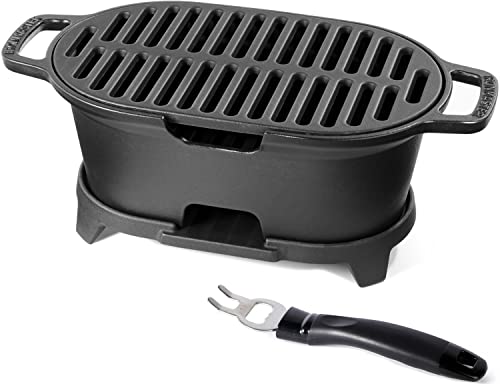
IronMaster Mini Cast Iron Hibachi Grill, Tabletop Charcoal
Inside Each Recommended Option
The Captiva Designs 4 Burner Propane Gas BBQ Grill with Infrared Sear Burner lands at the top of this list because it pulls double duty as both a family-size roaster and a steakhouse-style searer. An infrared burner, which uses a ceramic plate to radiate intense direct heat rather than open flames, sits alongside four standard gas burners, so you can run a low-and-slow zone for ribs while a ripping-hot sear zone handles steaks.
For most backyards hosting four to eight people on a regular basis, the 604-square-inch main cooking area feels generous rather than excessive. Compared with the Weber Spirit E-210 that follows, this Captiva model is much larger and adds a dedicated sear station, which matters if steak night is a recurring event at your house.
What Earns Its Place
- Four independent gas burners plus an infrared sear station, giving you real two-zone control for simultaneous searing and roasting.
- 604 square inches of main cooking space, enough for roughly twenty-plus burgers in a single round.
- Cast-iron-style grates that hold heat well and produce visible grill marks on steaks and chops.
- Propane convenience means push-button start and predictable temperature recovery after lifting the lid.
- Versatile enough for weeknight chicken and weekend brisket without swapping equipment.
Things To Consider
- Infrared burners demand a brief preheat at high power before they hit peak sear temperature, so plan a few extra minutes before the first steak.
- Owners commonly report that grease management takes more attention than on smaller units, so build a regular scraping habit.
Quick Facts
Who It Suits Best
Backyard hosts cooking for four or more on a regular basis who want both weeknight ease and a serious sear station for weekend steaks.
Where Another Pick Suits Better
Small-space dwellers without room for a four-burner footprint should consider the Weber Spirit E-210, which fits tight patios far more gracefully.
The Weber Spirit E-210 earns its spot as the go-to small propane grill for patios, balconies, and townhouse courtyards where every square foot counts. Two burners keep the footprint tight while still giving you a real two-zone setup, with one side running hot for searing and the other dialed down for veggies or buns.
Weber’s Snap-Jet Ignition system lights each burner individually with one hand, so there’s no fumbling with matches when your hands are wet or greasy. Compared with the larger Captiva Designs grills elsewhere in this lineup, the E-210 trades raw capacity for a tidy, recognizable build that apartment dwellers and small-space cooks tend to trust.
Practical Pluses
- Compact two-burner footprint that fits balconies and small patios without dominating the space.
- Snap-Jet individual burner ignition keeps startup simple and avoids the crossfire issues common on cheaper igniters.
- Full-range temperature control from low simmer to high sear on each burner independently.
- Weber’s reputation for replacement parts and service makes long-term maintenance easier to source.
Worth Noting
- With only two burners, you’ll batch-cook larger cuts of meat rather than running them simultaneously with sides.
- Cast-iron grates require routine oiling to prevent rust, particularly in humid coastal climates.
Whose Shelf It Belongs On
Patio and balcony cooks feeding two to four people who prioritize a brand-trusted build over maximum cooking surface.
Swap It Out When
Anyone hosting groups of six or more regularly should reach for the Captiva Designs 4 Burner Propane Gas BBQ Grill with Side Burner (46,700 BTU), which delivers much greater capacity.
The Captiva Designs Propane Gas and Charcoal Grill Combo solves the long-standing fuel debate by refusing to pick a side. A propane section handles quick weeknight chicken, while an independently controlled charcoal section delivers that smokehouse flavor for weekend ribs. The two systems operate separately, so you can fire one or both depending on the menu.
Where this combo really earns attention is the 61-inch-long cooking counter, which spreads across the gas side, charcoal side, and a side burner for pots or sauces. For backyard cooks who want it all without buying two separate grills, the layout makes sense. Compared with the infrared-equipped Captiva at the top of this list, this model sacrifices the dedicated sear burner in exchange for charcoal versatility.
What Stands Out
- Independent propane and charcoal chambers let you cook both fuel styles in a single session.
- A dedicated side burner covers boiling corn, simmering beans, or finishing a pan sauce without leaving the grill.
- Generous 61-inch counter spreads the workload so different cooks can handle different stations.
Honest Caveats
- Running both fuel systems means double the cleanup, with ash management on one side and grease management on the other.
- Charcoal lighting adds 20 to 30 minutes of lead time versus the gas-only models, so plan ahead.
- The wide footprint demands a substantial patio or deck area and won’t suit narrow courtyards.
Feature Snapshot
Best Suited To
Backyard enthusiasts who want both quick weeknight gas grilling and traditional charcoal flavor without owning two separate grills.
Look Elsewhere When
Apartment dwellers with tight patios should choose the Weber Spirit E-210, which delivers a much smaller footprint.
The Captiva Designs 4 Burner Propane Gas BBQ Grill with Side Burner packs four main burners plus a side burner into a single station, all driven by a 42,000 BTU output. BTU, short for British Thermal Unit, measures the heat energy a burner can deliver per hour, so this figure tells you the grill has plenty of firepower behind it.
Porcelain-enameled cast iron grates sit over stainless steel burners, which keeps heat distribution even and helps with cleanup. For a household that grills three or four nights a week and wants a side burner for simmering sauces or boiling corn, the layout works well. Compared with the infrared-equipped Captiva at the top of this roundup, this model focuses on standard grilling rather than dedicated high-heat searing.
Bright Spots
- Four main burners plus a side burner deliver real workflow flexibility during multi-course meals.
- Porcelain-enameled cast iron grates resist rust and clean up more easily than bare cast iron.
- Stainless steel burners paired with enameled flame tamers promote even heat across the cooking surface.
- Total output of 42,000 BTU gives enough headroom for recovery after lifting the lid for basting.
Points To Keep In Mind
- Heavier construction makes this a two-person assembly job and tougher to relocate once positioned.
- Larger propane consumption means you’ll go through 20-pound tanks faster during long cook sessions.
Feature Card
Made For
Frequent grillers running multi-zone meals for five or more, with a side burner for sauces and sides.
Not Your Match When
Anyone cooking for one or two should look at the IronMaster Mini Cast Iron Hibachi, which handles small portions without a permanent patio footprint.
The Captiva Designs Propane Gas Griddle Grill Combo pairs a traditional grill grate with a flat-top griddle surface under the same lid, so breakfast hashes and evening steaks share a single appliance. The griddle side handles pancakes, eggs, smash burgers, and seared vegetables, while the grill side keeps doing what grills do best.
For households that flip between breakfast skillets and dinner proteins, the dual-surface design eliminates the need for a separate pan on the stove. Compared with the gas-and-charcoal combo reviewed earlier, this Captiva model trades charcoal flavor for griddle versatility, which makes more sense if you cook a wider variety of meals rather than chasing smoke flavor.
Good Reasons To Consider
- Griddle and grill surfaces in one unit, covering pancakes through steaks without swapping pans.
- Flat-top surface handles smash burgers, eggs, and chopped vegetables with even heat.
- Propane push-button ignition lights both zones quickly.
- Solid choice for households that treat the grill as an everyday cooking surface, not just a weekend tool.
Trade Offs
- The griddle surface demands a different cleaning routine than open grates, with seasoning and oiling similar to cast-iron care.
- You’ll likely use more propane running two heated zones simultaneously during big meals.
Spec Overview
Right Fit For
Households that want an everyday outdoor cooking station covering breakfast through dinner, not just traditional grilling.
Consider Something Else When
Flavor-first cooks chasing charcoal smoke should choose the Captiva Designs Propane Gas and Charcoal Grill Combo, which delivers that traditional taste.
The Captiva Designs 4 Burner Propane Gas BBQ Grill with Side Burner pushes output up to 46,700 BTU across four stainless steel main burners plus a side burner. That bump in raw heat matters when you’re cooking thick steaks, large roasts, or feeding a crowd that expects fast recovery after each lid lift.
Porcelain-enameled cast iron grates and enameled flame tamers aim for even heat across the surface, which helps avoid the hot-spot surprises common on cheaper grills. Compared with the 42,000 BTU Captiva reviewed earlier, this model adds meaningful heat headroom for hosts who entertain regularly.
Standout Benefits
- 46,700 BTU total output delivers fast preheat plus strong recovery during heavy entertaining.
- Four main burners plus a side burner cover a full meal, from grilled mains to boiled sides.
- Porcelain-enameled cast iron grates resist sticking and rust with basic care.
- Enameled flame tamers help distribute heat more evenly across the cooking surface.
Practical Considerations
- The extra BTUs mean faster propane consumption during long cookouts, so keep a spare tank nearby.
- Heat output at this level can scorch delicate fish or vegetables if burners stay on full, so dial back accordingly.
Who Should Grab It
Backyard entertainers running large gatherings who want fast heat recovery and serious side-burner utility in one footprint.
Skip It When
Couples cooking for two will find the IronMaster Mini Cast Iron Hibachi a much friendlier scale for small meals.
The Captiva Designs 4 Burner Propane Gas BBQ Grill with Side Burner in blue delivers the same four-burner-plus-side-burner layout as its black siblings, just wrapped in a bolder finish. If your patio leans coastal, modern, or you simply want the grill to read as a design element rather than a background appliance, the color makes a real difference.
For households that entertain frequently and care about the visual side of the backyard, this model offers substance alongside style. Compared with the 46,700 BTU Captiva reviewed just above, the cooking experience stays similar while the aesthetic shifts.
What It Does Well
- Bold blue finish turns the grill into a visible design feature rather than a hidden utility.
- Four main burners plus a side burner cover multi-zone cooking for groups.
- Porcelain-enameled cast iron grates handle searing and routine cleanup well.
Small Caveats
- Painted finishes can show scratches and chips over years of use, so handle the lid with reasonable care.
- Same wider footprint as the other four-burner Captiva models, so plan the patio layout in advance.
Feature Rundown
Perfect Match For
Style-conscious homeowners who want the grill to function as part of the patio’s visual identity, not just a workhorse.
A Better Fit Elsewhere
Pure-function cooks focused only on heat output should look at the 46,700 BTU Captiva model, which prioritizes raw performance.
The IronMaster Mini Cast Iron Hibachi Grill closes out this list as a completely different kind of tool, a tabletop charcoal grill sized for two people. The 11-by-6.7-inch grate handles a couple of steaks, a handful of skewers, or a small round of yakitori without any propane tank or full-size cart.
The all-cast-iron construction delivers serious heat retention and the kind of high-heat sear you only get from thick metal sitting close to the coals. For campers, picnickers, and apartment dwellers who want charcoal flavor on a fire escape or small balcony, the form factor makes sense. Compared with every other grill on this roundup, the IronMaster sacrifices capacity for true portability.
Advantages To Know
- Tabletop footprint travels easily to campsites, picnics, and small balconies.
- Solid cast iron construction holds high heat for fast searing and develops a natural nonstick patina with use.
- Charcoal fuel delivers traditional smokehouse flavor without propane infrastructure.
- Honest 2-person sizing makes portion expectations clear before you buy.
Where It May Fall Short
- Cast iron requires drying and oiling after each use to prevent rust, particularly after exposure to humid or wet conditions.
- The small grate genuinely fits two people, so any plan to host groups will fall flat.
- No lid means you’re committed to direct-heat cooking only, no low-and-slow smoking.
Built With In Mind
Campers, picnickers, and apartment dwellers seeking authentic charcoal flavor in a portable tabletop format.
Reach For A Different Pick When
Anyone hosting three or more regularly should consider the Captiva Designs 4 Burner Propane Gas BBQ Grill with Side Burner, which scales up without scaling complexity.
Choosing A Grill That Fits How You Actually Cook
Picking a grill comes down to matching the hardware to the way you cook, not chasing the biggest number on the box. Fuel type shapes everything from flavor profile to startup time, so it deserves the first decision. Propane offers push-button convenience and tight temperature control, which suits weeknight cooking and beginners. Charcoal delivers deeper smoke flavor and higher searing temperatures but adds 20 to 30 minutes of lighting and cleanup time. Combo units bridge the gap for households that want both styles available.
Sizing The Cooking Surface To Your Household
A good rule of thumb is roughly 100 square inches of cooking area per adult you’re feeding regularly, but that math shifts based on menu style. Households running multi-zone meals with vegetables and proteins side by side benefit more from four independent burners than raw square footage. Couples cooking for two rarely need more than 200 square inches, while families hosting six or more should target 500-plus square inches to avoid constant batch cooking.
Burner Layout And Recovery Power
BTU output, meaning British Thermal Units of heat per hour, matters most when you open the lid frequently. A grill running 40,000-plus BTU recovers temperature faster after flipping or basting, which keeps thick steaks from overcooking while you work. Low-BTU grills can still perform well for gentler cooking, but heavy entertaining sessions expose their limits.
Long-Term Maintenance Realities
Cast iron grates deliver better sear marks and heat retention but demand routine oiling to prevent rust. Porcelain-enameled cast iron splits the difference, holding heat well while resisting rust with less fuss. Stainless steel components last longer in coastal or humid climates but cost more upfront. Plan your maintenance willingness into the choice, since the most loved grill is the one you actually keep clean.
Key Considerations Across These Picks
Pitfalls Shoppers Hit
A common trap is buying a grill far larger than the available patio space, leaving no room to open the lid fully or walk around the unit. Measure your outdoor area before settling on a footprint, and account for clearance from siding or railings. Another mistake is choosing by raw BTU count alone, which can mean a hot grill with poor heat distribution. Look for cast iron or porcelain-enameled grates and even flame tamers for more consistent results.
Where The Extra Money Goes
Stepping up to higher-tier grills typically buys thicker grates, heavier burners, and better ignition systems that hold up across years of use. You also tend to gain side burners, larger cooking surfaces, and finishes that resist weather damage. For occasional summer use, mid-tier models often deliver the best value. For households grilling three or more nights a week, the upgrade pays off through durability and recovery performance.
Frequently Asked Questions
What size grill do most families need?
A family of four typically does well with 400 to 600 square inches of cooking area, which lets you run a full meal without constant batch cooking. Larger households or frequent entertainers should target 600-plus square inches.
How often should grill grates be cleaned?
Grates benefit from a quick brush after every cook while still warm, with a deeper clean every few sessions. Cast iron varieties also need a light oil coat to maintain their nonstick patina and prevent rust.
Is propane cheaper than charcoal to run?
Propane typically costs less per cook because burners cycle on and off rather than burning continuously. Charcoal adds the cost of bags plus longer lighting times, though many enthusiasts consider the flavor difference worth the trade-off.
Can a small grill work for a family?
A two-burner compact grill can handle a family of four with batch cooking and patience. For more flexibility and simultaneous sides, a four-burner model removes the bottleneck entirely.
How long do propane grills usually last?
A well-maintained propane grill commonly lasts five to ten years, with burner replacement extending that range. Covers, routine cleaning, and storing the unit out of harsh weather all extend its useful life.
The Takeaway
The right grill is the one that matches your space, your fuel preference, and how often you actually cook outside. Bigger isn’t automatically better, and a compact, well-built unit will outserve an oversized neglected hulk every time. Pick the fuel and footprint first, then prioritize the features that match your weekly routine.