
Cooking outdoors shouldn’t mean settling for cold food or weak flames. A dependable single-burner setup turns a tailgate, campsite, or backyard boil into a proper meal, and the right one matches how you actually cook. These ten picks span compact backpack-ready options, heavy-duty wok burners, and family-friendly propane stoves, with honest notes on what each handles well and where it falls short.
The Leading Options At A Glance
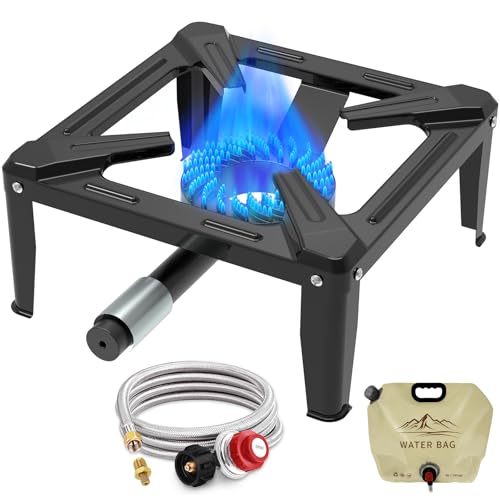
BESTFIRE Portable Single Burner Propane Stove Cast Iron

Bestfire 13″ Single Propane Burner Stove 90,000 BTU
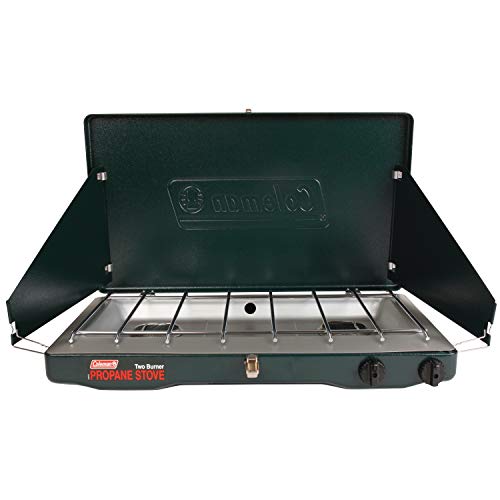
Coleman Classic Propane Stove, 2 Burner

Jetboil Jetpower Fuel Canister 450g

BESTFIRE 200,000 BTU Heavy Duty Propane Burner
Bestfire High Pressure Propane Burner 26,000 BTU

Bestfire 260,000 BTU Outdoor Propane Gas Stove
BESTFIRE Single Burner Propane Stove 13000 BTU

BESTFIRE 100,000 BTU Propane Burner with Heat Shield

BESTFIRE Propane Burner 100K BTU Outdoor
A Closer Look At Each Pick
A solid cast iron frame and a wide burner ring make this BESTFIRE unit feel planted even when loaded with a heavy stockpot of crawfish. The included regulator hose hooks straight to a standard propane tank, so setup takes minutes rather than a toolbox session.
For tailgates, the build shrugs off bumps and the surface area accepts wide pans without wobble. It runs hotter than the compact camping stoves on this list, so searing and boiling happen fast. BTU (British Thermal Units) measures how much heat the burner pushes out per hour; higher numbers mean faster cooking but also more fuel use.
The Case For It
- Thick cast iron body resists warping under repeated high-heat use
- Wide burner ring accepts oversized pots for seafood boils
- Included regulator hose removes the need for extra fittings
- Stable footing keeps heavy cookware from tipping during stirring
Things To Consider
- Heavier than aluminum-bodied stoves, so transport takes effort
- Cast iron needs a dry storage spot to prevent rust over time
Who It Suits Best
Tailgate hosts and backyard seafood-boil cooks who want muscle and a wide cooking platform.
Consider Something Else When
The Bestfire 13″ Single Propane Burner is a stronger fit for wok cooks needing a rounded-bottom rack.
This 13-inch Bestfire is built around a wok-shaped burner rack, so round-bottom pans sit where they belong instead of rocking on a flat grate. The included CE-certified regulator and 4-foot hose keep the package self-contained from the moment it arrives.
At 90,000 BTU, the burner puts out serious heat for stir-fry work where timing matters. The cast iron head holds temperature well, which helps when you sear a batch of vegetables and want the next batch to cook just as fast.
Where It Helps
- Curved burner rack cradles round-bottom woks securely
- High-pressure output supports restaurant-style stir-fry at home
- Compact 13-inch footprint fits on most patio tables
- All-in-one package includes regulator and hose for quick setup
Worth Noting
- Curved rack limits compatibility with flat-bottom skillets
- Single heat setting without adjustable PSI may frustrate simmer cooks
Key Specs
Made For
Home cooks who treat wok cooking as a serious craft and want a single-purpose burner for it.
Look Elsewhere When
The BESTFIRE 260,000 BTU Outdoor Propane Gas Stove suits large-batch cooks who need more firepower.
The Coleman Classic is technically a two-burner unit, but for families needing simple campsite cooking it belongs in the single-burner conversation. Wind-blocking side panels shield the flames from gusts that kill other stoves, and the pressure regulator keeps heat steady when the tank gets low.
Two adjustable burners mean you can simmer beans on one side while browning meat on the other, a luxury most single-burner competitors can’t match. Fits a 12-inch and 10-inch pan at the same time, which covers most family meals.
Key Advantages
- Two independently adjustable burners for multitasking meals
- Built-in wind panels protect flames in breezy conditions
- Pressure regulator maintains output as fuel level drops
- Compact fold-down footprint stores easily in a car trunk
Trade Offs
- Heavier and bulkier than true single-burner options
- Runtime depends on a separately sold 16.4 oz propane cylinder
- Not designed for high-BTU wok work or large stockpots
Best Suited To
Family campers who want two pans going at once without bringing a full kitchen.
Skip It When
The BESTFIRE 100,000 BTU Propane Burner serves better for tailgate cooks needing searing heat.
Jetboil’s 450-gram canister isn’t a stove itself; it’s the propane/isobutane blend that powers compatible backpacking systems. The higher vapor pressure helps the fuel perform in cold weather where standard propane struggles to ignite.
For backpackers counting ounces, this four-season fuel delivers dependable boil times without the bulk of a 20-pound propane tank. Isobutane is a hydrocarbon gas that vaporizes more easily than pure propane, which is why it works in low temperatures.
Standout Benefits
- Four-season blend resists pressure drop in cold conditions
- Compact canister shape slides into backpack side pockets
- Compatible with most Jetboil systems and similar backpacking stoves
- Clean-burning fuel leaves minimal residue on cookware
Honest Caveats
- Only fits stoves designed for threaded isobutane canisters
- Empty canisters require proper recycling, not trash disposal
The Right Fit
Backpackers heading into cold weather who need a fuel source their stove can actually use.
A Better Fit Elsewhere
The Coleman Classic Propane Stove is the smarter choice for car campers using refillable propane cylinders.
At 200,000 BTU, this BESTFIRE unit steps into serious territory for home brewing and large-batch cooking. The 0-20 PSI adjustable regulator lets you dial flame intensity from simmer to full roar, which is the kind of control most cast iron burners skip.
The CSA-certified regulator adds a layer of safety oversight you don’t get on cheaper imports. CSA (Canadian Standards Association) certification indicates the regulator has passed third-party safety testing. For turkey frying or crawfish boils, the heavy-duty hose handles the pressure without kinking.
Bright Spots
- Massive heat output handles large pots for brewing and boiling
- Adjustable PSI regulator provides real flame control
- CSA-certified regulator meets recognized safety standards
- Sturdy frame supports heavy pots without flexing
A Few Limitations
- Higher BTU output burns through propane faster than mid-range stoves
- Frame size demands more storage space than compact options
Feature Snapshot
Who Should Grab It
Home brewers and turkey-fryers who need adjustable, high-BTU heat and a certified regulator.
Reach For A Different Pick When
The Bestfire 26,000 BTU High Pressure Propane Burner is a better fit for casual cooks who don’t need this much fire.
The 26,000 BTU Bestfire sits in the middle of the lineup, offering more heat than entry-level stoves without the propane appetite of 100K-plus burners. The included 4.1-foot hose with built-in regulator keeps the package simple for anyone who doesn’t want to source parts separately.
It hits a sweet spot for deep frying, where you need enough heat to recover oil temperature quickly after dropping food in. For weekend cooks who fry fish or boil small lobster pots, this feels right-sized.
Everyday Perks
- Moderate BTU output balances heat with fuel efficiency
- 4.1-foot hose offers flexibility in tank placement
- Compact size stores easily in a garage or shed
- Built-in regulator removes guesswork during setup
Points To Keep In Mind
- Not enough heat output for huge stockpots or full turkey fryers
- Body finish may show wear after frequent transport
Perfect Match For
Backyard cooks who want a step up from basic stoves without oversizing their propane budget.
Where Another Pick Suits Better
The BESTFIRE 200,000 BTU Heavy Duty Propane Burner handles serious brewing sessions that demand more fire.
This 260,000 BTU beast anchors the high-output end of the Bestfire lineup. The steel-braided hose replaces the rubber hoses found on cheaper burners, which matters when flames lick near the line during long boils.
The 0-20 PSI adjustable regulator works with both propane and natural gas setups, giving cooks flexibility if they already have a gas line run to an outdoor space. Steel braiding resists the cuts and abrasion that ruin standard rubber hoses over time.
The Value In It
- Top-tier BTU output for the largest seafood boils and canning batches
- Steel-braided hose resists heat damage and abrasion
- CSA-certified regulator with wide 0-20 PSI adjustment range
- Compatible with both propane and natural gas configurations
Where It May Fall Short
- Highest fuel consumption in the Bestfire catalog
- Frame weight challenges one-person transport to remote setups
Core Details
Built With In Mind
Cooks running serious outdoor events who treat the burner like a permanent patio fixture.
Another Choice May Suit
The BESTFIRE Propane Burner 100K BTU is easier to haul and still packs enough heat for most backyard cooks.
The 13,000 BTU output and simple 5 PSI regulator make this BESTFIRE model the least intimidating option on the list. The red knob sits directly on the steel-braided hose, so flame adjustment happens without reaching near the burner.
The cast iron head distributes heat evenly, which helps beginners avoid the hot spots that scorch food. It’s a practical entry point for anyone curious about outdoor cooking but unsure about investing in a 100K BTU monster.
Strong Points
- Simple control layout works well for first-time outdoor cooks
- Cast iron head spreads heat evenly across pan surfaces
- Heat-resistant coating helps prevent rust during storage
- Compact profile fits in small vehicles and apartment storage
Small Caveats
- Lower BTU output means longer times for big boils or fries
- Single fixed-pressure regulator lacks fine flame tuning
Right Fit For
Casual cooks and beginners who want outdoor flame without the complexity of high-output burners.
Swap It Out When
The Bestfire 13″ Single Propane Burner delivers the heat needed for serious wok cooking sessions.
The standout feature on this 100,000 BTU model is the upgraded heat shield design, which extends protection to the front of the burner where flames can lick toward the hose connection. Owners running long boils report that the shield prevents the kind of hose damage that ruins cheaper burners after a season.
The 4.1-foot adjustable hose gives you room to position the propane tank safely away from the heat zone. For turkey frying, where the cook can run two or three hours, that extra protection matters.
Notable Upsides
- Extended front heat shield blocks flame from reaching hose
- 100,000 BTU supports serious boiling and frying sessions
- Bottom heat shield protects ground surfaces during use
- Adjustable hose length helps position tank away from heat
Factors To Consider
- Heat shield adds weight compared to basic 100K models
- Shield design may require extra clearance on tight patios
At A Glance
Whose Shelf It Belongs On
Long-session outdoor cooks who run multi-hour boils and want extra protection for the hose and surrounding surfaces.
Not Your Match When
The BESTFIRE Single Burner 13000 BTU is a smarter pick for short, casual backyard meals.
Weighing around six pounds with a compact footprint, this 100,000 BTU model travels better than the larger Bestfire options. The heavy-duty cast iron construction holds up to repeated transport, which matters if you’re loading it into a truck for fishing trips or camping weekends.
It handles the typical outdoor cooking range: boiling, frying, heating, and general cookware duty. The versatility makes it a useful all-rounder for people who want one burner that covers backyard boils and remote-campfire meals alike.
Where It Excels
- Lighter than comparable 100K cast iron stoves for easier transport
- Versatile output supports boiling, frying, and heating tasks
- Compact dimensions fit in truck beds and storage bins
- Cast iron build holds up to repeated outdoor use
Practical Considerations
- No listed regulator specs mean you may need to source fittings separately
- Lower-output work like simmering may require careful flame management
Feature Card
Who Will Love This
Multi-purpose outdoor cooks who want one burner that moves between backyard boils and camping trips.
Where A Sibling Pick Shines
The BESTFIRE 100,000 BTU Propane Burner with Heat Shield offers extra safety for long cooking sessions.
What To Weigh Before Choosing A Single Burner Setup
Matching a burner to your actual cooking style saves money and frustration. A wok enthusiast and a turkey fryer have different needs, even if both use propane.
Heat Output And Real Cooking Speed
BTU ratings give a rough sense of how fast a burner brings water to a boil or how quickly oil recovers after dropping in food. Higher output means faster cooking, but it also means faster propane consumption. A 26,000 BTU stove may take longer for a big seafood boil, but it stretches each tank further. Backyard cooks running occasional meals often find mid-range output more practical than chasing maximum heat.
Build Materials And Long-Term Wear
Cast iron bodies hold heat better than stamped steel, and they resist warping under repeated high temperatures. The trade-off is weight and the need for dry storage to prevent rust. Steel-braided hoses outlast rubber versions when flames reach the connection point, which happens more often than people expect during long boils.
Portability Versus Stationary Use
Lightweight designs under ten pounds travel easily to campsites and tailgates, while heavier burners with bigger frames feel more planted for permanent patio setups. Consider where you’ll use the burner most: a heavy-duty setup in a fixed location makes sense, but a six-pound model works better for trips.
Fuel Source And Compatibility
Standard propane tanks fit most burners via the included regulator hose, but some models also accept natural gas with the right fittings. Backpacking stoves use small threaded isobutane canisters instead, which trade capacity for compact size. Match the fuel system to your existing tank inventory before buying.
Key Considerations Across These Picks
Where Shoppers Go Wrong
Plenty of first-time outdoor-cook buyers grab the highest BTU model they see and wonder why their small propane tank empties in one boil. Output should match your typical pot size and cook time, not just impress on paper. Another common trap is ignoring hose quality, since rubber hoses can melt or crack near flames after a few uses, and replacement costs add up. Always check that the included regulator matches your propane tank type before lighting up.
When Paying More Pays Off
Higher-tier burners earn their cost through adjustable regulators, steel-braided hoses, and cast iron bodies that survive years of use. The extra spend shows up most clearly during long cooking sessions, where cheaper models lose heat consistency and risk hose damage. For occasional quick meals, a budget pick works fine, but for regular outdoor cooking the upgrade delivers durability that pays back over time.
Frequently Asked Questions
How Many BTU Do You Actually Need For Outdoor Cooking?
For boiling water and basic frying, 20,000 to 30,000 BTU handles most tasks. Turkey frying, crawfish boils, and home brewing push into the 90,000 to 200,000 BTU range where bigger pots recover heat quickly.
Can You Use These Burners Indoors?
No. These burners produce carbon monoxide and require outdoor ventilation. Even a garage with the door open isn’t safe enough for extended use.
What Size Propane Tank Works With These Stoves?
Most single-burner propane stoves connect to standard 20-pound grill tanks via the included regulator hose. Backpacking models use small threaded isobutane canisters instead.
How Long Does A Propane Tank Last On A High-BTU Burner?
A standard 20-pound tank runs roughly four to six hours at moderate output on a 100,000 BTU burner. Higher settings and continuous boiling drain tanks faster.
Do These Stoves Need Any Assembly?
Most arrive mostly assembled with the regulator and hose attached. Setup typically means connecting the hose to your propane tank and checking for leaks with soapy water before lighting.
Closing Remarks
The right single burner depends on whether you mostly boil, fry, or stir-fry, and how often you cook outdoors. Compact cast iron models cover casual backyard duty, while high-output burners handle the heavy work of boils and brewing. Match the burner to your most common cook, and the rest of the meal planning gets easier from there.