
Whether you’re chasing alpine summits at sunrise or grinding through a multi-day loop with a loaded frame, the right pack quietly shapes every mile. A poor fit bites into shoulders long before the trail turns steep, and the wrong capacity forces ugly compromises at camp. You want a pack that carries weight comfortably, sheds weather without drama, and stays out of your way when the route gets technical. This list focuses on packs that handle real terrain, fit a range of body types, and earn their place across hiking, climbing, and family adventures.
The Picks In Brief

Osprey Rook 50L Men’s Backpacking Backpack, Blue OS

Deuter Junior Children´s Backpack (18 L)

Mardingtop Small Tactical Backpack 15L/25L
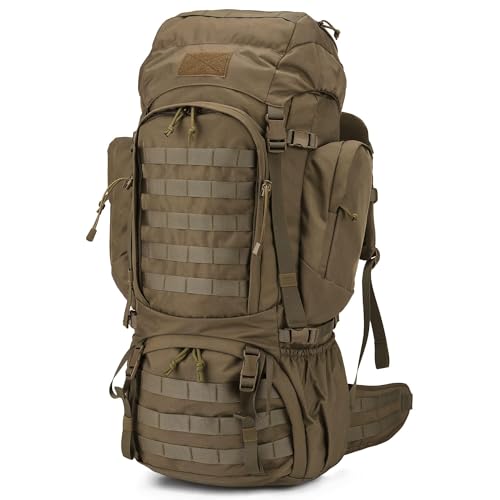
Mardingtop 60L Military Internal Frame Backpack with Rain Cover

Mardingtop 75L Molle Hiking Internal Frame Backpack (Khaki)

Deuter Trail 28L SL Backpack for Biking & Hiking

Mardingtop 50L Internal Frame Backpack with Rain Cover
More On The Choices That Made The List
The Osprey Rook 50L is a workhorse built for hikers who want a forgiving fit without paying flagship prices. Its 50-liter capacity swallows multi-day loads comfortably, and the suspension (the harness and frame system that transfers weight from your shoulders to your hips) uses a ladder-lock torso adjustment, so dialing in the right torso length takes seconds rather than trial and error.
You get an integrated raincover tucked into a dedicated pocket, which is the kind of feature you stop noticing until the sky opens up without warning. Compared to the smaller Deuter Junior ahead, the Rook is purpose-built for adult-sized adventures, and it handles heavier overnight loads more gracefully than compact daypacks in this list.
Everyday Perks
- Adjustable ladder-lock torso fits a wide range of body types without fuss.
- Integrated raincover deploys quickly when storms roll through.
- 50L volume covers three-season weekend trips with room for layers and food.
- bluesign certification (an independent textile safety and sustainability standard) signals responsible material sourcing.
Things To Consider
- At 50L it can feel oversized for fast-and-light day missions where smaller packs like the Mardingtop 15L/25L shine.
- The ventilated back panel helps, but on humid summer days you may still notice some sweat buildup against the lumbar.
Key Specs
Who It Suits Best
Intermediate backpackers planning two-to-four-day trips who want a pack that fits well out of the box and carries a real overnight load.
Where Another Pick Suits Better
Young hikers or parents introducing kids to the trail will get better mileage from the Deuter Junior 18L, which is sized and shaped for smaller bodies.
The Deuter Junior is one of the few packs designed from the ground up for children aged five and up, rather than a scaled-down adult design. The alpine-inspired silhouette looks the part on family hikes, and the Airstripe back system (a suspended mesh panel that creates airflow channels between the pack and your back) keeps air moving even when a small hiker is working hard uphill.
Soft-edge S-shaped shoulder straps sit comfortably on narrower frames, which matters more than parents often expect. Where the Osprey Rook ahead is built for adult overnight loads, this pack keeps day-trip gear organized and accessible for kids still building trail stamina.
Where It Helps
- Airstripe back panel delivers real ventilation, not just marketing claims.
- Soft-edge shoulder straps prevent chafing on small shoulders and necks.
- 18L capacity fits a kid’s water, snacks, extra layer, and small discoveries from the trail.
- Alpine styling gives young hikers a sense of carrying real gear.
Worth Noting
- The 18L volume is ideal for day hikes, but grownups or longer trips will need a bigger pack like the Mardingtop 50L.
- Construction is built for child-sized loads, so you may notice wear faster than with adult packs under rougher handling.
Made For
Families introducing children aged five and up to hiking who want a pack proportioned and weighted for small bodies.
Consider Something Else When
Adults tackling multi-day routes will be better served by the Osprey Rook 50L, which carries overnight loads with proper adult suspension.
The Mardingtop Small Tactical Backpack covers a niche most packs in this list ignore: short, fast missions where agility matters more than capacity. Offered in 15L and 25L sizes, it borrows MOLLE webbing (Modular Lightweight Load-carrying Equipment, a system of stitched straps that lets you clip on extra pouches and accessories) from military packs, so you can bolt on extra pouches or lash a jacket outside when the day warms up.
Reflective strips across the exterior add visibility for cyclists and trail runners moving before dawn. After the Deuter Junior designed for kids, this is the grownup’s quick-grab option when you want hydration storage and essential kit without hauling a full backcountry pack.
Standout Benefits
- MOLLE webbing lets you expand capacity on the fly with aftermarket pouches.
- Reflective accents boost low-light visibility for cyclists and early-morning hikers.
- Air-mesh back panel manages heat better than solid tactical designs.
- Built-in safety whistle on the sternum strap is a small but welcome trail safety feature.
Points To Note
- The compact 15L size leaves little room for bulkier overnight layers, where the Mardingtop 50L or 75L earns its place.
- Owners commonly report that the hydration tube routing works best with narrow bladders, so bigger reservoirs may need adapter work.
Key Specs
Best Suited To
Day hikers, cyclists, and trail runners who want a tactical-styled pack for fast missions and short loops.
Skip It When
Longer expeditions call for the Mardingtop 60L Military Internal Frame Backpack, which carries real overnight weight with internal frame support.
The Mardingtop 60L is built for trips where you’re hauling more than just a sleeping bag and a stove. The internal aluminum frame transfers weight to your hips, which makes a real difference when you’re carrying hunting kit, camp gear, or a few days of supplies on rough terrain. The included rain cover stows in its own pocket, ready to deploy when weather shifts.
MOLLE webbing wraps the entire pack, letting you attach sleeping pads, trekking poles, or extra pouches. After the Mardingtop 15L/25L covered quick missions, this is the workhorse option when the route demands more space and serious support.
Why It Works Well
- Internal frame keeps heavy loads stable and transfers weight effectively to the hips.
- Full-perimeter MOLLE webbing supports modular load-outs for hunting or expedition use.
- Dedicated patch area accommodates nametape and morale patches for those who like customization.
- Hiking pole and ice ax attachment points secure tools without blocking access to the main compartment.
Honest Caveats
- At 60L the pack runs large for shorter hikers, who may find the torso length less forgiving than the Osprey Rook’s ladder adjustment.
- The tactical styling and extra webbing add weight compared to streamlined backpacking packs, so ultralight hikers may find it heavy for the capacity.
Feature Snapshot
Perfect Match For
Hunters, extended-trip backpackers, and tactical gear enthusiasts who need to carry real volume and like the option to attach extra equipment.
Reach For A Different Pick When
Active day hikers moving fast on trail will find the Deuter Trail 28L SL more breathable and easier on the shoulders.
The Mardingtop 75L is the expedition-sized sibling in this lineup, aimed at travelers and backpackers who need to carry everything for a week or more. The 600D polyester shell (a heavyweight, abrasion-resistant fabric rated by the denier, or fiber thickness, of its weave) handles abrasion from rocks, branches, and airline cargo holds without drama, and YKK zippers (a premium Japanese zipper brand widely considered the industry benchmark for durability) keep the main compartment opening smooth trip after trip.
An integrated hydration sleeve accepts a 3-liter bladder, and the tube routes cleanly out the top near the grab handle. Compared to the 60L above, this pack gives you extra room for group gear, cold-weather layers, or a longer food carry.
Strengths Worth Knowing
- 600D polyester fabric resists abrasion on rough trails and rough travel days.
- YKK zippers tend to outlast cheaper alternatives on long expeditions.
- 3-liter hydration compatibility keeps water accessible without awkward bottle juggling.
- Internal frame provides load support for genuinely heavy base-camp setups.
Less Ideal Details
- 75L is overkill for weekend trips, where the Mardingtop 50L is a more practical carry.
- The full-size frame and extra fabric add noticeable weight, so ultralight-minded hikers may want to look at smaller packs in this list.
Feature Card
Who Should Grab It
Expedition-style backpackers and long-haul travelers who genuinely need to carry a week’s worth of gear and want a frame-supported pack that takes abuse.
Look Elsewhere When
Weekend warriors will be more comfortable with the Mardingtop 50L Internal Frame Backpack, which balances capacity and weight more kindly.
The Deuter Trail 28L SL is engineered for movement, whether you’re pedaling a gravel road or pushing a fast hiking pace. The Airstripes back system uses a reduced contact surface and large ventilation channels to keep air flowing across your back, which is the real-world difference between a pack you can wear all day and one you can’t wait to take off.
The SL fit is narrower through the shoulders and hips, designed for smaller-framed or female wearers. After the high-capacity Mardingtop 75L covered expedition loads, this is the nimble, breathable pick for active day missions on bike or foot.
Where It Delivers
- Airstripes back system keeps airflow moving on hot, sweaty climbs.
- SL fit caters to narrower torsos without the swim-in-shoulder-strap feel of unisex packs.
- Perforated shoulder straps and hip fins spread weight without pressure points.
- Recycled 600D polyester and 210D polyamide (a lighter, more flexible synthetic fabric) shell balances durability with reasonable weight.
Practical Considerations
- At 28L it’s a daypack at heart, so longer trips require a bigger option like the Osprey Rook 50L.
- Owners commonly note that the slim profile leaves less room for bulky layers when cold weather demands extra insulation.
Quick Facts
The Right Fit
Active day hikers, bikers, and smaller-framed wearers who prioritize ventilation and a close, stable carry over maximum volume.
A Better Fit Elsewhere
Backpackers carrying overnight gear will find the Mardingtop 60L a more appropriate choice, with internal frame support for real loads.
The Mardingtop 50L lands in the middle of the capacity spectrum, and for many hikers that’s exactly where the sweet spot sits. The 600D polyester shell handles typical trail abuse, while multiple compartments keep smaller essentials from disappearing into the abyss of one big main pocket. At roughly 2 kg, the pack carries its weight without feeling punishing on weekend trips.
An included rain cover handles the wet stuff, and the internal frame provides enough structure for moderate overnight loads. After the ultralight Deuter Trail 28L SL, this pack returns to a more traditional, roomy profile for hikers stepping up from day trips.
What Pays Off
- 50L capacity handles weekend trips without forcing you to leave behind comfort items.
- Multiple internal compartments keep maps, first-aid kits, and snacks organized.
- Internal frame stabilizes moderate loads and transfers weight to the hips.
- Included rain cover saves a separate purchase for foul-weather days.
Trade Offs
- Compared to the Deuter Trail 28L SL, this pack is heavier and less breathable for fast day missions.
- Owners commonly mention that the stock shoulder strap padding is adequate rather than plush on longer mileage.
Feature Rundown
Whose Shelf It Belongs On
Weekend backpackers, travelers, and newer hikers stepping up from day trips who want a versatile, roomy pack that won’t punish them on moderate mileage.
Swap It Out When
Active day-trippers will prefer the Deuter Trail 28L SL, which is lighter, more ventilated, and shaped for fast movement on bike or foot.
Picking The Right Pack For Your Trail Style
Capacity sets the first boundary. Day hikes usually settle between 20L and 35L, while weekend trips comfortably fit into 45L to 60L, and expeditions push past 65L. The trap is sizing up “just in case,” because an overstuffed small pack carries better than an under-filled large one.
Suspension matters more than most buyers expect. A frame (whether internal aluminum stays or an external wire structure) and a padded hip belt are what move weight off your shoulders. Torso length, not height, is what determines whether a pack actually fits, so adjustable systems like Osprey’s ladder-lock design pay off for households sharing gear.
Ventilation becomes a comfort issue on long climbs. Airstripes, AirSpeed, and similar suspended back panels keep air moving, but you trade a bit of load stability for the airflow. Materials also shape the experience: 600D polyester strikes a familiar balance between durability and weight, while lighter polyamide weaves save grams at the cost of abrasion resistance.
Finally, features should match your real routine. Rain covers, hydration sleeves, and MOLLE webbing all help, but only if your trips actually demand them. The honest read is to choose a pack sized for your most common trip, not your longest imagined one.
Key Considerations Across These Picks
Wrong Turns To Avoid
Plenty of shoppers buy a pack based on capacity alone, then discover their torso length never matched the harness. Always confirm torso fit before checkout, since even the right volume feels wrong on an ill-fitting frame. Another slip is buying for future trips: a 75L pack will haunt every quick Saturday hike. Match the pack to your most frequent adventure, not your biggest fantasy.
Where The Extra Money Goes
Higher-tier packs spend the difference on suspension refinement, lighter fabrics, and more accurate fit adjustments. You feel the upgrade most on heavy loads and long days, where a smoother hip transition and better ventilation measurably reduce fatigue. For shorter, lighter use, the cost premium is harder to justify, and value-oriented models handle the job just fine.
Frequently Asked Questions
How do I know what size backpack I need?
Measure your torso from the C7 vertebra (the bony bump at the base of your neck) to the top of your hips, then match that to the pack’s torso range. Capacity should follow your typical trip length, not your ambition.
Is a 50L pack enough for a weekend trip?
Yes, for most three-season weekends a 50L pack handles a sleeping bag, pad, shelter, clothing layers, and food. Cold-weather trips with bulky insulation may push you toward 60L or more.
Do I need an internal frame for hiking?
For loads over about 10 kg, an internal frame genuinely helps transfer weight to your hips. Lighter loads on shorter hikes can manage with frameless or minimal-frame designs, but you’ll feel the difference on long descents.
How important is a rain cover?
A rain cover or waterproof pack liner keeps your sleeping bag and dry clothes safe when weather rolls in unexpectedly. Many packs in this list include covers, which simplifies planning.
Can these packs handle air travel?
Larger packs (60L and up) typically need to be checked as oversized luggage. The 50L Mardingtop sits within common checked-bag dimensions, though policies vary by carrier.
Closing Remarks
The pack you carry quietly shapes every mile, every climb, and every wet evening at camp. Match capacity to your most common trip, prioritize a fit that actually suits your torso, and lean into the features your routine truly uses. The right choice is the one you stop thinking about once the trail starts.