
Anyone who has stretched from a wobbly ladder to dab a ceiling corner knows the moment a telescoping pole earns its keep. Painters, flag-flyers, surveyors, and weekend cleaners all reach for the same idea: a slim shaft that collapses short enough to store in a closet and extends tall enough to skip the ladder altogether. The trick is matching the pole to the work, since a 4-foot trim pole and a 16-foot exterior pole are barely related tools.
The list below mixes painting extension poles, residential flagpoles, and a few professional surveying and RTK accessories that share the same aluminum-telescoping DNA. You’ll see where each one excels, where it falls short, and which neighbor on the list might suit you better.
A Snapshot Of The Selections
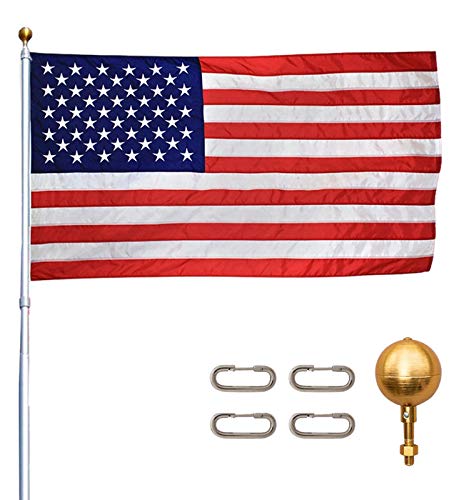
Titan Telescoping Flag Pole Kit 15ft

18-Pack Wooster R055 Sherlock 4-8ft

Wooster SR057 Sherlock Extension 8-16ft

Mr. LongArm 2408 Fiberglass and Aluminum Pole

SingularXYZ Surveying Tribrach and Adapter
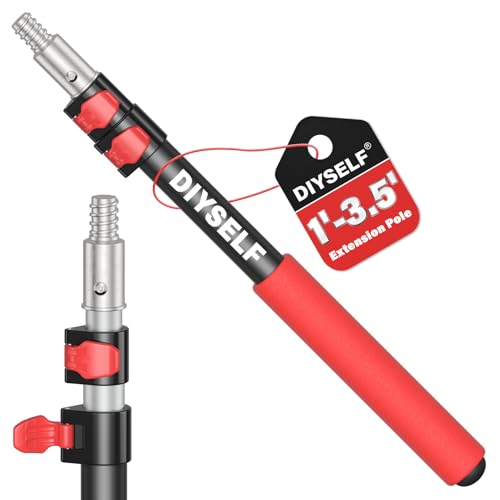
DIYSELF 3.5ft Paint Roller Extension

DIYSELF 8ft Paint Roller Extension

SingularXYZ E1 Pro-L1 RTK Base System

DIYSELF 12ft Adjustable Telescoping Pole
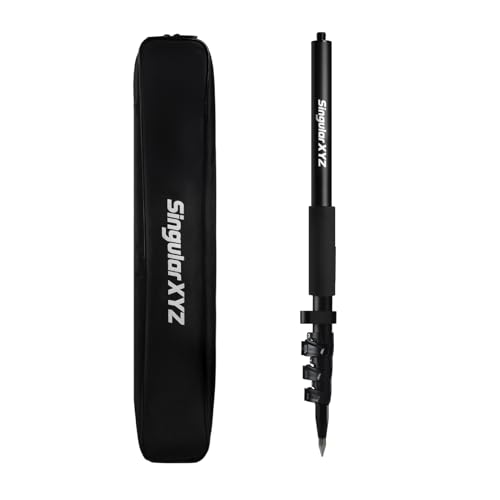
SingularXYZ Aluminum GPS Rover Rod 1.8m
The Picks, Examined More Closely
This is the one homeowners who want a flag visible from the street actually keep installed. The 15-foot telescoping shaft drops down by section to make setup a one-person job, and the anodized aluminum finish is built to handle years of rain and sun without the chalky oxidation you sometimes see on cheaper painted poles. The kit comes with a 3×5 American flag, the hardware for two flags, and printed assembly instructions, which removes the usual scavenger hunt for compatible clips and rings.
It looks at home on a ranch porch or a suburban front lawn. The standard ground sleeve lets you set it into a concrete footing, while the included mounting hardware covers wall and porch-rail brackets for renters who can’t pour concrete. Compared with the painting poles later in this list, the Titan is much thicker at the base and uses fewer sections, so it’s stiffer in wind but heavier to carry.
A Strong Showing
- Multi-section telescoping design extends to 15 feet for clear street visibility from most residential lots.
- Anodized aluminum resists surface oxidation better than raw aluminum, so the silver finish stays presentable in coastal or humid climates.
- Full accessory kit includes a 3×5 American flag, two-flag hardware, and a ground sleeve, removing the need to source parts separately.
- Assembly instructions walk a first-time installer through setup without specialist tools.
Honest Caveats
- At 15 feet, the pole can flex noticeably in strong wind, so you may want to lower the flag as a storm approaches.
- Storing the full kit indoors extends hardware life; a sleeve in soft ground can collect debris that scratches the lower sections.
- Heavier than slim painting poles, which makes installation a two-hand job once extended.
Who It Suits Best
Homeowners and small-business owners who want a permanent residential flag display without hiring an installer.
Where A Sibling Pick Shines
The SingularXYZ Aluminum GPS Rover Rod 1.8m is a better match for surveyors needing a portable 6-foot aluminum rod instead of a residential display.
Eighteen poles in one box is unusual, which tells you exactly who this is for: painting contractors outfitting a fresh crew, or property maintenance teams that need one pole per unit. Each one runs 4 to 8 feet, and the locking mechanism is the same thumb-lever style the brand has shipped for years, so painters who already own Wooster heads and frames will recognize the click.
The 6-inch adjustment increments let you match ceiling height and door height without overshooting into the ceiling grid. The hexagonal aluminum inner core is the standout engineering choice because it stops the pole from twisting as you roll, which sounds minor until you spend an afternoon with a round pole that slowly unwinds your cover. The fiberglass outer sleeve adds a measure of flex when a roller snags, and the universal threaded tip accepts most standard painting tools.
A Favorable Mix
- Hexagonal inner core prevents pole twist during rolling, a problem common with round aluminum poles.
- 6-inch detent increments make fine adjustments fast when moving between standard 8-foot and 9-foot ceilings.
- Bulk pack of 18 fits crew deployment and is more economical per pole than single-unit buying.
- Fiberglass outer sleeve adds a layer of flex that protects the pole when a loaded roller catches a lip.
Soft Spots
- Maximum reach of 8 feet rules out tall stairwells and vaulted ceilings where the 16-foot SR057 covers ground more comfortably.
- Thumb-lever locks can stiffen after years of paint exposure, so cleaning the lever after each job extends usable life.
Right Fit For
Painting contractors and maintenance teams equipping a new crew of residential interior painters.
Reach For A Different Pick When
The Wooster SR057 Sherlock Extension 8-16ft fits solo painters working on tall stairwells and vaulted ceilings.
The single-unit version of the Sherlock system is the pole that introduced many pros to twist-resistant telescoping. The SR057 extends from 8 to 16 feet, which means you can roll a two-story foyer wall or a vaulted great-room ceiling while your feet stay on the floor. The same hexagonal aluminum inner section that defined the 4-8 foot model carries over here, so you keep the no-twist roll even at full extension.
The fiberglass outer sleeve acts as a buffer if a loaded roller catches a window stool, and the universal threaded tip accepts the same brushes, frames, and pads the shorter pole uses. For most solo painters working on tall residential interiors, this is the safer pick over the 18-pack because one pole gets the focus, not a stack of identical tools in a van.
Useful Highlights
- 16-foot maximum reach covers two-story foyers, vaulted ceilings, and tall stairwell runs from the floor.
- Hexagonal aluminum inner section keeps the pole from twisting as you roll, preserving roller orientation at full extension.
- Universal threaded tip accepts standard Wooster and competitor frames, brushes, and pads.
- Fiberglass outer layer adds a measure of flex when a loaded roller snags.
Trade Offs
- Longer shaft is heavier to hold overhead, so expect forearm fatigue on multi-hour ceiling jobs.
- Twist locks need cleaning after paint exposure to keep the thumb lever smooth.
Feature Snapshot
Made For
Solo painters tackling tall residential interiors who want a single professional-grade pole over a bulk pack.
Skip It When
You outfit a multi-painter crew, in which case the 18-Pack Wooster R055 Sherlock 4-8ft covers more ground per dollar.
The Mr. LongArm 2408 takes a different locking approach than the Sherlock series. Instead of a thumb lever, it uses an external quick-lock collar combined with a lockstep thread that keeps your roller frame from loosening mid-stroke. For painters who have been burned by tools unscrewing at full extension, that mechanical logic is the main reason to pick this over a generic pole.
The fiberglass handle with anodized aluminum slider splits the weight between the comfortable grip and the rigid extending section. The die-cast metal threaded end accepts standard threaded painting tools, so you can swap in a roller, a pad, or a duster without adapters. In a typical interior repaint, this is the pole that disappears into the workflow because the lock and the tool head behave the way you expect.
The Upside
- External quick-lock collar provides a positive, visible lock at each length, which is reassuring on ladder-free ceiling work.
- Lockstep thread keeps roller frames and adapters from loosening during long rolling sessions.
- Composite fiberglass handle dampens vibration and stays comfortable through full-day interior work.
Where It May Fall Short
- Maximum reach is shorter than the Wooster SR057, so tall foyers and stairwells will still need a longer pole.
- The lock collar adds a small amount of bulk near the grip, which takes a session to get used to.
Quick Facts
Who Should Grab It
Painters who prefer a positive external lock over a thumb lever and want their roller frames to stay tight.
A Better Fit Elsewhere
The Wooster SR057 Sherlock Extension 8-16ft suits painters who need 16 feet of reach on tall interiors.
The surveying tribrach is the part of an RTK setup most people never see, because it sits at the top of a tripod underneath the base receiver. SingularXYZ’s three-jaw tribrach with optical plummet centers the instrument over a ground point with the kind of precision that handheld GPS simply cannot match. The included 5/8-inch thread adapter covers the standard mounting for most GNSS receivers and total station prisms.
Field crews working in unpredictable weather will appreciate the IP65 rating, which keeps dust and rain from interfering with the leveling mechanism. The optical plummet and bubble level work together to confirm the instrument sits over the survey mark before you start logging data. For crews running an RTK base or a total station, this is the piece that quietly determines whether the whole day of measurements holds up.
Where It Delivers
- Optical plummet with bubble level centers the instrument over a ground point within 1/2000 accuracy.
- 5/8-inch thread adapter fits the standard mount on most GNSS receivers and total station prisms.
- IP65 sealing keeps dust and rain out of the leveling mechanism in rough field conditions.
- Wide operating temperature range from -30°C to +65°C supports winter and summer field campaigns.
Possible Compromises
- The tribrach adds a noticeable load at the top of a tripod, so stability depends on a properly weighted tripod in wind.
- Levelling feet need cleaning after muddy setups, since grit reduces the precision of fine adjustments.
Feature Card
Best Suited To
Survey crews running an RTK base station or total station that needs precise centering on the ground point.
Consider Something Else When
The SingularXYZ E1 Pro-L1 RTK Base System suits surveyors who need an integrated base and rover in one package rather than a tribrach-only accessory.
Short telescoping poles get overlooked because they look like a smaller version of the big reach tools. The DIYSELF 3.5-foot pole flips that idea by treating close reach as the main job. It extends from 1.5 to 3.5 feet, which is the sweet spot for painting above kitchen cabinets, behind tall toilets, and across stairwell spandrels without a ladder.
The aluminum alloy shaft keeps the weight low so you can hold it overhead with one hand while steadying a brush with the other. Where the Wooster Sherlock and Mr. LongArm target pros, this pole lands in the DIY household niche where a 4-foot reach covers the typical awkward spot and stows in a closet drawer. It threads onto standard painting tools, so you can swap between a mini roller and a brush head.
Real Benefits
- Short 1.5 to 3.5-foot range covers kitchen-cabinet tops and stairwell spandrels without dragging a ladder inside.
- Aluminum alloy keeps weight low enough for one-handed overhead use.
- Compact collapsed length fits in a closet or kitchen drawer, unlike longer painting poles.
Honest Caveats
- Limited reach rules out standard ceiling painting, where the 8-foot DIYSELF is a more practical match.
- Thinner shaft than pro-grade poles, so heavier rollers and high-viscosity paints can flex the tip.
Quick Technical Notes
Perfect Match For
DIYers and renters who mostly need to reach above cabinets, behind tall fixtures, and across awkward trim.
Not Your Match When
Full ceiling repaints are on the schedule, in which case the DIYSELF 8ft Paint Roller Extension covers the same household with a much taller reach.
Where the 3.5-foot DIYSELF handles trim and cabinets, the 8-foot version takes on the typical room repaint. It extends from 3.2 to 8 feet, which is enough reach for a standard 8 to 9-foot ceiling from the floor with a roller frame attached. The aluminum alloy construction keeps the tool light enough that an average DIYer can hold it overhead for a full bedroom without trading arms halfway through.
The same DIY household positioning carries over from the smaller pole, and the 8-foot version is a good companion to a weekend project list. You can roll walls, paint ceilings, dust ceiling fans, and wash upper windows with the same tool, then collapse it to a length that fits in a hall closet. If your main goal is to skip the ladder for one interior repaint a year, this covers the brief without the pro-grade price.
Noteworthy Benefits
- 8-foot maximum reach handles typical 8 to 9-foot ceilings from the floor with a standard roller frame.
- Aluminum alloy keeps the shaft light enough for extended overhead use by a single DIYer.
- Collapses to 3.2 feet for hall-closet storage between projects.
- Multi-purpose shaft works for ceiling fans, upper windows, and dusting as well as paint rolling.
Some Limits To Know
- Not the pole for two-story foyers or vaulted ceilings, which the DIYSELF 12ft or the Wooster SR057 handle more comfortably.
- Locking collars on budget aluminum poles can loosen after heavy use, so check the lock before each pass.
Whose Shelf It Belongs On
DIYers and homeowners running a one-room repaint or seasonal ceiling and trim touch-ups.
Look Elsewhere When
The job involves tall stairwells or two-story walls, in which case the DIYSELF 12ft Adjustable Telescoping Pole is a closer match.
The E1 Pro-L1 is the heaviest hitter on this list, because it combines an RTK GNSS receiver with a laser measurement module. The 1.1-inch HD screen is the part crews notice first, since it stays readable in direct sun and lets one operator check survey data without flipping between apps. The 2cm accuracy rating and 15km UHF radio range support base-and-rover setups across a typical construction site.
AR stakeout is the feature that changes fieldwork. The system overlays the design point on the live camera view so the operator can walk straight to the stake location without staring at coordinates. Bluetooth, NFC, PPK, and NTRIP cover the standard data workflows, and the included tribrach lets the unit sit on a survey tripod alongside a prism. For crews that already use SingularXYZ receivers, this consolidates the base station into one box.
What Stands Out
- Laser and GNSS hybrid survey reaches points that a GNSS-only receiver cannot see, such as building corners and overhead targets.
- AR stakeout overlays the design point on a live camera view, reducing the time spent walking to a stake.
- 15km UHF radio supports base-and-rover coverage across a typical site without cellular reliance.
- Included tribrach lets the unit mount on a standard survey tripod alongside a prism.
Practical Considerations
- Setup workflow is more involved than a single RTK rover, so it suits crews with a dedicated base operator.
- Battery and screen care follow typical survey-instrument habits, since the touchscreen sees a lot of field use.
Feature Breakdown
Who Should Grab It
Survey crews that need a base station with hybrid laser measurement and AR stakeout for layout and topographic work.
Swap It Out When
You only need a portable rover rod for point pickup, in which case the SingularXYZ Aluminum GPS Rover Rod 1.8m is the lighter accessory.
The 12-foot DIYSELF is the household version of the tall professional pole. It extends from 4.8 to 12 feet, which covers most two-story exterior walls and many vaulted interior ceilings from the ground. The aluminum alloy shaft keeps the weight manageable, and the telescoping action is straightforward for DIYers who don’t want to learn a thumb-lever lock.
Where the Wooster SR057 is the painter’s tool, the DIYSELF 12 is the homeowner’s tool. It works for exterior siding touch-ups, gutter cleaning, second-story window washing, and seasonal cobweb removal from vaulted porches. Compared with the 8-foot version, the extra 4 feet of reach is the difference between rolling a first-floor ceiling and reaching a foyer wall without staging a ladder.
The Practical Payoff
- 12-foot maximum reach covers most two-story exterior walls from the ground for DIYers.
- Aluminum alloy construction balances low weight with enough rigidity for paint rolling and washing.
- Works for siding touch-ups, gutter cleaning, and second-story window washing with the same tool.
A Few Limitations
- Longer reach means more tip flex than shorter poles, so heavy rollers can feel less stable at full extension.
- Locking collars benefit from a quick check before each pass, especially on windy exterior days.
Built With In Mind
Homeowners who need occasional two-story exterior reach without hauling out a ladder or hiring a pro.
Another Choice May Suit
The Wooster SR057 Sherlock Extension 8-16ft is a better fit for professional painters who need that reach every day.
Where the surveying tribrach stays at the tripod, the rover rod goes into the field with the operator. SingularXYZ’s aluminum rover rod telescopes between 1.6 and 1.8 meters, which covers the typical 2-meter fixed-height survey standard. The dual locking system is the practical detail, because it keeps the rod from slipping under the weight of an RTK receiver on a windy day.
The one-piece design simplifies setup compared with multi-section rods that need tape and clamps. For crews running a SingularXYZ base, the threaded top mounts the receiver directly without an adapter. If your day is point pickup and topographic detail, this is the pole that disappears into the workflow because it just stands straight and stays at the height you set.
Notable Upsides
- Telescopes from 1.6 to 1.8 meters, covering the standard 2-meter rover height in one tool.
- Dual locking system holds the rod steady under the weight of an RTK receiver.
- One-piece design speeds setup compared with traditional multi-section rods that need clamps.
- Aluminum construction keeps the weight low for full-day fieldwork.
What To Weigh
- Limited to 1.8 meters maximum, so crews needing taller rover heights will want a different rod.
- Locking collars and tip threads need occasional cleaning after dusty site work to keep the action smooth.
The Right Fit
Survey crews using a SingularXYZ RTK receiver who need a reliable aluminum rover rod for point pickup.
Not Your Match When
You need a full base-station setup, in which case the SingularXYZ Surveying Tribrach and Adapter handles the tripod end of the workflow.
Factors To Consider When Choosing Aluminum Telescopic Poles
The first decision is reach. Painting and cleaning poles live or die on the gap between your tallest ceiling and the pole’s fully extended length, with a foot or two of headroom for the roller frame and your grip. A 4-foot pole handles kitchen cabinets; a 12-footer covers two-story exteriors. Buying shorter saves weight but forces the ladder back into the job.
Material mix is the second decision. Pure aluminum is the lightest option and resists corrosion, but it can flex under heavy roller loads at full extension. Fiberglass outer sleeves add a layer of flex that protects the shaft when a roller snags, and they dampen vibration in your hand. The professional Sherlock pattern of a hexagonal aluminum inner section plus a fiberglass outer sleeve is the engineering compromise most painters settle on because it keeps the shaft from twisting while still bending safely.
Locking mechanism matters more than specs suggest. Thumb-lever detents are fast but stiffen with paint residue, so cleanup extends their life. External quick-lock collars give positive feedback and resist slippage better, with a small trade-off in bulk. Dual locking systems on survey rods hold an expensive receiver steady in wind, which is the kind of detail you only appreciate after a rod collapses mid-survey.
Pitfalls Shoppers Hit
The most common slip is matching the pole to the wrong job. A bulk 18-pack of 4 to 8-foot poles is a great contractor fleet decision and a poor fit for a single homeowner with two-story walls, because the per-pole value evaporates when the reach runs short. Conversely, a 16-foot pro pole is overkill for a one-room repaint and tires the average DIYer before the second wall.
The second trap is ignoring the tip thread. A pole that does not accept standard threaded tools forces you into adapters that flex and loosen mid-stroke. Before picking, confirm the tip matches the rollers, brushes, or receivers you already own, and remember that “universal” usually means the standard painting thread, not the survey 5/8-inch mount.
What The Higher Tier Buys
Premium poles earn their keep with three quiet upgrades. The first is a hexagonal inner section that prevents the shaft from twisting under roll pressure, which sounds like a small detail until you spend a day with a round pole that slowly unwinds your cover. The second is a fiberglass outer sleeve that adds flex when a roller catches, so a snag becomes a gentle rebound instead of a cracked joint. The third is a lock that holds at full extension, with either an external quick-lock or a positive thumb-lever detent, so the shaft does not slide while you work.
The upgrade is worth it for pros who use the pole daily, because the time saved and the tools protected outweigh the price difference. For a homeowner with a single annual repaint, the value tier covers the brief, and the extra cost of a premium pole usually lives in a closet for the next decade.
Frequently Asked Questions
How long should an aluminum telescoping pole be for ceiling painting?
A standard 8 to 9-foot ceiling is comfortable with an 8-foot extension pole, because you add the roller frame and your arm to the math. Two-story foyers and vaulted ceilings need 12 to 16 feet of reach to keep your feet on the floor.
Are fiberglass and aluminum hybrid poles better than all-aluminum ones?
The hybrid pattern adds a fiberglass outer sleeve over an aluminum inner section, which combines low weight with a layer of flex that protects the shaft. All-aluminum poles are lighter and cheaper but can flex more under heavy roller loads at full extension.
Can a paint roller extension pole work for cleaning and dusting?
Yes, the same threaded tip that accepts a roller frame also fits standard dusters, squeegees, and wash heads. Many DIYers use one pole across painting seasons for cobweb removal, ceiling fan cleaning, and upper window washing.
What thread do surveying rover rods use?
Most survey rover rods and tribrachs use a 5/8-inch thread, which is the standard mount for GNSS receivers and total station prisms. Always confirm the receiver’s mount before pairing it with a rod or tribrach.
How do you store a telescoping pole so the locks keep working?
Wipe the locking collars and tip threads after each job, retract the sections fully, and store the pole indoors or in a covered space. Paint residue on a thumb lever and grit on a tribrach leveling foot are the two most common reasons locks and levels start to drift.
Wrap Up
The right aluminum telescoping pole depends on the ceiling, the wall, or the field site you actually face. Painters benefit from a hexagonal inner section and a fiberglass outer sleeve, surveyors need a stable rod or tribrach that holds calibration, and homeowners usually want one pole that covers the awkward spots without dragging a ladder back out. Match the pole to the work, check the lock and the tip thread, and the rest of the day runs smoother.