
The right cooler turns a hot parking-lot tailgate into a comfortable afternoon and a sandy beach day into something you remember. Affordable coolers span everything from small soft packs you sling over a shoulder to full wheeled chests for a long weekend of camping, so picking the wrong shape wastes money and space. These nine picks cover the realistic scenarios you actually face, from a quick grocery run to a multi-day outdoor trip, with one commercial-grade option for the home bar crowd.
A Side-By-Side Look

YETI Roadie 24 2.0 Hard Cooler

Stanley Adventure Outdoor Cooler 16 qt

Engel 19qt Leak-Proof Drybox Cooler
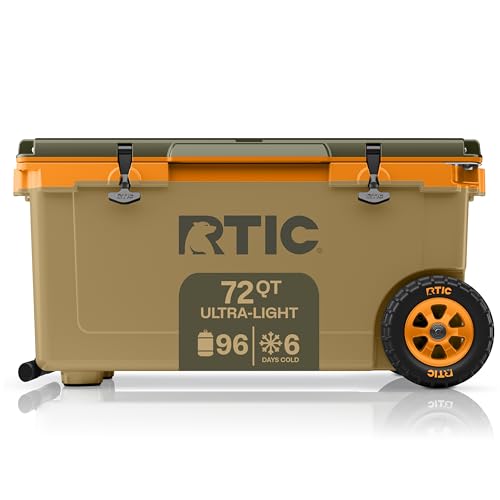
RTIC 72 QT Ultra-Light Wheeled Cooler
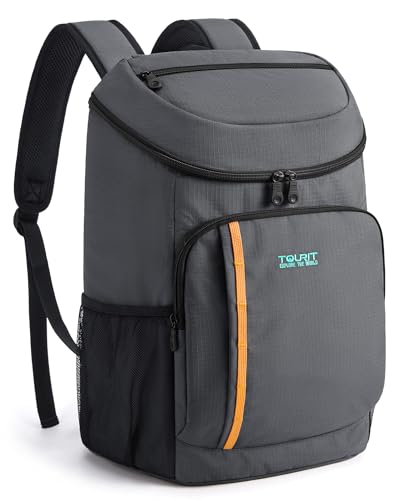
TOURIT Cooler Backpack 30 Cans

Igloo 5 Gallon Portable Sports Cooler

ENGEL 60 QT Ultra-Light Cooler

BODEGACOOLER 12 Cu.Ft Bar Cooler

BODEGACOOLER 9 Cu.Ft Beverage Cooler
Taking A Closer Look At The Options
The Roadie 24 sits in that sweet spot where you actually use a cooler often enough to want something solid, but you don’t need a 70-quart chest on every outing. Rotomolded construction (a molding process where plastic is rotated inside a heated mold to form a seamless, thicker shell) means the shell resists the usual dings from truck beds and gravel parking lots, and the DoubleDuty shoulder strap swaps between a short carry and a longer haul mode when your hands are full.
For a Saturday farmers’ market trip, a picnic at the lake, or a single-day tailgate, this is the size most people reach for again and again. Compared to the soft-sided TOURIT backpack later in the list, the Roadie trades portability for real ice retention and the kind of lid you can sit on without worry.
Features That Help
- Rotomolded one-piece shell that shrugs off drops and rough loading.
- DoubleDuty strap converts between grab-and-go and shoulder carry.
- Drain plug makes end-of-day cleanup quick so you aren’t tipping a heavy, leaky box.
- Compact footprint slides behind most car seats for road trips.
- Lid supports seated use at a campsite or tailgate without flexing.
Things To Consider
- Heavier than soft-sided options when carried any real distance.
- Empty interior is smaller than the 24-quart label suggests once ice is loaded.
Who It Suits Best
Day-trippers and tailgaters who want a durable hard cooler that fits behind a car seat and holds enough food and drinks for four people across an afternoon.
Where Another Pick Suits Better
For multi-day camping where capacity and wheels matter more than weight, the RTIC 72 QT Ultra-Light Wheeled Cooler handles the group-size jump better.
Stanley’s 16-quart Adventure Cooler lands in the category where price and capability have to meet halfway, and it usually does. The double foam insulation (a thicker sandwich of insulating foam between inner and outer walls) keeps drinks cold through a long afternoon, and the integrated top handle is the kind of simple detail you appreciate when walking across a parking lot with a loaded cooler in one hand.
You give up some of the rotomolded toughness of the YETI Roadie above, but you gain a noticeably lighter carry and a footprint small enough to live on a picnic table or the floor of a canoe. Owners commonly use this for day hikes, ballgames, and short festival days where the goal is cold drinks, not a four-day ice hold.
What Works In Its Favor
- Lightweight build keeps the cooler portable for short treks.
- Leakproof seal stops condensation from pooling in your trunk.
- BPA-free (free of bisphenol A, a chemical common in older hard plastics) construction for food-contact peace of mind.
- Top handle design frees up a hand for a chair or a kid.
- Compresses into storage without taking up garage space.
Worth Noting
- Ice retention drops fast in direct sun, so plan a shade spot.
- Hinges and latches are the first parts to show wear over years of heavy use.
- Smaller capacity than the YETI Roadie if you feed a family of four.
Right Fit For
Solo hikers and small families running short day trips where the priority is keeping drinks and snacks cool without lugging a full-size chest.
Not Your Match When
For boat-day fishing where you need an airtight seal and dry-storage confidence, the Engel 19qt Leak-Proof Drybox Cooler handles that scenario more reliably.
This Engel reads less like a cooler and more like a hard-sided tackle drybox that happens to keep ice cold, which is exactly the point. The airtight seal and hinged lid make it the right shape for boat decks, dock life, or a sandy beach where splashes are part of the afternoon. Stainless steel hardware stands up to salt air, which matters more than it sounds once you’ve watched cheaper latches corrode.
Compared to the Stanley above, you trade some foam thickness for a sturdier shell and a seal that actually shuts out water. Anglers and paddlers tend to gravitate here for a reason: it pulls double duty as a dry-storage box when the ice runs out.
Where It Delivers
- Airtight hinged lid keeps water out in splash-prone environments.
- Stainless steel hardware resists corrosion from salt and humidity.
- Functions as a dry-storage box once ice melts.
- Fits in tight boat hatches and kayak cockpits.
Honest Caveats
- Not optimized for keeping ice multiple days in open sun.
- Smaller usable capacity than the quart number implies after ice loading.
- Rougher exterior finish scuffs boat decks more than soft coolers.
Who Should Grab It
Anglers, kayakers, and boaters who want one box that handles both cold drinks and dry gear on a wet day out.
Look Elsewhere When
For a long camping weekend where ice retention is the priority, the ENGEL 60 QT Ultra-Light Cooler delivers noticeably longer cold hold at the cost of size.
The RTIC 72-quart is the cooler you bring when the group is bigger than a sedan and the parking lot is gravel. All-terrain wheels mean you can roll this across a campground without lifting it, which becomes a real quality-of-life upgrade on day two of a trip. 72 quarts is enough room for a long weekend of food, drinks, and ice for a family or a small group of friends.
Compared to the YETI Roadie earlier, this is a different category entirely: you don’t carry this to the beach, you wheel it from the car to the campsite and leave it there. The trade-off is bulk and storage space at home, but the upside is one cooler covers a full camping trip without ice runs.
What Earns Its Place
- Puncture-resistant wheels roll through sand, gravel, and grass.
- 72-quart capacity covers multi-day trips for groups.
- Telescoping handle reduces back strain on long walks.
- Heavy-duty latches hold tight under road-trip vibration.
Points To Note
- Takes up significant garage space when not in use.
- Empty weight gets noticeable once you load ice and drinks.
- Wheels add maintenance points over years of rough terrain.
Best Suited To
Campers and large-family road-trippers who need one chest to cover a long weekend without daily ice refills.
A Better Fit Elsewhere
For solo beach days where you’d rather sling a cooler on your back, the TOURIT Cooler Backpack keeps your hands free and your load lighter.
Soft cooler backpacks fill a niche nothing else does: a day on a hiking trail, a long walk on the beach, or a bike commute where you want cold drinks waiting at the turnaround. TOURIT’s 30-can backpack hits a comfortable capacity without becoming a freight pack on your shoulders. The leakproof liner means a tipped-over bag won’t soak your car seat on the drive home.
Versus the wheeled RTIC earlier, the whole point here is mobility. You’re not minimizing ice retention time or pretending this is a substitute for a 70-quart chest, you’re getting something that follows you on foot to places a hard cooler can’t go.
The Upside
- Padded straps make long carries far more comfortable than a single-handle hard cooler.
- Lightweight build at roughly a pound empty keeps fatigue low.
- Soft exterior stores flat in a closet when not in use.
- Multiple pockets hold utensils, napkins, or a phone.
Trade Offs
- Soft shell dents and punctures more easily than rotomolded plastic.
- Lower ice retention than hard coolers of similar capacity.
- Strap stitching is the wear point owners commonly report over time.
Who Will Love This
Hikers, beach walkers, and cyclists who need cold drinks and snacks on a route that wheels and handles can’t follow.
Swap It Out When
For a stationary base camp with larger groups, the RTIC 72 QT Ultra-Light Wheeled Cooler brings capacity and ice hold the backpack can’t match.
The Igloo 5-gallon plays a different game than the rest of the list. It’s a beverage dispenser, not a packed lunchbox: fill it with water, sports drink, or iced tea, and the recessed spigot (the small push-valve at the bottom for controlled pouring) serves a whole team without cups sloshing around. The flat seat lid turns the cooler itself into a sideline bench, which is the kind of feature coaches and parents appreciate after a long tournament day.
Reinforced handles are built for repeated carrying between games, and the pressure-fit lid keeps dirt and debris from settling into the reservoir. This is less about ice retention hours and more about volume and access for a group that needs frequent fills.
What Stands Out
- Drip-resistant spigot gives controlled pours without a mess.
- Seat-top lid adds a functional surface on the sideline.
- 5-gallon reservoir serves a full team without frequent refills.
- Keeper cord keeps the lid attached during transport.
- UV inhibitors help the plastic resist sun damage outdoors.
Points To Keep In Mind
- Spigot seals need occasional cleaning to prevent slow leaks.
- Not designed for solid food or mixed ice-and-snacks storage.
- Larger empty footprint than personal-sized coolers.
Built With In Mind
Soccer coaches, volunteer parents, and outdoor event hosts who need a single dispenser for a thirsty group on a long day.
Reach For A Different Pick When
For mixed food and drinks on a picnic or camping trip, the YETI Roadie 24 handles variable loads more flexibly.
This is the cooler that earns its keep on a multi-day hunt, fishing trip, or car-camping weekend where you don’t want to think about ice. Two inches of closed-cell foam (a dense, non-absorbent foam that resists waterlogging and holds its insulating value) deliver ice retention stretching into multiple days under the right conditions, and the injection-molded shell keeps weight lower than traditional rotomolded chests of similar size.
Included extras matter here: a wire basket keeps food off the ice, a divider separates drinks from perishables, and a built-in bottle opener removes one more thing from the camp kit. Compared to the smaller Engel 19qt earlier, you’re buying capacity and ice hold for a longer horizon.
Benefits That Matter
- Multi-day ice retention reduces supply runs on long trips.
- Wire basket keeps delicate food dry and accessible.
- Built-in bottle opener simplifies camp setup.
- Lower empty weight than comparable rotomolded coolers.
Some Limits To Know
- Bulkier than day-trip coolers and harder to store in small apartments.
- Real-world ice retention depends on sun exposure and opening frequency.
- Heavier than wheeled options once fully loaded.
The Right Fit
Multi-day campers, hunters, and remote anglers who need ice hold measured in days rather than hours.
Consider Something Else When
For shorter day trips with a lighter load, the Stanley Adventure 16 qt is easier to carry and store.
Stepping away from portable coolers, the BODEGACOOLER 12-cubic-foot is a built-in bar fridge for the home or small commercial space. Three glass doors turn the back of the cooler into a display, and the LED lighting makes the contents look like a beverage menu. The stainless steel top doubles as a working surface, and casters let you reposition it as the layout changes.
This is for someone outfitting a man cave, a finished basement, or a small bar, not for taking drinks to the park. Compared to the smaller BODEGA unit later in the list, you gain triple-door visibility and more capacity, which matters when stocking for a crowd.
Strong Points
- Triple glass doors showcase contents for self-serve setups.
- LED interior lighting improves visibility in dim rooms.
- Stainless steel work surface adds prep space.
- Casters allow repositioning without heavy lifting.
- Counter-height design fits behind a bar line.
Practical Considerations
- Requires dedicated floor space and a standard outlet.
- Glass doors show fingerprints and need regular cleaning.
- Not portable, so it locks you into one location.
Whose Shelf It Belongs On
Home bar owners and small venue operators who want display-ready beverage storage with a built-in work surface.
Skip It When
For a tight office break room with limited space, the BODEGACOOLER 9 Cu.Ft Beverage Cooler fits a single-door footprint more easily.
The 9-cubic-foot BODEGA cooler is the trimmer sibling to the 12-cubic-foot model above. A single glass door and a smaller footprint make this easier to place in an office break room, a studio apartment, or a small café where the triple-door version would dominate the wall. Adjustable shelves accommodate a mix of cans, bottles, and taller items.
You’re giving up display surface area and roughly a quarter of the storage, but gaining a quieter visual profile that fits tighter rooms. For shoppers who entertain occasionally rather than running a full bar, this tends to be the right size.
What It Does Well
- Compact footprint fits under counters or in tight rooms.
- Glass door preserves a clean display aesthetic.
- Adjustable shelves adapt to varying bottle and can sizes.
- Rapid cooling function reduces wait time after restocking.
- Quiet operation suits shared spaces and offices.
Less Ideal Details
- Capacity caps crowd storage for larger gatherings.
- Single door means more reaching into a crowded interior.
- Less striking as a display piece than the triple-door model.
Made For
Small-office break rooms, apartment dwellers, and home entertainers who want beverage refrigeration without devoting half a wall to a bar unit.
Another Choice May Suit
For a full home bar layout where display presence matters, the BODEGACOOLER 12 Cu.Ft Bar Cooler makes a stronger visual statement.
What To Weigh Before Picking Your Cooler
Match Size To The Real Trip
A 16-quart cooler covers a solo day; a 70-quart chest earns its place when feeding four people for a weekend. Oversizing sounds safe until you’re hauling dead space full of meltwater at the end of the trip. For picnics and short hikes, the Stanley Adventure 16 qt or the TOURIT backpack covers the realistic load. For group camping, the RTIC 72 QT or the ENGEL 60 QT scales without daily ice runs.
Hard Shell vs Soft Sided
Hard coolers hold ice longer, resist punctures, and double as seats. Soft coolers weigh less, store flatter, and follow you on foot. For stationary setups like tailgates and campsites, hard wins. For hikes and beach walks where you’ll carry it, soft backpack designs pay for themselves in reduced fatigue.
Drainage And Cleaning
Drain plugs and wide-mouth lids turn end-of-day cleanup from a chore into a quick rinse. The YETI Roadie’s drain plug and the ENGEL models’ smooth interiors both make this easier. Neglect drainage and you carry sour water on the next trip, which is the kind of detail that quietly determines whether you’ll actually use the cooler next season.
Commercial Refrigeration vs Portable Cooling
If the cooler never leaves the house, a built-in beverage fridge like the BODEGACOOLER units serves a different purpose: continuous cold storage for entertaining, not transport. These require outlet access, dedicated floor space, and a tolerance for a stationary appliance, but they free you from ice runs entirely.
Smart Habits Before You Commit
Pitfalls Shoppers Hit
Choosing capacity by quart number without thinking about the actual group size is the most common misstep. A 70-quart cooler is a lot of cooler for a couple on a day trip, and an undersized soft pack runs out of ice by lunch on a hot day. Measure the real load first: how many people, how long, and how often you’ll have access to refill ice. Storage space at home matters too, since a cooler you can’t store cleanly ends up in the garage, forgotten.
Where The Extra Money Goes
Higher-tier coolers invest in thicker foam, rotomolded shells, and hardware that resists corrosion. The ENGEL 60 QT and YETI Roadie earn their prices through multi-day ice retention and parts that survive years of rough handling. For occasional weekend use, a value-tier model like the Stanley Adventure 16 qt delivers most of the practical experience at a lower entry cost. For daily-use or commercial settings, the upgrade pays back in durability and fewer replacements.