
A leaky cooler can ruin a perfect Saturday at the lake. Maybe you haul lunches to a job site, keep drinks cold on a boat deck, or just want one less melted-water mess in the trunk. The right hard-sided ice chest solves the problem without forcing you to baby it, and the six covered below run from compact lunchbox builds to roomy party-size bins. Whatever the trip looks like, there’s a shape that fits.
A Snapshot Of The Selections

Engel 19qt Leak-Proof Drybox Cooler

ENGEL 13qt Leak-Proof Drybox Cooler

Igloo Hard Cooler Profile Series
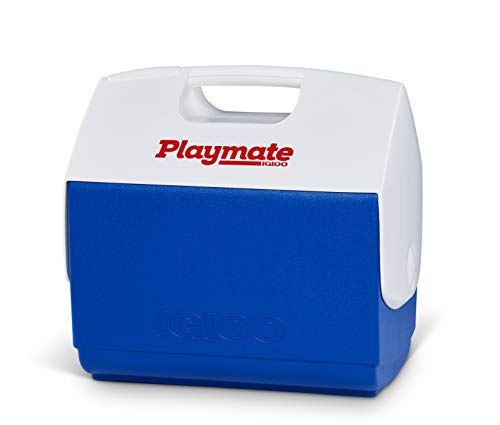
Igloo 14-16 Qt Hardsided Lunch Playmate Pal Cooler

Auertech 8.3 Gal Evaporative Air Cooler

Auertech 5.3 Gal Swamp Cooler
What Each Pick Brings To The Table
The Engel 19qt sits in that sweet spot where a personal cooler stops and a small group cooler begins, holding roughly 30 cans when you pack ice at the standard 2:1 ratio. Its leak-proof, air-tight seal is the kind of detail you stop noticing only after you’ve tilted the box across a truck bed without losing a single melt-water drop. For boat decks, dock days, and long fishing mornings where the sun never relents, that sealed lid earns its place.
Underneath the hard shell sits molded polystyrene foam insulation, which is essentially rigid foam pressed into the cavity between the inner liner and outer wall, a design favored for keeping heat out and cold air locked in. You also get stainless steel latches and a hinged lid for quick reach-ins, so nobody on the boat is fumbling with cheap plastic clips. Compared to the smaller Engel that follows, this one trades portability for raw capacity, and most owners find that’s a fair swap for weekend trips.
Where It Delivers
- Leak-proof seal that survives tilt, transport, and rough truck beds.
- 30-can capacity handles small groups on day-long outings.
- Rigid foam insulation keeps contents cold for extended sessions in direct sun.
- Stainless steel latches resist rust even after saltwater trips.
- Hinged lid swings open in one motion for quick, no-fuss access.
Things To Consider
- Larger footprint than the 13qt sibling, so it crowds smaller car trunks.
- Rigid plastic shell can scuff on rough surfaces over time.
Made For
Anglers, campers, and tailgaters who need a sealed, rugged cooler that handles a full day on the water or at the campsite without complaint.
Look Elsewhere When
Solo commuters packing a single lunch should consider the Igloo 14-16 Qt Hardsided Lunch Playmate Pal Cooler, which is shaped for grab-and-go portability rather than group hauls.
The ENGEL 13qt trims the same rugged build down to lunchbox territory, holding roughly 15 cans with ice at a 2:1 ratio. The hard plastic shell is the giveaway that this cooler wants to travel: it slides onto a passenger seat, into a kayak hatch, or across the floor of a work truck without complaint. For day hikers, commuters, and anyone running a one-person show, the smaller footprint removes a lot of friction.
The molded polystyrene foam insulation stays consistent with the larger Engel, so you’re not giving up the heat-blocking layer for the smaller box. Stainless steel latches and a hinged lid carry over from its bigger sibling, which keeps the seal honest when the cooler tilts during a sharp turn. You may find the 13qt size more practical than the 19qt when the trip is a single-person rather than a group outing.
Real Benefits
- Compact body fits easily in tight trunks, back seats, and kayak hatches.
- Same leak-proof air-tight seal as the larger Engel for worry-free transport.
- Stainless steel hardware resists corrosion in coastal or wet environments.
- Insulated lid and walls handle a full workday outdoors without losing ice fast.
Trade Offs
- Half the can capacity of the 19qt, so larger groups will outgrow it.
- Hinged lid swings open against low-clearance seats in some vehicles.
- Rough exterior can pick up light scuffs over repeated hauling.
Right Fit For
Solo adventurers, long-haul commuters, and fishermen who want Engel’s seal-and-build quality in a size that doesn’t dominate the back seat.
Swap It Out When
Families feeding four or more should step up to the Engel 19qt Leak-Proof Drybox Cooler, which adds roughly 15 cans of extra room for the same rugged construction.
The Igloo Hard Cooler Profile Series leans into vertical space rather than width, so tall bottles and longnecks actually fit without forcing you to lay them sideways. That profile shape makes it a natural fit for tailgates, backyard decks, and car camping where a wider box would just take up more visual real estate than it earns. The bail handle folds flat into the lid, so when the cooler isn’t being carried it stacks cleanly with other gear.
Inside, the THERMECOOL foam insulation is a cleaner eco-friendly foam solution that still focuses on slowing heat transfer through the walls. Cool Riser Technology lifts the base, which is essentially an elevated bottom design that improves airflow underneath and helps the cooler cool more efficiently in direct sun. Integrated channels in the liner make purging melted ice less of a wrestling match. Compared with the Engel dryboxes earlier, this one trades a sealed gasket for a more open hard cooler shape and family-party volume.
Practical Pluses
- Tall profile fits upright bottles without forcing sideways stacking.
- Flat-folding bail handle makes the cooler easy to stash and stack.
- Cool Riser base boosts cooling performance on warm concrete or tailgate surfaces.
- Integrated liner channels drain melt water without tipping the whole box.
Points To Note
- Hard cooler rather than gasketed drybox, so a hard tip can spill contents.
- Larger volume than the Engel lunchboxes, demanding more trunk space.
Feature Snapshot
Best Suited To
Tailgaters, hosts, and casual campers who want a tall-profile cooler that holds longnecks upright and stores compactly when not in use.
Consider Something Else When
Boaters who need a fully sealed gasketed box should pick the Engel 19qt Leak-Proof Drybox Cooler, which keeps water locked in even when tilted on a wave.
The Playmate Pal wears its tent-top handle like a signature, and that little design choice changes how you carry it across a parking lot or job site. It’s a 14-16 quart hardside lunch cooler, sized for a midday meal plus a couple of drinks rather than a full party supply. The push-button lid release is a small detail that pays off when you’re juggling a coffee cup in the other hand.
For work lunches, classroom breaks, and quick day trips, the swing-open lid and tent-top grab handle keep the cooler easy to manage one-handed. Inside, the hardside shell adds rigidity that soft coolers just don’t offer, so the box holds its shape even when half-empty. Compared to the Engel 13qt earlier, this one leans toward the grab-and-go lunch crowd rather than the boat-deck crowd, trading a sealed gasket for a lighter overall package.
Everyday Wins
- Tent-top handle is comfortable for one-handed carrying across a parking lot.
- Push-button lid opens fast, useful when the other hand is full.
- Swing-open lid design lets you reach contents from either side.
- Hardside shell holds shape even when the cooler is half-empty.
Less Ideal Details
- Lid isn’t a sealed drybox, so the box should stay upright in transit.
- Smaller capacity than the Igloo Profile Series, so group days will feel cramped.
Who Should Grab It
Office workers, students, and day-trippers who want a recognizable, easy-carry lunch cooler that punches well above its size for personal use.
Skip It When
Tailgate hosts feeding a crowd should reach for the Igloo Hard Cooler Profile Series, which trades the lunchbox form factor for much larger party-ready volume.
The Auertech 8.3 Gal pulls double duty as both a cooler name and an evaporative air cooler, which is a fan-and-water setup that cools air by passing it through a moist pad. With 2800 CFM of airflow on tap, the unit moves enough air to matter in a garage, patio, or large open bedroom. The 8.3-gallon tank runs for hours between refills, so most evenings of casual use won’t require babysitting.
Six included ice packs slot into the tank to drop the output air temperature further, and a 120-degree oscillation spreads the cool air across a wide arc. A remote control adds convenience when the unit is across the room. This isn’t an ice chest in the lunchbox sense, but for anyone shopping the broader “ice chest” keyword for whole-room cooling, it’s the heavy-duty option on this list. Compared to the smaller Auertech that follows, this one trades footprint for raw cooling output.
The Practical Payoff
- 2800 CFM airflow handles large rooms, open garages, and patios with ease.
- 8.3-gallon water tank keeps the cooler running for hours between refills.
- 120-degree oscillation distributes cool air across a wide arc.
- Remote control adds convenience when the unit sits across the room.
- Six included ice packs help drop output temperatures further.
Factors To Consider
- Cooling effectiveness depends on ambient humidity, performing better in dry climates.
- Large body needs a corner of its own in smaller rooms.
Whose Shelf It Belongs On
Homeowners with a garage workshop, a covered patio, or a large open living space who want whole-room cooling without window installation.
A Better Fit Elsewhere
Apartment dwellers in tighter bedrooms should consider the Auertech 5.3 Gal Swamp Cooler, which keeps the evaporative cooling concept in a smaller body.
The Auertech 5.3 Gal Swamp Cooler trims the same evaporative concept into a more apartment-friendly body, with 1800 CFM of airflow and a maximum wind speed near 25 feet per second. The 5.3-gallon tank still runs for a long stretch between refills, and the smaller footprint tucks into a bedroom corner or home office without dominating the space. Setup is genuinely plug-and-play, so there’s no exhaust hose and no window kit to wrestle with.
Because it’s windowless, this unit leans on evaporation through a wet pad rather than refrigerant compression, which is the technology most full AC units rely on. That swap keeps the body compact and the operating cost low, though output depends heavily on how dry the room already is. Compared to the larger Auertech earlier, this one loses some raw airflow but gains a much easier fit in tight living spaces.
Real-World Strengths
- Compact body suits bedrooms, dorms, and home offices with limited floor space.
- No window venting means installation stays truly plug-and-play.
- 1800 CFM airflow still moves a meaningful amount of air in mid-sized rooms.
- 5.3-gallon tank balances runtime against footprint for daily household use.
Possible Compromises
- Lower CFM than the 8.3-gallon sibling, so it may struggle in very large rooms.
- Tank and pad need periodic cleaning to prevent mineral buildup over time.
- Performance drops in high-humidity environments where evaporation slows.
Perfect Match For
Renters, apartment dwellers, and home-office workers who want supplemental cooling without committing to a window unit or permanent install.
Another Choice May Suit
Anyone cooling a garage or large open patio should step up to the Auertech 8.3 Gal Evaporative Air Cooler, which adds the airflow needed for bigger spaces.
Choosing The Right Capacity For Your Trips
Capacity drives almost every other decision, so start by picturing your typical day. A solo lunch or quick beach run rarely needs more than 15 quarts, while a family day at the lake or a tailgate for a small group usually wants 25 to 35 quarts minimum. Going bigger than you think you need is tempting, but remember that a half-empty cooler cools less efficiently than a packed one.
Insulation matters as much as capacity. Look for molded foam insulation, which is rigid foam pressed into the cavity between the liner and outer wall, rather than thin foam sheets that lose cold air faster. Hinged lids with tight seals keep contents colder longer, especially when the cooler sits in direct sun.
Finally, match the build to your environment. Hard plastic shells with stainless steel hardware handle salt spray and rough transport on boats. Soft coolers are lighter but offer less protection. For daily driving and a mix of climates, a hardside cooler with a flat-folding handle tends to hit the right balance between toughness and convenience.
Key Considerations Across These Picks
Where Shoppers Go Wrong
A common slip is choosing a cooler based purely on advertised can capacity, then discovering the real-world usable space is smaller once you factor in ice. Ice takes up roughly half the internal volume at the standard 2:1 ratio, so a “30-can” cooler really holds 30 cans plus a substantial ice block. Skimping on insulation is the second frequent mistake, since thin walls lose cold air fast and force constant ice refills.
When Paying More Pays Off
Spending up typically buys better seals, thicker insulation, and tougher hardware. Stainless steel latches and gasketed lids hold up season after season, while plastic clips often crack after a single hard winter. For anyone who uses a cooler weekly rather than a few times a year, the upgrade pays back in durability and ice retention alone.
Frequently Asked Questions
How long will a hard ice chest actually keep ice?
Most hard coolers in this range hold ice for roughly one to two days in moderate temperatures, with performance dropping sharply in direct sun or extreme heat. Pre-chilling the contents and the cooler itself stretches that window noticeably.
Is a sealed drybox better than a regular hard cooler?
Sealed dryboxes prevent leaks during transport and tend to hold ice longer because the gasket blocks outside air. Regular hard coolers are easier to drain and often cheaper, but they can spill if tipped on a boat ride or rough trail.
Do evaporative air coolers really replace an air conditioner?
Evaporative coolers work best in dry climates and can drop the perceived temperature significantly with low humidity. In humid regions they feel weaker and aren’t a true substitute for refrigerant-based AC, though they use far less energy.
Can I put dry ice in any hard cooler?
Dry ice requires ventilation because it releases carbon dioxide gas as it sublimates, or transitions from solid to gas. Hard coolers with pressure-relief lids or loose-fitting tops handle dry ice safely, but airtight dryboxes can trap gas and build pressure.
How do I clean a cooler without damaging the insulation?
A mix of mild dish soap, warm water, and a soft brush handles most residue, followed by air drying with the lid open. Avoid harsh bleach concentrations or abrasive pads, which can pit the plastic and shorten the cooler’s lifespan.