
An above ground garage shelter solves a problem most homeowners know too well: nowhere safe to keep a vehicle, bike, mower, or boat through rain, sun, and snow. The right canopy adds covered storage without pouring a concrete slab or hiring a contractor. These six picks cover a wide range of footprints, frame materials, and budgets, so you can match shelter to driveway, yard, or side alley without overbuilding the space.
The Leading Options At A Glance

PHI VILLA 8x12ft Portable Carport Storage Tent

PHI VILLA 13x24ft Portable Garage Carport Canopy
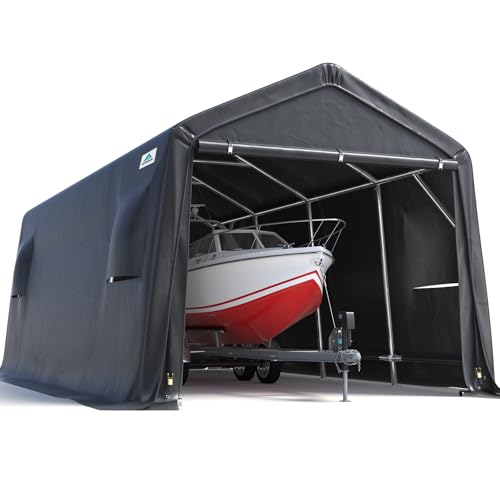
ADVANCE OUTDOOR 10×15 ft Steel Peak Roof Garage Shelter

PHI VILLA 10×20 Heavy Duty Metal Carport

ADVANCE OUTDOOR 8×14 ft Steel Peak Roof Garage Shelter

PHI VILLA 10×15 Heavy Duty Metal Carport
Why These Options Stand Out
This is the smallest fabric shelter in the lineup, and that compactness plays well in tight side yards and narrow driveways where a full carport would feel oversized. The 8×12 footprint fits a single motorcycle, a couple of bikes, or stacked lawn equipment with room to spare for the door to swing open.
The double-zipper door panel and the mesh vents on each side do the same job here that bigger fabric shelters do on larger frames: they let air move through and keep condensation from settling on stored gear after a temperature swing.
Everyday Perks
- The 8×12 footprint slips into side alleys and short driveways where larger canopies won’t fit.
- Roll-up, removable door panels let you drive straight through, which helps in tight spaces.
- Built-in mesh vents on each door cut down on condensation after wet weather.
- Lightweight PE cover removes easily for off-season storage in a shed or garage.
Things To Consider
- Fabric roofs need re-tensioning after heavy wind events, something owners commonly do every few months.
- The smaller footprint won’t accommodate a full-size SUV with the door closed.
Who It Suits Best
Owners with a narrow lot who need covered storage for a motorcycle, bicycles, or stacked lawn equipment.
Consider Something Else When
You need to shelter a full-size truck or SUV, where the ADVANCE OUTDOOR 10×15 ft Steel Peak Roof Garage Shelter gives more clearance and a steel roof.
This 13×24 fabric shelter is the largest footprint in the roundup, and that matters when you’re storing a long pickup, a trailer, or two vehicles side by side. Compare it with the PHI VILLA 8×12 from earlier: same fabric-shell approach, but the floor plan more than doubles.
The front and rear roll-up door design works well for drive-through access, so you can pull a boat straight through instead of backing in.
A Strong Showing
- The 13×24 footprint handles full-size trucks, boats on trailers, and dual-vehicle parking.
- Front-and-rear zipper doors create a true drive-through bay for longer gear.
- Side vents help air move through a wide structure that might otherwise trap moisture.
Points To Keep In Mind
- A 24-foot span demands a level, clear site, and the cover takes longer to tension correctly than smaller fabric shelters.
- Fabric tops on large frames tend to catch wind more than peaked steel designs, so anchoring matters.
Feature Snapshot
Right Fit For
Households with a long driveway and a full-size truck, boat, or dual-vehicle parking need.
A Better Fit Elsewhere
If you only need to cover a single sedan in a tighter space, the PHI VILLA 10×15 Heavy Duty Metal Carport gives a steel roof without the oversized footprint.
Where the first two picks rely entirely on a fabric cover, this ADVANCE OUTDOOR model swaps in a steel peak roof, which is the biggest single upgrade you can make for year-round exposure. The peak shape helps shed rain and snow rather than letting it pool on top.
Two roll-up zipper doors on opposite ends make this a versatile fit for storing motorcycles, a small boat, or garden equipment with easy entry from either side.
What Pays Off
- The steel peak roof handles snow load and rain runoff far better than flat fabric covers.
- Roll-up doors on both ends give flexible entry direction depending on your driveway layout.
- Vents on the side panels help prevent the moisture buildup that plagues fully sealed metal sheds.
- A 10×15 footprint fits a single vehicle or a stack of garden tools without dominating the yard.
Trade Offs
- Steel roofing is heavier than fabric, and assembly typically takes longer than a soft-top carport.
- Owners in high-wind zones often add extra anchor sets beyond what ships in the box.
Made For
Shoppers in four-season climates who want a roof that sheds water and snow without constant re-tensioning.
Skip It When
You only need summer-only sun shade for a single bike, where the lighter PHI VILLA 8×12 fits a smaller budget and smaller lot.
This is where the roundup shifts into true all-steel-roof territory. The 10×20 frame uses a corrugated steel roof over a powder-coated square-tube frame, which is a meaningful step up from the fabric-shelter design on the first two picks.
The 10×20 footprint leaves enough length behind a sedan or pickup for a small workbench or stacked bins, making this a useful covered parking-plus-storage combo.
Useful Highlights
- Corrugated steel roofing sheds rain and snow instead of letting it pool like flat covers.
- Powder-coated square-tube frame resists rust through wet seasons better than thinner tubing.
- Water-stop strips along the roofline help cut down on drip-through at the seams.
- The 10×20 length adds usable storage space behind a parked vehicle.
Some Limits To Know
- Without included side panels, wind-driven rain enters from the sides in storms, so adding curtains is a common upgrade.
- Assembly needs at least two people and a flat, level pad for the anchors to seat correctly.
Quick Facts
Best Suited To
Households parking a single full-size vehicle who also want a covered zone for tools or a small workshop.
Look Elsewhere When
You want fully enclosed sidewalls as standard, where the ADVANCE OUTDOOR 10×15 Steel Peak Roof model adds enclosed door panels out of the box.
The 8×14 frame is the smallest steel-roof option here, and the peak roof design matters even at this size because smaller flat covers tend to sag under snow. Two roll-up doors and vents on each side keep air moving.
It fits a motorcycle, a couple of bicycles, or a compact garden tractor without dominating a tight yard.
Benefits That Matter
- Steel peak roof on a narrow footprint gives four-season durability without taking over the yard.
- Roll-up doors at both ends let you approach from whichever direction your driveway allows.
- Side vents prevent the trapped-moisture problem common in fully sealed metal sheds.
Honest Caveats
- The 14-foot depth limits what fits inside; longer gear like a small boat won’t clear the doors.
- Smaller steel-roof shelters can rattle in high wind if not anchored to a proper base.
Perfect Match For
Owners with a narrow side yard who need a steel-roof shelter for a motorcycle or compact garden equipment.
Another Choice May Suit
If you have more space and need to park a full-size vehicle, the PHI VILLA 10×15 Heavy Duty Metal Carport adds another five feet of depth.
The 10×15 metal carport closes the list as a sensible middle-ground pick. The corrugated steel roof handles weather the way the other PHI VILLA metal model does, and the 10×15 footprint is just right for a single sedan or SUV without leaving an empty slab behind.
For shoppers torn between the smaller fabric PHI VILLA 8×12 and the larger 10×20 metal version, this is often the right balance.
What Helps Most
- The 10×15 footprint fits a standard sedan or compact SUV with room to open the doors.
- Corrugated steel roofing sheds rain and stands up to multi-season exposure.
- Powder-coated frame resists the rust that thinner tubing develops after a few wet seasons.
- Water-stop strips at the roofline cut down on drip-through at panel seams.
Factors To Consider
- Without included sidewalls, wind-driven rain enters from the sides, so adding side curtains is common.
- Anchoring hardware varies, and many owners add ground anchors suited to their specific surface.
Feature Card
Who Should Grab It
Households parking one sedan or SUV who want a steel-roof shelter sized to the vehicle and nothing more.
Reach For A Different Pick When
You need to cover two vehicles or a truck, where the PHI VILLA 10×20 Heavy Duty Metal Carport gives you the extra length.
What To Weigh Before Picking An Outdoor Canopy
Size And Footprint First
Measure the space carefully before ordering, including door swing radius and any slope that affects leveling. A 10×15 carport needs a flat pad that is genuinely 10×15, not the lawn you hope to flatten later. Allow at least three feet of clearance on every side for cover tensioning and anchor access.
Frame Material Sets The Tone
Steel-roof carports cost more and weigh more, but they shed weather year-round without re-tensioning. Fabric covers are lighter, easier to ship, and friendlier on budget, yet they need more frequent adjustment. Match the material to how many seasons you expect to leave the shelter standing.
Roof Shape And Drainage
A peaked roof, meaning an A-frame rather than a flat top, channels rain and snow off to the sides instead of letting weight pile up. Flat covers tend to sag where water pools, and that adds stress to the frame over time.
Ventilation And Moisture Control
Closed shelters trap humidity, which causes mildew on stored gear. Look for built-in vents on doors or side panels, and consider leaving a door partially open during storage if you live in a humid climate.
Key Considerations Across These Picks
Pitfalls Shoppers Hit
The most common mistake is choosing a shelter too small for the vehicle plus the door swing. Another is anchoring to soft soil without proper ground anchors, which leaves the frame vulnerable in wind. Skip these by measuring twice and following the anchor guide for your specific surface.
Where The Extra Money Goes
Higher prices typically buy a steel roof instead of fabric, heavier-gauge frame tubing, and rust-resistant coatings. The upgrade pays off in four-season climates where lighter shelters need constant adjustment, and for households planning to leave the shelter up year-round rather than seasonally.