
Camping with a small group means juggling gear, space, and weather in ways solo trips never demand. A 6 person tent gives you room to breathe, stand up to change, and keep packs out of the sleeping area, but the wrong pick turns setup into a chore and storms into a nightmare. After digging through specs, materials, and real ownership patterns across canvas air tents and instant-pitch cabins, this lineup covers the setups that tend to hold up best for families, friend groups, and mixed-condition trips.
The Lineup, Simplified

RBM Outdoors Panda Canvas Inflatable Tent

Coody Premium Inflatable Canvas Tent
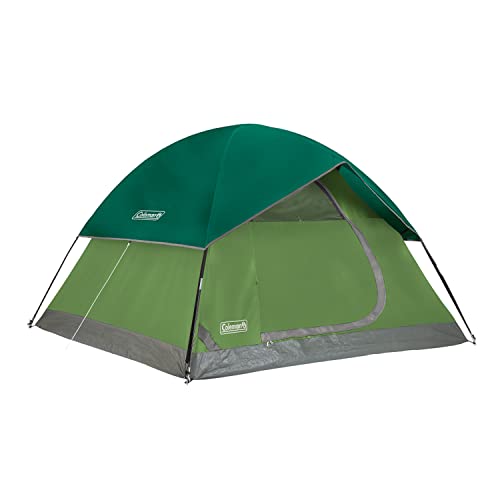
Coleman Sundome Tent

FanttikOutdoor Instant 60s Setup Tent

FanttikOutdoor Instant Cabin Tent Navy Blue

KTT 12-14 Person Family Cabin Tent

FanttikOutdoor Alpha C4 Ultra Pop-Up Tent
The Details Behind The Selections
Canvas air tents trade a heavier packed weight for a quieter, drier interior that breathes far better than thin nylon shells. The RBM Outdoors Panda uses an inflatable air-frame system, which means no saggy poles and no fiberglass snap to wrestle on a windy afternoon. A built-in stove jack opens the door to shoulder-season camping where a small wood burner or tent stove keeps frost off the walls. For small groups who split time between car-camping and short trailheads, this is the kind of shelter that turns a campsite into something resembling a room.
Compared to the Coleman Sundome reviewed below, the Panda is in a different category: a semi-permanent canvas lodge versus a fast-pitch nylon dome. You give up packability, but you gain real livability.
The Case For It
- Inflatable air frame sets up in minutes without rigid poles or shock-cord snap points.
- Breathable canvas helps regulate condensation on cold nights with a stove running.
- Integrated stove jack supports a tent stove for three-season and shoulder-season use.
- Compact footprint suits small groups, basecamps, and shorter car-camping trips.
Things To Consider
- Canvas and air beams pack heavier than nylon dome alternatives, so plan vehicle space.
- Pump and repair patches are part of the kit, and field inflation takes a few minutes.
- Owners commonly report needing a proper ground tarp and seam check before first use.
Feature Snapshot
Best Suited To
Small-group campers who chase shoulder-season trips, want stove heat, and park close enough to carry canvas comfortably.
Swap It Out When
The Coody Premium Inflatable Tent is a roomier alternative if you need standing height and a true living-room layout for longer stays.
The Coody Premium sits in the same canvas-air family as the Panda, but the design leans toward a “live outdoors” floor plan rather than a sleeping cube. Picture a tall, walkable interior where you can stand to change, pull chairs inside during a rain cell, and still sleep multiple people without crowding. The TC (polyester-cotton blend) fabric aims to balance the breathability of cotton with the faster drying and lighter weight of polyester, which makes it a useful middle ground for campers who want canvas comfort without going full traditional.
Versus the Panda reviewed just above, Coody stretches taller and wider, trading compact portability for the kind of layout that supports a small stove, a camp table, and a couple of cots at once.
Points In Its Favor
- Walk-in height removes the hunch-and-shuffle that plagues dome tents.
- TC blend fabric manages humidity better than thin nylon in cool, damp weather.
- Inflatable frame cuts setup time and removes pole-snap failure points.
- Built-in stove jack supports shoulder-season warmth and dry gear.
- Interior space accommodates cots, chairs, and a small table side by side.
Honest Caveats
- TC blend still weighs more than all-polyester designs, so backpacking is impractical.
- Air beams require a pump and benefit from a field-repair kit on longer trips.
Who Will Love This
Glampers, basecampers, and small families running two- to three-night stays where comfort and standing room matter more than packed weight.
Consider Something Else When
The FanttikOutdoor Instant Cabin Tent is a better fit for groups who prioritize 60-second pop-up speed over canvas warmth.
The Sundome is the kind of dome tent most people picture when they hear “weekend campground.” A simple X-pole frame, snag-free continuous pole sleeves, and a straightforward rainfly keep the learning curve flat for first-time campers. Coleman’s WeatherTec system layers weather-resistant fabric, welded seams (where specified), and a covered entry to help the tent hold up against rain showers and gusty afternoons.
Compared to the inflatable canvas options higher up the list, the Sundome is lighter to carry and faster to dry, but it lacks the stove jack and standing height that canvas shelters offer.
Real-World Strengths
- Continuous pole sleeves speed pitch and reduce snag points during setup.
- Multiple size options let you match tent to actual group size without overbuying.
- Dome geometry sheds wind and rain efficiently on standard campground weekends.
Points To Keep In Mind
- Dome height limits standing room; adults typically change clothes crouching.
- Polyester fabric can hold condensation in cool, still conditions without cross-ventilation.
Quick Facts
Made For
New campers and casual weekend groups who want a familiar, easy-pitch dome without canvas weight.
Look Elsewhere When
The FanttikOutdoor Instant Tent saves real setup time for parents wrangling kids and gear on arrival.
Pre-attached poles and telescoping frames are the pitch-easy playbook, and FanttikOutdoor leans into it hard. The instant-style frame unfolds from the carry bag and locks into place in roughly a minute, which is the difference between a calm campsite setup and a stressed one after a long drive. Taped seams (where specified) and a water-resistant shell add a basic weather layer for fair-weather family trips.
Where the canvas shelters above prioritize material and breathability, this tent prioritizes speed and simplicity. It is the friendliest option in this roundup for first-time families.
Well-Handled Touches
- Pre-installed poles cut setup to roughly a minute from carry bag to standing tent.
- Water-resistant fabric and taped construction help in light to moderate rain.
- Multiple size options fit 4-, 6-, 8-, or 10-person configurations.
Worth Noting
- Pre-attached frames make the carry bag bulkier than a traditional pole-and-canvas design.
- Polyester shell can run warmer in direct sun; ventilation management matters on calm days.
Who Should Grab It
First-time families and weekend campers who want the simplest possible setup after a long drive to the campground.
Not Your Match When
The KTT 12-14 Person Family Cabin Tent is a smarter pick if your group needs separate rooms and standing height for big gatherings.
Cabin-style tents swap the dome’s sloped walls for near-vertical sides, which is the entire point: a 6-person cabin gives a family room to stand, dress, and shuffle around coolers without crawling. FanttikOutdoor’s instant cabin version keeps that pitch-friendly pre-attached frame while adding upgraded mesh panels for cross-breeze. Navy Blue is purely cosmetic, but darker tents can absorb more heat in direct sun, so site selection matters on summer afternoons.
Compared to the Coleman Sundome above, this is a clear upgrade for any group that hates crouching inside a dome.
Reasons It Performs
- Vertical walls create walk-in standing height across most of the floor.
- Pre-attached frame supports the same 60-second pitch claim as dome-style instants.
- Upgraded mesh ventilation helps move air on warm nights.
- Available in 4-, 6-, 8-, and 10-person configurations for different group sizes.
Some Limits To Know
- Vertical walls catch more wind than low-profile domes, so stake-down matters.
- Cabin tents run heavier than domes of similar capacity, so plan accordingly for transport.
- Dark fabric absorbs heat; shaded sites or a footprint matter in summer.
Feature Card
Right Fit For
Family campers and small groups who want standing height plus quick setup on car-camping weekends.
A Better Fit Elsewhere
The KTT 12-14 Person Family Cabin Tent suits much larger gatherings needing separate rooms and more windows.
The KTT is a different scale entirely: a 12-14 person family cabin with a straight-wall design, two rooms, three doors, and multiple windows for cross-breeze. Inside, the listed floor dimensions (16 ft length x 11 ft width x 7.4 ft height) accommodate roughly four full air mattresses, which is useful when kids, dogs, and gear all share the same shelter. Bay windows add light and a more “cabin” feel, and the double-layer construction helps with rain management.
Versus the smaller FanttikOutdoor cabin above, this is the option for big families, reunions, and basecamp-style group trips where everyone wants their own zone.
Bright Spots
- Straight-wall design maximizes usable floor space and standing room.
- Two-room layout supports privacy between parents, kids, or co-campers.
- Multiple windows and doors improve airflow and access.
- Double-layer build helps with rain performance over a single-layer cabin.
Practical Considerations
- Large footprint requires a flat, roomy site and careful vehicle access.
- Setup takes longer than a 6-person instant tent; a second helper saves real time.
- More seams and zippers mean more weather-check points before each trip.
Built With In Mind
Large families, multi-couple trips, and group reunions that need real rooms and shared living space under one roof.
Reach For A Different Pick When
The RBM Outdoors Panda Canvas Inflatable Tent is a better match for small groups who want stove warmth and a tighter footprint.
The Alpha C4 Ultra borrows the pop-up hub concept from rooftop tent design and brings it to ground level. An X-frame hub and integrated eave poles let two people (or one experienced camper) have the tent freestanding in roughly a minute, which is genuinely useful on rainy arrivals or quick overnight stops on a road trip. The included rainfly and mesh windows handle the standard weather-management trade-offs of any pop-up cabin.
Compared to the standard FanttikOutdoor instant cabin above, the Alpha leans more toward overlanding-style road-trip use, with a more boxy, rugged profile.
Strong Points
- Pop-up X-frame hub structure supports fast deployment without loose pole assembly.
- Removable rainfly adapts to fair-weather and stormy trips.
- Boxy interior gives usable floor space for sleeping bags or a small mattress.
- Mesh roof and window sections help with night ventilation.
Where It May Fall Short
- Hub-style pop-up frames are bulkier in the carry bag than traditional pole designs.
- Staking out the rainfly and eave poles matters in real wind, or the tent flaps hard.
Spec Overview
Whose Shelf It Belongs On
Road-trippers and overlanders who set up camp in a new spot every night and want speed plus decent weather coverage.
Another Choice May Suit
The Coleman Sundome is a calmer pick for traditional car-campers who prefer a familiar dome footprint.
What To Weigh Before Picking A 6 Person Tent
A “6 person” rating is rarely a literal fit for six adults with gear, so the first thing to weigh is real floor space versus stated capacity. A dome rated for six will feel tight with three adults and backpacks, while a cabin or canvas air tent at the same rating often fits comfortably. Decide whether the trip leans car-camping (where weight and packed size matter less) or trailhead-to-tent (where they matter more).
Material and weather management shape daily comfort just as much as capacity. Breathable canvas or TC blends cut condensation but pack heavier; polyester stays light but runs wetter inside on cool nights. A stove jack adds cold-weather range but also adds weight and the need for safe stove placement. For summer family camping, mesh ventilation and rainfly coverage usually matter more than fabric thickness.
Setup style is the easiest thing to underestimate. Pre-attached instant frames save real time after a long drive, but they make the carry bag bulkier and slightly heavier than a traditional pole design. If you camp with kids, late arrivals, or bad weather in play, instant-style tents earn their keep quickly.
Finally, match the tent to the trip, not the trip to the tent. Big family reunions want the KTT-style multi-room cabin. Stove-season basecamping favors the RBM Panda or Coody. Quick weekend car-camping with a partner or small family is exactly where the Coleman Sundome and FanttikOutdoor instant tents shine.
Key Considerations Across These Picks
Pitfalls Shoppers Hit
The most common slip-up is trusting the “6 person” label at face value. Manufacturers rate tents by sleeping pads squeezed shoulder-to-shoulder, so six adults with gear usually need a 8- or 10-person footprint. Another easy miss is ignoring site conditions: large cabins like the KTT need a flat, debris-free pad that smaller tents can fudge through. Finally, skipping the rainfly practice run at home turns a real rainstorm into a wet lesson.
What The Higher Tier Buys
Canvas air tents and large multi-room cabins cost more because of materials, frame engineering, and interior volume. The extra weight pays off in cooler, drier interiors, real standing height, and stove compatibility for shoulder-season trips. For most fair-weather family campers, a mid-tier instant cabin is plenty. You reach the upgrade tier when your trips get longer, your group gets bigger, or your weather window stretches beyond a calm July weekend.
Frequently Asked Questions
How many people actually fit in a 6 person tent? For most adults with gear, three to four sleep comfortably, two sleep very comfortably, and six fit only if you are light packers or using it as a daytime shelter.
Are inflatable air tents better than pole tents? Inflatable frames are faster to pitch and remove pole-snap risk, but they need a pump and slightly more care around sharp objects. Traditional pole tents pack smaller and weigh less for backpacking.
Can a 6 person tent handle rain and wind? Most modern options here use water-resistant fabric, taped construction, and proper rainflies, but real weather performance depends on site choice, stake placement, and seam care as much as the tent itself.
Do I need a stove jack in a family tent? Only for cold-weather or shoulder-season camping. Summer family trips rarely need it, and the jack adds weight and complexity.
How long does setup take for an instant tent? Roughly a minute for the pre-attached frame plus another few minutes for stakes, rainfly, and guylines. The pitch itself is the easy part; weather-proofing takes a little longer.
Wrap Up
The right 6 person tent depends less on the number and more on your group size, your vehicle, and the weather you actually camp in. Match the tent to the trip, double-check real floor space, and the rest tends to fall into place. Pick the one that fits your usual weekend, and your next camp setup will feel a lot calmer.