
A family road trip hits different when the tent pitches itself in a minute and the kids aren’t crawling over each other. The best 5 room tents split sleeping quarters from gear and doorways, turning a chaotic night under the stars into something that feels closer to home. We dug through six family-sized, multi-room shelters and ranked them for comfort, setup speed, and weather performance.
The Choices Worth Comparing

Naturehike Village Instant Cabin Tent

FanttikOutdoor Zeta A1 Pro Shower Tent
Naturehike Cape Instant Tunnel Tent

Dragoon Unlimited Ridgeback One Person Tent
Naturehike KOTA Double Layer Tent
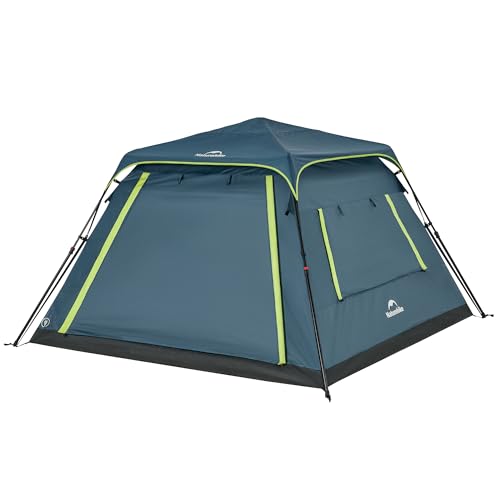
Naturehike Cape Lite 4-6 Person Cabin
Why These Options Stand Out
The Naturehike Village Instant Cabin Tent is built for road-tripping families who’d rather unpack the cooler than wrestle poles. Its pre-attached frame (the rigid skeleton that holds the tent upright) snaps upright in roughly a minute, so even first-time campers can get it standing without reading a manual. The tall cabin walls give adults room to stand while changing, and the full-coverage rainfly keeps driving rain off the sleeping area.
Compared to the FanttikOutdoor shower tent covered later, this one is all about multi-night family living rather than single-purpose privacy. The 150D Ti Black fabric offers a strong UPF 12500+ sun rating, which matters at exposed desert sites where UV cuts through thinner shelters. For parents managing kids and gear at the same time, that kind of sun blocking pays off during long afternoon setups.
Useful Highlights
- Pre-attached frame pops into place in about a minute, saving energy after a long drive.
- Tall cabin ceiling lets adults stand up to change clothes or organize sleeping bags.
- 150D Ti Black fabric with UPF 12500+ blocks intense sun at exposed sites.
- Full rainfly and PU 2000mm+ waterproofing handle steady overnight rain without leaking.
Things To Consider
- Available in 4 and 8 person sizes, so capacity matters more here than the name suggests.
- Large cabin tents need a wide, flat pad, and rocky sites slow down staking.
- Storage between trips means drying the rainfly fully before packing to prevent mildew.
Feature Snapshot
Made For
Families car camping at established sites who want standing room, fast setup, and reliable rain protection without complicated pole systems.
A Better Fit Elsewhere
Backcountry hikers and solo travelers get more mileage from the Dragoon Unlimited Ridgeback, which weighs far less and packs down smaller for trail miles.
The FanttikOutdoor Zeta A1 Pro shifts the conversation away from sleeping quarters and toward personal hygiene at remote sites. It’s a single-room privacy shelter designed for showering and changing, with an instant frame that locks into place with an audible click so you know it’s secure. The rainfly and reinforced structure handle wind, which matters when storms roll in mid-rinse at the trailhead.
Unlike the Naturehike Village covered earlier, this isn’t a family sleeper. It’s a hygiene annex (a freestanding add-on shelter) that complements a main tent, especially at crowded campgrounds where shared facilities feel grim. For beach trips, kayak overnights, or dispersed fishing camps, having a private standing-height changing space changes the whole comfort level.
What Pays Off
- Setup clicks into place in about a minute, even with wet or cold hands.
- Standing-height interior lets you wash without crouching or bumping walls.
- Built-in rainfly plus reinforced frame handle gusty coastal conditions.
- 20 kg load capacity supports hanging camp showers and solar bags.
Worth Noting
- Single-room design means no dry changing zone if you shower in a storm.
- Not a sleeping shelter, so it pairs with another tent rather than replacing one.
- Floor drain area needs occasional rinsing to prevent soap residue buildup.
Who It Suits Best
Campers, anglers, and beachgoers who need a private, freestanding hygiene station at sites without facilities or with unpleasant shared ones.
Skip It When
Families looking for actual sleeping space will get more value from the Naturehike KOTA, which doubles as a year-round shelter with vestibules.
The Naturehike Cape uses a tunnel design (a series of curved poles creating elongated, arch-like rooms) to stretch interior space further than most cabin shapes, hitting 8.3 to 12.9 square meters depending on the size you pick. Setup mirrors the Village’s quick-pitch frame, with poles already threaded through sleeves so the structure practically unrolls itself. The PU 3000mm waterproof rating is a noticeable step up from entry-level instant tents.
For weekend warriors juggling a loaded car and tired kids, this tent reduces the “setup dread” that ends trips early. The taller ceiling helps, too, since adults can move around without hunching. Compared to the Naturehike Cape Lite covered later, this Cape leans toward larger groups and stormier conditions rather than ultralight backpacking.
A Favorable Mix
- Tunnel shape delivers more usable floor area than comparably sized cabins.
- 190T polyester with PU 3000mm coating handles heavier rain events.
- Pre-attached poles cut setup to roughly a minute.
- Available in 4, 6, and 8 person layouts to fit different group sizes.
Points To Note
- Tunnel tents need proper guy lines (taut cords anchoring the tent to the ground) for stability, which adds staking time.
- Larger footprint requires a generous flat site, limiting use on rocky terrain.
- Storage bag is bulky, so trunk space matters for transport.
Quick Facts
Right Fit For
Mid-sized families and friend groups wanting roomy interiors and dependable rain protection without the bulk of a permanent cabin tent.
Look Elsewhere When
Solo travelers and backpackers should check the Dragoon Unlimited Ridgeback, which is sized and weighted for trail miles rather than drive-up sites.
The Dragoon Unlimited Ridgeback isn’t really competing in the family cabin category. It’s a one-person survival shelter with 42 inches of headroom and 90 inches of legroom, which sounds modest until you realize most bivy sacks (minimal waterproof shelters designed to fit just a sleeping bag) leave you lying flat with fabric pressed against your face. At 5.5 pounds with stakes included, it splits the difference between a bivy and a full tent.
This is the pick for someone whose camping looks more like emergency preparedness, truck-bed camping, or solo backcountry rotations. Compared to the Naturehike Village covered earlier, you trade multi-room comfort for a small, sturdy footprint that handles rough weather. For one person plus gear, or two people in a pinch, it’s a versatile shelter that goes places bigger tents can’t.
What Stands Out
- 42-inch headroom lets you sit upright to read, cook, or treat gear.
- Lightweight 5.5-pound design suits backpacking and bugout bags.
- Includes quality Y-style stakes (angled stakes with hooked tops that grip soil better) for firmer anchoring.
- Fits a person plus gear, or two adults in emergency setups.
Honest Caveats
- Single-person capacity makes it a poor fit for family camping.
- Compact interior feels cramped during extended stays.
Spec Overview
Who Should Grab It
Solo backpackers, preppers, and anyone building a vehicle emergency kit who wants real shelter capability without hauling a family-sized tent.
Not Your Match When
Families needing multi-room sleeping should look at the Naturehike KOTA, which separates parents, kids, and gear into distinct areas.
The Naturehike KOTA is the most flexible shelter in this roundup. Its double-layer design means you can pitch the mesh inner alone on warm summer nights for stargazing, or attach the full rainfly for winter storms. The 75D 210T polyester with PU 3000mm+ waterproofing is a meaningful upgrade from thinner family tents, and the vestibules (covered porches outside the sleeping area) give you dry storage for muddy boots and packs.
Compared to the Naturehike Village reviewed above, the KOTA trades instant setup for serious all-season versatility. It’s still approachable, just not one-minute fast. For families camping from spring through fall, including shoulder seasons with unpredictable weather, the modular layout pays off when conditions swing between sunny afternoons and surprise cold fronts.
Key Advantages
- Inner mesh tent works solo for warm-weather stargazing.
- Outer shell doubles as a standalone canopy or rain shelter.
- PU 3000mm+ coating handles heavy rain and wet snow.
- Vestibules keep gear dry and boots out of the sleeping area.
Small Caveats
- Two-layer design takes longer to pitch than single-frame instant tents.
- Heavier packed weight calls for a roomy vehicle.
Feature Rundown
Best Suited To
Year-round family campers and multi-season travelers who want one shelter that adapts from summer mesh nights to shoulder-season storms.
Another Choice May Suit
Campers prioritizing one-minute setup will prefer the Naturehike Village Instant Tent, which pitches faster at the cost of seasonal flexibility.
The Naturehike Cape Lite is the entry-level cabin for families dipping into car camping without committing to a heavyweight shelter. The 101.5 by 101.5 inch floor easily fits a queen-size mattress, and the 62.2-inch peak height gives adults room to dress upright. Setup mirrors the rest of the Naturehike instant line: unfold, extend, lock.
Compared to the Naturehike Cape covered earlier, the Lite version trims weight and price rather than floor space or weather protection. For parents testing whether the kids actually enjoy camping before investing in a four-season KOTA, this is a low-risk starting point. You get the same instant-pitch convenience without paying for a double-layer build you might not use yet.
The Practical Payoff
- Queen-mattress-friendly floor simplifies family sleeping layouts.
- 62.2-inch peak height lets adults stand to change.
- Instant setup keeps first-time campers from getting frustrated.
- Lighter packed weight is easier on smaller vehicles.
Points To Keep In Mind
- Single-layer design is more of a fair-weather shelter than a four-season one.
- Lighter fabric requires careful staking at windy sites.
Whose Shelf It Belongs On
Casual family campers and weekend trippers who want fast setup and a comfortable interior without the cost of a full seasonal shelter.
Reach For A Different Pick When
Campers heading into shoulder-season weather should upgrade to the Naturehike KOTA for its stronger waterproofing and modular layers.
What Matters Most Before Choosing 5 Room Tents
Capacity vs. Comfort
The number on the box rarely tells the full story. A “4 person” tent fits two adults and gear comfortably, but crams four adults into a space that feels like a sleeping bag sandwich. For real family use, consider sizing up so kids, dogs, and duffel bags don’t fight for floor space. Comfort also hinges on peak height, since anything under 60 inches means hunching every time you stand up.
Weather Protection
Waterproof ratings use a millimeter scale measuring how much water pressure the fabric can handle before leaking. PU 2000mm handles moderate rain, while PU 3000mm+ survives heavier storms. Rainfly coverage matters just as much as fabric ratings: a partial fly leaves seams exposed during wind-driven rain. For shoulder-season camping, double-layer tents reduce condensation (moisture buildup inside the tent from breath and temperature swings), which keeps sleeping bags drier overnight.
Setup Speed and Skill
Instant tents with pre-attached poles trade some weather performance for one-minute setup, which matters at sunset arrivals or with impatient kids. Traditional pole tents take longer but often handle wind better. Match the system to your real arrival scenario rather than chasing the lowest setup time on paper.
Intended Use Case
Car camping, backpacking, and emergency preparedness each favor different tent categories. Cabin and tunnel designs dominate drive-up sites, while bivy-style shelters like the Ridgeback win on trail miles. Specialty shelters like the FanttikOutdoor fill gaps that sleeping tents can’t, such as privacy at crowded trailheads.
Key Considerations Across These Picks
Where Shoppers Go Wrong
A common mistake is buying a tent rated for five people expecting four adults to sleep comfortably, since manufacturer capacity assumes tight, no-gear setups. Another trap is underweighting weather ratings, especially in regions where afternoon thunderstorms roll in fast. Staking also gets overlooked: even the best tent leaks wind if it isn’t guy-lined (anchored with taut cords) properly.
What Separates Premium From Basic
Higher-tier family tents typically add stronger fabrics (75D versus 190T polyester), double-layer construction that fights condensation, and modular layouts that adapt across seasons. Modular designs like the Naturehike KOTA let you strip down for summer mesh nights and bulk up for shoulder-season storms, which extends the tent’s usable calendar. Faster setup and richer feature sets come at a real cost, but for families camping ten or more weekends a year, the upgrade usually pays for itself in comfort and durability.
Frequently Asked Questions
How many people actually fit in a 5 room tent?
Manufacturer ratings assume tight sleeping with no gear storage. For families, expect to lose one capacity slot to duffel bags, coolers, and personal space. A “4 person” tent usually sleeps two adults and a child comfortably.
What does PU 3000mm waterproofing mean?
It’s a measurement of how much water pressure the fabric resists before leaking, with higher numbers meaning stronger protection. PU 3000mm handles steady rain, while PU 2000mm works in lighter storms.
Are instant tents less durable than traditional pole tents?
They trade some weather performance for setup speed. Instant tents with pre-attached frames handle moderate conditions well, but high-wind or heavy-snow environments often favor traditional designs with stronger pole geometry.
Can one tent work year-round?
Double-layer modular designs like the Naturehike KOTA adapt across seasons by separating the inner mesh from the rainfly. Single-layer instant tents work best in fair-weather seasons.
How do you store a tent so it lasts?
Dry the rainfly and inner tent completely before folding to prevent mildew and fabric breakdown. Store loosely in a breathable bag rather than compressed for long periods, since prolonged compression weakens coatings over time.
Wrap Up
The right shelter depends less on specs alone and more on how you actually camp. Families road-tripping to developed sites get the most from instant cabins like the Naturehike Village or Cape Lite. Year-round campers stretching into shoulder seasons should lean toward modular double-layer builds like the KOTA. And if your camping looks more like solo backcountry miles or emergency readiness, the Ridgeback handles those scenarios where family tents simply can’t go. Match the tent to your real trips, and the investment pays back every weekend.