
Finding the right shelter for a small group trip shouldn’t eat into your weekend. After sorting through inflatable canvas builds, pop-up hubs, and cabin-style instant tents, these six models cover the most common ways families and friends actually camp: car-camping weekends, basecamp comfort, fast-setup tailgates, and cold-weather retreats. Each pick solves a different headache, so the choice comes down to how and where your crew rolls into camp.
The Leading Options At A Glance

Coody Premium Inflatable Canvas Tent with Stove Jack

Gazelle T4 Pop Up Camping or Beach Tent

Naturehike Village Instant Cabin Tent with Rainfly
Naturehike Cape Instant Tunnel Tent
Naturehike KOTA Double-Layer Family Tent
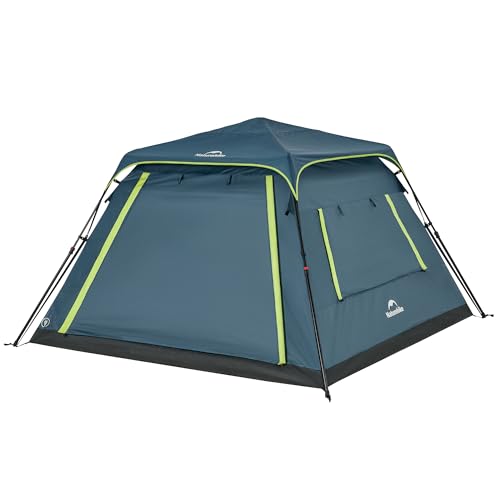
Naturehike Cape Lite Instant Cabin Tent
Why These Options Stand Out
This is the most unusual shelter on the list, and arguably the most rewarding for the right crew. Instead of rigid poles, the Coody uses air-filled beams to give the canvas its shape, which means setup skips the part most people dread: threading poles through sleeves at dusk.
The breathable TC cotton-blend canvas handles condensation far better than the nylon you’ll find on standard family tents, and the integrated stove jack opens up real cold-weather camping. For families who want basecamp comfort rather than a backpacker’s shelter, this is the closest you’ll get to a wall tent without the old-school weight.
What Stands Out
- Air-beam inflation means the whole shelter pitches in minutes, no pole sequencing required.
- TC cotton-blend canvas breathes, cutting the morning condensation that plagues nylon shelters.
- The stove jack turns it into a four-season basecamp for shoulder-season and winter trips.
- Standing-height interior gives adults room to move, dress, and gear up without crouching.
Honest Caveats
- Canvas plus air beams means more bulk in your vehicle; backcountry use isn’t realistic.
- The pump is a separate piece to track, and you may find yourself re-pressurizing on cold mornings as air contracts.
- Stove use demands serious attention to ventilation and clearances; it’s not plug-and-play.
Who It Suits Best
Glampers and basecamp families who camp in cold weather and want a canvas shelter that doesn’t fight them during setup.
A Better Fit Elsewhere
If you want simpler summer camping with a faster learning curve, the Naturehike Cape Lite cabin tent is a more approachable swap.
Where the Coody is built for slow, comfortable basecamps, the Gazelle T4 is built for speed. The pre-assembled hub design unfurls the frame in one motion, and the removable floor plus mesh walls make it as useful at a beach or tailgate as it is at a campground.
For families who want the “out of the bag, into the ground” experience without reading instructions, this is the pick. Polyester construction keeps weight manageable, and the rain fly handles the kind of pop-up storms that ruin a normal afternoon.
Where It Helps
- The hub system collapses and deploys in well under two minutes, even on the first attempt.
- Mesh panels on every wall create excellent cross-ventilation for hot-weather use.
- The removable floor lets you set up over sand, grass, or a parking-lot tailgate.
- Included rain fly adds weather protection without adding much setup complexity.
Points To Keep In Mind
- Hub tents have a larger packed footprint than pole tents, so storage in small car trunks gets tight.
- Polyester fabric handles UV and rain well but doesn’t breathe like the Coody’s canvas.
Who Will Love This
Campers, beachgoers, and tailgaters who measure success by how fast camp is ready before the cooler even gets cold.
Skip It When
You need real cold-weather capability, where the Naturehike KOTA Double-Layer Family Tent’s modular construction handles conditions better.
If your crew treats the tent like a second living room, the Naturehike Village delivers. The cabin-style walls give you near-vertical sides, so a queen mattress, a duffel, and a folding chair all fit without anyone sleeping on a slope.
The full-coverage rainfly, built from 150D Ti Black Technology fabric with a PU 2000mm waterproof rating, sits over the whole roof and wraps the sides. Compared to the Gazelle’s simple fly, this one offers fuller coverage for stormy weekends.
What Works In Its Favor
- Near-vertical walls maximize usable floor space for cots, mattresses, and gear piles.
- The 150D fabric with PU 2000mm coating stands up to sustained rain better than thin nylon competitors.
- Pre-attached poles shorten the learning curve for first-time family campers.
- Full-coverage fly protects doors as well as the roof, which matters in sideways rain.
Things To Consider
- The cabin footprint needs a flat, roomy site; it’s not the model to wrestle into a tight state-park pad.
- Thicker fabric means more packed weight, so it’s car camping only.
Right Fit For
Families who car-camp at established sites and want standing-room comfort without a permanent canvas commitment.
Another Choice May Suit
You may find the Coody Premium Inflatable Canvas Tent with Stove Jack more rewarding if your trips stretch into shoulder seasons and you want stove-heated comfort.
The Naturehike Cape takes the instant-tent formula and stretches it lengthwise into a tunnel. Pre-attached telescoping poles mean most campers get it standing in around a minute, which matters when you’re pulling into a dark site after a long drive.
The 190T polyester with waterproof PU3000mm coating handles the rain bands that roll through in spring and fall. Compared to the Village’s boxy cabin, the Cape trades a bit of standing height for a longer, roomier sleep layout.
What Helps Most
- Pre-attached poles pitch the tent in roughly a minute once you’ve done it twice.
- The tunnel shape creates two distinct sleep zones, useful for parents and kids who want separation.
- PU3000mm coating is a meaningful step up for sustained downpours.
Worth Noting
- Tunnel tents need taut guy lines to stay rigid in wind; the first windy night is a learning moment.
- Stored length runs longer than cabin-style tents, so cargo space planning matters.
Built With In Mind
Weekend road-trippers who want fast pitch, rain protection, and a tent that disappears back into its bag without a fight.
Where Another Pick Suits Better
For full four-season capability, the Naturehike KOTA Double-Layer Family Tent’s separate inner and outer layers adapt more flexibly to changing weather.
The KOTA is the most modular shelter on this list. The inner mesh tent and the outer rainfly work independently, so in summer you can pitch just the mesh room for stargazing, while in shoulder seasons the full double-layer handles cold and wet weather.
The 75D 210T polyester with a PU3000mm waterproof rating is genuinely heavier-duty than most entry-level instant tents. The vestibule and porch area create a covered transition space, which is a real luxury for storing wet boots and muddy packs.
Positive Points
- Double-layer design adapts from hot summer nights to cold shoulder-season trips.
- Mesh inner works as a standalone bug shelter for minimalist summer camping.
- Vestibule and porch add covered storage for gear, boots, and cooking supplies.
- Heavier-denier fabric handles abrasion from repeated setup better than lightweight nylon.
Some Limits To Know
- The double-layer setup takes longer than a single-wall instant tent, especially on the first try.
- Packed size and weight are noticeable, so it’s firmly a car-camping piece of gear.
Best Suited To
Year-round family campers who want one shelter that adapts across seasons rather than buying a summer tent and a winter tent.
Look Elsewhere When
The Gazelle T4 Pop Up Camping or Beach Tent suits you better for fast beach and tailgate trips where cold-weather layers aren’t necessary.
Key Specs
The Cape Lite is the lighter, simpler sibling to the Naturehike Village. It keeps the cabin footprint that makes standing around comfortable but trims bulk so smaller groups aren’t hauling extra weight they don’t need.
For two adults and a dog, or three friends on a long-weekend car trip, the Cape Lite hits the sweet spot: easier to pitch than a traditional tent, lighter to carry than a heavy cabin, and tall enough to change clothes without crouching.
Strong Points
- Compact cabin footprint suits small groups who don’t need a six-person floor plan.
- Pre-attached poles make first-time setup painless for new campers.
- Lighter packed weight than the full Village model, easing trunk space.
- Queen-size mattress compatibility keeps sleep comfortable for couples.
Room For Improvement
- Smaller floor area gets tight once you push past three adults plus gear.
- Single-wall cabin design isn’t ideal for sustained cold or driving rain.
Made For
Couples, small friend groups, and minimalists who want a comfortable cabin experience without hauling a full-size shelter.
Not Your Match When
Families needing more space and weather adaptability should look at the Naturehike KOTA Double-Layer Family Tent instead.
Key Specs
Choosing The Right Shelter For Your Crew
The tent market splits cleanly into three camps: instant-setup convenience, weather-ready durability, and comfort-focused basecamp builds. Knowing which camp your trips live in narrows the field fast. A family doing one summer weekend a year cares about different things than a couple who camps monthly across three seasons.
Capacity And Floor Layout
A “four-person” rating assumes four sleeping pads packed shoulder to shoulder with no gear inside. That’s fine for backpackers; it’s tight for car campers who also haul coolers, packs, and chairs. Floor dimensions and peak height matter more than the headcount label, especially for adults who want to sit upright to change clothes or play cards on a rainy afternoon.
Setup Time And Pitch Style
Pre-attached poles and hub designs (where the frame is a single pre-assembled structure that pops open) collapse setup from twenty minutes to under ninety seconds. That’s a real quality-of-life upgrade for parents wrangling kids at dusk. Traditional pole-and-sleeve tents take longer but pack smaller, which helps when cargo space is already spoken for.
Fabric And Weather Rating
A waterproof rating tells you how much water pressure the fabric withstands before leaking. PU 2000mm handles normal rain, PU 3000mm+ handles sustained storms. Canvas breathes, which matters for cold-weather trips where condensation frosts everything inside. Polyester stays light and dries fast but doesn’t manage moisture the way canvas does.
Matching The Tent To The Season
Three-season tents cover spring, summer, and fall for most climates. If you camp in snow or shoulder-season cold, look for double-layer construction, snow flaps, and stronger pole geometry. A vestibule is invaluable in winter because it keeps gear from freezing in the main sleeping area.
Key Considerations Across These Picks
Pitfalls Shoppers Hit
The most common mistake is trusting the headcount rating literally. A “four-person” tent that fits four sleeping pads often won’t fit four adults, their gear, and a dog without someone sleeping on a bag pile. Measure the floor and check peak height before you commit.
Another slip-up is ignoring site conditions. Cabin tents need flat, open ground; tunnel tents need room for taut guy lines. Picking a shelter that fights your usual campsite is a fast way to resent the purchase.
Where The Extra Money Goes
Higher-tier models buy heavier-denier fabric (the thread count thickness of the weave), which resists tearing and UV damage better over years of use. They also buy better pole geometry, double-layer construction for real four-season use, and details like vestibules that turn a tent into a livable space rather than just a sleeping bag cover.
Premium canvas builds like the Coody add breathability and stove compatibility, which matters only if you camp in cold weather. For summer-only trips at established campgrounds, that upgrade is overkill.
Frequently Asked Questions
How Big Should A 4 Person Camping Tent Actually Be?
Look for at least 8 by 7 feet of floor space and a peak height near or above 60 inches. Anything smaller gets cramped once you add sleeping pads, gear, and standing room.
Are Instant Tents Worth The Extra Cost?
For casual campers and families, instant tents save real time and frustration on every trip. Backpackers and ultralight users still prefer traditional pole designs for packed weight.
Can A 4 Person Tent Fit A Queen Mattress?
Several cabin tents on this list, including the Naturehike Cape Lite, fit a queen mattress comfortably. Tunnel-style tents usually split that space into two separate sleep zones instead.
What’s The Best Fabric For Rain Resistance?
Look for a polyurethane (PU) coating rated PU 2000mm or higher. The Naturehike Cape and KOTA both sit at PU 3000mm, which handles sustained rain rather than just brief showers.
Do I Need A Footprint Or Ground Tarp?
A footprint is a separate ground cloth that goes under your tent. It extends tent floor life on rough ground and adds a moisture barrier in wet climates. It’s not required, but most owners find it worthwhile after the first rocky weekend.
Wrap Up
The right tent depends less on specs and more on how your group actually camps. Hot summer weekends at a lakeside campground favor the Gazelle T4 or Cape Lite for speed and ventilation. Mixed-season family trips point toward the Village or KOTA for weather protection and space. Cold-weather basecamping is where the Coody’s inflatable canvas earns its keep. Match the shelter to your real use case, and the rest takes care of itself.