
Introduction
Picking the right shelter for a small group turns a weekend outside from tolerable to genuinely enjoyable, especially when rain, wind, or sun turns a quiet site into a survival test. You want enough floor space for sleeping bags and gear, headroom to sit upright without hunching, and a build that handles real weather rather than just a passing drizzle. This roundup focuses on six 4 man tents that balance weight, setup speed, and protection for a range of camping styles. Whether you drive to a developed campground or hike a few miles into a quieter spot, there’s a setup below that matches how you actually camp.
A Quick View Of The Lineup

Clostnature Lightweight Backpacking Tent 4-Person

Naturehike Village Instant Cabin Tent (4 Person)

Clostnature Easy Setup Backpacking Tent (4-Person)
Naturehike Cape Instant Cabin Tent (4/6/8 Person)
Naturehike KOTA Double-Layer 4-Person Tent
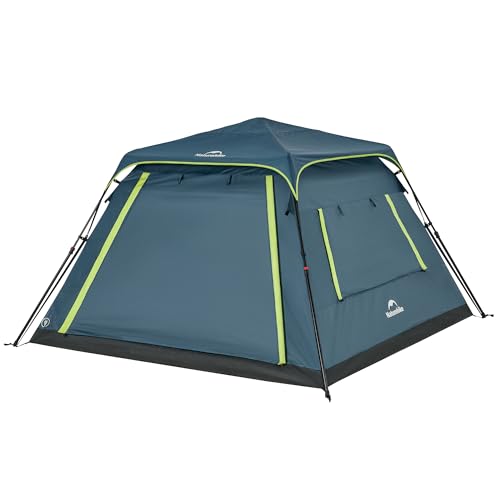
Naturehike Cape Lite Instant Cabin Tent (4-6 Person)
A Deeper Look At The Lineup
For multi-mile approaches, weight and pack volume matter more than creature comforts, and this Clostnature design keeps both numbers modest while still covering four sleepers. The 7’3″ by 7’8″ floor (220 x 235 cm) packs into a backpacking-friendly shape and the 4’7″ peak (140 cm) is enough for kneeling or sitting upright, though anyone tall will stoop when standing. Two vestibules (covered porch areas extending over the doors) on either side create dry storage for packs and boots, which is a real win when rain rolls in overnight.
Trail weight sits around 6.5 lbs (fly, body, and poles only), and total packaged weight lands near 7.4 lbs, depending on how you configure the stakes and stuff sacks. Compared to the cabin-style picks later in this list, the trade-off is less interior volume, but the upside is a tent you can actually carry for several miles without resentment. For two adults plus a dog or three small hikers, the space is workable, especially if you keep gear tucked in the vestibules rather than inside.
What Works In Its Favor
- Light enough for backpacking while still sleeping four, making it usable on longer routes.
- Dual vestibules keep muddy boots and packs dry outside the sleeping area.
- Compact packed size fits inside a standard 50 to 65 L pack without forcing you to leave other gear behind.
- Freestanding design (the tent stands on its own without stakes, though it still needs them for wind) pitches on rocky or root-covered ground where staking is tough.
Things To Consider
- Center height is enough for sitting, not standing, so changing clothes requires care.
- Polyester fabric handles moderate rain well, but seams may need a refresh of seam sealer (a liquid applied to stitched seams to block water) before any heavy, prolonged storm.
Who Will Love This
Backpackers and small groups who count ounces and want a freestanding tent that splits into manageable loads for multiple packs.
Reach For A Different Pick When
Standing-height comfort matters more than trail weight, in which case the Naturehike Cape Instant Cabin Tent serves car campers better.
Car campers often arrive tired, after a long drive, with kids ready to bounce off the seats, and the last thing anyone wants is a 30-minute tent puzzle. This Naturehike Village solves that with pre-attached telescoping poles (nested metal tubes that extend and lock into place) that unfold in roughly 60 seconds. The cabin shape stands tall enough for most adults to walk around inside upright, and the full-coverage rainfly drapes over the roof and walls to block wind-driven rain.
The 150D Ti Black Technology fabric (a dense, titanium-coated polyester weave) carries a PU 2000mm+ waterproof rating, which means the coating resists water penetration up to a hydrostatic head of 2000 mm, enough for sustained rain in most climates. UPF 12500+ on the same fabric means strong ultraviolet blocking, a nice touch for sunny desert sites or high-altitude camping where sun exposure adds up. For two adults plus gear, the floor swallows a queen air mattress with room to spare.
Where It Delivers
- Setup genuinely takes about a minute, which is rare for tents this large and is a relief on stormy arrivals.
- Standing-height interior makes changing, cooking under the rainfly, and moving around with a child far easier than dome tents.
- High waterproof rating plus UV-blocking fabric handles a wide range of conditions from heavy rain to intense sun.
- Cabin walls go nearly vertical, which makes the floor feel more usable than sloped dome shapes.
Trade Offs
- Instant-pole tents pack down larger and heavier than equivalent backpacking tents, so this is a drive-up option, not a hike-in option.
- Wind performance is decent for a cabin shape, but the tall walls can catch gusts on exposed ridges, so pick sheltered sites when possible.
Made For
Car campers, families with kids, and anyone who values fast setup and walk-around interior space more than a compact packed size.
Where Another Pick Suits Better
Backpackers covering real distance should pick the Clostnature Lightweight Backpacking Tent 4-Person, which trims weight by a wide margin.
First-time tent owners often get discouraged by complicated pole arrays, and Clostnature’s easy-setup version cuts that learning curve without forcing a cabin-sized pack. The 7’3″ by 7’8″ footprint mirrors the lighter model earlier, but the pole structure is simplified so a couple of campers can have it standing in just a few minutes. The 4’7″ center height keeps the floor usable for sleeping bags and small gear piles, and the freestanding frame lets you adjust placement before staking down.
Total weight sits around 7.16 lbs, which is a touch lighter than the backpacking-focused Clostnature and easier to live with for weekend trips from a car. The polyester shell handles standard rain, though owners in storm-prone regions usually pair it with a footprint (a separate ground tarp placed beneath the tent for extra moisture and abrasion protection) and a careful re-seam before any wet-season trip. Compared to the Naturehike Cape later in the lineup, you give up standing height for a smaller packed profile.
The Helpful Details
- Simplified pole layout reduces setup time and frustration for first-time campers or families with kids helping out.
- Freestanding design lets you reposition the tent easily before final staking, which matters on uneven ground.
- Weight under 7.5 lbs keeps it feasible for short walks from the parking lot to a remote campsite.
- Compact floor dimensions fit small tent pads and backcountry sites where space is limited.
Points To Note
- Center height caps at 4’7″, so adults will sit or kneel for changing and reading.
- Polyester needs a watchful eye in prolonged storms; the rainfly is essential and a footprint helps extend the floor’s life.
Right Fit For
Beginners and casual campers who want a forgiving setup with enough interior room for gear and sleeping pads.
Skip It When
Standing-height comfort for a family basecamp matters more than packed size, in which case the Naturehike Cape Lite Instant Cabin Tent is the better match.
When the trip is more about lounging than hiking, a tunnel-shaped cabin tent changes the dynamic, and the Naturehike Cape delivers genuinely spacious common-room living. The 4-person layout provides 8.3 m² of floor area, while the 6 to 8-person option expands to 12.9 m², enough for cots, a table, and a dog bed all at once. Peak height reaches a comfortable standing range for most adults, which makes mornings feel less cramped when four people are moving around.
The 190T polyester shell carries a PU 3000mm+ waterproof rating, well above the threshold needed for sustained rain, and the instant frame mirrors the Village’s pre-attached pole system. Setup clocks in around 60 seconds once you have the bag out and the footprint flat. Compared to the Naturehike Village earlier, the Cape trades some packed compactness for a larger and more usable floor plan.
Reasons It Performs
- 8.3 m² of floor space at the 4-person size easily holds sleeping pads, bags, and shared gear without crowding.
- Higher waterproof rating than many cabin tents, which adds confidence in wet shoulder seasons.
- Pre-attached instant poles make one-person setup realistic even for a larger tent.
- Tunnel shape creates a long common room, useful for gear organization and moving between bunks.
Honest Caveats
- Packed size is substantial; the included carry bag becomes a heavy, bulky load that lives in the trunk.
- Larger tunnel tents catch wind across the long axis, so pitch perpendicular to prevailing wind when you can.
- Owners commonly report that footprint coverage is worth adding to protect the floor on rough or gravelly sites.
Built With In Mind
Groups of three to four car campers, especially families or couples with dogs, who want a real living area rather than just a sleeping pod.
Consider Something Else When
You need to hike more than a short distance from your vehicle, in which case the Clostnature Lightweight Backpacking Tent 4-Person keeps weight manageable.
Some trips span cool spring mornings, hot summer evenings, and windy shoulder-season nights, and the KOTA’s double-layer build adapts better than single-wall tents. The inner mesh tent and outer rainfly can be used together for full weather protection, or separately when conditions permit: the mesh body alone on clear, warm nights lets you stargaze through the canopy, while the rainfly alone becomes a large sun or rain shelter. The 75D 210T polyester (a medium-weight, tightly woven fabric, where “75D” is the yarn thickness and “210T” is the thread count) carries a PU 3000mm+ waterproof rating, which handles heavy and sustained rain well.
The vestibule and porch layout adds covered outdoor space for muddy boots, packs, and cooking in poor weather. Compared to the Naturehike Cape, the KOTA gives up some of the cabin’s open floor plan in exchange for layering flexibility and weather adaptability across three seasons of active use. For mountain camping where afternoon storms roll in fast, that modularity pays off.
Bright Spots
- Inner and outer layers separate for warm-weather stargazing or sun-shelter use, expanding the tent’s usefulness across trips.
- High waterproof rating and vestibule porch protect gear from driving rain.
- Dense 75D fabric resists abrasion better than lighter deniers (denier: a measure of yarn thickness, where higher numbers mean tougher material), which matters on rocky sites.
- Modular design lets you pack lighter in summer by leaving the rainfly at home on dry nights.
Small Caveats
- Two-layer setup takes longer than instant-pole cabins, so plan an extra few minutes at arrival.
- Total packed weight runs heavier than single-wall backpacking tents, making this a better fit for drive-in sites.
Best Suited To
Three-season campers heading into mountain or forest environments with variable weather, especially those who appreciate gear flexibility over instant setup.
Look Elsewhere When
Speed of setup is the priority and storms are uncommon, in which case the Naturehike Village Instant Cabin Tent offers a faster pitch.
Family camping rewards tents that swallow real sleep setups without forcing anyone to sleep diagonal, and the Cape Lite’s 101.5″ by 101.5″ floor fits a queen-size mattress with room to walk around it. Peak height reaches 62.2″, which lets most adults move around without hunching. The instant-pole structure mirrors the Village’s 60-second setup pitch, so a tired crew can have shelter up before the kids lose patience.
The “Lite” trim of the Cape line trades some of the larger Cape’s footprint and weather ratings for a friendlier pack size that still handles car camping duty comfortably. Compared to the Naturehike Village, the Cape Lite gives up a bit of overall floor area but maintains the cabin walk-around comfort that families value. For two adults and two kids with shared gear, this size lands in the comfortable middle.
The Case For It
- Queen-mattress compatibility makes sleeping arrangements familiar and comfortable.
- 62.2″ peak height allows adults to stand and dress without ducking throughout most of the interior.
- 60-second instant setup is a major plus when children are involved and patience runs short.
- 4 to 6-person sizing gives breathing room if a guest or dog joins the trip.
Points To Keep In Mind
- The “Lite” designation means slightly trimmed weather ratings compared to the full Cape, so check the listed hydrostatic head (a measurement of how tall a column of water the fabric can withstand before leaking, in millimeters) before booking exposed sites.
- Larger floor area means a longer footprint footprint, requiring more level, cleared space for a good pitch.
Whose Shelf It Belongs On
Families and casual campers who want walk-around comfort and a quick pitch more than they need maximum weather rating or minimum packed size.
A Better Fit Elsewhere
Backpackers should pick the Clostnature Easy Setup Backpacking Tent (4-Person) for its lighter carry weight on short hikes from the trailhead.
What Matters Most Before Choosing 4 Man Tents For Camping
Capacity Versus Comfort
A four-person label is a sleeping suggestion, not a living-room guarantee, so the question is how much actual space you want inside. Floor dimensions and peak height together determine whether two adults and gear feel comfortable or crowded. For trips with dogs or extra guests, going one size up in the same product line often pays off.
Setup Style And Pole Design
Instant-pole cabins like the Naturehike Village and Cape Lite go up in roughly a minute, while traditional or double-layer tents take longer but often weigh less packed. Beginners usually prefer instant setups, and families appreciate them after long drives. Backpackers, on the other hand, often accept longer setup for a lighter pack.
Weather Ratings And Fabric
Waterproof ratings measured in millimeters (PU 2000mm+ to PU 3000mm+) tell you how much water pressure the coating resists. Higher numbers suit wetter climates and shoulder-season use. UV-blocking fabric, fabric density (denier), and seam sealing all factor into long-term durability.
Weight And Pack Size
Backpackers count ounces, while car campers count trunk space. The Clostnature models in this lineup sit near 7 lbs, while the cabin tents push heavier but stay manageable in a vehicle. Match the tent’s weight class to how you actually reach your site.
Key Considerations Across These Picks
Pitfalls Shoppers Hit
Choosing the smallest possible tent that technically fits your group leaves no room for wet gear, and that becomes a problem fast on rainy trips. Likewise, trusting “4 person” labels without checking actual dimensions often results in tight quarters for taller campers or anyone sharing space with a dog. Always check peak height, floor area, and vestibule coverage before committing.
Where The Extra Money Goes
Higher waterproof ratings, denser fabrics, and double-layer construction add weight savings and weather margin, while instant-pole systems cost more for the convenience factor alone. If you camp mostly in mild, dry conditions, a simpler model handles the job; if you chase shoulder seasons or mountain weather, the upgrade from PU 2000mm to PU 3000mm+ or from single-layer to double-layer is worth it.
Frequently Asked Questions
How Big Is A 4-Person Tent?
Most 4-person tents have a floor area between roughly 56 and 65 square feet, with peak heights between 4 and 5 feet, though specific models in this list range from 4’7″ to 62.2″ at the peak. The exact interior feel depends on wall shape and pole layout.
Can A 4-Person Tent Fit A Queen Air Mattress?
Several models in this roundup, including the Naturehike Cape Lite and Village, are designed with queen mattress compatibility in mind. Backpacking-style tents with 7-foot by 7-foot floors are typically too tight for a queen without sacrificing walking room.
Are 4-Person Tents Good For Car Camping?
Yes, cabin-style 4-person tents with standing height and instant setup are popular for car camping because they balance size, comfort, and packability. Backpacking-style 4-person tents also work for car camping, especially when weight and storage space are concerns.
How Long Does It Take To Set Up A 4-Person Tent?
Instant-pole models like the Naturehike Village and Cape Lite pitch in about 60 seconds, while traditional dome and double-layer tents usually take 5 to 15 minutes depending on experience. Practice at home before the first trip cuts that time substantially.
Do 4-Person Tents Need A Footprint?
A footprint or ground tarp is not required, but it extends floor life by protecting against abrasion and moisture on rough or wet ground. For car camping on gravel or rocky sites, a footprint is widely considered worth the small added weight.
The Takeaway
The right 4-person tent for your trips depends on whether you’re driving to a developed site or hiking one in, and on how much weather margin you want built in. Backpackers and short-hike campers gravitate toward the two Clostnature models for their low weight, while families and group car campers tend to land on the Naturehike cabin tents for the fast setup and walk-around interior. Pick the shelter that matches your typical trip, and the campsite feels a lot friendlier from the first night onward.