
Car camping with friends, a weekend with the kids, or a basecamp for a hiking weekend all ask the same thing from a tent: room to stand, space for gear, and weather protection you can trust after dark. The six options below cover very different approaches, from featherweight backpacking shelters to cabin-style instant tents that pitch in under a minute, so you can match the right shelter to the way you actually camp.
Your Options, Compared

Clostnature 1/1.5/2/3/4/6 Person Lightweight Backpacking Tent

Naturehike Village Instant Tent 4 Person Cabin

Clostnature 1/2/3/4 Person Lightweight Backpacking Tent
Naturehike Cape 4/6/8 Person Camping Instant Tent
Naturehike KOTA 4/6/8 Person Double Layer Tent
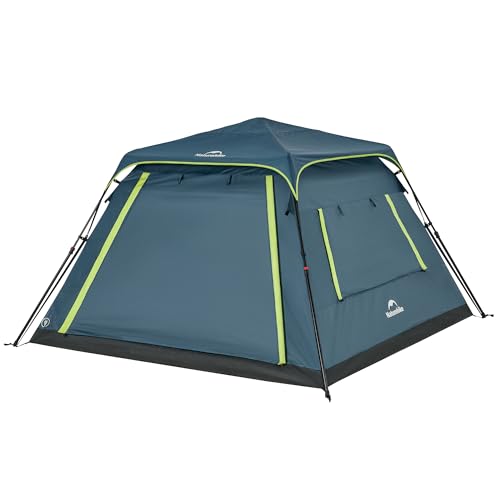
Naturehike Cape Lite 4-6 Person Instant Cabin Tent
Inside Each Recommended Option
Trail-to-campsite weight matters when every kilo counts, and the Clostnature 4-person pack-and-go design pulls off a usable shelter at roughly 7 lbs in the bag. The polyester body, dual vestibules, and 7’3″ x 7’8″ floor give you space for sleeping pads plus a shared gear area for boots and packs.
Compared with the cabin-style options later in this list, this one trades standing height and gear-room for a slim trail profile. Hikers splitting costs on a multi-day route, or anyone introducing friends to backcountry camping, tend to appreciate how the weight stays manageable without giving up livability for two adults and a dog.
Notable Upsides
- Light enough at under 7.5 lbs total to carry on moderate backcountry routes
- Dual vestibules keep wet boots and packs outside the sleeping area
- Square floor layout sleeps four adults on standard pads with room to spare
- Freestanding pole structure (poles that hold the tent up on their own) lets you reposition before staking
Trade-Offs Worth Noting
- Center height around 4’7″ means sitting upright only, not standing
- Polyester fly (the outer waterproof layer) handles light rain well but needs proper seam sealing (applying waterproof tape along stitched seams) for sustained downpours
Best Suited To
Backpackers and trail campers who split the load across two packs and value low weight over standing room.
Where Another Pick Fits Better
Car campers who want standing height and a one-minute pitch should look at the Naturehike Village Instant Tent instead.
Pull up to a campsite after a long drive and pitch a full cabin tent in roughly a minute: that is the core promise of the Naturehike Village Instant. The pre-attached telescoping poles (collapsible poles that extend and lock into place) unfold with the body, so first-time campers avoid the part most people dread about tent setup.
The cabin walls are noticeably taller than the backpacking pick above, and the 150D Ti Black fabric (a dense, titanium-coated polyester that resists UV rays and abrasion) carries an aggressive UPF 12500+ rating (UPF, or Ultraviolet Protection Factor, measures how much UV radiation the fabric blocks) along with a 2000mm waterproof coating (a factory-applied layer that helps rain bead off the fabric). Weekend car campers who arrive late, parents wrangling kids, and festival-goers benefit most from this hands-off approach.
Why It Works Well
- Pre-attached poles cut setup to roughly 60 seconds
- Near-vertical walls and a tall roof let adults stand and change clothes inside
- High UPF fabric blocks harsh midday sun at open sites
- Full-coverage rainfly (the separate waterproof layer that drapes over the tent) keeps seams and zippers protected in heavy weather
Things To Consider
- Bulkier pack size than a backpacking shelter, so trunk space matters
- Instant tents commonly need two people for a clean first pitch until you learn the rhythm
Made For
Car campers and families who want to skip the learning curve and get the tent standing before the kids lose patience.
Look Elsewhere When
Hikers hauling gear into the backcountry should pick the Clostnature 4-person backpacking tent for its lighter load.
The sibling to the first pick on this list, this Clostnature shelter targets the same backpacker crowd at a tighter price point. The polyester body, 7’3″ x 7’8″ floor, and 4’7″ ceiling are familiar, while the slightly lower 7.16 lb trail weight shaves a bit more off your pack.
It feels more like a starter tent than an ultralight specialist, which is exactly the point. Beginners learning campsite routines, casual campers taking two short trips a year, and anyone outfitting a guest shelter find the balance useful. Compared with the Naturehike Village above, you give up instant setup and standing height, but you save weight and pack space in the car.
What Helps Most
- Light enough to share the load between two hikers on moderate trails
- Square floor plan fits standard sleeping pads without overlap
- Modest price makes it a low-risk first tent for new campers
Honest Caveats
- Lower-end waterproofing means careful seam sealing and a rain fly over the top in storms
- Limited mesh ventilation on hot summer nights, though opening both doors helps
- Not designed for snow load or high-wind alpine conditions
Who It Suits Best
Beginners and weekend hikers who want a forgiving, affordable shelter to learn on before committing to premium gear.
Consider Something Else When
Families needing standing room and fast setup will be happier with the Naturehike Cape Lite cabin-style tent.
The Naturehike Cape uses a tunnel-style layout (a long, curved shape supported by flexible poles that creates a spacious interior) rather than a vertical cabin, trading some standing height for an airy, walk-through interior. The 190T polyester shell carries a 3000mm waterproof rating (the hydrostatic head, or how tall a column of water the fabric can hold before leaking), and the pre-attached poles bring the same fast pitch that defines the Village model.
For families juggling coolers, kids, and a wet dog, the tunnel shape lets you walk from one end to the other without crawling over sleeping bags. It suits basecamp-style trips where the car stays parked and the tent acts as a mobile cabin. Where the Village above leans upright, the Cape stretches lengthwise, which is a different take on the same problem.
What Pays Off
- Tunnel shape creates a long, livable interior with room for cots and gear
- High waterproof rating handles heavy rain without leaking at seams
- 60-second pitch keeps the family moving on arrival day
Potential Drawbacks
- Requires a longer, flatter pitch site than a cabin tent
- Higher profile catches more wind, so sturdy staking (anchoring the tent with stakes driven deep into the ground) matters at exposed sites
Right Fit For
Families running a basecamp for the weekend who want a tent that feels like a small cabin rather than a sleeping bag cover.
Skip It When
Solo travelers or couples should consider the lighter Clostnature 4-person tent to save weight and trunk space.
Most 4-person tents in this roundup aim at warm-weather camping. The Naturehike KOTA aims higher, with a true double-layer build (two separate fabric layers: an inner mesh tent and an outer rainfly that work together for warmth and weather protection) and a 75D 210T polyester shell rated at 3000mm waterproofing. The mesh inner pitches on its own for summer nights, while the full outer shell adds a vestibule and porch for shoulder-season trips.
Campers who push into early spring or late fall, or anyone chasing higher-elevation trips where temperatures swing hard after dark, get the most from the modular design. It costs more weight than the backpacking picks above, but the versatility is the point.
A Few Strong Suits
- Inner mesh layer works alone for stargazing on warm, dry nights
- Outer rainfly alone doubles as a sun or rain shelter for group cooking
- Dense polyester and high waterproof rating handle sustained rain and wind
- Vestibule and porch add covered storage for muddy boots and packs
A Few Limitations
- Heavier than single-layer shelters, so it suits car camping over long hikes
- Setup takes longer because you pitch two layers, not one
Who Should Grab It
Year-round campers and shoulder-season travelers who want one tent that handles summer trips and cold-weather weekends.
Reach For A Different Pick When
Strict backpackers prioritizing trail weight should turn back to the Clostnature 4-person backpacking tent instead.
The Naturehike Cape Lite borrows the instant-pitch idea from the Village and the cabin shape from the Cape, then trims weight wherever it can. The result suits campers who want standing room and quick setup without hauling a heavier family lodge to the site. The 101.5″ x 101.5″ floor fits a queen mattress, and the 62.2″ peak height clears most adults.
It bridges the gap between the backpacking picks earlier and the larger cabin models. Casual family campers, weekend festival use, and short car trips where packing space still matters benefit most.
Features That Help
- Queen-size mattress compatibility simplifies family sleeping arrangements
- Pre-attached pole system drops pitch time to roughly a minute
- Streamlined cabin shape keeps pack size modest for the room inside
Worth Bearing In Mind
- Lighter build means it handles fair weather better than sustained storms
- Best on level ground since the cabin walls need consistent staking
Whose Shelf It Belongs On
Roomy car campers who want an easy-pitch family tent without the bulk of a full eight-person shelter.
Swap It Out When
Anyone camping in harsher weather should upgrade to the Naturehike KOTA double-layer tent for better weather protection.
What To Weigh Before Buying A 4 Person Tent
Capacity Vs Real Usable Space
A “4-person” rating typically assumes four sleeping pads and no gear. Expect two adults plus a child or dog to feel comfortable, while four full-grown adults usually want a larger shelter. Floor dimensions matter more than the number on the box.
Setup Style And Skill Level
Instant tents with pre-attached poles suit first-timers and tired drivers, while traditional pole structures (separate poles you thread through fabric sleeves yourself) reward experienced campers with lighter packs. Match the tent to who will pitch it at 9 pm after a long drive.
Weather Protection And Fabric Ratings
Look at waterproof coatings measured in millimeters (the hydrostatic head, indicating how much water pressure the fabric can withstand before leaking), with 2000mm or higher for sustained rain. Dense polyester denier ratings (the thickness of the thread used in the fabric; higher numbers mean tougher material) like 75D or 150D resist abrasion better on rough ground.
Weight And Pack Size For Your Trip
Backpacking demands sub-8 lb shelters that fit across the bottom of a pack. Car camping lets you ignore pack size and focus on interior volume instead.
Smart Angles Worth Considering
Pitfalls Shoppers Hit
A common mistake is trusting the capacity rating as gospel, then discovering the tent barely fits the family plus a dog and a cooler. Check floor dimensions and peak height before you commit, and remember vestibules (covered porches attached to the rainfly) make a small tent feel much larger.
What The Higher Tier Buys
Premium tents add thicker fabric, stronger pole structures, and modular layers that handle shoulder-season weather. The upgrade pays off for campers who push past summer into spring and fall, or anyone tired of seam-sealing (applying waterproof tape along stitched seams to prevent leaks) a budget shelter every spring.