
Saturdays spent pushing a mower across uneven ground can wear down anyone. Remote and robotic mowers now offer a real alternative, handling the chore while owners handle something else. This roundup compares six models built for hands-free or low-effort mowing, from slope-climbing remote-control units to cordless walk-behinds for small lawns.
Your Options, Compared

Mowrator S1 4WD 18Ah Remote Control Lawn Mower

V3 AI Vision Robotic Lawn Mower, 1600 Sq.Ft
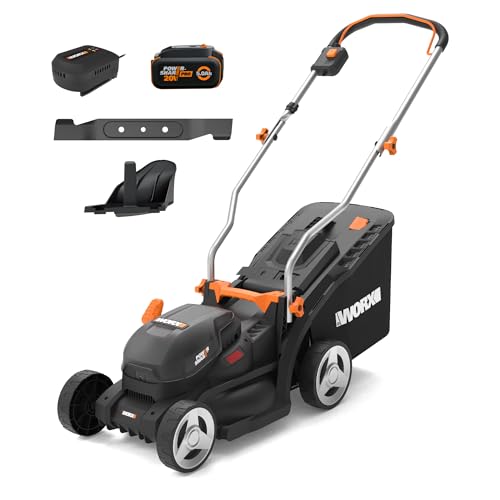
Worx 20V 14″ Cordless Lawn Mower WG733.1
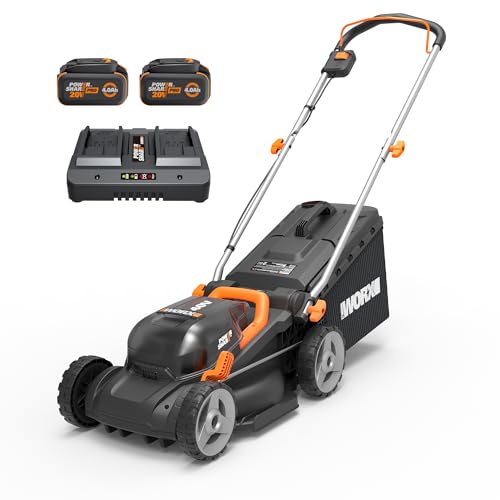
Worx 40V 14″ Cordless Lawn Mower WG735

Worx 40V 17″ Cordless Lawn Mower WG745
YARDCARE V100 Robot Lawn Mower with HD Vision
A Closer Look At Each Pick
The Mowrator S1 sits in a category of its own: a true remote-control mower rather than a fully autonomous robot. The 21-inch cutting deck tackles broader swaths per pass than the robotic entries, and a four-wheel-drive drivetrain paired with a 37° slope rating means it climbs where wheeled mowers normally stall. For properties with rough terrain, drainage ditches, or uneven hillsides, the appeal is immediate.
That capability comes with a hands-on relationship, though. Someone has to steer the remote, monitor the unit, and reposition it between sessions. Unlike the LEBOSBO V3 below, this mower doesn’t navigate on its own; it follows commands. For users who want physical control without the physical push, that’s a reasonable trade.
What Pays Off
- 21-inch deck finishes mid-size lawns in fewer passes than 14-inch walk-behinds like the WG733.1.
- Four-wheel-drive traction holds lines on slopes up to 37°, where standard mowers slide.
- Remote operation removes fatigue on uneven ground, letting owners mow from a seated spot.
- 18Ah battery pack supports extended sessions without frequent charging breaks.
Worth Noting
- Requires active attention during operation, unlike set-and-forget robotic units.
- Larger frame demands more storage space in a garage or shed than compact cordless models.
Built With In Mind
Owners of larger, sloped, or rough properties who want to remove the physical strain of mowing without ceding total control to autonomous software.
Skip It When
The YARDCARE V100 suits better those with flat, obstacle-dotted lawns who prefer a fully automated robot that works while they aren’t watching.
The LEBOSBO V3 leans into AI vision, the on-board camera, to spot obstacles mid-run rather than relying purely on bumper taps. For lawns cluttered with toys, garden hoses, or pet bowls, that smarter sensing reduces the number of times the mower nudges something it shouldn’t. A 32-foot magnetic strip gives owners a quick way to fence off flower beds without laying buried wire.
Coverage tops out around 1,600 square feet, so this fits small urban or suburban plots. Compare that with the Worx WG745 below, which targets quarter-acre lawns with a manual approach. For tight spaces where the robot handles everything while owners are at work, the V3’s autonomy makes sense.
Key Advantages
- AI camera detects obstacles ahead of contact, reducing accidental bumps in busy yards.
- Magnetic strip lets owners set no-go zones in minutes, with no buried perimeter wire.
- Compact form navigates narrow side yards and fenced-in patches that block wider units.
Honest Caveats
- 1,600 square feet of coverage falls short for medium or large lots.
- Vision systems can struggle in heavy fog or after dark, depending on ambient light.
Feature Snapshot
Perfect Match For
Small-lawn owners with gardens, décor, or pet zones who want the robot to recognize boundaries without buried-wire installation.
Look Elsewhere When
The Worx WG745 covers better someone with a quarter-acre flat lawn who values runtime and cutting width over autonomous navigation.
The Worx WG733.1 is the smallest unit in this roundup, and that’s its purpose. The 14-inch deck and one-handed foldable frame make it a fit for apartments, row houses, and back patios where a full-size mower simply won’t store. A brushless motor (a motor with no carbon brushes, so it runs cooler and lasts longer than brushed designs) keeps the unit quiet enough for early-morning runs in shared spaces.
The 20V platform trades raw power for portability. Owners pushing over tall fescue in spring may notice the deck bogging where the larger 40V WG745 simply powers through. For someone who mows twice a week in a small yard, that limitation never shows up.
A Few Strong Suits
- Lightweight build reduces arm and shoulder fatigue on frequent mowings.
- Brushless motor extends tool life and runs quieter than brushed competitors.
- Compact fold lets it hang on a wall or tuck into a closet between uses.
Points To Keep In Mind
- 14-inch deck means more passes than the WG745’s 17-inch model on larger patches.
- Single 20V battery may need a top-up mid-session on dense, tall grass.
Made For
City dwellers, townhouse owners, and anyone with a postage-stamp lawn who values easy storage over wide-path efficiency.
A Better Fit Elsewhere
The YARDCARE V100 fits better owners who want zero pushing and have roughly 1,600 square feet of relatively flat grass.
The Worx WG735 steps up to a 40V battery and adds IntelliCut, a system that senses grass load and bumps up torque automatically when the deck meets thicker patches. For lawns with mixed growth, dormant spots, and lush corners all in the same yard, this adaptive behavior prevents the slowdowns that bog down single-speed mowers.
The cutting width stays at 14 inches, similar to the WG733.1 above, so path efficiency doesn’t change. What changes is the runtime and cutting consistency under load. Rated for roughly 1/8 acre per charge, it lands between the compact 20V model and the broader 17-inch WG745 in capability.
The Upside
- IntelliCut torque adjustment maintains blade speed through dense, uneven grass.
- 40V battery delivers longer runtime than the WG733.1’s 20V platform.
- 2-in-1 deck switches between bagging and mulching without extra attachments.
Trade-Offs To Consider
- 14-inch deck still requires more passes than 17-inch alternatives on larger lots.
- Heavier than 20V models, which may matter for users with mobility limits.
Who It Suits Best
Suburban households with irregular grass growth who want adaptive power in a still-manageable walk-behind format.
Reach For A Different Pick When
The Worx WG745 serves better those cutting 1/4 acre who want a wider deck and dual-battery runtime over adaptive torque.
The Worx WG745 stretches to a 17-inch deck and runs on two 20V batteries paired for 40V output, the most ambitious cordless footprint in this lineup. For a quarter-acre lot, the wider path cuts mowing time meaningfully compared with the WG735 above. A dual-port charger fills both packs simultaneously, so downtime stays short between sessions.
Battery compatibility across the Worx PowerShare ecosystem matters here. Anyone who already owns a Worx trimmer, leaf blower, or chainsaw can swap batteries between tools without buying extra packs. That ecosystem angle matters more for long-term ownership than any single spec.
The Practical Payoff
- 17-inch deck covers 1/4 acre efficiently, finishing faster than 14-inch alternatives.
- Dual 20V batteries extend runtime for full-property cuts without mid-session swaps.
- PowerShare compatibility links batteries across 140+ Worx tools for shared use.
- Brushless motor keeps maintenance low over years of regular use.
Factors To Consider
- Larger footprint demands more shed or garage space than compact 14-inch models.
- Heavier push effort than smaller units, which matters on sloped ground.
Quick Facts
Right Fit For
Mid-size suburban property owners who already use or plan to invest in the Worx PowerShare battery ecosystem.
Consider Something Else When
The Mowrator S1 Remote Control Lawn Mower fits better owners with hilly terrain who want to skip walking behind a mower entirely.
The YARDCARE V100 targets first-time robotic mower owners. An HD camera handles navigation, distinguishing grass from pavement and identifying up to 150 obstacle types mid-run. For households new to autonomous lawn care, that built-in intelligence removes the trial-and-error phase that older boundary-wire robots required.
Coverage caps at 1,600 square feet, similar to the LEBOSBO V3 earlier in this list. What sets the V100 apart is its visual recognition of grass versus non-grass surfaces, which keeps the unit from wandering onto driveways or garden paths. Set it down, configure the boundaries, and it works while the family is at school or work.
Real-World Strengths
- HD vision distinguishes grass from hard surfaces, reducing wandering onto driveways.
- Obstacle detection covers up to 150 object types without manual mapping.
- No-go function lets owners block sensitive zones without buried wire installation.
Some Limits To Know
- 1,600 sq ft ceiling makes it unsuitable for mid-size or large properties.
- Camera-based navigation may need supplementary lighting for after-dark sessions.
Best Suited To
Robotic-mower newcomers with small, clearly defined lawns who want straightforward setup without perimeter wire.
Another Choice May Suit
The Worx 20V 14″ Cordless Lawn Mower WG733.1 fits better anyone with a slightly larger patch who prefers manual control at a lower price point.
Picking The Right Remote Mower For Your Property
Lawn size sets the first boundary. Anything under 1,800 square feet pairs well with compact robotic units like the YARDCARE V100 or LEBOSBO V3, since their navigation algorithms work best in tight, clearly bordered spaces. Mid-size lots from 1/8 to 1/4 acre shift the calculus toward cordless walk-behinds like the Worx WG735 or WG745, where deck width and dual-battery runtime matter more than autonomy.
Slope and terrain change the math further. Flat lawns reward nearly any mower, while sloped or uneven ground pushes owners toward either the Mowrator S1’s four-wheel-drive remote control or, for gentler grades, a walk-behind with enough torque to keep the blade spinning uphill. IntelliCut systems (torque-sensing tech that adds power on demand) help in mixed-growth yards, but raw wheel traction matters more on true inclines.
Storage and daily handling often get overlooked. A robotic mower parks itself in a charging dock, freeing garage space. A walk-behind needs a corner of the shed, and the heavier 17-inch WG745 takes up more real estate than the slim 14-inch WG733.1. For apartment dwellers with shared outdoor storage, the lighter cordless models fold flat and hang on a wall.
Ecosystem compatibility rewards long-term planning. Worx’s PowerShare battery platform means a mower battery slides into trimmers, blowers, and chainsaws across the brand. Anyone building out a yard-care toolkit over several years benefits from that interchangeability. Robotic units, by contrast, lock owners into proprietary charging docks and replacement parts that don’t transfer to other tools.
Key Considerations Across These Picks
Pitfalls Shoppers Hit
The most common mistake is buying for the lawn someone wishes they had, not the lawn that actually exists. A 1/4-acre robotic mower sounds appealing until the unit’s 1,600-square-foot coverage caps leave most of the yard untouched. Match the mower’s rated coverage to a measured lawn size, not a hopeful estimate.
Another trap is ignoring boundary installation. Robots that rely on buried perimeter wire require hours of trenching or stapling, a chore that wipes out the time savings the robot promises. Vision-based models like the YARDCARE V100 and LEBOSBO V3 sidestep that step entirely with camera navigation and magnetic strips, making them friendlier for first-time owners.
What The Higher Tier Buys
Stepping up to premium cordless mowers like the Worx WG745 buys wider decks, dual-battery runtime, and brushless motors. For owners cutting 1/4 acre or more, those upgrades translate to fewer passes and longer motor life across years of use. The extra weight, however, requires more storage space and stronger push effort.
Remote-control machines like the Mowrator S1 occupy a different premium tier. The added cost funds four-wheel-drive traction, slope handling, and a hands-free operator experience that walk-behinds can’t match. Owners with hilly properties or physical limitations often find that premium justified, while flat-lawn shoppers rarely need that capability.
Bottom Line
The right pick depends on lawn size, slope, and how much hands-on time someone wants. Compact robotic units like the YARDCARE V100 suit small flat lots, while cordless walk-behinds like the Worx WG745 cover larger yards with traditional control. The Mowrator S1 takes over rough terrain where standard mowers stall. Match the mower to the yard, not the other way around.