
A long weekend at the lake can turn from relaxing to miserable in about fifteen minutes once a cold front rolls through, and staying dry turns out to matter far more than any other piece of comfort kit. Campers packing for shoulder season need shells that breathe on the climb in and still block steady rain at the campfire. This list looks at five rain options for different kinds of trips, from lightweight layers to grab-and-go emergency ponchos.
The Leading Options At A Glance

Columbia Spire Valley™ Windbreaker

Helikon-Tex US Model Surplus Line Poncho

Columbia Men’s Watertight II Rain Jacket
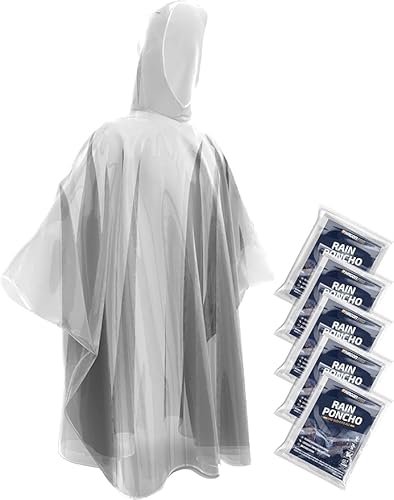
Hagon PRO Disposable Rain Ponchos for Adults (5 Pack)

UIQUR Mens Rain Jacket Raincoat Waterproof Windbreaker
More Details On Our Top Picks
Fair-weather campers who mostly deal with breezy evenings and surprise drizzle get a smart match in the Columbia Spire Valley™ Windbreaker. The shell leans toward a windbreaker category, with a UPF 50 sun rating built into the fabric and a water-repellent finish that handles mist and brief showers without weighing down a pack. For most three-season trips where heavy rain is unlikely, that balance covers the real risks.
The cut runs regular rather than athletic, which leaves room for a midlayer underneath on cooler mornings at elevation. Adjustable hems and vented panels help the jacket breathe during a hike in, so it doesn’t turn into a sauna halfway up the trail. Extended sizing and multiple colorways make it easier to dial in fit, and the whole package comes in light enough to scrunch into a daypack pocket.
Benefits That Matter
- UPF 50 sun protection is built into the fabric, blocking UV rays during exposed ridge walks and long paddles.
- Lightweight construction packs down small enough to live in a hip belt pocket for the whole trip.
- Vented panels keep air moving during uphill hikes, reducing the clammy feeling common in cheaper shells.
- Adjustable hem and regular fit allow easy layering over a fleece on chilly mornings.
Things To Consider
- Water repellency handles mist and brief drizzle, but owners commonly report saturation during sustained downpours.
- The DWR finish (durable water repellent, meaning the outer coating that makes water bead up) typically needs reapplication after a season of heavy use.
Built With In Mind
Campers tackling dry climates and three-season trails where wind and sun pose bigger risks than soaking rain.
Consider Something Else When
Wet-weather travelers heading into multi-day rain should reach for the Columbia Men’s Watertight II Rain Jacket instead.
Campers who want a single piece of kit that covers both body and pack should look at the Helikon-Tex US Model Surplus Line Poncho. Drawing from military-style construction, the design drapes over the wearer and a backpack, keeping both protected during extended walks through steady rain. That wider footprint makes it useful for bushcraft and field-style camping where gear stays exposed.
The poncho approach trades the tailored fit of a jacket for full-coverage simplicity, so layering underneath matters on cold trips. Cut generously, it slips over layers and serves as a quick shelter tarp in a pinch. Compared with the Columbia windbreaker above, this one is built for serious weather rather than breezy afternoons.
Where It Delivers
- Full-body coverage extends over a backpack, keeping loaded gear dry on long approaches.
- Versatile cut doubles as an emergency ground cover or shelter tarp in a wet campsite.
- Loose fit accommodates heavy layering during shoulder-season trips.
Trade Offs
- Loose poncho cut flaps in wind, which some hikers find noisy and cumbersome on exposed ridges.
- No tailored cuffs or hem adjustment, so rain can blow in from the sides during gusty conditions.
- Storage and drying require hanging space, which can be limited in small tents.
Feature Card
Whose Shelf It Belongs On
Field campers and bushcraft enthusiasts who want one piece to cover both themselves and a loaded pack.
Look Elsewhere When
Weight-conscious backpackers chasing a snug, athletic shell should pick the Columbia Spire Valley™ Windbreaker over this poncho.
For campers who expect the sky to open up more than once on a trip, the Columbia Men’s Watertight II Rain Jacket sits in a different class than the windbreaker above. This is a fully seam-sealed waterproof shell with a breathable build, meaning every stitch is covered with a waterproof tape and the fabric lets interior moisture escape. A fine mesh liner sits against the skin, which softens the clammy feeling that cheaper rain shells tend to leave.
The jacket is cut for everyday wear around camp and on the trail, and it packs into its own pocket for stashing in a daypack. Multiple colorways let shoppers pick visibility for low-light conditions. Available in a handful of configurations, the Watertight II covers the case for anyone tired of getting damp around the shoulders during a long weekend.
Bright Spots
- Seam-sealed construction blocks water from entering through stitching, a common weak point in budget rain shells.
- Mesh liner adds comfort against bare arms during muggy rainstorms.
- Packs into its own pocket, saving space in a loaded pack.
- Multiple colorways available, helpful for visibility on overcast days.
Honest Caveats
- Heavier and bulkier than the Spire Valley™ Windbreaker, which adds pack weight on long-distance hikes.
- Waterproof breathable membranes (the internal film that lets sweat vapor out while blocking rain) gradually lose performance without periodic washing and re-treatment.
Made For
Multi-day campers and shoulder-season travelers who expect real rain and need a jacket that handles it without fail.
Skip It When
Dry-climate trekkers chasing minimal pack weight should consider the Columbia Spire Valley™ Windbreaker for sun and wind instead.
Sometimes the smartest rain strategy is keeping a backup in every pack, and the Hagon PRO Disposable Rain Ponchos for Adults (5 Pack) covers that brief. Five individually packed ponchos slip into daypacks, glove boxes, and group gear bags without taking up room. For car campers, scout troops, and festival-style group trips, the multi-pack format solves a problem the rest of this list doesn’t address.
The ponchos aren’t built for multi-day use, but they handle a sudden storm long enough to walk back to the car or hold a tarp while pitching a wet tent. The lightweight plastic construction tears more easily than a jacket, so they earn their keep as a single-use safety layer. Toss one in each family member’s pack and the group’s covered.
A Few Highlights
- Five-pack format covers groups or long trips without reordering extras.
- Individually wrapped ponchos stash anywhere, from a car door pocket to a small daypack.
- Affordable enough to leave one as a designated emergency layer for the whole season.
Points To Note
- Thin plastic tears easily on branches and rough gear, so they’re not built for repeated use.
- No breathability or tailoring, which limits comfort on long walks.
- Disposal matters in low-impact camping areas, so pack-out planning is essential.
Best Suited To
Group trip leaders, drivers, and anyone wanting a low-cost safety layer tucked into multiple packs at once.
Reach For A Different Pick When
Solo backpackers heading into real rain should grab the Columbia Men’s Watertight II Rain Jacket for proper coverage.
Occasional campers who only need rain protection a few weekends a year get a workable match in the UIQUR Mens Rain Jacket Raincoat Waterproof Windbreaker. Marketed as a waterproof windbreaker, it covers the basics: a rain shell designed to handle showers, wind, and the casual pace of a car-camping weekend. Compared with the Helikon-Tex poncho, this is a fitted jacket that feels more familiar for newcomers to outdoor kit.
The construction targets everyday use rather than extended backcountry abuse, which keeps the cost accessible. Layering underneath takes care of cooler evenings, and the jacket slips on over a fleece without bulk at the cuffs. Available colorways make it easy to match the rest of the camp wardrobe. The honest read is that this is a starter piece rather than a long-term investment.
Everyday Advantages
- Affordable entry point for new campers building a kit from scratch.
- Jacket-style cut feels familiar and less bulky than a poncho.
- Works for casual car camping, fishing trips, and short hikes alike.
Small Caveats
- Construction details aren’t specified, so durability over multiple seasons is a reasonable concern.
- Less technical than the Columbia Watertight II, so prolonged heavy rain may test its limits.
- Limited information on seam sealing, which matters for true waterproofing.
Who It Suits Best
Occasional car campers and newcomers to outdoor gear who want a serviceable rain shell without a major spend.
Swap It Out When
Backpackers logging real trail miles should reach for the Columbia Men’s Watertight II Rain Jacket instead.
What To Weigh Before Picking Your Setup
A rain shell earns its keep by matching the climate, not by checking boxes on a spec sheet. The honest starting point is asking how often the trip runs into real rain versus misty mornings, because the answer changes which category makes sense.
For fair-weather trips, breathability and weight win out over heavy waterproofing, which points toward a windbreaker-style layer with venting. For multi-day wet trips, seam-sealed waterproof construction and taped seams (heat-bonded strips that seal stitching holes) keep water out where budget shells tend to leak. Ponchos earn a place when pack coverage matters more than tailored fit, while disposable options cover the gap between primary kit and group emergency layers.
Fabric care matters as much as the original choice. Most waterproof shells need periodic washing to keep the membrane breathing, and a DWR re-treatment every season or two extends the jacket’s useful life. Storing a wet rain shell crumpled in a stuff sack for a week is the fastest way to break down even a solid shell, so a simple hang-dry habit pays off.
Finally, fit determines comfort on long days. A shell that’s too tight restricts layering and stresses seams at the shoulders, while a cut that’s too loose flaps in wind and lets rain sneak in at the cuffs. Trying a jacket on over the insulation actually worn on a trip is the simplest way to avoid a sizing mistake.
Key Considerations Across These Picks
Pitfalls Shoppers Hit
The most common mistake is buying a windbreaker for a trip that calls for a waterproof shell, then learning the difference halfway through a downpour. Water-repellent finishes shed mist but soak through in steady rain, so matching the shell to the forecast matters more than price.
A second trap is ignoring pack coverage. A jacket that keeps the wearer dry while leaving the backpack soaked still ends the trip with wet sleeping gear. Ponchos and pack covers solve this for travelers carrying loads, while jacket-only setups work for day hikers with light packs.
Where The Extra Money Goes
Higher-tier rain shells invest in seam sealing, breathable membranes, and tougher face fabrics that resist abrasion from branches and rocks. Those upgrades translate to staying dry longer, drying out faster between showers, and lasting multiple seasons instead of one.
Paying more makes sense for anyone logging regular trips in wet climates or carrying expensive gear that can’t get soaked. Casual car campers who face a handful of rainy weekends a year can lean on budget shells or disposable backups without giving up much in real use.
Final Verdict
The right rain shell depends less on specs and more on the weather the trip actually faces. Match the category to the forecast, keep an emergency layer in the car, and the rest of the camp kit stays dry when the clouds roll in.