
Portable cooking over fire has its own kind of appeal, and for folks who love deep smoke rings just as much as tailgate ease, a quality portable charcoal smoker grill or barrel-style setup changes the entire cookout. The picks below cover the spread from compact tabletop smokers all the way up to competition-class rigs. Whether the goal is a quiet weekend pulled-pork session, a parking-lot feast before the big game, or low-and-slow cooking in a rental without a built-in grill, there’s a smoker here that fits the way outdoor cooking actually happens.
The Lineup, Simplified
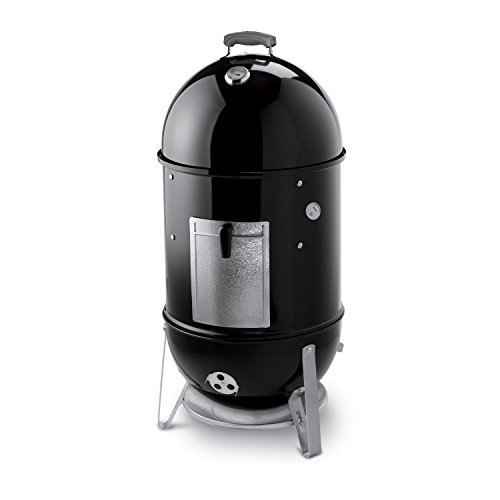
Weber Smokey Mountain Cooker Smoker 18-inch

Oklahoma Joe’s Rambler Portable Charcoal Grill 218 sq. in.
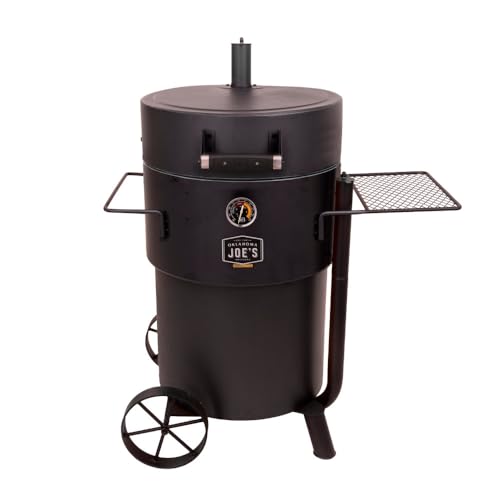
Oklahoma Joe’s Bronco Pro Drum Smoker 21.5 in.

Oklahoma Joe’s Firecraft Open Fire Barrel Grill 480 sq. in.

Oklahoma Joe’s Highland Reverse Flow Offset Smoker 1093 sq. in.
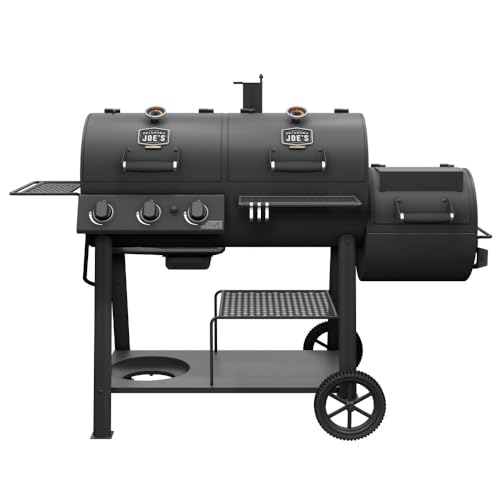
Oklahoma Joe’s Canyon Combo Dual Fuel Smoker and Grill

Oklahoma Joe’s Longhorn Offset Charcoal Smoker and Grill 1060 sq. in.
The Picks, Examined More Closely
The 18-inch Weber Smokey Mountain is the smoker most people picture when they picture a bullet cooker, and for good reason. Steel construction, two cooking grates stacked vertically, and dampers (adjustable vents that control airflow) on both the top and bottom give a beginner a fighting chance at holding 225°F for hours. It’s tall but not unmanageable, and it disassembles into a few manageable pieces for transport in a hatchback.
For apartment patios, weekend ribs, or a first pork shoulder, this smoker makes the learning curve feel shallow. Unlike the Oklahoma Joe’s barrel smokers below, this one uses water in a pan to help stabilize temperature and add moisture, which is forgiving on longer cooks.
The Helpful Details
- Two-tier grate design lets a cook smoke a brisket and a rack of ribs at the same time
- Top and bottom dampers make precise airflow adjustments straightforward
- Porcelain-enameled water pan helps stabilize cook temperatures across multi-hour sessions
- Steel body is heavy enough to stay planted in a breeze but light enough to move around a patio
Things To Consider
- Sealing gaskets on the door tend to need attention over time as heat cycles wear the felt
- Cleaning ash from the lower bowl after every cook is part of the ownership rhythm
- Not ideal for searing, since it’s built for indirect heat only
Feature Snapshot
Whose Shelf It Belongs On
First-time smoker owners who want a forgiving vertical bullet cooker with a well-documented learning curve.
Where Another Pick Suits Better
The Oklahoma Joe’s Longhorn Offset suits anyone who wants the traditional offset stick-burner experience over a vertical water pan design.
The Rambler is a different animal than the rest of this list. It’s a compact tabletop charcoal grill, not a dedicated low-and-slow smoker, but it earns its place because portability is its entire reason for existing. Folding legs, a small footprint, and 218 square inches of grate space make it the obvious choice for tailgates, beach days, or campsite dinners where carrying a full-size barrel smoker just isn’t happening.
The trade-off is no lid to trap smoke, so it grills hot and fast. Think burgers, kebabs, brats, and steaks rather than eight-hour brisket. For a cook who already owns a vertical or offset smoker at home and needs a road companion, the Rambler fills that role without complaint.
A Favorable Mix
- Folding legs and compact body fit in most car trunks or truck beds without hassle
- 218 square inches gives enough room for a family of four’s worth of food
- Height-adjustable charcoal tray lets the cook move the fire closer or further from the food
- Simpler maintenance than vertical smokers, with fewer seams and gaskets to worry about
Worth Noting
- No lid means no real smoking capability, so it’s strictly a hot-and-fast grill
- Thin metal construction requires a flat surface to avoid warping over time
- Charcoal consumption climbs quickly on long cooks since there’s no lid to retain heat
Made For
Tailgaters, campers, and renters who want a no-fuss charcoal grill that travels anywhere and sets up in seconds.
Swap It Out When
Cookers who want actual smoke flavor and longer cook times should reach for the Weber Smokey Mountain Cooker Smoker instead.
Drum smokers earn their reputation for a reason, and the Bronco Pro is Oklahoma Joe’s take on the format with a sealed lid and oversized charcoal basket. The geometry is simple: fire sits in the bottom, meat hangs or sits on grates above, and the sealed drum holds smoke and heat efficiently. Owners commonly find that this style holds temperature with minimal adjustment once dialed in.
The 21.5-inch drum and 366 square inches of cooking area make it capable of handling a couple of pork shoulders or a full packer brisket without feeling cramped. It still counts as portable in the sense that two people can lift it into a bed or trailer, though it’s far from a one-hand carry.
Real-World Strengths
- Oversized charcoal basket supports long, unattended cooks without constant refueling
- Sealed-lid design keeps smoke and heat contained for steady cook chamber temperatures
- Drum format is forgiving for beginners, with fewer airflow levers to juggle than an offset
- Heavy-gauge steel construction holds up to seasonal weather exposure
Trade Offs
- Drum shape limits grate arrangement compared to a vertical cabinet smoker
- Adding wood mid-cook means lifting the lid and losing smoke, so timing matters
- Cleaning ash from a deep drum requires a shop vac or careful scooping
Quick Facts
Best Suited To
Backyard pitmasters who want long, set-it-and-forget-it cooks and prefer drum-style smoking over fiddly offset tuning.
Look Elsewhere When
Anyone needing a true offset stick-burner experience will find the Oklahoma Joe’s Highland Reverse Flow Offset Smoker more aligned with that style.
The Firecraft barrel leans away from dedicated smoker duty and toward a more primal cooking style. The open firebox gives 360-degree access to stoke the fire or move coals around without lifting a heavy lid. The 480 square inches of cooking space, split across two round grates at 240 each, means a cook can manage different heat zones side by side.
This is the pick for someone who treats cooking outside as a social event, with the fire as much a centerpiece as the food. It works as a fire pit when the meal is done, which is unusual among barrel cookers.
Everyday Advantages
- Open firebox lets a cook tend the fire without disturbing what’s cooking
- Two adjustable-height grates create flexible direct and indirect heat zones
- Heavy-gauge wire grates resist corrosion across seasons of outdoor use
- Twist-lock handle makes grate adjustment tool-free and quick
Honest Caveats
- Open-top design means less smoke retention than a sealed drum or vertical cabinet
- Cooking in windy conditions gets tricky since the fire is exposed on all sides
- Live coals can scorch food fast, so attention during the cook is non-negotiable
Who Will Love This
Cooks who want a campfire-style setup that doubles as a fire pit and value the experience over precise temperature control.
A Better Fit Elsewhere
Anyone chasing sealed-chamber low-and-slow cooks will prefer the Bronco Pro Drum Smoker’s enclosed cooking environment.
The Highland is where this list steps firmly into serious BBQ territory. Reverse flow smoking routes heat and smoke under a steel plate before it passes over the meat, evening out temperature across the cooking chamber. Removable baffles (internal plates that redirect heat and smoke) let a cook switch between reverse flow and traditional offset setups on the same rig. The 1093 square inches of total cooking area handle brisket flats, multiple chickens, and a tray of vegetables without crowding.
This isn’t the kind of smoker a casual cook pulls out on a whim. It rewards cooks who understand fire management and want competition-style control, and it asks for more charcoal, more wood, and more patience than the smaller barrel options above.
Useful Strengths
- Removable baffles and adjustable smokestack support both reverse flow and traditional offset smoking styles
- Large charcoal basket delivers longer burns and fewer mid-cook fuel refills
- 1093 square inches provides room for competition cooks or large gatherings
- Heavy-gauge steel construction stands up to the heat cycling of long smoke sessions
Soft Spots
- Full assembly out of the box takes time and a second set of hands
- Heavy construction makes relocation across a yard a two-person task
- Mastering offset fire control has a steeper learning curve than a sealed drum
Feature Overview
Who Should Grab It
Serious backyard pitmasters ready to learn the craft of offset smoking and willing to invest the practice time.
Consider Something Else When
Cooks who want easier temperature control with less babysitting will find the Weber Smokey Mountain Cooker Smoker a friendlier entry point.
The Canyon Combo solves a real problem for many hosts: the smoke on the left, the sear on the right, and no need to choose. A charcoal smoker chamber handles the long, low cooks while a 3-burner propane side heats up fast for burgers and steaks when guests get hungry before the brisket finishes. The 1031 square inches of total cooking area splits into a 750-square-inch primary chamber and a separate grilling surface.
The honest read is that dual-fuel rigs cost more and take up more patio space than single-fuel options, but they replace two separate appliances for households that entertain often.
The Good Stuff
- Two cooking styles in one rig, useful when cooking for mixed crowds with different tastes
- 750-square-inch primary chamber fits two pork shoulders with room to spare
- 3-burner propane side reaches grilling temperatures fast for last-minute additions
- Larger grate capacity covers family cookouts without splitting food across two appliances
Room For Improvement
- Footprint is larger than single-chamber smokers, so smaller patios may feel crowded
- Requires a propane tank sold separately, adding an extra accessory to track
- Managing two fuel types at once during a cook takes planning and attention
The Right Fit
Households that regularly entertain and want both slow-smoked mains and grilled sides from the same backyard station.
Reach For A Different Pick When
Cooks focused purely on competition-style offset smoking should consider the Oklahoma Joe’s Highland Reverse Flow Offset Smoker instead.
The Longhorn has been a backyard staple for a reason. It’s a straightforward offset smoker with a 751-square-inch primary chamber and a 309-square-inch firebox-side cooking surface, totaling 1060 square inches of working space. Hardwood chunks and splits give a cook the classic offset smoke profile without reverse-flow complexity, which keeps the price accessible.
Compared to the Highland, the Longhorn drops the reverse-flow baffle system and trades some refinement for a friendlier price tag. For a family that wants traditional offset flavor without a steep learning curve or premium cost, it lands well.
Positive Points
- 1060 square inches handles brisket, ribs, and sides for larger groups
- Traditional offset design delivers classic wood-fired smoke flavor
- Smaller learning curve than reverse flow since airflow is simpler to read
- Accessible price point for households new to offset smoking
Points To Note
- Hot spots near the firebox mean rotating meat for even cooking
- Thinner steel than higher-tier offsets can show wear after years of heat cycling
- Leaves and ash collect around the firebox, so plan for cleanup after each cook
Core Details
Perfect Match For
Family cooks entering the offset smoking hobby who want proven design without the reverse-flow learning curve.
Not Your Match When
Cooks who want heat distribution precision across the entire chamber should consider the Oklahoma Joe’s Highland Reverse Flow Offset Smoker.
Choosing Portable Smoker Grills That Actually Fit
Picking the right charcoal smoker or grill comes down to how cooking happens, not just what’s on sale. A cook who lives for an overnight brisket has different needs than one who wants burgers ready 20 minutes after arrival at the campsite.
Match the Format to the Cooking Style
Vertical cabinet smokers, like the Weber Smokey Mountain, are great for beginners who want consistent low-and-slow cooks with less babysitting. Offset smokers, including the Highland and Longhorn, deliver traditional BBQ flavor but demand more fire management. Drum smokers split the difference with sealed chambers and long burn times. For pure hot-and-fast grilling on the go, the tabletop Rambler format is hard to beat. Choosing the wrong format for the use case is one of the most common purchase regrets in this category.
Size and Capacity in Real Terms
Square inches on a spec sheet translate differently depending on cut size. A 218-square-inch tabletop fits a family of four’s worth of burgers but won’t hold a whole brisket. A 750-square-inch primary chamber handles two shoulders comfortably. Cooks feeding large gatherings regularly will benefit from 1000+ square inches of total area, while couples or small families will find smaller chambers easier to manage and faster to heat.
Portability Versus Stability
Portable doesn’t mean featherweight for every option here. The Rambler genuinely travels, while the Highland takes two hands and a plan. For frequent transport to events, lighter barrel or drum designs make life easier. For backyard use with occasional moves, heavier steel gives better heat retention and wind stability.
Fuel Flexibility for Mixed Cooking
Dual-fuel options like the Canyon Combo make sense for households that want both low-and-slow smoking and quick grilling from one appliance. Pure charcoal setups demand more planning but reward traditionalists with deeper smoke flavor. Matching the fuel type to the cook’s patience and routine matters more than the raw feature list.
Common Shopping Slip Ups
Buying the largest smoker available can backfire on smaller patios and intimidate new cooks who only need a handful of meals a month. Overspending on reverse flow before learning basic fire management wastes money on features that won’t get used. Underestimating cleanup time leads to frustration, since ash collection and grease management add up across regular use.
Where The Extra Money Goes
Higher-tier models like the Highland reverse flow command more because of thicker steel, internal baffles, and refined airflow control. The upgrade pays off for cooks who host often and want even chamber temperatures. For casual weekend cooks, the added precision may not justify the step up. The honest read is that the right tier depends entirely on how often the smoker gets used and how patient the cook is with fire management.
Wrap Up
The right smoker depends on the cook behind it. Beginners often find their footing with a vertical bullet or a sealed drum, while serious pitmasters gravitate toward offset rigs that reward practice. Whatever fits the routine best will get used, and the one that gets used is the one worth having on the patio.