
Extending a backyard swim season past Labor Day used to feel like wishful thinking. Modern pool heaters close that gap, and the right pick depends on fuel source, climate, and how the backyard is wired. This roundup covers solar, heat pump, and gas options for typical inground setups, with notes on real-world fit rather than brochure claims.
A Closer Look At The Lineup

SolarPoolSupply DIY Solar Pool Heater Kit 4-4×10

Hayward TriStar VS Variable Speed Pool Pump 1.85 HP

AQUASTRONG Swimming Pool Heat Pump 7500 Gallons
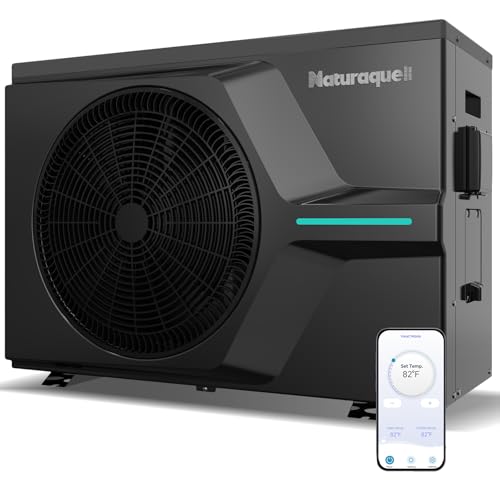
NATURAQUELL Inverter Pool Heat Pump 16,000 Gallons

Hayward H-Series Natural Gas Pool Heater 250,000 BTU
Hayward H-Series Propane Gas Pool Heater 250,000 BTU
Taking A Closer Look At The Options
The SolarPoolSupply panel kit takes a different approach from the gas and heat pump units later in this list. Roof or rack-mounted collectors route pool water through an absorber manifold, using solar gain to lift the temperature a few degrees each pass. For sunny Southwestern backyards, that passive bump often stretches the swim season by several weeks with no fuel bill attached.
The “DIY” label matters here. Owners comfortable with basic PVC plumbing and roof mounting can install the kit themselves. For most homeowners, hiring a pool pro for the plumbing tie-ins is the realistic path, while the panel mounting stays manageable.
The Upside
- Zero ongoing fuel or electricity cost once installed
- Modular panels scale up for larger pools
- Long service life reduces replacement frequency
- No combustion, so no venting or gas line work
Things To Consider
- Heating output drops sharply on cloudy days and in winter
- Roof mounting may need structural review on older homes
Feature Snapshot
Made For
Homeowners in sun-heavy regions who want a low-operating-cost lift and have roof or ground space for the array.
Consider Something Else When
The AQUASTRONG heat pump is a better fit in cloudy, cooler regions where solar gain alone cannot keep up.
The Hayward TriStar VS is not a heater in the strict sense, but it earns a spot because no heat pump or gas unit performs well without proper water circulation. This variable-speed pump moves water at lower RPMs for daily filtration, then ramps up when the heater is actively pulling BTUs. Compared to single-speed units, the energy difference on a residential electrical bill can be substantial over a season.
It also fits homes aiming for utility rebates, since many local programs reward variable-speed pump swaps. Pairing it with the heat pump options below keeps the whole system efficient.
What Works In Its Favor
- Lower RPM operation cuts electricity use during long filter cycles
- Programmable speeds match flow to heater demand
- Permanent-magnet motor runs quieter than older induction designs
Trade Offs
- Higher upfront cost than a basic single-speed pump
- Requires compatible electrical service and possibly a sub-panel upgrade
Quick Facts
Right Fit For
Pool owners replacing an aging single-speed pump who want long-term electrical savings and quieter operation.
Skip It When
The Hayward H-Series natural gas unit suits shoppers who want a true heater and already have a working pump.
The AQUASTRONG 7500-gallon heat pump pulls warmth from outdoor air and transfers it into the water. For most small to average inground pools in mild climates, this capacity range covers spring and fall shoulder seasons without firing up a full gas heater. Dual heating and cooling modes also help when summer afternoons push pool temps too high.
Heat pumps work best when ambient air stays above roughly 50°F. Northern pool owners who want year-round warmth will lean toward the gas options further down this list instead.
What Stands Out
- Dual heating and cooling extends usability across more months
- Uses ambient air, so no fuel delivery is required
- Sized for typical 7,500-gallon residential pools
Points To Keep In Mind
- Heat output slows significantly once outdoor temps drop below 50°F
- Needs adequate clearance and airflow around the outdoor unit
At A Glance
Best Suited To
Pool owners in temperate climates who want shoulder-season heat and occasional summer cooling in a single unit.
Look Elsewhere When
The NATURAQUELL inverter model handles larger pools and colder snaps more comfortably.
Stepping up from the AQUASTRONG, the NATURAQUELL doubles the rated capacity and adds full inverter compressor control. Inverter tech modulates output rather than cycling on and off, which tends to keep the unit quieter and trim electrical draw once the pool reaches the target temperature. For a 14,000 to 16,000-gallon backyard pool, this is the heat pump class that actually keeps pace.
Compare that to the smaller heat pump above: the AQUASTRONG handles modest pools, while NATURAQUELL targets larger bodies of water where extra BTU throughput matters.
Good Reasons To Consider
- Inverter compressor adjusts output, reducing electrical cycling
- Dual heating and cooling covers shoulder seasons and hot summers
- Capacity supports larger residential pools comfortably
Honest Caveats
- Larger physical footprint requires planning for placement
- Higher electrical draw during initial pool warm-up
- Heat pump efficiency still drops in extreme cold snaps
Whose Shelf It Belongs On
Homeowners with mid-to-large inground pools who want inverter efficiency and a unit that handles both heating and cooling duty.
Swap It Out When
The Hayward H-Series natural gas heater suits cooler regions where heat pump output cannot keep up in deep winter.
When heat pump output is not enough, a gas heater steps up the BTU delivery. The Hayward H-Series natural gas model delivers 250,000 BTU, which heats a typical inground pool in a fraction of the time a heat pump needs. For cool overnight starts or quick weekend warm-ups, this is the kind of speed backyard swimmers actually feel.
Natural gas requires a plumbed gas line, so installation is a larger project. Once running, fuel cost varies by region, but heating speed is consistent regardless of outdoor air temperature, unlike the heat pump units above.
Everyday Perks
- Heats pools quickly even during cold weather
- Cupro-nickel heat exchanger resists corrosion from unbalanced water chemistry
- Intuitive control panel with digital display and self-diagnostics
Small Caveats
- Requires an existing natural gas line and professional installation
- Combustion venting must meet local code requirements
Technical Sheet
Who Should Grab It
Homeowners in cooler climates who already have natural gas service and want rapid heat recovery for frequent use.
Reach For A Different Pick When
The Hayward H-Series propane unit fits rural homes without a natural gas line.
The propane version of the Hayward H-Series delivers the same 250,000 BTU output but runs on a portable fuel source. For rural properties without a natural gas line, that single difference opens up gas-heater performance where it would otherwise be off the table. Owners commonly pair it with a buried or above-ground propane tank sized to their expected BTU demand.
Same story on the build side: cupro-nickel heat exchanger, digital control panel, and self-diagnostics carry over. The catch is ongoing propane refills, which can run higher than natural gas in regions where fuel delivery costs more.
A Favorable Mix
- Same fast 250,000 BTU heating as the natural gas sibling
- Works where no natural gas utility line is available
- Cupro-nickel exchanger tolerates varied water chemistry
- Self-diagnostic display simplifies troubleshooting
Less-Strong Areas
- Propane refills add ongoing fuel logistics and cost
- Tank placement and propane line sizing require professional setup
Perfect Match For
Rural or off-grid homeowners who want gas-heater speed but rely on propane rather than a utility gas line.
Where A Sibling Pick Shines
The natural gas H-Series above fits urban lots with a utility gas connection and lower fuel costs per BTU.
Choosing The Right Heater For Your Backyard
Pool heaters fall into three broad families, and the right one depends on climate, fuel access, and how the pool actually gets used. Solar collectors, like the SolarPoolSupply kit, lift temperatures passively and cost nothing to run, but output tracks the sun. Heat pumps (AQUASTRONG and NATURAQUELL) move warmth from outdoor air into the water and run cheaply, yet slow down as temperatures drop. Gas heaters (both Hayward H-Series units) deliver heat fast regardless of weather, at the cost of higher fuel bills.
A 250,000 BTU gas heater typically warms a residential pool in a few hours, while a heat pump may need a full day or more. Matching heater capacity to pool size in gallons matters as well. The 7,500-gallon AQUASTRONG suits modest pools, and the 16,000-gallon NATURAQUELL covers larger residential bodies of water. Undersizing means long waits for warm water, while oversizing adds cost without much benefit.
Fuel access quietly decides the shortlist. Properties with natural gas lines should compare gas to heat pumps. Properties without should weigh propane against heat pumps or solar. The Hayward TriStar VS pump does not heat water on its own, but pairing it with any heat pump or solar setup keeps the whole system efficient and may qualify for utility rebates.
Key Considerations Across These Picks
Traps First Timers Fall Into
Sizing by BTU alone leads to mismatched systems. A 250,000 BTU gas heater on a tiny pool cycles too often, while a 7,500-gallon-rated heat pump on a 14,000-gallon pool never quite catches up. Climate gets overlooked too. Buyers in mild regions assume any heat pump will work year-round, then watch output drop once overnight temps fall.
Where The Extra Money Goes
Higher-tier heat pumps add inverter compressors that ramp output gradually instead of hard-cycling. The result is quieter operation, less electrical stress, and steadier pool temperatures. Premium gas heaters earn their price through cupro-nickel heat exchangers, which tolerate water chemistry swings that destroy standard exchangers over time. In both cases, the upgrade pays off for pools in heavy weekly use rather than occasional weekend warm-ups.
Wrap Up
The right pool heater is the one that matches the climate, the fuel available, and how often the pool gets used. Solar kits fit sun-soaked backyards, heat pumps cover temperate regions cheaply, and gas heaters deliver fast heat for cool climates and frequent swimmers. Spend a few minutes sizing each option to actual gallons before deciding, and the rest of the choice tends to fall into place.