
A long weekend on a backcountry trail exposes every weak link in your kit. The right recovery strap, trash solution, or bike rack can decide whether a trip becomes a story worth telling or a costly tow home. These seven picks cover the unglamorous essentials that experienced overlanders actually rely on when pavement disappears, from a campsite cleanup sack built for rough use to recovery gear rated well beyond typical vehicle weights.
The Lineup, Simplified

Kelty Litter G’tter Reusable Heavy Duty Garbage Bag and Carry Sack

GearAmerica Heavy Duty 3″x20′ Tow & Winch Strap Tree Saver

Rhino USA Recovery Combo Kit 30ft Tow Strap & D-Ring Shackles

ALL-TOP Kinetic Recovery Rope Kit 83000Lbs 1.5in x 30ft
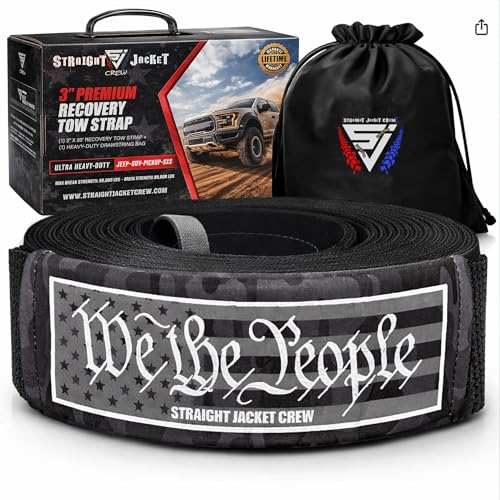
3″ X 20′ Heavy Duty Tow Strap 30,000 Lb Recovery Strap

Rhino USA Kinetic Recovery Rope 1in x 30ft Heavy Duty Snatch Strap

Kuat NV 2.0-1.25″ 2-Bike Hitch Rack
Why These Options Stand Out
Most camp cleanup tools fall apart by the second trip, which is exactly why the Kelty Litter G’tter earns its spot first. Built from puncture- and water-resistant polyester with a roll-top closure, the 30L sack swallows a weekend’s worth of cans, food wrappers, and damp gear without leaking or splitting at the seams. The same fabric that shrugs off broken glass and pine branches folds flat against a cargo shelf when empty.
Overlanders running a basecamp with kids, dogs, or a cook tent will find the volume generous enough for a multi-day stay. Compared to the recovery-focused picks further down this list, the Litter G’tter handles the housekeeping side of the trip so the rest of the gear can do its job.
Advantages To Know
- Roll-top closure seals in odors and keeps rain from pooling inside the bag
- 30L capacity handles a long weekend of cans, food scraps, and damp firewood covers
- Puncture- and water-resistant polyester survives rough ground and wet weather
- Reusable design cuts down on plastic bag waste across multiple trips
Things To Consider
- Empty bag has no rigid structure, so it must be packed carefully in tight cargo areas
- Cleaning a sticky interior requires a hose-down at home, since the fabric cannot go in a standard washer
Right Fit For
Group basecampers and families managing food waste, dog hair, and empty cans across multi-day stays.
Look Elsewhere When
Recovery-focused overlanders should jump to the GearAmerica Heavy Duty 3″x20′ Tow & Winch Strap Tree Saver instead.
When a vehicle ends up winching itself out of a deep rut, the recovery point often matters more than the winch motor. The GearAmerica 3″x20′ tree saver wraps a trunk, log, or large rock to create a soft anchor, spreading load across fabric instead of letting a steel hook gouge bark or crack under tension. A 35,053 lb minimum break strength leaves a wide margin over typical full-size SUV and truck weights.
Triple reinforced loops at each end give the strap a thicker grip zone where it meets a D-ring or shackle. Where the Kelty Litter G’tter handles camp hygiene, this strap handles the mechanical emergencies that turn a scenic trail into a long afternoon.
Useful Touches
- 35,053 lb minimum break strength supports heavy recovery without stretching out
- Triple reinforced loops add material exactly where shackles apply the most force
- 20-foot length wraps medium trunks and reaches distant anchor points
- Weather-resistant webbing shrugs off rain and mud between trips
Worth Noting
- Strap bulk takes up more cargo space than a basic 2-inch tow strap
- Owners commonly rinse the webbing after muddy recoveries to keep grit from wearing the stitching
Quick Facts
Who It Suits Best
Solo drivers running solo winch recoveries on full-size trucks who need a wide, soft anchor strap.
Where Another Pick Suits Better
Shoppers wanting elastic energy for stuck-in-mud extractions should consider the ALL-TOP Kinetic Recovery Rope Kit 83000Lbs 1.5in x 30ft.
First-time overlanders often buy a strap and forget the shackles, which is the exact gap this Rhino USA combo fills. The kit pairs a 30-foot recovery strap with two D-ring shackles rated for heavy pulling, so everything needed for a vehicle-to-vehicle yank arrives in one bag. The included gear bag keeps the components from tangling in the cargo area between trips.
This is a true entry point rather than a pro-grade kit. For someone stepping up from a stock tow hook to a real recovery setup, the combination covers the basics without forcing separate purchases.
Notable Upsides
- 30-foot strap length covers most mid-range vehicle-to-vehicle pulls
- D-ring shackles attach directly to factory recovery points without extra adapters
- Carry bag keeps all components together in a frunk or trunk
- Single purchase simplifies a first recovery kit build-out
Trade Offs
- D-ring shackles add weight compared to lighter soft shackle designs
- The strap lacks the elastic stretch that kinetic ropes use for sticky extractions
Made For
New overlanders building their first complete recovery kit without piecing parts together separately.
Consider Something Else When
Drivers tackling deep mud or sand who want elastic pull should look at the Rhino USA Kinetic Recovery Rope 1in x 30ft Heavy Duty Snatch Strap.
A kinetic rope works differently from a static tow strap. Under tension, the double-braided nylon stretches and stores energy, then snaps that energy back into a stuck vehicle with a sudden, rolling pull. The ALL-TOP kit brings 30%+ elasticity, an 83,000 lb break strength rating, and a 27,600 lb working load limit to that equation, plus two soft shackles that connect the rope to factory recovery points without the clatter of steel hardware.
Where the GearAmerica tree saver anchors a winch line to a fixed object, this rope is built for the rolling-snake motion that pulls bogged rigs out of deep ruts. It suits heavier 4×4 setups where the working load needs real headroom.
The Value In It
- 30%+ elasticity multiplies the kinetic force applied to a stuck vehicle
- 83,000 lb break strength handles heavy 4×4 rigs with substantial margin
- Soft shackles protect factory recovery points from metal-on-metal damage
- High-visibility color stays easy to spot in dust, mud, and low light
Points To Note
- Elastic stretch means the rope needs clearance behind both vehicles during use
- Nylon fibers absorb water, so drying before storage prevents mildew between trips
Feature Snapshot
Who Will Love This
Overlanders running heavy 4×4 setups through deep mud, sand, or snow who want maximum elastic pull.
Skip It When
Casual trail drivers with lighter rigs may find the 3″ X 20′ Heavy Duty Tow Strap 30,000 Lb Recovery Strap easier to handle.
Not every overlander needs the heaviest spec on the shelf. The Straight Jacket Crew 3″x20′ strap delivers a 30,000 lb break strength in a compact package aimed at mid-size SUVs, Jeeps, and UTVs that get stuck in the predictable places: muddy two-track, snowy pull-offs, and soft sand. Reinforced loops at each end pair with the included abrasion sleeve and carry bag so the strap arrives ready to use.
This is the kind of practical, no-frills recovery strap that lives in a cargo bin year-round. It covers the basics for trail-day drivers without forcing a pro-tier budget.
Bright Spots
- 30,000 lb break strength suits mid-size SUVs, Jeeps, and UTVs
- Reinforced loops handle repeated shackle attachment
- Abrasion sleeve shields the strap from sharp recovery points
- Included carry bag keeps the strap tidy in a cargo area
Room For Improvement
- Lower working load than the ALL-TOP and Rhino kinetic ropes for heavier rigs
- Static webbing design lacks the elastic pull of a kinetic rope
Best Suited To
Weekend trail drivers with mid-size rigs who want a reliable, easy-to-store static recovery strap.
Not Your Match When
Heavier full-size trucks should upgrade to the GearAmerica Heavy Duty 3″x20′ Tow & Winch Strap Tree Saver for higher capacity.
Where the ALL-TOP kit goes thick and aggressive, the Rhino USA 1″x30′ kinetic rope keeps the same stretch-and-snap principle in a slimmer, lighter package. The 33,600 lb maximum breaking strength covers mid-size SUVs and most Jeeps, while the smaller diameter makes the rope easier to coil and stash in a rear cargo cubby. It pairs naturally with the Rhino USA Recovery Combo Kit covered earlier for a complete two-vehicle recovery setup.
For trail drivers who want elastic recovery without the heavier working load of a 1.5-inch rope, this sits in a comfortable middle ground.
What Works In Its Favor
- 1-inch diameter makes the rope easier to handle and store than thicker kinetic options
- 33,600 lb maximum breaking strength covers mid-size SUVs and Jeeps
- Elastic stretch multiplies the energy applied to a stuck vehicle
- Light enough to live in a cargo bin year-round
Some Limits To Know
- Lower break strength than the 1.5-inch ALL-TOP rope for heavier rigs
- Nylon fibers require full drying before long-term storage to prevent mildew
Key Product Details
Perfect Match For
Mid-size SUV and Jeep owners who want elastic recovery power in a slimmer, easier-to-store rope.
Another Choice May Suit
Full-size truck operators may prefer the higher working load of the ALL-TOP Kinetic Recovery Rope Kit 83000Lbs 1.5in x 30ft.
Overlanding and mountain biking share a long overlap, and the Kuat NV 2.0 is built for the crossover crowd. The 1.25-inch hitch version fits smaller receivers found on compact cars, sedans, and many crossovers, opening up a premium rack to drivers without a 2-inch tow setup. The metallic black and anodized gray finish gives it a more refined look than the typical powder-coated tray rack, and the build handles a variety of bike styles from road to full suspension.
Where the rest of this roundup focuses on what happens when things go wrong on the trail, the NV 2.0 focuses on what happens when the trip goes right: bikes arrive intact and ready to ride.
Practical Advantages
- 1.25-inch hitch fitment opens premium rack design to smaller vehicles
- Two-bike capacity covers couples and small families on trail weekends
- Accommodates a variety of bike styles, from road to full suspension
- Refined metallic finish resists scratches better than basic powder coat
Points To Keep In Mind
- Hitch-mounted design requires compatible tow hitches or receiver adapters
- Owners commonly remove the rack for daily driving to avoid clearance issues in parking structures
Who Should Grab It
Bike-toting overlanders with smaller vehicles who want a premium rack that fits a 1.25-inch hitch receiver.
Reach For A Different Pick When
Recovery-focused overlanders should head back to the Rhino USA Recovery Combo Kit 30ft Tow Strap & D-Ring Shackles for trail-side vehicle pulls.
Smart Strategies For Picking Overlanding Gear
Start with the trip, not the catalog. Match every purchase to a real scenario: a basecamp family needs the Kelty Litter G’tter, while a solo rig running remote two-track needs the ALL-TOP kinetic rope. The wrong gear in the right spot is a wasted dollar.
Recovery Ratings That Actually Match Your Vehicle
Break strength numbers only matter in relation to the rig they rescue. Mid-size SUVs and Jeeps rarely need more than 30,000 lb of capacity, so the Rhino USA kinetic rope and the Straight Jacket Crew strap fit that profile. Full-size trucks running heavy bumpers and winches push closer to the 35,000 to 80,000 lb range covered by the GearAmerica and ALL-TOP picks.
Static Straps Versus Elastic Kinetic Ropes
A static tow strap moves the stuck vehicle at the same speed as the rescue vehicle, which works in shallow mud but stalls in deep ruts. A kinetic rope stretches and stores energy, then snaps that energy into the stuck rig for a rolling pull that often frees a vehicle without extra digging. Choosing between them comes down to terrain: flat dirt and snow favor static, while mud and soft sand favor kinetic.
Storage And Daily Maintenance
Straps and ropes collect mud, water, and grit that wear stitching over time. Owners commonly rinse webbing after messy recoveries and hang nylon ropes to dry before coiling, since trapped moisture leads to mildew. A carry bag, included with several picks here, keeps components from tangling in the cargo area and helps gear last across multiple seasons.
Key Considerations Across These Picks
Where Shoppers Go Wrong
The most common mistake is buying recovery gear rated far below the vehicle it needs to rescue. A 10,000 lb strap paired with a 6,000 lb truck is fine, but the same strap on a 7,500 lb truck with a steel bumper leaves little margin. Matching break strength to gross vehicle weight, including armor and gear, prevents the kind of strap failure that turns a stuck rig into a stranded rig.
Where The Extra Money Goes
Premium picks like the ALL-TOP kinetic rope and the Kuat NV 2.0 hitch rack charge more for tighter material specs and longer service life. Double-braided nylon, mil-spec coatings, and reinforced loops cost more to manufacture but hold up across dozens of recoveries rather than a handful. Paying up makes sense for full-time overlanders who use the gear monthly, while casual weekend drivers often find mid-tier straps and ropes cover the same scenarios.
Closing Thoughts
The right overlanding gear fades into the background until the moment it matters, whether that is hauling trash out of a basecamp or pulling a rig out of a deep mud hole. Match the spec to the vehicle, match the gear to the terrain, and the rest of the trip gets a lot easier. Start with the pick that solves the most likely scenario, then build out from there.