
Overlanding pulls people toward gravel roads, alpine pull-outs, and desert clearings where a flat ground tent just won’t do. A hard-shell rooftop tent turns the vehicle into sleeping quarters in minutes, lifts campers above wet ground and curious wildlife, and keeps gear consolidated for short road trips. The shortlist below focuses on aluminum-bodied hard-shell designs plus one truck-bed alternative, with notes on capacity, materials, and the trade-offs that show up on long trips.
The Leading Options At A Glance

JOYINRUTE Aluminum Rooftop Tent Hard Shell

HEYFUN Adventurer Pro Rooftop Tent Hard Shell

WildFinder Rooftop Tent Hard Shell
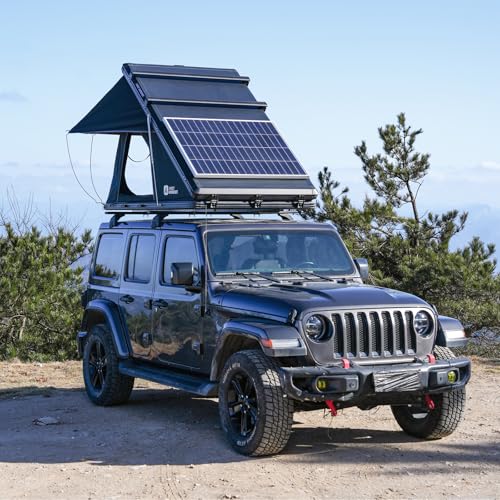
ARCTWONDER Solar Panel Rooftop Tent Hard Shell

ARCTWONDER Rooftop Tent Hard Shell with Thermal Layer

GoHimal Pickup Truck Bed Tent (Gray)
The Details Behind The Selections
The JOYINRUTE aluminum hard shell pops open with four hydraulic assist rods (gas struts that lift and hold the lid as it unfolds), a feature more often seen on pricier name-brand shells. For most weekend trips that means one person can deploy camp in under two minutes without wrestling a manual lift.
Aircraft-grade aluminum on the lid and corners gives the tent a stiffer feel than ABS plastic shells, which tend to creak and fade in direct sun. Two campers fit comfortably with a mattress platform that sits above the crossbars. The honest read is that solo travelers and couples get the most from the footprint, while taller sleepers may brush the ceiling near the entry ladder.
Practical Pluses
- Hydraulic rods remove the awkward manual lift common on budget hard shells.
- Aluminum shell resists warping across hot summers and cold winters.
- Low closed profile keeps wind drag and clearance concerns in check.
- Fast deployment suits late arrivals and tired drivers at trail’s end.
Worth Noting
- Weight on the rack is heavier than a soft-shell tent, so verify your crossbar rating first.
- Interior space feels tight for three adults on longer trips.
- Owners commonly report dust intrusion at the seal over time, so a quick wipe-down each season helps.
Who It Suits Best
Couples and solo overlanders who camp two to four weekends a month and want a hard shell that deploys without a fight.
Skip It When
Three-person families should look at the HEYFUN Adventurer Pro, which carries a roomier sleeping platform and more headroom.
Where the JOYINRUTE focuses on the shell itself, the HEYFUN Adventurer Pro bundles in the campsite extras: an attachable side awning and a built-in LED strip on the ceiling. The interior floor uses a flocked lining, which is a soft velvety coating that helps hold sleeping bags in place and quiets down the usual crinkle of tent fabric at midnight.
Rated for two to three sleepers, the Adventurer Pro stretches wider than most shells in this class, which makes a real difference for parents camping with a child or a dog. Aluminum construction keeps the closed profile low. Depending on your vehicle’s roof load, the added awning and lighting can push total weight higher than the JOYINRUTE, so crossbars deserve a check before mounting.
Real-World Strengths
- Side awning expands shaded living space without a separate purchase.
- LED strip removes the headlamp shuffle at bedtime and in the morning.
- Flocked floor reduces sleeping bag slippage on sloped platforms.
- Two-to-three sleeper capacity suits small families and dog owners.
Trade Offs
- More wiring and hardware to inspect before each trip than simpler shells.
- Awning adds setup time at camp.
- Heavier curb weight than the JOYINRUTE once accessories are factored in.
Feature Snapshot
Made For
Small families and feature-oriented campers who want lighting and shade bundled into one rooftop setup.
Consider Something Else When
Drivers focused on cold-weather camping will get more value from the ARCTWONDER Solar Panel Rooftop Tent, which adds a thermal layer for shoulder-season trips.
WildFinder goes with aircraft-grade aluminum for the body, then pairs it with a stainless steel air pressure lever for the latches. Stainless resists corrosion at the seacoast and on salted winter roads, which is a quiet advantage over stamped-steel hardware that rusts within a season or two.
Polyester fabric covers the canopy and offers blackout properties, meaning less early-morning light bleed than untreated canvas. Marketed across Jeep, SUV, truck, and van platforms, the shell fits most factory crossbars that meet its load spec. Compared to the JOYINRUTE, the WildFinder trades the four-rod hydraulic assist for a manual-but-levered opening, which keeps weight down but asks for a little more effort at setup.
Everyday Advantages
- Stainless steel lever hardware shrugs off salt spray and road grime.
- Blackout polyester canopy blocks early sunrise for late sleepers.
- Cross-platform fit broadens vehicle compatibility.
- Aluminum shell handles thermal cycling across seasons.
Points To Keep In Mind
- Manual lever takes more upper-body effort than hydraulic shells.
- No integrated awning or lighting, so plan to add accessories separately.
Best Suited To
Overlanders who rotate between vehicles or live near the coast and want hardware that resists corrosion over years of use.
Look Elsewhere When
Campers who want one-touch deployment should consider the JOYINRUTE Aluminum Rooftop Tent, which uses hydraulic assist rods for easier openings.
The ARCTWONDER Solar Panel Rooftop Tent layers two ideas together: a winter thermal shell and an integrated solar panel on the lid. The thermal layer adds insulation between the shell and the canopy fabric, which cuts down on condensation and holds warmth during shoulder-season trips when temperatures dip below freezing overnight.
The solar panel trims battery anxiety on multi-day stops where a portable power station or camp lighting needs a top-up during the day. Aluminum construction carries across the bottom plate, top cover, and four corners. For backcountry winter travel or high-desert fall trips, the combination of warmth retention and on-the-go charging removes two common pain points at once.
Where It Excels
- Integrated solar panel tops up small electronics without dragging a separate blanket.
- Winter thermal layer reduces interior condensation and heat loss.
- Aluminum corners and shell resist cracking in cold-weather flex cycles.
- Self-sufficient power suits remote dispersed camping.
Honest Caveats
- Solar panel adds cost and weight compared to non-powered shells.
- Thermal layer makes the closed shell slightly bulkier on the rack.
- Panel orientation matters, so shade-heavy forests limit midday output.
Quick Facts
Perfect Match For
Off-grid campers who travel into shoulder seasons and want both insulation and a passive charging surface on the roof.
Reach For A Different Pick When
Shoppers who do not need solar charging should look at the ARCTWONDER Rooftop Tent Hard Shell with Winter Thermal Layer, which carries the same insulation without the panel cost.
The sibling to the solar-equipped shell above, this ARCTWONDER keeps the winter thermal layer and aluminum build but drops the integrated panel. For campers who already carry a portable battery or do not camp far from the truck, that tradeoff makes sense and lowers total cost.
The same aluminum corner construction shows up here, which addresses a common weakness on competing tents that still use plastic corners. Plastic corners turn brittle in prolonged cold and crack when the shell flexes over uneven roads. Aluminum corners keep their integrity across temperature swings. The thermal layer handles condensation the same way as the powered version.
Practical Advantages
- Aluminum corners stand up to cold-weather brittleness that affects plastic parts.
- Thermal layer cuts down overnight condensation drip in cool air.
- Aluminum base plate spreads vehicle weight evenly across crossbars.
- Lower price than the solar-equipped sibling.
Less-Strong Areas
- No integrated lighting or awning, so bring accessories separately.
- Thermal layer adds closed-shell bulk.
Right Fit For
Four-season campers and late-fall hunters who want cold-weather insulation without paying for solar hardware they won’t use.
Swap It Out When
Off-grid travelers who want passive charging should step up to the ARCTWONDER Solar Panel Rooftop Tent for the integrated power top-up.
The GoHimal steps away from the rooftop category entirely. A truck bed tent drops into 5.5 to 6 foot beds and turns the cargo area into a sleeping shelter using fiberglass poles and a coated Oxford polyester cover. PU2000 coating is a polyurethane layer rated for moderate rain resistance.
The trade-off versus a rooftop tent is significant. Bed tents cost far less, sit at ground level, and need no crossbars or roof-loading math. They also leave the truck bed occupied when the tent is deployed, which blocks hauling firewood, coolers, or bikes during the same trip. For pickup owners without a rack system and who camp out of the bed anyway, this remains a sensible alternative.
Key Advantages
- No roof rack or crossbar load rating required.
- Lower cost than any hard-shell rooftop tent in this roundup.
- Fiberglass poles flex in wind without snapping easily.
- Lightweight design installs in minutes on flat ground.
Things To Consider
- Ground-level placement exposes sleepers to crawlspace critters and weather runoff.
Feature Snapshot
Whose Shelf It Belongs On
Truck owners without crossbars who want a low-cost, low-effort camping setup that uses the bed they already own.
A Better Fit Elsewhere
Anyone with a roof rack and a longer trip horizon will get more comfort and weather protection from the JOYINRUTE Aluminum Rooftop Tent Hard Shell.
What To Weigh Before Choosing A Rooftop Tent
Shell Material And Hardware
Aluminum shells outlast ABS plastic shells in direct sun, salt air, and winter cold. Plastic fades, warps, and turns brittle over a few seasons, while aluminum keeps its shape and finish. Hardware matters as much as the shell itself: stainless steel latches resist corrosion on coastal trips, while stamped steel parts can pit within a year.
Weight And Vehicle Match
Hard-shell rooftop tents commonly run heavier than soft shells. Confirm your crossbar dynamic load rating before buying. A typical mid-size SUV crossbar handles roughly 150 pounds when parked, but driving drops that allowance. For pickup owners without racks, the GoHimal bed tent sidesteps the entire weight conversation by sleeping inside the bed itself.
Capacity And Interior Layout
Two-person capacity means two adults in comfort, not three. The HEYFUN Adventurer Pro stretches wider for small families, while most others here lean toward couples and solo travelers. Headroom at the entry ladder is the most common pinch point: taller sleepers should measure sitting height before committing.
Seasonal Use
For shoulder-season and winter camping, the ARCTWONDER thermal layer options reduce condensation and hold heat. A standard aluminum shell works fine for spring through fall in most climates, but cold-weather trips reward the extra insulation.
Key Considerations Across These Picks
Pitfalls Shoppers Hit
Skipping the crossbar weight check is the most common mistake. A rooftop tent that fits the roof visually can still exceed the dynamic load rating once two people climb in at night. Measure your rack rating, then add the tent’s weight and your sleeping gear. Another slip-up is buying for summer-only conditions and discovering condensation dripping inside during the first cold snap.
Where The Extra Money Goes
Higher-tier shells trade stamped parts for aluminum, plastic corners for aluminum corners, and manual lifts for hydraulic assist. They also bundle accessories like awnings, lighting, or solar panels. The premium pays off for campers who deploy weekly, travel in mixed weather, or value one-touch setup. Weekend-only campers in mild climates do well with mid-tier builds and add accessories as needed.
The Takeaway
Aluminum hard-shell rooftop tents cover the overlanding basics well, and the right pick depends on vehicle fit, party size, and the seasons campers actually use the setup. Couples gravitate toward the JOYINRUTE for its hydraulic-assisted deployment, while small families lean into the HEYFUN Adventurer Pro’s wider floor and bundled accessories. Cold-weather travelers find real value in the ARCTWONDER thermal layer options, and pickup owners without racks get a sensible alternative from GoHimal. Match the tent to the trip, not the other way around.