
Heading off the beaten path without reliable wayfinding turns a good trip into a bad one fast. Cell coverage fades, paper maps get soggy, and guessing which forest road leads to the campsite wastes daylight. A purpose-built overland GPS keeps routes, waypoints, and vehicle position locked in where consumer phones start to drift. The lineup below covers marine receivers, in-car navigators, fleet trackers, and mobile pair-ups that earn their place in an overland rig. Each pick fits a specific kind of traveller, from weekend trail runners to long-haul expedition drivers.
The Main Contenders

Garmin Next Generation GPS Receiver 19x HVS
LMCOWRE 7” GPS Navigator with 2026 Maps
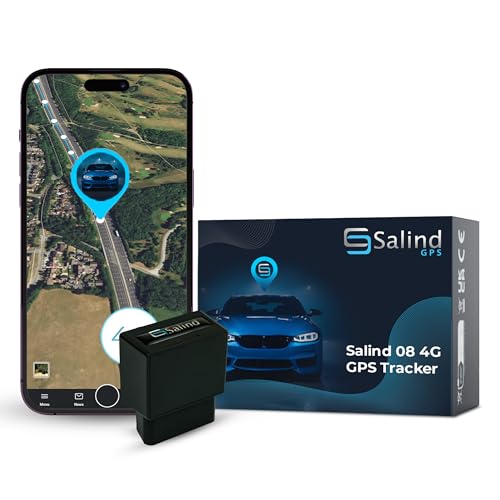
SALIND OBD GPS Tracker for Car, 4G

SALIND 4G GPS Tracker for Fleet Trucks

SALIND 4G Wired GPS Tracker for Motorbike

Garmin Drive 51 USA LM GPS Navigator

Garmin GLO 2 GPS/GLONASS Receiver
The Details Behind The Selections
The Garmin 19x HVS is a dedicated high-sensitivity GPS antenna module, not a screen-based navigator, so it slots cleanly into overland rigs that already run a marine multifunction display or compatible instrument cluster. Where phones and pads lose satellite lock under a steel roof rack, a 32-channel receiver mounted with clear sky view keeps position reporting steady.
It feeds multiple global navigation satellite systems to the host display, which matters when crossing tree cover or canyon walls where one constellation drops out. For overlanders running amphibious or boat-supported routes, it doubles as the marine-grade backbone that consumer units can’t match.
Noteworthy Benefits
- Multi-constellation tracking pulls from more satellites, so position holds up under canopy or steep terrain
- High update rate suits moving vehicles where small course corrections matter
- Compact antenna body fits tight mounting spots on roof racks or cabin tops
- Pairs with existing Garmin marine displays and autopilots, so no separate screen is needed
Worth Noting
- Requires a compatible Garmin display or chartplotter to view data
- Installation calls for routing a cable and securing the antenna in a sky-visible spot
Quick Facts
Made For
Overlanders running a Garmin marine display who want dedicated satellite reception on a roof-mounted antenna.
Swap It Out When
The Garmin Drive 51 suits drivers who’d rather read a dedicated road screen than pipe data into a marine chartplotter.
The LMCOWRE 7-inch navigator leans into the kind of routing that matters when your rig stands 13 feet tall and tips the scales at the highway limit. Truck and RV modes steer the route around low bridges, weight-restricted lanes, and tight corners that would ruin a trip on a stock car navigator.
Pre-loaded 2026 North American maps with free lifetime updates keep the road data fresh, and the spoken voice prompts flag speed limits and school zones without taking eyes off the trail. For expedition-truck or motorhome builds, that combination is genuinely useful on long cross-country legs.
Strengths Worth Knowing
- Truck-aware routing avoids the bridge strikes that wreck overland schedules
- Lifetime map updates remove the recurring cost of keeping nav data current
- Multiple vehicle modes cover bicycles, pedestrians, buses, and RVs in one unit
- Voice prompts for speed limits and school zones support hands-on-wheel driving
Trade Offs
- Real-world map accuracy depends on how current the manufacturer’s data is for remote backroads
- Windshield mounting works best on flat glass, not the curved panels common in newer trucks
Right Fit For
Expedition-truck and motorhome drivers who need height- and weight-aware routing on a screen they can read at a glance.
A Better Fit Elsewhere
Salind GPS trackers suit overlanders more concerned with vehicle security and recovery than turn-by-turn driving directions.
The SALIND OBD tracker swaps hardwiring for a five-second plug into the vehicle’s OBD-II diagnostic port (the same socket a mechanic uses for fault codes, found on most cars built after 1996). That matters for overlanders who swap vehicles often or rotate a tracker between a daily driver and a weekend rig.
Real-time 4G reporting over the pre-installed SIM keeps location fresh, and the bundled kit removes the need to source accessories separately. For trip logging or recovery peace-of-mind, it’s one of the lowest-friction options on the list.
Practical Pluses
- Plug-in install skips tools and wiring, so the rig stays untouched
- Pre-installed SIM card removes the activation step that trips up other trackers
- Compact housing tucks under the dash without changing the cabin layout
- Draws continuous power from the OBD port, so the internal battery stays topped
Honest Caveats
- OBD-II port location varies by vehicle, and some tuck under trim panels that complicate access
- Requires an active subscription plan to deliver location data
Feature Snapshot
Best Suited To
Overlanders with a fleet or second rig who want a swap-friendly tracker without committing to permanent wiring.
Consider Something Else When
The SALIND magnetic fleet tracker fits better when there’s no OBD port available, such as trailers or heavy machinery.
The SALIND fleet tracker earns its slot through magnets that grab any steel surface and a battery rated for weeks of continuous reporting. Unlike the OBD plug above, this one doesn’t need a port, so it lands on trailers, recovery trucks, and overland campers that lack a diagnostic socket.
The 4G connection keeps reports flowing in real time, and the substantial internal cell means a stolen rig keeps reporting position long after the ignition goes cold. Fleet managers and solo overlanders running expensive kit both get value from that combination.
Everyday Perks
- Magnetic mount installs in seconds and transfers between vehicles as the trip demands
- Long-life battery reduces the charging cycle that punishes smaller trackers
- Real-time 4G reporting keeps location fresh across long-distance moves
- Works on anything metal, from a bumper to a steel trailer tongue
Points To Keep In Mind
- Battery life shortens with more frequent location updates, depending on usage pattern
- Subscription plan required to access the tracking portal and live data
Who Should Grab It
Solo overlanders with expensive rigs and fleet operators who need quick-mount tracking on non-standard vehicles.
Look Elsewhere When
The SALIND OBD tracker is a cleaner fit for daily drivers with a standard diagnostic port and a preference for always-on power.
Adventure bikes rarely have OBD ports, and magnets lose grip on aluminium frames, so the wired SALIND 4G tracker solves the problem with a direct connection to the bike’s electrical system. It accepts a wide 9 to 75 volt input range, which covers everything from small commuter batteries to the 48V packs on modern overland bikes.
Permanent hardwiring means no charging cycles and no risk of the unit sliding off a swingarm mid-ride. For long-haul motorbike expeditions where theft or recovery is a real concern, the trade-off is worth it.
The Practical Payoff
- Direct wiring removes battery anxiety on multi-month trips
- Wide voltage input fits a broad range of bike electrical systems
- Compact body tucks into frame cavities or under seats
- Pre-installed SIM skips the activation friction common to other trackers
Some Limits To Know
- Wiring calls for basic electrical skill or a shop install
- Subscription required to access live tracking data
The Right Fit
Adventure motorbike overlanders building a permanent electrical setup who want always-on tracking without recharging routines.
Reach For A Different Pick When
The Garmin GLO 2 receiver pairs better with phone-based navigation than a hardwired tracker, ideal for riders who prefer map apps.
The Garmin Drive 51 keeps things simple with a focused 5-inch screen, spoken turn prompts, and lifetime map updates for the US. It doesn’t try to be a smartphone replacement; it just handles navigation so the phone stays free for trail guides and comms.
Driver alerts flag sharp curves, speed changes, and nearby schools before they surprise you, and TripAdvisor plus Foursquare data fold trip-planning detail into the route screen. For highway-heavy overland routes that mix pavement and gravel, that’s a sensible balance.
A Few Highlights
- Lifetime map coverage removes the recurring cost of keeping routes current
- Spoken directions keep eyes forward and hands on the wheel
- TripAdvisor and Foursquare data help plan food and stops along long drives
- Dedicated screen performs reliably without draining a phone on multi-day trips
Possible Compromises
- US-focused map data limits use on international overland crossings
- 5-inch screen reads well from the driver’s seat but crowds detailed topographic data
Feature Card
Whose Shelf It Belongs On
Overlanders covering long pavement stretches between trailheads who want a standalone navigator separate from the phone.
Skip It When
The Garmin GLO 2 fits better when navigation already runs through a phone or tablet, since it adds satellite lock without a separate screen.
The Garmin GLO 2 is a pocket-sized satellite receiver that talks to phones and tablets over Bluetooth, layering dedicated GPS and GLONASS reception (GLONASS is Russia’s satellite constellation, similar to GPS) on top of whatever the device has built in. Phones alone often struggle to lock position under tree cover; pairing a GLO 2 closes that gap without buying a second screen.
For overlanders who already run Gaia, Onyx, or other map apps, the GLO 2 keeps the familiar interface and adds the satellite precision those apps expect. It’s a sensible upgrade rather than a full hardware swap.
Where It Delivers
- Dual-constellation reception improves position accuracy under heavy canopy
- Bluetooth pairing works across iOS and Android without a dedicated app
- Compact body drops in a cup holder, console, or jacket pocket
- Rechargeable battery keeps the unit running through multi-day trips
Areas To Watch
- Bluetooth pairing can drop briefly when the device sleeps, depending on phone settings
- Charging routine adds another item to the overland power checklist
Technical Highlights
Built With In Mind
Overlanders running phone-based navigation apps who want stronger satellite lock under trees and canyon walls.
Not Your Match When
The Garmin Drive 51 USA LM is a better match for drivers who want a dedicated screen and don’t want to manage phone pairing.
Picking The Right Overland Gps for Your Build
Overland GPS gear spans more than one purpose, and the right pick depends on how the rig gets used. Drivers covering long pavement stretches between trailheads benefit from a dedicated road navigator like the Garmin Drive 51, while backcountry explorers running phone apps can sharpen satellite lock with the Garmin GLO 2. Owners concerned about theft or recovery should weigh a tracker, either the OBD plug-in for daily drivers, the magnetic mount for trailers and heavy machinery, or the wired variant for motorbikes.
Map updates, subscription cost, and power source shape the long-term ownership picture. A standalone navigator with lifetime maps removes a recurring fee, while a tracker adds a subscription that funds the cellular network feeding the location data. Hardwired trackers avoid charging routines but require installation comfort; OBD and magnetic units trade permanent wiring for swap-friendly convenience. Matching the install style to mechanical comfort prevents an expensive piece of gear from sitting unused in a drawer.
Marine crossovers who run amphibious routes or tow boats inland gain the most from the Garmin 19x HVS, since it feeds data straight into existing chartplotters. Truck and RV drivers should look closely at the LMCOWRE navigator, where truck-aware routing spares the rig from low-clearance surprises. Across the category, antenna placement, vehicle compatibility, and update frequency decide whether the unit earns its place on every trip.
Smart Buying Advice For Overland Gps Shoppers
Common Shopping Slip Ups
Overlanders often pick a tracker based on battery life alone and overlook subscription cost, which can exceed the hardware over a few years. A unit that reports every minute drains faster and costs more on the cellular side than one reporting every few minutes. Match the reporting interval to the actual trip pattern.
Another common miss is assuming any phone mount counts as overland GPS. Phones lose satellite lock under heavy tree cover, so dedicated receivers or navigators earn their slot precisely where phones fail. Building the GPS setup around the worst-case trail condition, not the easy paved start, prevents a mid-trip dead spot.
What The Higher Tier Buys
Premium tier typically adds multi-constellation reception, faster update rates, and tougher weather sealing that budget units skip. For someone running one trip a year on mapped forest roads, a basic standalone navigator handles the job. Expedition drivers who cross remote terrain gain more from hardened construction and dual-constellation reception, since the worst-case failure mode (lost position deep in a canyon) carries real safety weight.
The Takeaway
The strongest overland GPS depends entirely on how the rig gets used: truck and motorhome drivers benefit most from truck-aware routing, marine crossovers need a marine-grade receiver, and security-minded owners want a tracker matched to the vehicle’s electrical setup. Phone-first explorers gain accuracy from an external satellite receiver without giving up their preferred apps. Whichever direction fits the trip, the picks above cover the realistic use cases an overland build demands.