
Evening air turns sharp faster than most people expect, and a basic patio umbrella stops feeling like shelter once temperatures dip below 55°F. Outdoor entertaining, workshop sessions, and tailgating all run longer when a focused heat source is on the job. This roundup looks at seven models spanning propane tank-top units and wall-mountable infrared electric heaters, because the right choice depends entirely on where and how the heat needs to land.
The Picks In Brief

Eurofase EF60240B 6000W 240V Infrared Patio Heater (Black)
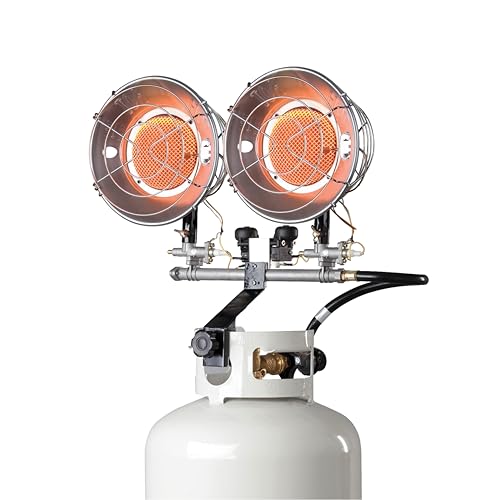
Mr. Heater 30,000 BTU Double Tank Top Heater
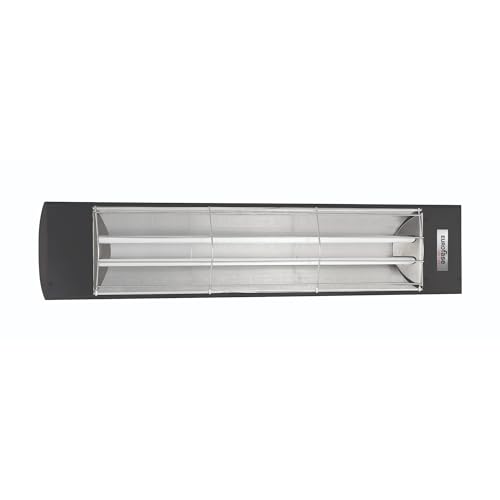
Eurofase EF40240B 4000W 240V Infrared Patio Heater (Black)

Eurofase Heating 5000W 240V Dual Element Infrared Heater (Stainless)

Eurofase EF60277S3 6000W 277V Infrared Patio Heater (Stainless)

Mr. Heater 45,000 BTU 540-Degree Tank Top Heater
EAST OAK 55,000 BTU Propane Patio Heater with Table
The Picks, Examined More Closely
For homeowners with a sizable covered patio, the EF60240B delivers the kind of output that keeps a dining group comfortable through a chilly evening. Unlike the portable propane units later in this list, it runs on a 240V hardwired connection and uses infrared waves that warm people and surfaces directly rather than heating a wide volume of air.
The black steel housing reads as a low-profile appliance when ceiling-mounted, which matters on a patio where the visual line should stay clean. For most backyard installations, the radiant footprint covers a seating zone without pushing hot air into a neighbor’s yard.
Points In Its Favor
- 6000W output handles generous seating areas without sounding like a jet engine
- Infrared radiant technology warms people and furniture rather than wasting energy on ambient air
- Steel construction tolerates patio weather with routine care
- Hardwired 240V operation means no propane tanks to swap mid-dinner
Worth Noting
- Requires professional electrical installation on a dedicated 240V circuit
- Heating range narrows in fully open, breezy spaces without an overhead cover
- Annual wipe-down of the reflector helps maintain radiant efficiency
Who It Suits Best
Homeowners with a partially enclosed patio and a 240V line already run for an appliance.
Consider Something Else When
Workspaces and tailgates are better served by the Mr. Heater 30,000 BTU Double Tank Top Heater, which needs no electrical hookup at all.
When the goal is heat anywhere a propane tank fits, this Mr. Heater unit earns its place on a tailgate or job-site trailer. The “double tank top” form factor threads onto a standard 20 lb propane cylinder and gets to work in seconds, which is exactly the point when a morning starts cold and the project can’t wait.
Compared with the hardwired Eurofase EF60240B that opens this list, everything here trades permanent install for pure mobility. Quiet operation and dual tip-over shut-offs give it a sensible safety story for enclosed garages or tents with ventilation.
Useful Strengths
- Three heat settings (low/medium/high) let users match output to tank runtime
- Dual tip-over shut-offs cut fuel flow if the unit is bumped
- Soft-nose P.O.L. fitting connects without special wrenches
- Adjustable regulator adapts to common propane cylinder pressures
Things To Consider
- Ventilation matters in any semi-enclosed space; never run it in a sealed room
- A single 20 lb tank runs roughly 4-8 hours depending on the selected setting
Quick Facts
Made For
Tradespeople, campers, and tailgaters who want heat without dragging a generator along.
Look Elsewhere When
Backyard entertaining deserves a taller standing unit like the EAST OAK 55,000 BTU Propane Patio Heater, which doubles as a side table.
The EF40240B is the middle sibling in the Eurofase infrared family, sitting between the 5000W unit and the flagship 6000W EF60240B. For a four-person bistro set on a standard covered patio, 4000W is often the sweet spot, providing enough radiant heat without overpaying for capacity that goes unused.
The same infrared heating principle applies here: people and objects get warm directly, which feels noticeably more comfortable on a still evening than forced-air alternatives. The steel body holds up under typical patio conditions.
Noteworthy Benefits
- 4000W output suits intimate seating zones without overshooting
- Infrared targeting concentrates warmth where people actually sit
- Black steel finish blends with most patio color palettes
- Quiet, fan-free operation keeps conversation easy
Soft Spots
- 240V hardwired installation calls for a licensed electrician
- Coverage shrinks in open, wind-exposed layouts
Feature Snapshot
Right Fit For
Households with a smaller covered patio who want infrared comfort without the flagship price.
Skip It When
Open-air entertaining benefits more from the EAST OAK 55,000 BTU Propane Patio Heater, which throws heat in a full 360° radius.
Stainless steel changes the way a patio heater reads against modern outdoor kitchens, and this 5000W dual-element model leans into that aesthetic. The “no decorative fascia” trim keeps the silhouette clean, so the unit looks like a piece of outdoor equipment rather than a fixture trying to hide.
Two infrared elements share the workload, which often translates into longer element life compared with single-element designs. Owners should expect a periodic wipe of the stainless surface to keep fingerprints and water spots from becoming permanent.
Where It Excels
- Stainless housing coordinates with grills and outdoor kitchen cabinetry
- Dual elements distribute heat more evenly across the mounting zone
- 240V hookup suits homes already wired for high-draw appliances
Honest Caveats
- Stainless finish shows smudges and may need polishing after rain
- Hardwired install increases the upfront project cost
Who Will Love This
Design-focused homeowners who care about matching finishes across an outdoor kitchen.
Where Another Pick Suits Better
True commercial-grade installs with stricter weather ratings may want the Eurofase EF60277S3 instead, which carries an IPX4 weather rating.
The EF60277S3 steps up from residential 240V to a 277V commercial supply, which matters for restaurant patios and venues where the electrical service already runs at that voltage. A dual quartz element feeds the medium-wave infrared output, and the IPX4 weather rating covers light rain and splash exposure.
Compared with the residential Eurofase EF60240B earlier in this list, the trade-off is straightforward: more rigorous weather protection in exchange for a more involved electrical hookup. For most home patios, 277V simply isn’t available without a transformer, so this model lives mostly in the commercial category.
What Earns Its Place
- IPX4 rating handles splash and light rain exposure
- Dual quartz elements deliver around 121 sq. ft. of directional warmth
- 61.2-inch stainless housing fits wall, ceiling, or pole mount configurations
- Silent, fan-free operation suits dining areas
Points To Keep In Mind
- 277V supply limits installation to commercial or specifically wired properties
- Mounting hardware and brackets vary by installation method and may need separate sourcing
Technical Highlights
Best Suited To
Restaurants, breweries, and venues outfitting a covered patio with a serious heat source.
Not Your Match When
Residential backyards without a 277V circuit should look at the Eurofase EF60240B instead, which is the 240V residential sibling.
The 540-degree name is the headline feature: a 360-degree burner head combined with a bracket that swivels another 180 degrees means the heat throws in nearly any direction you need. For an ice-fishing hut, deer blind, or tent platform, that flexibility is the whole reason to pick it.
Against the smaller 30,000 BTU tank-top unit reviewed earlier, this model trades fuel economy for output. A standard 20 lb propane cylinder will empty faster, so anyone planning a long evening should keep a spare on hand.
What It Does Well
- 540° of directional coverage aims heat where a group actually sits
- Quiet operation suits hunting and fishing setups
- Tip-over safety shut-off stops fuel flow if the heater is knocked flat
A Few Limitations
- Fuel draws fast at full output, often under four hours per 20 lb tank
- Requires ventilation and a stable platform in any enclosed space
Built With In Mind
Hunters, ice anglers, and workshop users who need broad, swiveling heat on demand.
Reach For A Different Pick When
Static entertaining around a dining table suits the EAST OAK 55,000 BTU Propane Patio Heater, which stands taller and includes a usable table surface.
The classic umbrella-style propane patio heater gets a useful upgrade here with a round table wrapped around the midsection. Drinks and plates actually have somewhere to land during a gathering, and the integrated layout means one footprint serves both purposes.
Wheels at the base make a difference: at full height, these towers are awkward to reposition, so the rolling base removes the most common complaint about the format. Stainless steel on the burner area holds up to the heat cycling that defines this category.
Reasons It Performs
- 55,000 BTU output warms a wide radius around the tower
- Integrated round table adds functional surface area
- Wheels simplify repositioning on hard patio surfaces
- Stainless burner resists discoloration from repeated heating cycles
Practical Considerations
- Standard 20 lb propane tank sits inside the base and limits runtime
- Wind can destabilize the tall profile on exposed decks
- Assembly typically takes two people and a clear afternoon
Feature Rundown
Perfect Match For
Hosts running regular outdoor dinners for six to ten guests on a medium patio.
A Better Fit Elsewhere
Job-site warmth belongs to the Mr. Heater 45,000 BTU 540-Degree Tank Top Heater, which throws heat directionally rather than radiating outward.
Choosing Outdoor Propane Heaters That Match Your Space
Heat source decisions usually start with fuel type, and the honest split is portability versus permanence. Propane tank-top models like the Mr. Heater line run anywhere a tank fits, while infrared electric units like the Eurofase family deliver clean, silent warmth to a fixed patio once they’re hardwired. Choosing between them depends less on brand loyalty and more on whether the heat needs to travel or stay put.
Output and coverage go hand in hand. A 30,000 BTU propane unit throws heat in a focused radius that suits a small work zone, while a 55,000 BTU tower casts a much wider net for open seating. For infrared electrics, wattage translates roughly to the same idea: 4000W handles a four-person set, and 6000W covers a larger dining layout.
Mounting and placement quietly decide how well any of these perform. Ceiling-mounted infrared units depend on a beam path that actually lands on people, while standing propane towers need a stable base and some clearance from overhead structures. Wind exposure kills efficiency on both types, so a partially covered patio always pulls more warmth from the same hardware than a fully open yard.
Safety features deserve a closer look than marketing pages give them. Tip-over shut-offs on propane models, weather ratings on electric units, and proper ventilation in any semi-enclosed space turn a good purchase into a long-term one. Match the safety hardware to the install, and the heater becomes an appliance that just works season after season.
Key Considerations Across These Picks
Where Shoppers Go Wrong
The most common mistake is buying a patio heater sized for a yard, not a seating zone. A 55,000 BTU tower in a tight corner overheats the closest chairs and does nothing for guests three feet further out, while a compact 30,000 BTU unit in an open field underdelivers. Measure the seating area first, then pick the output that matches.
The second trap is ignoring fuel logistics. Propane towers look low-maintenance, but a forgotten empty tank at 9 PM ends the night fast. Plan cylinder swaps into the routine, or run a dedicated gas line if the install justifies it.
When Paying More Pays Off
Higher-tier electric infrared units earn their price through weather ratings, dual elements, and stainless housings that survive years of patio exposure without rust streaks. The jump from a basic black model to a commercial-grade stainless unit is real, and the build quality shows up the second a coastal storm rolls through. For venues and primary patios, the upgrade pays off through lower replacement frequency rather than raw warmth.