
Tangled extension cords, gas that refuses to start on a cool morning, and blades that chew unevenly into your borders: the wrong trimmer turns weekend yard work into a chore. For homeowners who want a tidier edge along sidewalks, driveways, and flower beds without the noise, fumes, or maintenance of gas gear, the right electric trimmer makes a quiet, real difference. This shortlist covers five solid options for edging, trenching, and light hedge shaping, each picked for a specific kind of yard and a specific kind of user.
The Lineup, Simplified
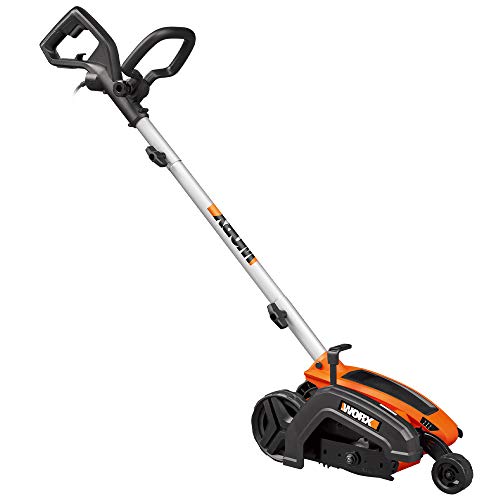
WORX WG896 12 Amp 7.5″ Electric Lawn Edger

WORFCI 20-Inch Cordless Hedge Trimmer w/ 2 Batteries
WORX WG898 20V 7″ Cordless Lawn Edger

WORX WG898.9 20V 7″ Cordless Lawn Edger Pro

Heywork 20V 12″ Cordless String Trimmer & Edger
More On The Choices That Made The List
For homeowners with long runs of sidewalk or driveway and an outdoor outlet within reach, the WORX WG896 brings corded muscle that the battery models on this list simply cannot match. The 12-amp motor drives a 7.5-inch serrated steel blade, which translates in real use to confident cuts through compacted soil and established turf where smaller cordless edgers tend to bog down. At roughly 14 pounds, the unit stays manageable for most users, though the cord is the obvious trade-off you accept in exchange for that extra power.
Unlike the cordless picks further down this list, the WG896 does not need a charged battery to keep going, so it is the right call for bigger properties where you would otherwise swap packs mid-job. Setup is mostly out-of-the-box, and replacing the blade or clearing a clog only takes a basic hand tool once the unit is unplugged. For trenching along a garden bed or scoring a fresh border before laying pavers, it earns its place.
Useful Touches
- The 12-amp motor delivers steady cutting force without the fade you get from battery drain.
- The 7.5-inch serrated steel blade produces clean, defined borders on a single pass.
- At about 14 pounds, it is light enough to push along extended runs without arm fatigue.
- Corded power means no battery anxiety on long driveway projects.
Things To Consider
- You are tethered to an outdoor outlet and must manage the cord as you work.
- The blade area can clog with wet grass clippings, so periodic stops to clear it are likely.
Key Specs
Built With In Mind
Homeowners with long driveways, deep garden borders, and a nearby outdoor outlet who need more power than a 20V platform can offer.
Swap It Out When
The Heywork 20V 12″ Cordless String Trimmer & Edger is a better match for smaller yards where cord-free convenience matters more than raw cutting depth.
Stepping away from dedicated edgers, the WORFCI 20-Inch Cordless Hedge Trimmer is built for shaping shrubs and tidying ornamental growth rather than slicing through turf. The pure copper motor runs at up to 3000 RPM, driving dual-action blades that cut on both directions of the stroke, which in real use means less vibration and cleaner finishes on boxwood, privet, and similar hedge material. Two included batteries and a charger mean you can rotate packs for longer sessions without waiting on a recharge.
The 180-degree rotating handle is a quiet highlight: it lets you switch the blade angle to match the side of the hedge, so vertical faces and flat tops stop fighting your wrist. Compare this to the ground-focused edgers in this list, and the trade-off is clear: you give up soil-cutting power for precise foliage shaping. It pairs naturally with the cordless WORX edgers further down, since both are battery-driven and storage-friendly.
Advantages To Know
- The 20-inch dual-action blade covers wide hedges in fewer passes.
- Two included batteries let you rotate and keep working while one charges.
- The 180-degree handle reduces wrist strain on vertical hedge faces.
Points To Note
- It is designed for shrubs and hedges, not for cutting into soil or lawn edges.
- Blade cleaning after use is recommended to prevent sap buildup affecting cut quality.
Whose Shelf It Belongs On
Homeowners with established hedge lines or ornamental shrubs who want a lightweight, cordless shaping tool and appreciate a spare battery in the box.
Where Another Pick Suits Better
For pure lawn-edge maintenance along sidewalks, the WORX WG898 20V 7″ Cordless Lawn Edger is the right tool for the job.
The WORX WG898 trades the WG896’s corded muscle for genuine go-anywhere freedom, and for many homeowners that is exactly the right swap. The brushless motor is the meaningful upgrade here: it runs cooler, draws battery power more efficiently, and generally outlasts brushed designs, which is important for a tool you only pull out every couple of weeks. The 7-inch blade and three-position depth adjustment let you dial in cuts at 1.5, 1.75, or 2 inches, so you can match the edge to existing borders or score a fresh trench.
This is the edger you reach for when the nearest outlet is across the yard, or there is no outlet at all. Same story with the WG898.9 further down: it shares the same basic platform but ships with a larger battery. The honest read is that the WG898 is a sensible entry point if you already own a WORX 20V battery, and a self-contained pick if you do not mind adding one.
The Practical Payoff
- Brushless motor means longer runtime and a longer service life for the tool.
- Three depth settings adapt the cut to soft turf or firmer packed edges.
- No cord to dodge, so edging along curved beds and irregular borders gets easier.
Small Caveats
- Battery and charger are not always included, so check the kit before checkout.
- Runtime depends on the amp-hour rating of the battery you pair with it.
Feature Snapshot
Made For
Homeowners with small to mid-size yards, no convenient outdoor outlet, and a preference for quiet, low-maintenance cordless tools.
Look Elsewhere When
For larger lots where runtime is the limiting factor, the WORX WG898.9 20V 7″ Cordless Lawn Edger Pro pairs the same platform with a higher-capacity battery.
The WG898.9 is the WG898’s bigger-battery sibling, and that single change reframes who the tool is for. The 4.0 Ah PowerShare Pro battery stretches runtime significantly, which the manufacturer rates at up to roughly 2,800 feet of edging per charge. For a yard with a long sidewalk, a sprawling driveway, or a wide frontage, that is the difference between finishing the job and stopping to swap packs halfway through.
The brushless motor and edge guide system match the WG898’s approach, so the cutting feel is familiar. The 7-inch streamlined blade slides right up against curbs and pavers when the guide is set, which matters when you want a defined line without a second clean-up pass. For a more compact yard, the smaller WG898 is the more sensible pick, but for serious runtime, this is the WORX cordless edger that earns its keep.
Strong Points
- The 4.0 Ah PowerShare Pro battery delivers long, uninterrupted edging sessions.
- The edge guide helps the blade track straight along pavers and curbs.
- Brushless motor keeps efficiency high even as the battery drains.
Honest Caveats
- The larger battery adds weight compared to a standard 2.0 Ah pack.
- Storage space for the bigger battery pack and charger needs to be planned for.
Right Fit For
Homeowners with long sidewalk and driveway frontage who want cordless convenience and enough runtime to finish in a single stretch.
A Better Fit Elsewhere
The WORX WG896 12 Amp 7.5″ Electric Lawn Edger is the smarter call for users who prefer unlimited corded runtime and deeper trenching capacity.
The Heywork 20V rounds out this list as the convertible option, designed to switch between trimmer and edger modes without a second tool. The 8000 RPM motor handles everyday weed whacking and grass edging, and the 12-inch cutting swath is wide enough to clear light growth quickly. The auto line feed system is the practical touch: fresh line advances on its own, so you spend less time bumping the head and more time working.
Where the dedicated WORX edgers above aim for clean, sculpted borders with a steel blade, this tool trades that precision for versatility. You may find the 12-inch swath a touch narrow for big open areas, but in tight flower beds, along fences, and around walkway curves, the convertible head earns its place. For most weekly upkeep on a small or mid-size yard, it is the kind of all-rounder that pulls double duty and stores easily on a shelf.
Well-Handled Touches
- Switching between trimmer and edger modes keeps one tool on the wall instead of two.
- Auto line feed reduces mid-job stops to advance the string manually.
- The 20V platform keeps weight low for overhead and detail work.
Practical Considerations
- String trimmers use consumable line that needs restocking over time.
- It is not designed for the deep trenching a dedicated edger handles.
- Runtime is tied to battery capacity, so check the amp-hour rating before checkout.
Perfect Match For
Homeowners who want one battery tool for both light edging and grass trimming, especially in yards with mixed terrain, beds, and narrow walkways.
Not Your Match When
For deep, defined borders along long driveways, the WORX WG896 12 Amp 7.5″ Electric Lawn Edger cuts further and stays consistent without battery limits.
What Matters Most Before Choosing Electric Lawn Trimmers
Edgers and trimmers solve different problems, so identifying the dominant job in your yard is the first real decision. A dedicated edger uses a steel blade to score a clean vertical line between lawn and pavement, while a string trimmer relies on a spinning nylon line to cut grass and light weeds in irregular spaces. Convertible tools straddle both, but they rarely match the precision of a single-purpose edger or the line-trimming reach of a dedicated trimmer.
Corded models offer unlimited runtime and consistent power, but they tether you to an outdoor outlet and force you to manage the cable as you walk. Cordless models trade some peak power for genuine portability, and their runtime depends entirely on the battery’s amp-hour rating. A brushless motor (a design with no internal brushes to wear out) runs cooler, draws power more efficiently, and tends to outlast brushed designs, which matters on a tool you only reach for occasionally.
Cutting depth and width matter more than the spec sheet suggests. A 7-inch blade with multiple depth settings is enough for most home borders, while a 12-inch string swath clears open lawn quickly but feels wide in tight flower beds. The honest read is that the right pick depends on the longest single job you need to finish in one pass, because that is what dictates whether a 2.0 Ah battery feels limiting or not.
Storage, weight, and noise are the overlooked factors. Cordless 20V tools are light enough for most users, but a 4.0 Ah battery adds noticeable heft during overhead trimming. Storage matters too, since removable batteries and folding handles shrink the footprint in a garage or shed. Finally, electric models are quieter than gas gear, but a 12-amp corded edger still produces meaningful noise, so ear protection on long jobs is reasonable.
Key Considerations Across These Picks
Pitfalls Shoppers Hit
A common slip-up is buying a string trimmer expecting it to deliver the clean, vertical edges a dedicated edger produces. They look similar in photos, but the cut quality along a sidewalk is genuinely different. Another trap is assuming every 20V battery delivers the same runtime, when amp-hour ratings change the actual work time significantly. Check both the platform voltage and the battery’s amp-hour figure before checkout.
Where The Extra Money Goes
Stepping up to a brushless motor or a higher-capacity battery adds real cost, and the payoff shows up in two places. Brushless designs typically last longer because there are no internal brushes to wear, and larger batteries let you finish longer jobs without swapping packs. For small yards, the premium may not justify itself, but for larger properties with long frontage, the upgrade pays off in fewer interruptions and a longer service life.
Frequently Asked Questions
What is the difference between a lawn edger and a string trimmer?
A lawn edger uses a steel blade to cut a defined vertical line between grass and pavement, while a string trimmer uses a spinning nylon line to cut grass and weeds in irregular spaces. Convertible tools can switch between modes but rarely match a dedicated edger’s precision.
Are cordless electric trimmers powerful enough for thick weeds?
For most residential weeds and light brush, a 20V cordless trimmer handles the work comfortably. Heavy brush, woody growth, or thick wet weeds are better suited to gas-powered or higher-voltage tools, since cordless motors can bog down under sustained heavy load.
How long does a 20V battery typically last on a trimmer?
Runtime depends on the amp-hour rating and the workload. A 2.0 Ah battery covers small yards for typical trimming sessions, while a 4.0 Ah battery extends that significantly, which matters for larger properties or deeper edging work.
Can I use an electric edger in wet grass?
Most manufacturers recommend dry conditions for safety and cut quality. Wet grass clogs the blade area faster and produces uneven edges, and any electric tool carries additional risk in damp conditions.
Do electric trimmers require much maintenance?
Electric trimmers need far less maintenance than gas models, with no fuel mixing, oil changes, or spark plug service. Periodic blade or line replacement, occasional cleaning, and battery care are the main ownership tasks.
Closing Remarks
The right pick comes down to your yard’s size, your outlet access, and the kind of edges you want to maintain. Corded models bring steady power for big jobs, cordless platforms bring freedom and easy storage, and convertible tools bring flexibility for mixed weekly upkeep. Match the tool to the work you actually do, and your weekends get a little quieter and a lot more satisfying.