
A warm afternoon, a sandy beach, and a cooler that gave up by lunch is the kind of disappointment nobody wants. Whether you’re packing for a tailgate, a boat day, or a long hike, the right day cooler turns the outing from a logistics headache into pure downtime. These five picks cover everything from soft backpack designs for solo hikers to serious rotomolded chests built for multi-day basecamps.
A Side-By-Side Look
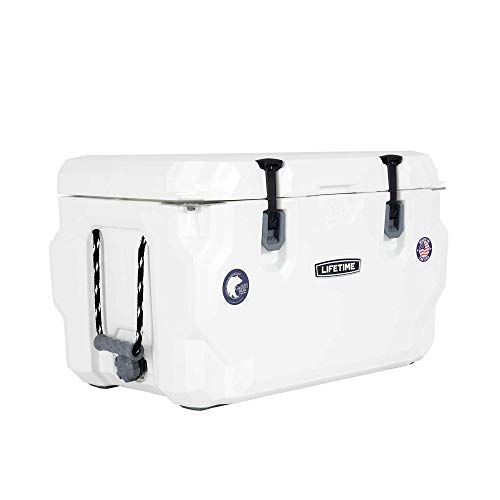
Lifetime Hard Cooler, High Performance Ice Chest

RTIC Lightweight Backpack Cooler Soft Insulated Portable Bag

Petromax Passive Cooling Box, Ice Cooling Time up to 12 Days
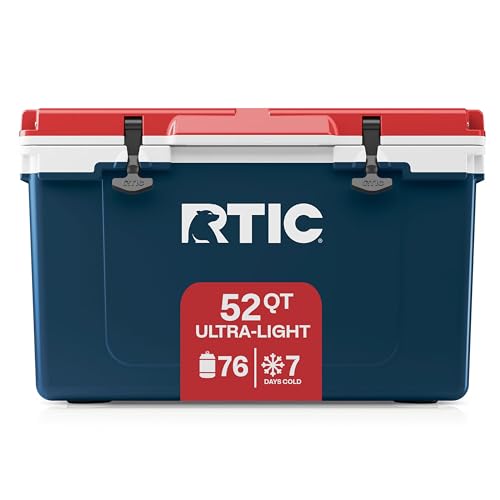
RTIC 52 QT Ultra-Light Hard Cooler

EchoSmile 25/30/35/40/60/75 Quart Rotomolded Cooler
Meet The Standout Selections
Built like a small footlocker, the Lifetime Hard Cooler earns its reputation at the campground. The 65-quart interior swallows a full weekend’s worth of food and drinks, while the heavy-duty polyethylene shell shrugs off the kind of abuse that cracks lesser chests. Two nylon rope handles sit at the sides for two-person carries, which most owners find is the realistic way to move it once it’s loaded.
Unlike the soft RTIC backpack coming up next, this one thrives on stationary duty: a basecamp, a tailgate parking lot, or a fishing boat anchored for the day. You won’t want to lug it far, but once it sits, it performs for the long haul.
Real-World Strengths
- Generous 65-quart capacity handles a long weekend’s worth of food and drinks for a family or group
- Hard polyethylene shell resists dents, UV exposure, and rough handling better than soft-sided designs
- Capped drain spout hooks up to a standard garden hose for fast, clean emptying
- Multi-day ice retention keeps contents cold without constant ice runs
Things To Consider
- Empty weight and bulk make short walks with it tiring; plan on vehicle-to-site placement
- Hard shell takes up permanent cargo space in a trunk or truck bed
Key Specs
Built With In Mind
Campers, anglers, and tailgaters who set up once and stay put for days, and who need a chest that can take real punishment.
Consider Something Else When
Hikers and beach walkers should reach for the RTIC Lightweight Backpack Cooler instead, since soft-shell hands-free carry suits active travel far better.
The RTIC Backpack Cooler flips the usual cooler format on its head. Worn like a daypack, it leaves your hands free for trekking poles, beach gear, or a leash. The 15-can interior is sized for solo or duo outings: a few drinks, snacks, and maybe a sandwich, nothing more.
Where the Lifetime chest stays put, this one wants to move. Trailheads, river put-ins, and crowded boardwalks all play to its strengths. Two mesh side pockets give you spots for a water bottle and a damp towel, which is the kind of detail active users appreciate.
Benefits That Matter
- Hands-free backpack carry beats shoulder totes on long walks and hikes
- Soft insulated body holds roughly 15 cans plus ice, enough for a day trip
- Side mesh pockets stash quick-access items like a water bottle or sunscreen
- Collapses flat for storage in a closet or car trunk when not in use
Worth Noting
- Soft construction can’t match the multi-day ice retention of a hard cooler like the Lifetime chest
- Backpack straps and seams take real abuse over time, so rough treatment shortens service life
Whose Shelf It Belongs On
Day hikers, beachgoers, and commuters who need cold drinks without the bulk of a chest and want to keep their hands free.
Look Elsewhere When
Anyone planning a multi-day campout with serious ice retention needs should pick up the Lifetime Hard Cooler, whose rigid shell and longer hold time serve that scenario better.
The Petromax Passive Cooling Box is the heavyweight in this lineup, and not just in size. Built around a double-walled cavity insulation system, it runs without electricity or batteries, relying entirely on ice or dry ice to keep contents cold. The thick insulation layer is what makes its multi-day hold possible.
For off-grid basecamps, hunting trips, or anywhere ice resupply is hard to find, this is the kind of cooler that turns logistics from a daily chore into a one-time job. It is overkill for a single afternoon, but for longer stays, the trade-off works.
Where It Excels
- Passive insulation design needs no power source, which suits remote sites perfectly
- Multiple size and color options let you match capacity to trip length
- Dry ice compatibility opens up extended-stay cooling for serious expeditions
- Sturdy build handles rough transport better than most soft packs
Trade Offs
- Size and weight make it a poor choice for anyone without a vehicle or short walking distance
- Premium insulation comes at a noticeably higher cost than basic coolers
Key Specs
Made For
Off-grid campers, hunters, and overlanders who need reliable cooling without access to electricity or daily ice runs.
A Better Fit Elsewhere
Day hikers and casual beachgoers will find the RTIC Backpack Cooler far more practical, since lighter carry and shorter hold times match their routine better.
The RTIC 52 QT Ultra-Light splits the difference between a heavy rotomolded chest and a soft backpack. It uses about three inches of closed-cell foam (a dense, non-absorbent insulation that resists water penetration) on every wall, which keeps ice around for days while shaving meaningful weight off the build. Compared with the Lifetime model, it’s noticeably easier for one person to wrestle into a truck bed.
Tailgates, fishing trips, and boat days are this cooler’s sweet spot. You get hard-shell toughness without committing to the heaviest designs on the market.
Notable Upsides
- Lighter than traditional rotomolded chests, easing solo loading and transport
- Closed-cell foam insulation extends ice retention well beyond a single afternoon
- 52-quart interior fits a generous supply of cans, food, and ice
- Hard shell still resists rough handling better than soft alternatives
Honest Caveats
- Still bulky for short trips where a soft backpack would do the job
- Premium price relative to entry-level hard coolers
Who Should Grab It
Solo users and small groups who want hard-cooler performance without hauling the heaviest chest on the market.
Swap It Out When
Anyone needing longer multi-day retention in remote conditions should consider the Petromax Passive Cooling Box, which trades some portability for far longer hold time.
The EchoSmile Rotomolded Cooler stands out for one simple reason: choice. Available in six sizes from 25 quarts up to 75 quarts, it lets households match capacity to actual need instead of oversizing. Rotomolded construction (a molding process that creates seamless, thick-walled shells) and polyurethane insulation (a foam injected between walls for thermal protection) put it in the same toughness category as the bigger-name rivals.
Versus the Lifetime 65-quart fixed size, this line lets you step down for a quick picnic or up for a long weekend. That flexibility is the headline feature, and for many households, it’s the deciding factor.
Standout Benefits
- Six capacity options let you size the cooler to the trip instead of one-size-fits-all
- Rotomolded shell handles drops, stacking, and rough transport
- Polyurethane insulation supports solid ice retention for day-to-weekend use
- Usually lands at a friendlier price than the most premium brands
Room For Improvement
- Less brand recognition than the bigger names, which matters for some shoppers
- Larger sizes share the same weight and bulk issues as any big hard cooler
Key Specs
Right Fit For
Households and outdoor enthusiasts who want flexibility across different trip lengths without buying multiple coolers.
Another Choice May Suit
Solo travelers and trail-focused users will prefer the RTIC Lightweight Backpack Cooler, since a hands-free carry suits active outings better than a chest.
Picking The Right Cooler For Your Trip
Capacity and ice retention usually drive the decision, but how you actually get to your destination matters just as much. For beach days and tailgates where your car sits nearby, a hard chest like the RTIC 52 QT Ultra-Light gives you serious hold time without the heaviest build. Backpack designs like the RTIC Lightweight Backpack shine when you’re walking any real distance, since hands-free carry beats shoulder hauling every time.
Insulation type is the next big fork. Closed-cell foam (a dense, water-resistant padding) handles most weekend needs well, while passive cavity systems like the Petromax Passive Cooling Box excel in off-grid scenarios where ice resupply is hard. Rotomolded shells (cooler bodies formed by rotating heated plastic in a mold to create seamless, thick walls) add toughness for rough transport, but they cost you weight and storage space.
Build material rounds out the picture. Heavy-duty polyethylene shells resist UV damage and rough handling better than budget plastics, though they weigh more. Soft-sided designs trade toughness for portability, which is exactly the right trade for active use. Match the cooler to your typical trip distance, group size, and how often you can refresh ice.
Quick Tips Before You Commit
Common Shopping Slip Ups
Picking capacity by guesswork sends many shoppers home with a cooler that’s either too small or too big. Picture your typical trip: how many people, how long, how often ice is available. A 25-quart cooler covers two people on a day trip; a 60-quart or larger handles a family on a weekend. Buying oversized means hauling dead weight, and buying undersized means restocking mid-trip.
Where The Extra Money Goes
Stepping up to a rotomolded or premium passive cooler buys thicker insulation, tighter seals, and tougher shells that last longer. For weekend warriors who replace gear every few years, the upgrade pays off in ice retention and durability. For casual users with light trips, a mid-range hard cooler or a soft backpack covers the routine without the higher cost.
Frequently Asked Questions
What size cooler do I need for a day trip?
For one or two people on a single outing, a 25 to 40-quart cooler is plenty. Larger groups or longer days with more food call for 50 quarts or more to avoid constant ice refills.
How long should ice last in a good cooler?
Quality hard coolers with thick insulation hold ice for several days under normal conditions. Passive designs like the Petromax can stretch that much further when properly packed with quality ice.
Are soft cooler backpacks worth it?
For active use, hands-free carrying and lighter weight make soft backpack coolers worth it. They won’t match hard-chest ice retention, but for hikes, beach walks, and commuting, the convenience is real.
What is rotomolded construction?
Rotomolding rotates heated plastic in a mold to create thick, seamless shells with no weak joints. The result is a tougher, better-insulated cooler body that holds up to rough transport.
How do I keep ice from melting so fast?
Pre-chill the cooler before packing, use block ice instead of cubes when possible, and keep the cooler out of direct sun. A tight-fitting lid and minimal opening during the day also stretch hold time significantly.
Bottom Line
The right day cooler depends on where you’re going and how far you have to carry it. For stationary setups, hard chests like the Lifetime and RTIC 52 QT deliver the hold time and capacity that matter. For active trips, a soft backpack like the RTIC Lightweight wins on portability. Pick the profile that matches your usual outing, and you’ll stop thinking about your cooler long before you start thinking about the food inside it.