
Anyone who’s been halfway through a long trail run, gravel bike ride, or hike and felt that dry-mouth panic knows why a hydration pack matters. A 2-liter reservoir hits a sweet spot: enough water for two to four hours of steady effort, small enough that the pack stays light on your shoulders. Whether you’re training for a marathon, racing mountain bike loops, or just want hands-free water on a day hike, the right vest or pack changes the whole experience. Here’s how six strong options stack up across running, hiking, cycling, and trail racing.
The Lineup, Simplified
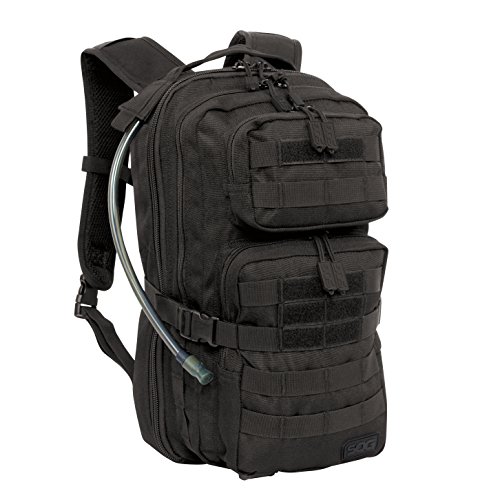
SOG Opcon Hydration Day Pack with 2-Liter Reservoir (Black)

Zelvot Running Vest with 2L Water Bladder, Reflective Chest Pack

Criuage Outdoor Hydration Vest with 2.0L Bladder, Bounce-Free

Criuage USA Patent Running Hydration Vest with 2.0L Water Bladder

Salomon Unisex Advance Skin 12 Hydration Trail Running Vest
A Closer Look At Each Pick
The SOG Opcon sits in a different lane than the running-vest crowd: this is a full daypack with a 2-liter reservoir built in, which makes it a natural pick for day hikers and weekend adventurers who want water plus room for layers. The yoke-style padded shoulder straps and sternum slider distribute weight across your shoulders without pinching, while the adjustable webbed waist belt adds stability on steeper terrain.
Storage separates it from the lighter vests below. The main compartment swallows a rain shell, snacks, and a first-aid kit, and the secondary compartment plus the front accessory organizer keep smaller items from migrating to the bottom. Compared with the slim chest-only picks later in this list, the Opcon trades a low-bounce feel for genuine cargo capacity.
Positive Takeaways
- 18.2 liters of total storage holds a full day of hiking essentials.
- Yoke-style padded straps and a sternum slider spread weight across the shoulders and chest.
- Front organizer pocket keeps small items, maps, and phone within reach.
- Adjustable webbed waist belt keeps the load from shifting on uneven ground.
- Included 2-liter reservoir with bite valve means no extra purchase required.
Things To Consider
- Larger frame than running-focused vests, so it’s overkill for short road runs.
- Cleaning the reservoir and tubing takes some routine; owners commonly rinse after every use to prevent mildew.
- The military-style profile looks bulky under a lightweight running kit.
Key Specs
Right Fit For
Day hikers, hunters, and weekend trail users who want a single pack that carries water plus a full kit of layers, tools, and snacks.
Consider Something Else When
Road runners focused on minimal weight and bounce should look at the Criuage Outdoor Hydration Vest instead, which strips down the storage for fast-paced running.
Zelvot’s chest pack leans toward a tactical-leaning storage layout, which is a love-it-or-leave-it feature depending on your goals. The three waterproof zippered front pockets swallow a phone, keys, and energy gels, while the back pockets fit the 2-liter water bladder plus a towel or extra layer. For runners who train with more gear than a typical road vest carries, that extra real estate earns its keep.
Unlike the SOG Opcon above, this is a vest-first design with a much lower profile on your back. The bounce-free chest layout keeps the load from sloshing during faster intervals, and reflective accents add visibility on dim commutes. You trade the Opcon’s full-daypack storage for something that stays out of the way on a tempo run.
The Good Stuff
- Three waterproof front pockets protect phone and keys from sweat and rain.
- Reflective trim improves visibility for early-morning or after-work runs.
- Back pockets fit the 2L bladder plus a towel or spare shirt.
- Low-profile chest design reduces bounce during faster running.
Worth Noting
- The tactical-leaning organizer layout isn’t for everyone; minimalist runners may find it overbuilt.
- Capacity tops out around a half-day’s worth of gear, so long-distance racers will outgrow it.
- Reservoir cleaning requires the same routine as any hydration bladder: rinse, dry, store open.
Built With In Mind
Runners and commuters who want organized storage for phone, keys, and gels plus water in one chest-mounted vest.
Not Your Match When
Ultra-distance trail racers should step up to the Salomon Unisex Advance Skin 12, which is built for longer efforts and race-day fuel needs.
Criuage’s outdoor hydration vest is built around a breathable mesh construction that lets air move across your back during long efforts. The 2-liter bladder sits close to your spine, which keeps weight centered and reduces the swaying you sometimes get from looser-fitting packs. For marathoners and road runners logging steady miles, that centered feel matters more than extra storage.
Versatility is the calling card. The same vest works for hiking, cycling, and trekking without forcing you to commit to a single discipline. The chest straps aim for bounce-free movement, so the bladder doesn’t slam your back on downhills. Compared with the larger Opcon daypack, this one trades cargo capacity for a sleeker running-first fit.
Useful Highlights
- Breathable mesh construction keeps airflow moving across your back.
- Centered 2-liter bladder minimizes sway on downhills and fast sections.
- Multi-discipline fit handles running, hiking, cycling, and trekking.
- Bounce-free chest strap design keeps the load stable at race pace.
- Lightweight build suits long-mileage training days.
Room For Improvement
- Storage is leaner than the Zelvot chest pack, so gear-heavy users may feel limited.
- Reservoir insulation is basic, which can matter on hot summer runs where water warms fast.
- Commonly reported sizing runs slightly snug; you may want to size up between layers.
Who Should Grab It
Marathoners, road runners, and multi-sport athletes who want a breathable, low-bounce vest for training sessions across different activities.
Look Elsewhere When
Hikers carrying layers, food, and shelter should reach for the SOG Opcon Hydration Day Pack, which provides full-daypack cargo room.

The second Zelvot entry in this lineup shares the same chest-pack DNA as Item 2 but doubles down on visibility. The reflective trim across the front and shoulder straps catches headlights during dawn or dusk runs, which is the time window most commuter runners actually train. You get the same three waterproof front pockets for phone, keys, and gels, plus back pockets sized for the 2L bladder.
Where this version differs is in the safety-oriented design choices. For early-morning and evening sessions along roads or shared paths, reflective accents matter more than a slightly lighter fabric. The bounce-free chest layout carries over, so the pack stays put when you pick up the pace.
What It Does Well
- Reflective trim across the front and shoulders improves low-light visibility.
- Three waterproof front pockets keep phone and keys dry.
- Bounce-free chest strap design stabilizes the load during tempo runs.
- Back pockets fit the 2L bladder plus a light layer or towel.
Small Caveats
- Storage is similar to Item 2, so it isn’t a leap forward for capacity-focused runners.
- Reflective accents add minimal weight but slightly more visual bulk than a stripped-down vest.
- Reservoir care is the usual routine: rinse, hang dry, store open to prevent mildew.
Key Specs
Perfect Match For
Early-morning and evening runners who train near traffic or in low light and want reflective visibility built into their hydration setup.
Skip It When
Racers targeting ultras or 60k-plus trail efforts should look at the Salomon Unisex Advance Skin 12, which is sized and tuned for longer distances.
Criuage’s patented vest leans hard into comfort. The wide mesh shoulder pads spread the load across a broader contact area than typical chest straps, which matters once you’ve run two or three hours and your shoulders start to feel every strap edge. The adjustable chest straps aim to keep the vest secure without restricting breathing during harder efforts.
The 2-liter bladder sits in the back pocket, leaving the front pockets open for race-day essentials like phone, gels, and a light shell. Compared with the sleeker Criuage vest above, this model emphasizes cushioning and adjustability over outright minimalism. For long-distance comfort seekers, that’s the right trade-off.
Practical Advantages
- Wide mesh shoulder pads reduce pressure points during long efforts.
- Adjustable chest straps dial in fit without restricting breathing.
- Lightweight build keeps overall carry weight low.
- Back pocket houses the 2L bladder while front pockets stay free for fuel and phone.
- Stable fit during hiking, running, cycling, and race-day use.
Potential Drawbacks
- Cushioning adds a touch of bulk compared with the slimmer Criuage Outdoor Hydration Vest.
- Storage capacity is moderate, so multi-day trekkers will need a larger pack.
- Long-term durability of the mesh shoulder pads depends on routine cleaning after sweat-heavy sessions.
Key Specs
Best Suited To
Long-distance runners, hikers, and cyclists who log multi-hour sessions and want extra cushioning on the shoulders and chest.
Reach For A Different Pick When
Trail racers focused on carrying poles, mandatory gear, and race-day nutrition should look at the Salomon Unisex Advance Skin 12 instead.
Salomon’s Advance Skin 12 is the race-tuned option in this lineup, and it shows. The 12-liter total capacity is sized for 60-kilometer-plus trail efforts where you need to carry mandatory gear, extra layers, real food, and water without the pack shifting on technical terrain. The updated design emphasizes stability, fit, and versatile storage pockets that remain accessible while moving.
Hydration access is the standout detail: the vest is engineered so you can grab and sip without breaking stride, which is the difference between staying on pace and fumbling during a long climb. Compared with the lighter chest vests above, the Adv Skin 12 costs more and weighs slightly more, but you’re paying for race-day refinement rather than everyday training utility.
Strong Points
- 12-liter capacity fits mandatory gear, layers, food, and hydration for 60k-plus efforts.
- Race-tuned fit minimizes bounce on technical, uneven terrain.
- Multiple accessible storage pockets stay reachable while running.
- Hydration access is designed for one-handed sipping mid-stride.
- Versatile layout handles both training blocks and race-day demands.
Honest Caveats
- Premium positioning means a higher cost than the chest-pack entries above.
- 12 liters is overkill for short runs and casual training days.
- Sizing and fit benefit from in-person try-on where possible, since race vests fit more precisely than general-purpose packs.
Key Specs
Whose Shelf It Belongs On
Trail racers, ultra runners, and adventure athletes who need a race-tuned vest with serious cargo capacity and refined hydration access.
A Better Fit Elsewhere
Recreational runners and weekend hikers get more value from the SOG Opcon Hydration Day Pack or the Criuage Outdoor Hydration Vest, which cover training and day hikes at a lower entry point.
Choosing A 2l Hydration Pack That Actually Fits Your Routine
The right pack depends less on specs and more on how you actually move. Runners chasing PRs want a low-profile vest that breathes and doesn’t bounce. Hikers hauling layers and food want full daypack capacity. Trail athletes carrying mandatory gear want race-tuned fit and easy hydration access. The trick is matching the pack to the longest session you log each week, not the easiest one.
Reservoir care is the unglamorous part of ownership. Any bladder develops mildew if stored sealed and damp, so plan to rinse after every use and hang the bladder open to dry. Bite valves benefit from occasional soaking in a mild cleaning solution, and tubing should be cleared with a bladder brush every few weeks. Skipping this routine shortens the lifespan of even the best-built packs.
Fit matters more than fabric weight. A pack that shifts on your back forces your core to compensate, which burns energy you wanted for the trail. Look for adjustable sternum straps and, on daypack-style options, a waist belt that takes weight off your shoulders. On race vests, fit precision is the whole point of the design, so sizing up or down based on body measurements matters.
Storage layout should match your gear, not the other way around. If you carry a phone, keys, and gels, three waterproof front pockets are genuinely useful. If you haul a shell, food, and tools, look for a main compartment plus organizer pockets. Packs that force you to dig for essentials in a deep main compartment tend to frustrate people quickly.
What Separates Budget From Premium In This Category
Wrong Turns To Avoid
The most common mistake is buying a pack based on reservoir size alone, then ignoring fit and storage layout. A 2-liter bladder in a pack that doesn’t sit close to your spine will slosh and bounce on every downhill. Equally common is choosing a chest vest when you actually need a daypack, or a daypack when you need a race vest, then wondering why the storage never fits your gear.
Another trap is skipping the cleaning routine. Hydration bladders are warm, dark, and wet, which is the ideal environment for mold and bacteria. Owners who skip rinsing typically replace their pack within a season, while those who spend five minutes after each session keep the same bladder for years.
Where The Extra Money Goes
Premium vests like the Salomon Adv Skin 12 cost more because the fit engineering, fabric weight, and pocket accessibility are tuned for race-day demands. You’re paying for stability on technical terrain, one-handed hydration access, and storage pockets you can reach without breaking stride. For casual training, those refinements don’t earn their keep, and a value pack works fine.
Higher-tier pricing also shows up in materials and construction details. Tougher abrasion-resistant fabrics, reinforced seams, and better-quality zippers all add up across a production run. For users who train year-round in rough conditions, those upgrades pay back in lifespan. For occasional weekend use, they rarely do.
Frequently Asked Questions
How much water does a 2-liter reservoir actually hold? A 2-liter reservoir holds about 68 fluid ounces, which covers roughly two to four hours of moderate activity for most adults. Hot weather, faster paces, and heavier effort all shorten that window significantly.
Are hydration vests better than hydration packs? Vests sit closer to your body and reduce bounce, which suits running and fast movement. Packs offer more cargo capacity, which suits hiking and longer days. Neither is universally better; the right call depends on your activity.
How do you clean a hydration bladder properly? Rinse the bladder with warm water after every use, then hang it open to dry completely. Every few weeks, run a bladder brush through the tubing and soak the bite valve in a mild cleaning solution to prevent mildew and bacteria buildup.
Can you put electrolyte drinks in a hydration bladder? Yes, but rinse the bladder more frequently, since sugar and salt residue encourages bacterial growth. A thorough rinse after each use keeps the bladder and tubing clean even with sports drinks.
Do all hydration packs come with the bladder included? Most do, including all six options in this roundup. If a pack ships bladder-less, expect to buy a 2-liter reservoir separately, which adds cost and means matching the bladder size to the pack’s intended capacity.
The Takeaway
A good 2-liter hydration pack should fade into your routine: water where you need it, storage where you want it, and weight where it doesn’t fight you. Match the pack to your longest weekly session, fit it to your torso, and commit to the cleaning routine. The right pick makes hydration feel automatic instead of something you have to think about mid-run.