
Serious backyard cooks know the difference between a cook that just happens and one that’s planned down to the degree. Competition pellet smokers turn wood-fired smoke into a controlled, repeatable process, the kind of consistency judges score and guests remember. The seven options below cover everything from budget-friendly add-ons to flagship grills with touchscreen and app control, so you can match ambition to appetite without overbuying.
A Quick View Of The Lineup
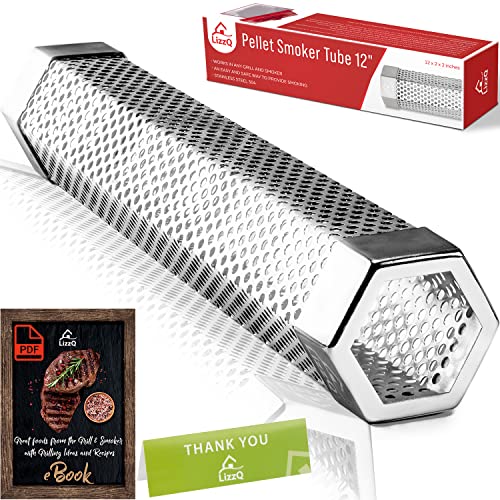
LIZZQ Premium Pellet Smoker Tube 12 inches

Pit Boss 500 FB2 Series Wood Pellet Grill & Smoker

Pit Boss 150 Wood Pellet Grill & Smoker

Pit Boss 3-Series Propane Gas Vertical Smoker

Pit Boss 4-Burner Fold & Go Portable Griddle

Pit Boss 1300 Navigator Series Wood Pellet Grill & Smoker

Pit Boss 500 Carbon Series Wood Pellet Grill & Smoker
The Details Behind The Selections
Not everyone wants a dedicated smoker hogging patio space. The LIZZQ tube drops into any existing gas, electric, or charcoal grill and turns it into a smokehouse for the duration of a cook. Think of it as the bridge between a casual weekend griller and someone chasing competition-style bark on a Tuesday.
The 12-inch length fits neatly on standard grate rails, and owners commonly rely on this format for everything from cold-smoked cheese to low-and-slow ribs. Compare that to the full-size pellet grills later in this list, and the trade-off is obvious: less capacity, far more flexibility. For most renters or apartment dwellers, that’s a fair swap.
Noteworthy Benefits
- Works inside any grill you already own, no dedicated smoker required
- Long burn window per fill lets you walk away without babysitting
- Compact form factor stows in a kitchen drawer between sessions
- Great entry point for cooks curious about smoke flavor without a big purchase
Things To Consider
- Smoke output is modest compared to a real pellet grill, so heavy bark on brisket is a stretch
- Stainless steel needs a quick wipe-down after each use to prevent pellet residue from sticking
Who It Suits Best
Beginners exploring smoke flavor, apartment dwellers without grill space, or anyone wanting to test pellet smoking before investing in a full-size unit.
Consider Something Else When
Anyone planning weekly multi-rack cooks should look at the Pit Boss 1300 Navigator Series Wood Pellet Grill & Smoker instead, since capacity and automation jump dramatically.
The Pit Boss 500 FB2 earns its place as the workhorse of the lineup. With 518 square inches of two-tier, porcelain-coated steel cooking space and an LCD digital controller, this unit covers smoke, bake, braise, roast, grill, barbecue, char-grill, and sear from one cabinet. A flame broiler slides open for direct heat when you want grill marks instead of smoke rings.
The included meat probe and a temperature range from 180°F to 500°F give you the precision most home cooks chase. Compare that to the smaller Pit Boss 150, and you’ll see the FB2 trades portability for capacity. For most backyards with room for one permanent grill, this is the daily driver.
Features That Help
- Eight cooking modes in one chassis replace a separate grill and smoker
- Porcelain-coated steel grates wipe clean far faster than bare cast iron
- Dual probe ports support a second probe for tracking multiple cuts at once
- 5-pound hopper is enough for several hours of unattended low-and-slow
Worth Noting
- The 5-pound hopper needs refilling on very long overnight cooks, so plan ahead for whole packer brisket sessions
- As with most pellet grills, performance in cold weather below freezing drops noticeably without an insulated blanket
Key Specs
Made For
Family cooks and small-block party hosts who want one unit that handles burgers, ribs, and Sunday roasts without swapping equipment.
Skip It When
Cooks chasing app-driven remote control should look at the Pit Boss 1300 Navigator Series Wood Pellet Grill & Smoker instead.
The Pit Boss 150 is built for people whose cookouts happen in parking lots, campsites, and tailgates rather than a permanent patio. Latch the lid, grab the side handles, and you have a 256-square-inch pellet grill that rides in a truck bed. Automatic start-up and cool-down cycles make setup and teardown genuinely simple after a long drive.
Don’t expect the 7-pound hopper to anchor an overnight brisket session, but for burgers, chicken thighs, and pregame spreads, it punches well above its size. The flame broiler feature is unusual in this class, letting you finish with direct heat in the same cook. Compared to the FB2 above, you sacrifice raw cooking surface but gain true portability.
What Helps Most
- Light enough and compact enough for one person to load solo
- Flame broiler lets you sear without swapping grills mid-cook
- Automatic start and cool cycles prevent the awkward “is it still running” guesswork at the campsite
Points To Note
- Smaller grate means cooking for large parties requires batched rounds
- Power draw on inverter setups needs attention, especially in remote camping without shore power
Best Suited To
Tailgaters, RV travelers, and campers who want real wood-fired smoke without hauling a full-size grill.
Look Elsewhere When
Home cooks who never move the grill should save space in their budget for the Pit Boss 500 Carbon Series Wood Pellet Grill & Smoker instead.
When you picture a competition setup, you picture rows of ribs on tall racks. The Pit Boss 3-Series vertical smoker delivers exactly that, with 983 square inches across four adjustable racks and a 100°F to 300°F range that favors long, low smokes over sears. A 2,500 BTU burner and rear wheels round out a unit designed for all-day cooking.
The HVR (Heat Reflector) controller and analog knob keep temperature management straightforward, while the wood chip tray accepts standard chips for layered flavor. Unlike the pellet grills above, this one uses propane for heat and wood only for smoke, which simplifies fuel sourcing. For cold-smoking salmon or stacking racks of ribs, vertical capacity is hard to beat.
Notable Gains
- Four adjustable racks let you run different cuts at the same time
- Rear wheels make relocating around a crowded patio far easier than lifting a heavy cabinet
- Removable grease cup simplifies the post-cook cleanup most people dread
Trade Offs
- Wood chip tray needs refilling during long cooks since chips burn faster than pellets
- Vertical form factor requires headroom clearance, which can be a tight fit under low pergolas
Quick Facts
Whose Shelf It Belongs On
Backyard pitmasters running frequent long smokes who value rack space over the high-heat versatility of a pellet grill.
Not Your Match When
Cooks who want one unit that does everything should consider the Pit Boss 500 FB2 Series Wood Pellet Grill & Smoker instead.
The Fold & Go Griddle is the odd one out in this lineup because it isn’t a smoker at all. It earns its place because competitive cooks often serve alongside other cooks, and a 753-square-inch flat-top with four separately controlled burners covers pancakes, smash burgers, and stir-fry in the same session. The hard cover keeps the cooktop protected between trips.
At 62,000 BTU across four zones, heat recovery is strong even with a full griddle loaded. Compare that to the Pit Boss 150 pellet grill above, and you see the trade-off: no smoke flavor, far more flat-top versatility. For tailgates and campsite breakfasts, the griddle format is hard to beat.
Good Reasons To Consider
- Four burners create distinct heat zones for finishing different foods simultaneously
- Hard cover makes transport cleaner and protects the cooktop from road debris
- Folding legs save truck-bed space between cookouts
Honest Caveats
- Seasoning and oil management are part of ownership, so plan on a learning curve with the cooktop surface
- Propane tank not included, so factor in that separate purchase
Who Should Grab It
Hosts who cook for crowds at off-site locations and want a reliable flat-top alongside their smoker setup.
A Better Fit Elsewhere
Anyone whose priority is wood-fired smoke should choose the Pit Boss 1300 Navigator Series Wood Pellet Grill & Smoker instead.
The Navigator is the flagship option in this roundup, and it shows. With 1,329 square inches of cook space, a 30-pound hopper, dual meat probes, and WiFi plus Bluetooth connectivity through a touchscreen controller, this unit is built for cooks who want app-based monitoring while they handle sides, drinks, or family life inside. The flame broiler keeps direct-heat options open.
Running 180°F to 500°F across a large cabinet means you can smoke a full packer brisket and sear steaks in the same session. A 5-year warranty backs the build, which is meaningful for a grill you’ll likely use weekly. Compare that to the FB2 above and the difference is capacity and connected control rather than basic cooking ability.
Advantages To Know
- 30-pound hopper covers overnight cooks without a refill
- WiFi and Bluetooth let you track temps from inside the house
- Dual meat probes support brisket plus ribs at the same time
- 5-year warranty offers meaningful long-term coverage
Where It May Fall Short
- Larger footprint demands more patio or deck space than mid-size competitors
- Connected features rely on home network stability, so rural setups may frustrate app pairing
Feature Snapshot
Built With In Mind
Connected cooks running frequent weekend sessions who want hands-off monitoring and enough capacity for a crowd.
Reach For A Different Pick When
Outdoor cooks with limited patio space will find the Pit Boss 500 FB2 Series Wood Pellet Grill & Smoker a more manageable footprint.
The Carbon Series rounds out the Pit Boss lineup with a mid-size hopper and a slightly larger cooking surface than the FB2. At 543 square inches with a 13.5-pound hopper, it lands squarely between weekend convenience and competition capacity. Porcelain-coated steel grates and automatic start-up cycles are practical touches that show up in everyday use.
Hardwood pellets fuel the cook, giving a smokier profile than propane-based alternatives in this list. Compare that to the Navigator above and the trade-off is less connected tech in exchange for a smaller, more approachable footprint. For most aspiring competitors, this is a sensible middle ground.
Where It Helps
- 13.5-pound hopper outlasts most weekend cooks without a refill
- Porcelain-coated grates clean up faster than bare steel after a long smoke
- Hardwood pellet fuel produces a richer smoke profile than propane setups
Possible Compromises
- Lacks the WiFi and Bluetooth of the Navigator, so monitoring requires checking the controller directly
- Pellet storage needs a dry bin to prevent swelling in humid garages
Feature Rundown
Right Fit For
Weekend pitmasters moving up from a starter grill who want real capacity and smoke flavor without jumping to flagship pricing.
Swap It Out When
Cooks who want full app-driven remote control should look at the Pit Boss 1300 Navigator Series Wood Pellet Grill & Smoker instead.
Choosing The Right Pellet Smoker For Your Cookouts
Picking a pellet smoker is less about chasing the biggest number on the spec sheet and more about matching the unit to how you actually cook. Think about capacity first: a 250-square-inch portable is great for two people, but a brisket crowd needs at least 500 square inches. Hopper size matters just as much, because a small hopper means mid-cook refills on long smokes.
Temperature range is the second pillar. A 180°F to 500°F window covers everything from cold-smoke-adjacent cheese to seared steaks, while narrower ranges force you toward single-purpose cooking. Look for porcelain-coated grates if you want faster cleanup, and favor dual probe ports when you regularly cook two cuts at once.
Build and warranty deserve attention too. A heavier cabinet holds heat more steadily, and a multi-year warranty protects a meaningful investment. For weekend cooks, an LCD controller is plenty. Connected cooks chasing remote monitoring benefit more from WiFi and Bluetooth.
Key Considerations Across These Picks
Pitfalls Shoppers Hit
Buyers often fixate on raw cooking area and overlook hopper capacity. A large grate with a tiny hopper forces refills mid-cook, which is the moment you really don’t want to open the lid on a long smoke. Consider both numbers together.
Another common miss is underestimating footprint. Larger units like the Navigator demand patio space, ventilation clearance, and proximity to a power outlet. Measure your space before committing to a flagship model.
Where The Extra Money Goes
Stepping up from mid-size to flagship pellet smokers typically adds connected controllers, larger hoppers, and longer warranties. The Navigator’s WiFi and Bluetooth matter most for cooks who want app monitoring, while the 30-pound hopper pays off in multi-hour overnight sessions. For casual weekend use, those upgrades are harder to justify.
Frequently Asked Questions
What size pellet smoker do I need for competition-style cooks?
Aim for at least 500 square inches of cooking area if you plan to run a full packer brisket plus sides. Smaller units force batched cooking, which adds hours to the timeline.
How long does a pellet hopper last during a cook?
A 5-pound hopper covers roughly 4 to 6 hours at low-and-slow temperatures, while a 30-pound hopper can stretch across overnight cooks. Plan refill points before starting a long session.
Can pellet grills handle cold-weather smoking?
Performance drops as temperatures fall, especially below freezing. An insulated blanket helps, but expect longer startup times and slightly higher pellet use in winter.
Do pellet grills need a dedicated electrical outlet?
Yes, pellet grills draw meaningful power for the auger and controller. A standard outdoor GFCI outlet on a dedicated circuit is the safest setup for most homes.
What’s the difference between pellet and propane vertical smokers?
Pellet grills automate temperature through a controller and auger, while propane vertical smokers rely on a burner and manual adjustment. Pellets offer hands-off convenience, propane offers simpler fuel sourcing.