
Cooking outdoors shouldn’t mean hauling a full-size smoker into the woods. Compact camping grills solve a simple problem: hot food without the bulk, whether you’re working with a backpack’s worth of space, a crowded car-camping setup, or a tiny apartment balcony. The five options below cover ultralight backpackers, propane fans, charcoal purists, and hybrid cookers, so the right match comes down to how you actually travel and cook.
A Closer Look At The Lineup

Kuvik Titanium Camping Grill – Ultralight

Coleman Cascade 18 1-Burner Camping Stove

Weber Compact Kettle Charcoal Barbecue 57 cm

Coleman Tabletop 2-in-1 Grill & Stove
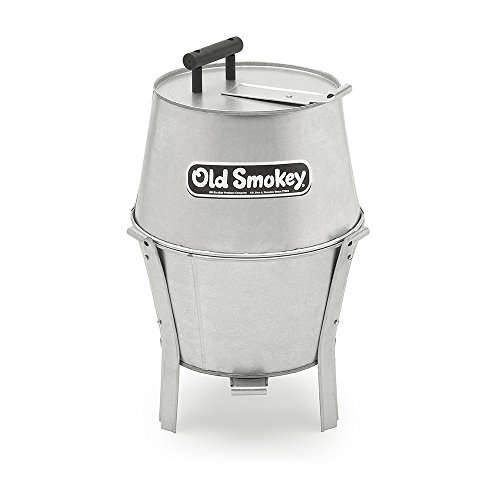
Old Smokey Charcoal Grill #14 (Small)
The Details Behind The Selections
For thru-hikers counting every gram in the pack, the Kuvik Titanium Camping Grill slips into a side pocket and barely registers. The 9.9″ x 4.3″ grate is sized for a single meal at a time, which is exactly the point: you’re trading cooking surface for the kind of weight savings that lets you carry an extra day’s food.
Compared to the propane stoves later in this list, there’s no fuel canister, no regulator, and nothing to leak during a long bus ride. You bring charcoal or wood, set the grate over your fire ring, and cook. For solo backpackers who eat simply, that simplicity is the whole appeal.
Well-Handled Touches
- Titanium body stays light at roughly 5.7 oz without flexing under burgers or foil-wrapped potatoes.
- Slender dimensions pack flat against a pot or sleep pad, leaving room for a tent and rain layer.
- No moving parts means nothing breaks when you shove it into a duffel for a kayak trip.
- Works with scavenged wood, charcoal, or a small alcohol burner underneath for fuel flexibility.
Worth Bearing In Mind
- Cooking area limits you to one or two small portions per round, so feeding a partner takes twice as long.
- Titanium conducts heat quickly; thin foods can scorch without attentive flipping.
- Requires a separate heat source, so pack fuel or plan around available firewood.
Who Will Love This
Solo backpackers and ultralight travelers who eat one-pan meals and prize ounces over cooking volume.
Look Elsewhere When
You cook for a group at a base camp, where the Coleman Tabletop 2-in-1 Grill & Stove offers a larger surface and propane convenience.
The Coleman Cascade 18 takes the friction out of camp cooking. Press a knob, hear the click, and you’ve got flame. That matchless rotary ignition is genuinely useful on a damp morning when nobody wants to chase a lighter around a wet campsite.
Unlike the titanium grate covered earlier, this is a propane cooktop with a 12-inch pan capacity and 8,000 BTUs of heat. The detached grate flips 180 degrees for a slimmer storage profile, and the aluminized steel cooktop wipes clean with a damp cloth after dinner. For car campers and tailgaters, that balance of power and portability hits the sweet spot.
What Earns Its Place
- Matchless ignition saves time and frustration on cold or wet mornings.
- Knob rotation gives precise simmer control for sauces and eggs.
- Stores compactly thanks to the flip-side grate, fitting neatly in a trunk or cargo box.
Trade-Offs To Consider
- Single burner means sequential cooking for groups; you’ll simmer beans while the main waits.
- Requires a propane tank (sold separately), adding bulk to your packing list.
- Wind can knock flame output down without a dedicated windscreen on open sites.
Feature Snapshot
Built With In Mind
Car campers, tailgaters, and anyone who wants quick propane cooking without a full kitchen setup.
Consider Something Else When
You want dual-zone cooking, in which case the Coleman Tabletop 2-in-1 gives you a grill and a burner running side by side.
The Weber Compact Kettle brings the brand’s signature charcoal cooking to a smaller footprint. At 57 cm, it shrinks the classic kettle down to something a parked-camp cookout or a small patio can absorb without dominating the space.
The porcelain-enamelled bowl and lid hold heat steady, which matters when you’re chasing the kind of sear marks that make a burger taste like a backyard cookout. Compared to the propane Cascade 18 above, this one asks for more patience: light the charcoal, wait for the right temperature, then settle in. That ritual is exactly what charcoal cooks want.
Notable Gains
- Heat-retaining bowl lets you hit cooking temperature with fewer charcoal refills during a meal.
- Wheeled stand makes repositioning around a patio or campsite straightforward.
- True charcoal flavor with the lid closed, supporting indirect cooking for larger cuts.
Points To Keep In Mind
- Charcoal prep time runs 25-40 minutes before cooking starts, longer than propane ignition.
- Size and weight make this more of a “car-camping or home” pick than a backpacking option.
- Ash cleanup after each use requires emptying the bowl, which adds a step versus gas grills.
Made For
Home cooks with limited patio space and car campers who want real charcoal flavor without a full-size smoker.
A Better Fit Elsewhere
Backpackers and ultralight travelers should look at the Kuvik Titanium Camping Grill instead, which trims weight to under 6 oz.
The Coleman Tabletop 2-in-1 is built for cooks who refuse to choose between grilling and boiling at the same time. With two independently adjustable burners, you can sear burgers on one side while a pot of beans simmers on the other, which is a real luxury at a base camp or tailgate.
Wind guards flanking the burners help on breezy sites where a standard propane stove loses heat. The chrome-plated grate lifts out for quick cleanup, and the push-button starter removes the lighter dance. Compared to the single-burner Cascade 18 covered earlier, this doubles the working surface and adds grill capability.
What Helps Most
- Dual burners run a full meal in parallel, slashing total cook time for families or groups.
- Push-button ignition lights reliably without matches or lighters.
- Wind guards stabilize flame on open sites, reducing fuel waste and cooking frustration.
- Grease tray collects drippings for easier post-meal cleanup at the campsite.
Practical Considerations
- 20,000 BTU output burns through propane faster than smaller single-burner stoves.
- Larger footprint demands a stable table or flat surface, which isn’t always available on rough ground.
- Two cooking zones mean more parts to wipe down after dinner compared to minimalist setups.
Feature Rundown
Best Suited To
Group campers, tailgaters, and families who cook full meals outdoors and want grill-plus-stove flexibility.
Reach For A Different Pick When
Solo travelers packing light will find the Coleman Cascade 18 easier to manage and lighter to carry.
The Old Smokey Charcoal Grill #14 is the kind of grill that does one job and does it without drama. Aluminized steel construction, a tall chimney profile, and a chrome hardware finish keep it looking like a piece of cookware rather than a gadget.
Made in the USA and stripped of anything that could break, this grill appeals to charcoal traditionalists who don’t need a lid hinge or a built-in thermometer to cook a good burger. Compared to the Weber Compact Kettle covered earlier, the Old Smokey trades porcelain enamel for simpler steel at a smaller footprint, which is enough for a small family or a tailgate spread.
The Upside
- Aluminized steel body handles heat and weather without flaking or peeling.
- Tall 21.5″ profile keeps cooking surface at a comfortable height over the coals.
- 14.5″ x 14.5″ base footprint fits a small patio, picnic table, or truck bed corner.
- Minimal parts make setup, cooking, and teardown fast on busy weekends.
Honest Caveats
- No lid for indirect cooking or smoke-roasting larger cuts.
- Steel body runs hotter than porcelain enamel, so flare-ups deserve close attention.
- Smaller grate area caps how many burgers or skewers you can run at once for bigger groups.
Whose Shelf It Belongs On
Backyard minimalists and tailgaters who want simple charcoal cooking without extra features they’ll never use.
Swap It Out When
You cook larger cuts that need closed-lid heat, where the Weber Compact Kettle offers a lid and indirect cooking zone.
Picking The Right Compact Camping Grill For Your Style
Cooking style and trip length matter more than raw specs. Backpackers counting ounces should focus on weight and packed dimensions; the Kuvik titanium grate and the Coleman Cascade 18 sit at opposite ends of that trade-off. Car campers usually want BTU output and cooking surface, which puts the Coleman Tabletop 2-in-1 in the lead. Charcoal cooks should weigh flavor and ritual against prep time, with the Weber Compact Kettle and the Old Smokey #14 offering two different takes on the experience.
Fuel source shapes everything else. Propane means faster starts and easier cleanup, but you’ll carry or plan for a canister. Charcoal delivers the sear and smoke but demands patience, ash management, and disposal considerations at the campsite. Wood-fired options like the titanium grate trade both for absolute portability, at the cost of meal size and weather sensitivity.
Durability comes down to material choices. Aluminized steel and porcelain-enamelled bowls hold up to weather and repeated trips, while lighter titanium survives rough handling in a pack. Wind performance varies widely; tabletop propane models with built-in wind guards hold flame better than open grates in exposed sites.
Common Slip Ups And When Spending Up Pays Off
Mistakes Worth Dodging
Choosing by BTU alone is a common trap. Higher numbers help with searing, but on a compact grill, excessive heat often translates to flare-ups and burnt edges on small portions. Match the burner output to your typical cookware and serving size, not just the headline number. Overlooking fuel logistics is another miss; a propane grill is only as convenient as the canister supply at your destination, and charcoal requires dry storage and ash disposal planning.
When Paying More Pays Off
Premium-tier compact grills tend to spend the extra cost on heat retention, thicker grates, and sealed lids. The Weber Compact Kettle’s porcelain-enamelled bowl, for instance, holds temperature through longer cooks and shrugs off rust in ways thinner steel cannot. For campers who cook weekly or in tougher weather, those upgrades compound quickly and reduce the kind of wear that ends a grill’s life early.
Frequently Asked Questions
What size compact camping grill fits in a backpack?
Look for grates under 10 inches long that disassemble or fold flat, like the titanium option above. Anything larger typically belongs in a car-camping loadout rather than a pack.
Can compact camping grills use propane and charcoal interchangeably?
No, each grill is built around one fuel system. Propane stoves need a regulator and canister, while charcoal grills require a heat-safe bowl and ash handling.
How do you clean a compact camping grill after cooking?
Wipe the grate while it’s still warm, empty ash from charcoal models once cool, and store propane stoves dry to protect the regulator and ignition system.
Are compact grills safe on wooden picnic tables?
Place a heat-resistant mat or trivet underneath any charcoal or propane grill to protect the surface from heat and grease marks.
How long does charcoal last in a small grill?
A standard chimney load of charcoal burns 45-60 minutes at cooking temperature, which covers most single-meal sessions for two to four people.
Closing Remarks
The right compact camping grill depends entirely on how you travel and what you cook. Backpackers get the most from titanium ultralight designs, car campers benefit from propane versatility, and charcoal loyalists will appreciate the flavor payoff of a small kettle. Pick the fuel type and footprint that match your trips, and the cooking experience follows.