
An outdoor event lives or dies by its shelter. The right canopy keeps guests comfortable, shields food from sun and drizzle, and gives a vendor a polished place to work. The wrong one wobbles in the wind, leaks at the seams, or simply cannot fit the crowd you invited.
This roundup focuses on commercial tents that handle repeated setup and teardown, varied weather, and real event foot traffic. Each pick covers a different use case, from small craft fairs to large backyard weddings, so you can match scale, mobility, and budget to your specific situation.
The Leading Options At A Glance

HOTEEL 10x30FT Party Tent with 8 Sidewalls
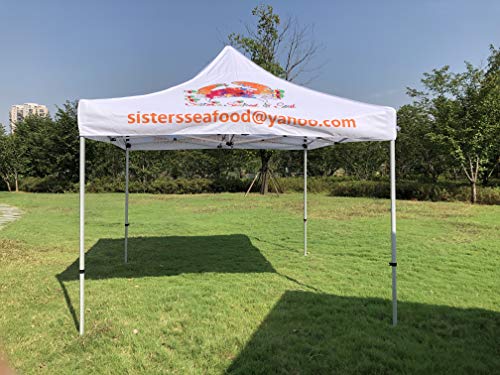
Nabai Custom Canopy Pop Up Tent 10×10
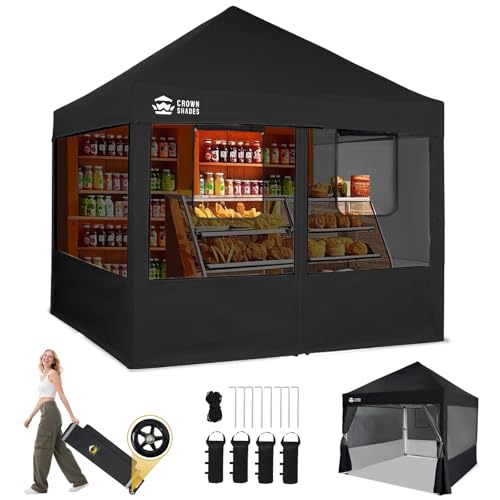
CROWN SHADES 10×10 Pop Up Food Canopy

COBIZI 20×20 Heavy Duty Party Tent

COBIZI 20×40 Heavy Duty Party Tent
Taking A Closer Look At The Options
Long, narrow layouts show up constantly at outdoor events, from graduation buffets to rehearsal dinners, and the HOTEEL 10x30FT Party Tent is built for exactly that footprint. Its 300-square-foot interior is wide enough for two banquet rows yet slim enough to fit along a fence line or driveway without crowding the rest of the yard.
Eight removable sidewalls give you real flexibility on the day of the event. Drop them all for open-air mingling, keep them up for wind protection, or leave the front two open as a serving entrance while sealing the other six. Compared with the larger square COBIZI tents reviewed later, this one prioritizes reach over depth, which works better for linear setups than for round-table seating.
Notable Gains
- 300 sq ft fits a head table plus 4 to 6 guest tables comfortably
- Eight removable walls let you open the front while shielding three sides
- Long shape tucks along a driveway or pool deck without eating the lawn
- Lighter frame than a 20×20 unit, easier for two people to stage
- Modular sidewalls simplify partial enclosure on breezy afternoons
Things To Consider
- Owners commonly report staking the long sides carefully in gusty conditions
- Not ideal for circular table arrangements because depth is limited
Made For
Hosts running buffet lines, ceremony aisles, or sit-down dinners along a narrow yard footprint.
Skip It When
You need a square layout for round tables, in which case the COBIZI 20×20 Heavy Duty Party Tent is a more natural match.
The Nabai Custom Canopy Pop Up Tent 10×10 is purpose-built for vendors who treat the canopy as a billboard. Your logo, brand colors, and tagline can be dye-sublimated directly into the fabric, which is a printing process that bonds ink into the polyester for a fade-resistant finish. The standard 10×10 footprint is the same square you see at trade shows, farmers markets, and craft fairs across the country.
Compared with the HOTEEL 10x30FT Party Tent reviewed earlier, this one focuses on portability and branding rather than raw seating capacity. A single person can usually deploy a pop-up frame in minutes, though the custom print work means you should plan production time before your first event.
The Upside
- Custom printed graphics turn the canopy into walk-by advertising
- Standard 10×10 frame fits most event layouts and rental packages
- Dye sublimation holds color longer than vinyl decals under sun exposure
- Pantone color matching keeps brand identity precise across reorders
- Pop-up design suits solo vendors who set up alone each weekend
Points To Keep In Mind
- Logo files and color choices must be sent before production, so plan lead time
- Smaller 100 sq ft footprint caps how many guests you can shelter at once
Key Product Details
Best Suited To
Small business owners and vendors who want their canopy to double as marketing at every show.
Look Elsewhere When
You are feeding a crowd rather than selling to one, where the CROWN SHADES 10×10 Pop Up Food Canopy is the more practical alternative.
Outdoor food service has its own headache list: flies around the trays, sun on the prep area, customers leaning across the table. The CROWN SHADES 10×10 Pop Up Food Canopy tackles those head-on with four detachable mesh walls rather than solid fabric. The mesh keeps air moving, blocks insects, and still lets customers see what is on offer.
Two of those walls include mid-zip entries with pass-through windows, which means staff can move in and out without lifting fabric every time. Versus the fully enclosed COBIZI 20×20 Party Tent later in this list, this canopy is built for a working vendor booth, not a seated reception.
What Pays Off
- Mesh walls stop insects from landing on uncovered food
- Mid-zip entries create a clean service lane for staff
- Black top fabric hides inevitable kitchen grease better than white
- Pop-up frame saves time at markets with tight setup windows
Honest Caveats
- Mesh does nothing for rain, so a backup tarp is wise in wet climates
- 100 sq ft feels small once you add tables, signage, and a queue line
Whose Setup It Belongs On
Food trucks, market vendors, and caterers working a single booth at outdoor festivals.
Swap It Out When
You need a dry lounge or shaded seating area, where the HOTEEL 10x30FT Party Tent serves a wider guest footprint.
Backyard weddings and milestone parties tend to outgrow a 10×10 pop-up the moment the guest list climbs past twenty. The COBIZI 20×20 Heavy Duty Party Tent opens up 400 square feet of square footprint, which comfortably seats 40 to 60 guests across several round tables. White powder-coated steel frames resist rust through repeated outdoor use, and ten church-style windows along the roofline let in soft daylight without exposing the interior.
Compared with the long-and-narrow HOTEEL 10x30FT Party Tent earlier, this one centers on square geometry that suits dance floors, head tables, and a focal point like a cake station. The built-in sandbag pockets on each leg also matter, because they let you add ballast without buying separate weight plates.
Well-Handled Touches
- 400 sq ft holds 4 to 6 round tables plus a dance floor
- Six removable sidewalls let you tune airflow on warm afternoons
- Built-in sandbag pockets add ballast without separate weight purchases
- White powder coating keeps the frame looking clean through seasons
Trade-Offs
- Heavier frame means you will want at least three helpers for setup
- Square shape demands a flat, level lawn to seat all sides evenly
Feature Snapshot
Right Fit For
Hosts putting on a 50-person backyard wedding or a sizable milestone birthday.
Reach For A Different Pick When
Your guest list crosses 100, in which case the larger COBIZI 20×40 Heavy Duty Party Tent gives the room you need.
The COBIZI 20×40 Heavy Duty Party Tent is the unit you bring in when an event has outgrown the backyard scale entirely. Its 800 square feet of covered space seats 100 guests across eight or more tables, or holds a standing crowd north of 130 for cocktail-style receptions. Twelve sidewalls and sixteen church-style windows give you real control over light and enclosure.
Versus the 20×20 sibling reviewed just before, this tent doubles the linear space and adds more sidewalls, so a long banquet hall layout becomes possible rather than cramming round tables into a square. The same white powder-coated steel frame and built-in sandbag pockets carry over, which is helpful because anchoring this much fabric properly takes some thought.
Benefits That Matter
- 800 sq ft swallows a 100-guest seated dinner comfortably
- Twelve sidewalls allow partial enclosure for windy sides of the lawn
- Sixteen church-style windows keep the interior bright and airy
- Long footprint suits banquet rows, dance floors, and stages
- Sandbag pockets on every leg simplify ballast before weather rolls in
Practical Considerations
- Setup realistically requires a small crew and a full afternoon
- Large fabric panels need careful folding to avoid mildew in storage
Quick Facts
Who Should Grab It
Anyone hosting 80 to 130 guests for a wedding, large family reunion, or community fundraiser.
Where Another Pick Suits Better
Smaller gatherings under 60 guests, where the COBIZI 20×20 Heavy Duty Party Tent avoids paying for space you will not fill.
Matching The Right Tent To Your Event
Choosing a commercial tent comes down to three honest questions: how many people you are sheltering, how often you will set it up, and how much weather you expect to face. Footprint drives almost every other decision, because a 10×10 simply cannot seat fifty, and a 20×40 swallows lawn space that some yards do not have.
Frame material matters more than most shoppers expect. Powder-coated steel resists rust across seasons, while lighter aluminum frames pop up faster but flex more under wind load. Sidewall count is the next lever: more panels mean better partial enclosure, which is what you actually use on most days rather than fully sealed walls.
Finally, think honestly about anchoring. Built-in sandbag pockets and stake points are not optional accessories on commercial tents; they are the difference between a calm afternoon and a sail across the neighbor’s yard.
Picking The Right Size And Style
Count Guests Before Anything Else
Square footage follows headcount more reliably than any spec sheet. A seated dinner with round tables wants roughly 10 square feet per guest, while a standing cocktail format needs only 6 to 8 square feet. Use those numbers first, then add room for a dance floor, buffet, or stage if your event calls for one.
Match The Frame To Your Crew
Pop-up frames favor solo vendors and quick setups at weekend markets. Heavier pole-and-frame tents with removable walls suit hosts who can recruit three or four helpers and a few hours. Choosing a frame your team cannot reasonably raise is a common source of regret, and rental crews charge by the hour to rescue stalled setups.
Key Considerations Across These Picks
Pitfalls Shoppers Hit
The most common mistake is buying by square footage alone and ignoring the sidewall layout. A 20×20 tent with no sidewalls feels exposed, while the same footprint with six walls can run hot in summer sun. Stakes and sandbags are another easy skip, and the wind does not care that you forgot them. Always confirm anchoring hardware ships with the tent before counting on a calm day.
What The Higher Tier Buys
Stepping up to a heavier COBIZI frame mostly buys peace of mind: thicker fabric, more sidewalls, sandbag pockets built into every leg. That extra weight pays off the first time a gust rolls through, and it shows up again across years of storage. A lighter 10×10 pop-up is the right call for weekly market vendors, but for annual weddings and reunions, the upgrade usually earns itself in one bad storm.
Frequently Asked Questions
How big should my commercial tent be?
Start with your guest count and add 20 percent for movement, tables, and any focal feature like a dance floor or buffet line. A 20×20 (400 sq ft) suits roughly 40 to 60 seated guests, while a 20×40 (800 sq ft) handles 100 or more.
Can commercial tents handle rain?
Most quality tents use waterproof fabric and sealed seams, but coverage drops sharply with wind-driven rain. Lower the sidewalls on the windward side and stake or ballast every leg before weather arrives.
How long does setup take?
Pop-up 10×10 frames can go up in under ten minutes with one person. Larger 20×20 and 20×40 pole tents typically need three to four helpers and a couple of hours, more if you are staking into hard ground.
Do I need a permit for a commercial tent?
Many cities require permits for tents above a certain size, often 100 to 400 square feet, and almost always for anything used commercially. Check local codes before event day to avoid fines or teardown orders.
How do I store a commercial tent?
Dry the fabric fully before folding to prevent mildew, and store panels and frames in a cool, dry place. A storage bag or bin keeps hardware together and protects against rodent damage between events.
Final Verdict
The right commercial tent depends almost entirely on your event’s size and frequency. Vendors running weekly booths will love the branded Nabai 10×10 or the insect-blocking CROWN SHADES 10×10, while hosts planning a milestone celebration should look straight at the COBIZI 20×20 or 20×40. Match the footprint to your guest count, anchor the frame properly, and your event shelter becomes one less thing to worry about on the day.