
A freezing tent at 2 a.m. teaches you fast what your sleeping bag is actually made of. For shoulder-season camping, high-altitude treks, or winter car camping, the wrong bag turns a memorable trip into a miserable one. The four picks below cover the main scenarios cold-weather campers face: a women’s-specific synthetic mummy, a heavy-duty rectangular cold-weather bag, a versatile four-season family-friendly option, and an ultralight down mummy built for backpackers covering real distance.
The Main Contenders

deuter Exosphere -10° SL Synthetic Sleeping Bag
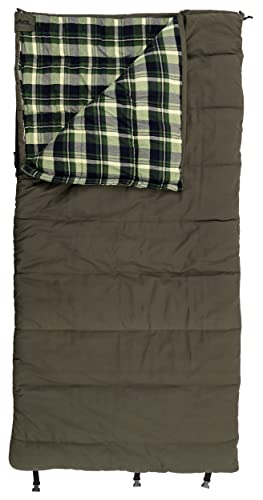
ALPS OutdoorZ Redwood -25 Sleeping Bag

Atarashi 4-Season Extra-Large Sleeping Bag
HLITMOUT Ultralight Down Sleeping Bag
What Each Pick Brings To The Table
The deuter Exosphere -10° SL is built around the SL (Slim Line) women’s fit, which means a shorter overall cut and extra insulation placed where women tend to lose heat fastest: the kidney and foot zones. That targeting matters on cold autumn nights above tree line or in early-winter base camp setups, where a generic unisex mummy can leave cold spots that ruin sleep.
Unlike the heavier ALPS Redwood covered later, this bag uses synthetic fiber insulation that holds warmth even if the shell gets a little damp from condensation or a wet tent footprint. The stretch seam construction is the quiet detail worth understanding: it lets the bag expand roughly 25% wide when you roll onto your side or pull your knees up, then settles back close to the body for warmth. For backpackers and three-season campers who run cold, the fit-to-shape balance is the real story.
Everyday Perks
- Women’s-specific insulation mapping at the kidneys and feet
- Synthetic fill stays warm in damp conditions
- Stretch seams expand roughly 25% for side sleeping
- -10°C comfort rating for shoulder-season alpine nights
- Left-side zipper integrates with compatible deuter bags for shared covers
Worth Noting
- Synthetic fill weighs more and packs larger than the down pick later in this list
- Shorter cut tops out around 175 cm, so taller users should look at unisex options
- Left-zip only; couples who already own right-zip bags can’t pair it directly
Who It Suits Best
Female backpackers and campers under 175 cm who want a tailored fit for cold three-season trips and value damp-resistance over minimum weight.
Where Another Pick Suits Better
Couples car camping in true winter weather will find the ALPS OutdoorZ Redwood -25 a roomier, warmer choice for shared or deep-cold use.
The Redwood -25 is a different animal from the mummy-style deuter above. It runs as an oversized rectangular bag, which trades a little thermal efficiency for a noticeably more comfortable fit when you’re bundled up in heavy base layers or sleeping in a tent with limited elbow room.
The fill uses Techloft Insulation, a multi-hole staple-length micro-denier fiber with a siliconized finish that helps the loft stay puffy and resists clumping after repeated compressions. That detail matters for campers who leave the bag stuffed in a truck or garage between trips. Owners of bulky winter boots and wide-shouldered frames will appreciate the wiggle room, and the -25°F rating handles the kind of nights where frost forms on the rainfly by morning.
The Case For It
- -25°F temperature rating for serious cold
- Rectangular shape fits bulky layers and restless sleepers
- Techloft fill holds loft well after long storage periods
- Spacious interior suits wide-shouldered and taller campers
Honest Caveats
- Bulky packed size makes it a poor choice for backpacking trips
- Heavier than the mummy options in this roundup
- Rectangular cut loses some heat around the feet compared to a hooded mummy
Quick Facts
Made For
Winter campers, hunters, and truck-based base camp setups who need real sub-zero protection and don’t care about packed size.
Look Elsewhere When
Thru-hikers covering long distances should choose the HLITMOUT down mummy later in this list for its trail-friendly weight and pack size.
Where the ALPS Redwood leans hard into deep-winter duty, the Atarashi 4-Season aims squarely at campers who want one bag that covers spring through fall shoulder weather without buying two. The dimensions, roughly 33 by 87 inches, fit most adults up to about 5’11”, and the extra width gives kids or dogs room to share without buying a second bag.
The shell uses 290T nylon treated for water resistance, which handles tent condensation and brief exposure to wet ground. Owners commonly report that the included compression sack makes the bag manageable for short hikes from the parking lot to a campsite, even though it’s not a true backpacking bag. For families, scout troops, and casual car campers who don’t want to manage multiple bags, that kind of versatility is the real value.
The Good Stuff
- Extra-large 33″ x 87″ cut accommodates taller users
- 290T nylon shell resists tent condensation and light moisture
- Rated for 3-4 season use across spring, summer, and fall
- Compression sack included for easier transport
- Budget-friendly entry point for new cold-weather campers
Points To Keep In Mind
- Lower temperature floor than the ALPS Redwood for true winter
- Polyester fill is heavier than down alternatives at the same warmth
- Less refined fit compared to women’s-specific mummy bags like the deuter above
Best Suited To
Casual campers, families with kids, and scout groups who want one bag that handles most non-extreme cold-weather conditions across the year.
Not Your Match When
Mountaineers and serious winter expedition campers should choose the ALPS OutdoorZ Redwood -25 for the lower temperature rating and heavier fill.
The HLITMOUT down mummy is aimed at the crowd that counts every gram in their pack. Down insulation delivers a higher warmth-to-weight ratio than any of the synthetic picks above, so you can carry serious cold-weather protection without the volume penalty of a heavier bag. For backpackers on multi-day routes or fast-and-light alpinists, that weight savings compounds quickly across a trip.
The mummy shape trims dead air space and pulls heat closer to the body, which makes it efficient in genuinely cold conditions. A built-in pillow section adds a small comfort detail that some campers will appreciate, removing one more item from the pack list. The trade-off, worth being honest about, is that down loses loft when it gets soaked, so this bag rewards careful rain management and a dry tent setup.
Where It Helps
- Down fill delivers excellent warmth-to-weight ratio
- Mummy shape maximizes thermal efficiency
- Compresses small for backpacking and alpine trips
- Integrated pillow section reduces packed gear count
Practical Considerations
- Down loses loft when wet, so careful rain and tent management is required
- Requires more careful storage than synthetic bags to maintain long-term loft
- Tighter mummy fit may feel restrictive for restless sleepers used to the Atarashi’s roomy shape
Feature Snapshot
Whose Shelf It Belongs On
Backpackers, thru-hikers, and alpine climbers who prioritize low weight and pack size and stay disciplined about keeping their sleep system dry.
Swap It Out When
Car campers or casual family trips will find the Atarashi 4-Season’s wider cut, lower price, and synthetic fill a more forgiving match.
Choosing Cold Weather Sleeping Bags That Actually Keep You Warm
Matching Temperature Rating To Real Conditions
Manufacturers list temperature ratings, but those numbers assume a warm sleeping pad, a dry tent, and base layers suited to the weather. The honest read is that a bag rated to 20°F will feel much closer to 30°F if you’re on a thin pad or the wind is cutting through the shelter. Pick a bag rated about 10°F colder than the temperatures you actually expect, and that buffer usually lands you in comfort rather than survival territory.
Fill Type: Down Versus Synthetic
Down insulation offers the best warmth-to-weight ratio and packs smaller, but it loses loft when wet and demands careful storage. Synthetic fills, like those in the deuter Exosphere and ALPS Redwood, weigh more and pack larger but keep insulating even if the shell gets damp. Backpackers covering real distance usually lean toward down; winter campers who expect wet snow or condensation often lean toward synthetic.
Shape And Fit Considerations
Mummy bags trim dead air space and run lighter; rectangular bags, like the Redwood and Atarashi, give you room to wear thick layers and shift around. Women’s-specific cuts place extra insulation where women lose heat fastest, which can matter more than any single spec on the label. Tall campers should measure the bag length against their height before committing.
Weight And Pack Size
Backpacking trips punish heavy bags quickly, so anything over about three pounds starts costing you trail energy. Car camping forgives bulky bags entirely, and the extra loft and interior space can make cold nights far more comfortable.
Picking The Right Cold Weather Sleeping Bag For Your Needs
Pitfalls Shoppers Hit
Choosing a bag rated to the exact temperature you expect leaves no margin for a cold snap, a thin pad, or a damp night. Skipping the sleeping pad entirely defeats even the warmest bag, since ground conduction steals heat faster than air temperature ever will. Many first-time buyers also focus on the comfort rating and ignore the lower-limit number, which describes survival rather than restful sleep.
What The Higher Tier Buys
Premium cold-weather bags typically buy you better fill power, tighter baffle construction that prevents cold spots, and lighter shell fabrics that resist wind without bulk. That translates into real warmth for less weight, which matters most when you’re carrying the bag for miles or moving fast in alpine terrain. For weekend car camping, the upgrade often delivers comfort refinements like smoother zippers, draft tubes, and better hood design rather than survival-level temperature drops.
Frequently Asked Questions
What temperature rating do I need for cold weather camping?
For shoulder-season camping above freezing, a 20°F bag is a comfortable starting point. For genuine winter trips below 20°F, look for bags rated to 0°F or lower for any real margin of safety.
Are down sleeping bags warmer than synthetic ones?
Down delivers more warmth per ounce and packs smaller, but synthetic fills stay warmer when damp and cost less. The “warmer” answer depends on conditions, not just fill type.
Can I use a cold weather sleeping bag in summer?
Yes, but expect to wake up sweaty unless you ventilate with the zipper and vents. Many campers use a cold-weather bag year-round and adjust layers instead of swapping bags.
How do I store my sleeping bag to keep it warm long-term?
Store it loosely in a large cotton or mesh sack, not compressed in its stuff sack. Long-term compression crushes the loft in both down and synthetic fills, which reduces warmth over time.
Do I need a special sleeping pad for cold weather camping?
A pad with an R-value of 4 or higher is a practical floor for cold trips. The pad insulates you from the ground, and even the warmest bag loses most of its value on a cold-conductive surface.
Bottom Line
The right cold weather sleeping bag depends almost entirely on how you camp. Backpackers moving fast in real cold should pick the HLITMOUT for weight savings. Winter base campers who need genuine sub-zero warmth will find the ALPS Redwood hard to beat. New cold-weather campers and families looking for one bag to handle most seasons will appreciate the Atarashi’s forgiving shape. Campers who want a tailored fit and damp-resistance should look closely at the deuter Exosphere. Match the bag to your conditions, your pad, and your sleep style, and the cold becomes background noise instead of the main event.