
Working overhead with a saw in the tree changes everything. Balance, weight, and control stop being nice-to-haves and become the difference between a clean cut and a bad fall. Arborists, homeowners pruning tall shade trees, and crews clearing storm damage all need gear that stays light in the hand, holds up to grit, and cuts clean without fighting the operator. The seven picks below cover the range: compact top-handle saws built for one-handed overhead work, chainsaw-rated trousers that buy you real protection in the canopy, and a hauling pulley for moving logs and gear up into the tree. Each is matched to a specific kind of climber, so you can zero in on the right tool for your skill level and the work in front of you.
The Leading Options At A Glance

Kong Italy Twin Black/Orange 141.5mm Pulley

Clogger Zero Mk II Chainsaw Trouser (Small)

GTHAN 12-Inch Top Handle Gas Chainsaw
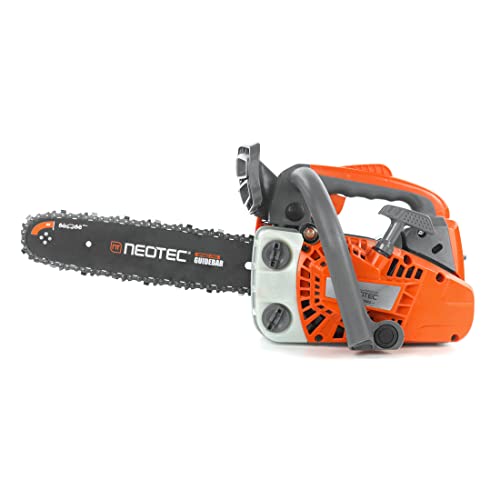
NEO-TEC 12-Inch Top Handle Gas Chainsaw

WTHW 25.4CC 12-Inch Top Handle Chainsaw

Clogger Zero Mk II Chainsaw Trouser (Medium)

PROYAMA 12-Inch Top Handle Gas Chainsaw
A Closer Look At Each Pick
A climbing saw cuts the wood, but a pulley like this Kong Italy Twin moves the wood and the climber. The double-wheel aluminum body runs ropes through smoothly, and the side plates keep grit out of the bearing when you are working under bark and debris. Compared to the chainsaw picks lower in this list, this is a different kind of tool: rigging hardware, not cutting equipment.
Two attachment points give you flexibility for compound haul systems, so a heavy limb can come down controlled rather than swinging free. For arborists running a friction hitch or a block-and-tackle setup, that versatility matters more than peak load rating on paper.
Where It Helps
- Double-sheave design lifts loads with less pulling force, which keeps you from fighting the rope on long hauls.
- Mobile side plates keep sawdust and bark out of the bearing, a real plus when you are working near fresh cuts.
- Two attachment points let you build compound systems that lower heavy sections in stages.
- Aluminum body trims weight from your saddle kit, helpful on all-day climbs.
Honest Caveats
- Accepts ropes up to 16 mm only; thinner line can sit loosely in the sheave groove and chatter.
- Aluminum, while light, can dent on hard impacts against rocks or steel rigging.
Whose Setup It Belongs In
Arborists and serious tree workers who already run a rope-based haul system and need a reliable double pulley to round out the kit.
Skip It When
You only need a cutting tool, in which case the WTHW 25.4CC 12-Inch Top Handle Chainsaw is a far more relevant pick for actual overhead sawing.
No saw in this roundup matters much if a stray chain finds your leg. The Clogger Zero Mk II in Small is built for slim climbers who want real chainsaw protection without the bulky canvas feel of traditional chaps. The fabric stretches, so you can step around branches and shuffle up into the canopy without the trousers fighting you.
Heat management is the standout detail here. Two vents, an open-leg cut, and Nilit Breeze fibers wick warmth away from the body. For summer pruning or southern climates, that is a real comfort upgrade over heavier all-cloth options. Coverage exceeds US standards by a meaningful margin, which gives a margin of safety when the chain catches.
Why It Works Well
- Stretch fabric lets you bend, kneel, and shuffle in the saddle without binding.
- Nilit Breeze fibers pull heat and moisture away, useful for long summer days in the canopy.
- Coverage exceeds US safety standards, so you get a wider protection zone across the thigh and calf.
- Open-leg design keeps airflow moving when you are working in still, humid air.
Things To Consider
- Small sizing is tailored; slim-hipped climbers may find other sizes fit better.
- Lightweight fabric can snag on rough bark or thorns more than heavier canvas chaps.
Feature Snapshot
Who It Suits Best
Slim-built climbers in warm climates who do real overhead cutting and need protection that does not turn into a sweatbox.
A Better Fit Elsewhere
Climbers needing a Medium fit should step up to the Clogger Zero Mk II Chainsaw Trouser (Medium) instead of sizing down.
For homeowners stepping up to serious tree work, a gas top-handle saw is the workhorse. The GTHAN 12-inch tops out around 8.6 lbs with bar and chain, which is light enough for one-handed overhead use but heavy enough to feel planted. The wrap-around handle keeps your grip in line with the cut, so you can rotate the saw into awkward angles without losing control.
Dual throttle switches are a thoughtful safety touch: you must press both at once to start, which prevents the saw from firing if your thumb slips. The chain brake adds another layer during sudden snags. Compared to the NEO-TEC pick below, the GTHAN leans toward everyday homeowner use, while the NEO-TEC reads a bit more pro in the grip and vibration story.
A Few Strong Suits
- 25.4cc two-cycle engine produces 1.2 hp, plenty for branches and small trunks.
- Lightweight 8.6-lb build reduces arm fatigue on long overhead cuts.
- Spring-assisted starter makes cold pulls easier, a real help in cold weather.
- Dual-throttle interlock and chain brake keep accidental starts and kickback injury in check.
Worth Noting
- Gas engines need fuel mixing and regular air filter cleaning; battery saws skip that upkeep.
- 12-inch bar handles limbs fine, but thicker trunks call for a longer bar.
Made For
Homeowners and part-time climbers who want a reliable overhead chainsaw for storm cleanup, pruning, and firewood prep.
Consider Something Else When
You need a saw that comes with extra chains out of the box, in which case the PROYAMA 12-Inch Top Handle Gas Chainsaw ships with a second chain.
The NEO-TEC reads like a tool built by people who actually climb. The 25.4cc two-stroke spins to 12,000 rpm, which sounds like marketing until you remember that arborist cuts demand fast chain speed to slice through hardwood limbs cleanly. The wrap-around handle minimizes vibration, so the saw does not rattle your joints apart during a multi-hour pruning run.
Weighing in around 8 lbs, this saw sits in the same lightweight class as the GTHAN pick, but the framing here leans toward tree work and pruning rather than firewood prep. For Spanish-speaking crews, the bilingual labeling on the source listing is a small but useful touch.
The Practical Payoff
- 12,000 rpm chain speed makes fast, clean cuts in dense wood, useful for storm cleanup.
- Wrap-around handle keeps the grip centered, reducing wrist strain overhead.
- Compact 12-inch bar is easier to maneuver in tight canopy spaces than longer bars.
- Engineered for tree work, pruning, and yard maintenance rather than heavy felling.
Trade Offs
- 2-stroke engine requires fuel mixing, so storage of mixed gas becomes a small chore.
- Smaller bar limits the size of cuts in one pass, which adds time on thick trunks.
Quick Facts
Best Suited To
Yard owners and property managers handling regular pruning and small removals rather than full-scale felling.
Look Elsewhere When
You want a saw that ships with spare chains included, where the PROYAMA 12-Inch Top Handle Gas Chainsaw is a smarter pick.
This is the saw for climbers who actually get paid to do this. The WTHW 25.4cc sits at 8.3 lbs, and the design centers the saw in your palm rather than dangling off the back, which is exactly what you want during a long day of overhead cuts. Compared to the GTHAN and NEO-TEC picks, this one reads more like a serious arborist tool than a homeowner crossover.
The 1.2 hp two-cycle engine pushes 11,500 rpm through a 12-inch bar, while the easy-start system and auto-oiler take two of the usual chainsaw annoyances off your hands. For crews running multiple trees a day, those details add up to less fatigue by lunch.
The Good Stuff
- Centered balance in the palm reduces arm strain versus rear-handle designs.
- 8.3 lbs is the lightest saw in this roundup, helpful for full-day climbs.
- Auto-oiler keeps the chain lubricated without manual stops between cuts.
- Easy-start system cuts down on cold-pull frustration at the start of the day.
Some Limits To Know
- Green plastic housing can scuff and crack after hard impacts on rocky ground.
- Still a 2-stroke engine, so fuel mixing and exhaust smell are part of the deal.
Feature Card
Perfect Match For
Arborists and serious climbers who log long hours overhead and care about fatigue as much as raw power.
Reach For A Different Pick When
You want a budget-leaning option for occasional pruning, where the GTHAN 12-Inch Top Handle Gas Chainsaw is the more practical everyday pick.
The Medium version of the Clogger Zero Mk II shares the same DNA as the Small one above, just scaled for mid-sized frames. Stretch fabric, two vents, and the open-leg design all carry over, so you get the same breathability and chain protection without choosing the wrong size. For many climbers, Medium is the safest default before tailoring fit.
Coverage and threshold speed both exceed US standards, which gives you a real margin if a chain ever finds fabric. Compared to the Small, the only meaningful difference is fit, not feature set, so the choice here comes down to body type.
Useful Highlights
- Stretch fabric makes ground-level and elevated work easier on the knees and hips.
- Cut coverage exceeds US standards, adding a wider safety zone across the leg.
- Nilit Breeze fibers pull heat away, helpful in hot or humid tree work.
- Open-leg design supports airflow even in still summer air.
Points To Note
- Sizing runs a touch generous, so checking measurements before ordering helps.
- Lightweight fabric wears through faster than heavier canvas under heavy abrasion.
Core Details
Built With In Mind
Mid-sized climbers working in warm weather who want lightweight, breathable chainsaw protection that moves with them.
Where A Sibling Pick Shines
Slimmer frames will be better served by the Clogger Zero Mk II Chainsaw Trouser (Small) above.
The PROYAMA closes out this roundup with a thoughtful bundle: a 26cc two-stroke top-handle saw, plus a second chain in the box. Spare chains are the kind of detail that gets ignored until you are 30 feet up with a dulling chain and no spare in your truck. This saw is aimed at property owners who climb less often but still need reliable overhead reach.
The 800W-rated engine produces enough bite for routine pruning, and the lighter single-handle design keeps the saw from dominating your wrist. For occasional climbers, that balance of features and included spares is what lifts it above the otherwise similar GTHAN and NEO-TEC picks.
What Helps Most
- Comes with a second chain, so you are not stuck waiting on parts after the first one dulls.
- Single-hand top-handle design keeps control tight during angled cuts.
- 26cc 2-stroke engine produces 800W of cutting output for everyday tree work.
- Compact frame reduces fatigue during longer trimming sessions.
Small Caveats
- 2-stroke engine still requires fuel mixing and a bit of routine maintenance.
- Extra chain is useful but the bar oil and sharpening tools still need separate purchase.
Who Should Grab It
Property owners and hobbyist climbers who want a complete, ready-to-use overhead chainsaw kit without buying accessories separately.
Swap It Out When
You prioritize weight savings above all else, in which case the WTHW 25.4CC 12-Inch Top Handle Chainsaw trims a bit more from the load.
What To Weigh Before Buying Climbing Saws
Match The Saw To The Work, Not The Spec Sheet
Top-handle gas chainsaws in the 25cc class hit a sweet spot for most climbers: light enough for one-handed overhead use, powerful enough for routine pruning and small removals. For occasional yard work, the lighter 8-lb class pays off in reduced fatigue. Daily climbers may prefer the lightest option they can find, even if that means a small bump in price. A gas top-handle saw is the classic choice for serious overhead cutting, but battery models exist for those who want quieter operation and skip fuel mixing.
Bar Length Sets Your Reach, Not Your Power
A 12-inch bar is the practical standard for climbing work. It fits into tight canopy spaces and handles most limbs and small trunks. Longer bars reach farther but add weight up front, which throws off overhead balance. Match bar length to the typical cut size rather than chasing the longest option.
Chainsaw Trousers Are Safety Gear, Not Accessories
Cut protection coverage and threshold speed matter more than fabric weight or color. Look for trousers that exceed recognized safety standards, with cooling vents if you work in warm climates. Breathability turns into comfort during multi-hour climbs, and comfort turns into better focus on the cut.
Rigging Hardware Rounds Out The Kit
Pulley systems, carabiners, and ropes move logs and limbs safely once they are cut. A double-sheave aluminum pulley like the Kong pick above earns its place in a climber’s kit because it cuts the pulling force needed on long hauls. Tree work is as much about controlled lowering as it is about cutting, so rigging tools belong in the conversation.
Key Considerations Across These Picks
Pitfalls Shoppers Hit
The biggest mistake in this category is buying a rear-handle chainsaw for overhead work. Rear handles are designed for ground-level felling, where weight distribution favors stability over balance. Overhead, that same weight pulls down on your wrist and throws off your aim. Top-handle designs solve that, but only when you actually use them as designed. Another trap is underestimating trouser fit. Climbing gear that binds at the knee or pulls at the hip pulls your attention off the cut and onto the discomfort.
What Separates Premium From Basic
Higher-tier models in this category earn their keep through balance, vibration control, and included accessories. Lightweight saws at the 8-lb mark cost more because the engineering to keep them light without losing rigidity is harder. Auto-oiling, easy-start systems, and dual-throttle interlocks are features that show up first in premium picks. For trousers, premium builds buy you cooling fibers and stretch fabric that hold up after many wash cycles. Spend more when you climb often; save when the work is occasional.