
A solid climbing helmet is one of those pieces you never want to think about mid-route. Whether you’re working a chainsaw aloft in a tree canopy, hanging off a sport crag, or routing cables in an industrial yard, the shell on your head decides how a stray rock, a falling branch, or an unexpected swing actually feels. The right pick blends impact absorption, fit, ventilation, and accessory mounting into something you forget you’re wearing. The wrong pick gets pulled off after twenty minutes and ends up clipped to your pack.
Below is a tight shortlist of seven climbing helmets built for real use, ranging from full-coverage arborist systems to lightweight shells for the crag and trade-certified options for work-at-height crews.
The Essentials At A Glance

Protos Integral Arborist Helmet Olive

Pfanner Protos Integral Arborist Helmet

Protos Integral Arborist Helmet White & Black

Protos Integral Arborist Helmet Red & Yellow

Protos Integral Arborist Helmet
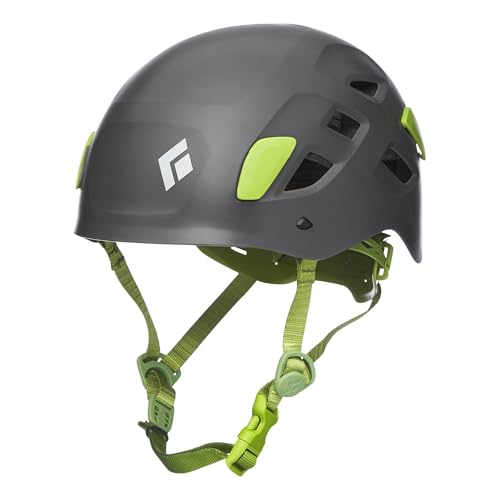
BLACK DIAMOND Half Dome Climbing Helmet

Petzl Vertex Vent Safety Helmet
The Picks, Examined More Closely
The Protos Integral Arborist Helmet in olive sits at the intersection of climbing PPE and tree-care gear, designed for users who spend long hours in the canopy with a saw in hand. Pfanner integrated the ear defenders and mesh face shield directly into the shell, which keeps the profile low enough to slide through tight forks without snagging branches.
What separates this helmet from a basic climbing shell is the side-impact protection built into the wraparound design. For tree surgeons working with fall-arrest lanyards and rigging hardware, that wraparound coverage matters: impacts rarely arrive straight down in a tree. Compared with the Black Diamond Half Dome later in this list, this is a much more purpose-built system for forestry rather than sport climbing.
Key Advantages
- Integrated ear and face protection removes the need to source and mount separate accessories
- Low-profile shell reduces snag risk when working in tight canopies
- Side-impact coverage addresses the most common real-world impact angle in tree work
- Two-finger adjustment keeps the headlamp slots and vents easy to operate with gloved hands
- Olive finish tends to hide pitch and sap stains that show up fast on lighter shells
Things To Consider
- The integrated system adds weight compared with bare climbing shells, which you may feel on long approaches
- Replacement face meshes and ear pad kits can be pricier than off-the-shelf generic spares
- Olive offers lower visibility than the red or white variants, which matters for ground crews trying to spot you
Quick Facts
Who Should Grab It
Professional arborists and serious tree climbers who need face, hearing, and head protection in a single purpose-built system.
Look Elsewhere When
The Black Diamond Half Dome Climbing Helmet fits better for recreational climbers who don’t need integrated face and ear protection and want a lighter shell for long hikes to the crag.
The white and grey Pfanner Protos keeps the same integrated platform as the olive model but trades forest camouflage for high visibility. For ground crews, riggers, and spotters working around falling debris, that brighter shell is easier to track from the ground and easier to see in low light at the base of a tree.
The mechanical layout is identical to the olive variant, so anyone already used to the Protos adjustment system can swap between colours without relearning anything. Where this pick differs from the Petzl Vertex Vent later in the list is the integration story: this one ships with face and ear protection built in, while the Petzl is a bare shell that accepts modular accessories.
Real Benefits
- White shell pops against dark bark and brush, helping spotters keep visual contact
- Same two-finger adjustment logic as the other Protos variants for fast fitting
- Removable ear and face pieces let you strip weight for lighter tasks
- Side-impact protection addresses lateral hits common during rigging operations
Trade Offs
- Light colours show sap, pitch, and dirt more visibly than the olive option
- Heavier than non-integrated climbing helmets during long walk-ins
- Spare mesh shields are specific to the Protos line, limiting generic replacements
Best Suited To
Ground crews, trainers, and volunteers who coordinate from below and need maximum visibility of the climber above.
Consider Something Else When
The Protos Integral Arborist Helmet in olive suits tree surgeons working where camouflage is preferred over high visibility.
The white and black Protos splits the difference between visibility and professionalism, giving forestry teams a more uniform look than the high-contrast red and yellow option. It’s the version you tend to see on volunteer search-and-rescue crews and municipal arborist squads where mixed branding on helmets is common.
The mechanical package mirrors the other Protos variants, so the two-finger adjustment for vents, headlamp clips, and accessories carries over. The trade-off versus the Pfanner Protos Integral Arborist Helmet in pure white and grey is mostly aesthetic and role-specific.
The Good Stuff
- Neutral branding-friendly colourway suits crews who wear logos or department identifiers
- Integrated ear and face protection streamlines PPE compliance for group purchases
- Side-impact shell design supports lateral strike protection in canopy work
- Adjustable vents help regulate heat during summer pruning shifts
Small Caveats
- Less eye-catching than the red and yellow version in dense undergrowth
- Heavier than minimalist climbing helmets for non-arborist users
- Specific mesh and foam replacements mean stocking dedicated spares
Feature Snapshot
Right Fit For
Forestry teams, volunteer groups, and training organisations that want a shared, professional appearance across multiple helmets.
Reach For A Different Pick When
The Protos Integral Arborist Helmet in red and yellow fits better where maximum visual contrast against foliage is the priority.
The red and yellow Protos is the loudest helmet in the Protos lineup, and that’s exactly the point. On a busy worksite with chainsaws, chippers, and traffic moving around the base of the tree, a climber in red and yellow reads as a hazard marker from a long way off.
Mechanically, it carries the same wraparound shell, integrated ear defenders, and mesh face shield as the other Protos variants. The difference is purely about being seen. Compared with the olive model, this is the version to pick when ground coordination and roadside visibility matter more than staying unnoticed in the canopy.
Everyday Advantages
- Red and yellow contrast cuts through foliage, dust, and low winter light
- High visibility supports compliance on roadside and traffic-adjacent jobs
- Wraparound side-impact protection covers the most likely strike angle
- Two-finger controls work without removing gloves in cold conditions
Points To Note
- Bright finish is hard to keep clean on pitch-heavy days
- Weight penalty versus minimalist shells during long walk-ins
- Spare face meshes are specific to the Protos accessory line
Whose Shelf It Belongs On
Saw operators, roadside tree crews, and climbers working around heavy equipment who need to be spotted quickly from the ground.
Swap It Out When
The Petzl Vertex Vent Safety Helmet suits crews that prefer a non-integrated shell with adjustable airflow for hot industrial environments.
The standard Protos Integral Arborist Helmet listed under the Protos GmbH brand gives you the same integrated platform as the colour-specific Pfanner variants without tying you to one finish. For users who reconfigure gear between seasons or rotate roles, that flexibility matters more than a specific colourway.
The ear defenders and face shield are removable, so you can run the shell as a lighter head-protection-only option on days when chainsaw noise and chip debris aren’t part of the job. That reconfigurability is what separates this entry from the colour-locked Protos models earlier in the list.
What Helps Most
- Removable ear and face components let you adapt the helmet to the task
- Side-impact shell design supports lateral strike protection
- Two-finger adjustment keeps fit changes fast with gloves on
- Modular accessory mounting accepts Protos-specific add-ons
Possible Compromises
- Loose ear and face pieces can rattle or shift when worn as a half system
- Heavier than dedicated climbing helmets without the full PPE suite mounted
- Accessory spares are tied to the Protos ecosystem
Feature Rundown
Perfect Match For
Users who move between roles, like part-time arborists who also lead ground crews, and want one helmet that reconfigures with them.
Not Your Match When
The Black Diamond Half Dome Climbing Helmet fits better for dedicated recreational climbers who never need the integrated ear and face protection.
The Black Diamond Half Dome is the helmet most newer climbers meet first, and there’s a reason it stays on the wall at gear shops for years. It uses a tough outer shell paired with an impact-absorbing foam liner, which is the classic climbing-helmet recipe that handles rockfall and gym lead falls without drama.
Available in two size ranges covering 21 to 25 inches, the Half Dome covers most adult head sizes without custom fitting. Where it differs sharply from the Protos entries earlier in this list is simplicity: no integrated ear protection, no face shield, just a streamlined shell that climbs well and packs light. Compared with the Petzl Vertex Vent, it’s more recreation-focused and less industrial.
Practical Pluses
- Lightweight shell reduces fatigue on long approaches to multi-pitch routes
- Two size ranges cover most adult head shapes without guesswork
- Ventilation cutouts help on warm days at the crag or gym
- Adjustable fit system dials in quickly between climbers sharing a helmet
Honest Caveats
- No integrated ear or face protection means separate accessories for noisy or dusty environments
- Shell coverage is less wraparound than the Protos line, so lateral strike protection is more limited
- Foam liner can absorb sweat over time, so owners commonly report needing to air the helmet between sessions
Who Will Love This
Recreational climbers, gym regulars, and beginners who want a simple, lightweight shell that disappears on the head.
A Better Fit Elsewhere
The Protos Integral Arborist Helmet in olive suits users who need integrated face and ear protection alongside head coverage.
The Petzl Vertex Vent is built for industrial crews who climb towers, swing wrenches on scaffolding, and need head protection that meets recognised safety standards. The “ANSI Z89.1 Type I Class C” designation means it’s tested for top-impact protection in non-electrical environments, which covers most construction and rigging work.
The standout feature is the sliding vent shutters, which let you open and close airflow without removing the helmet. That sounds minor until you’re working on a steel structure in summer and need to dump heat mid-shift. Compared with the Protos entries, the Vertex Vent is a bare shell that accepts Petzl’s modular accessories rather than an integrated system.
Noteworthy Benefits
- Adjustable ventilation shutters regulate airflow without removing the helmet
- Six-point textile suspension distributes weight across more contact points than basic shells
- CentreFit and Flip&Fit systems keep the helmet centred on the head during movement
- Modular accessory slots accept Petzl headlamps, visors, and hearing protection
Some Limits To Know
- Industrial styling looks out of place at the sport crag
- Class C rating means no electrical insulation, so it’s wrong for live-wire work
- Modular accessories add cost compared with the integrated Protos approach
Key Product Details
Built With In Mind
Industrial climbers, tower crews, and construction workers who need a certified shell with adjustable airflow for long shifts.
Where A Sibling Pick Shines
The Black Diamond Half Dome Climbing Helmet suits recreational climbers who don’t need ANSI certification and want a lighter, simpler shell.
What Matters Most Before Choosing Climbing Helmets
Match the helmet to the environment first. Tree work and tower work punish lateral impacts, so wraparound shells like the Protos line and the Petzl Vertex Vent make sense. Gym and crag climbing tend to deal with top-down rockfall, where a lighter, simpler shell like the Black Diamond Half Dome is enough.
Decide on integrated versus modular. Integrated systems (face shield plus ear defenders built in) reduce gear-buying friction but lock you into one ecosystem. Modular shells accept accessories from one brand but let you strip weight for tasks where hearing and face protection are overkill.
Fit beats features every time. A premium helmet that slides around during a pendulum fall is worse than a basic one that stays put. Look for adjustable harnesses and dial systems, and match the size range to your head measurement before colour or accessory choices.
Plan for the conditions you’ll actually work in. Hot summer sites make adjustable vents worth their weight. Cold winter work makes two-finger, glove-friendly adjustment controls worth prioritising.
Pitfalls Shoppers Hit And Where The Extra Money Goes
Mistakes Worth Dodging
A common error is buying a basic climbing shell for tree work or industrial climbing. Those environments generate lateral strikes and falling debris that open-top recreational helmets don’t fully cover. The honest read is that the right helmet category matters more than the brand on the label.
Another trap is choosing on colour alone. Bright shells help ground crews spot you, but they also show every scratch and stain. Match the finish to how visible you need to be, not just to your team colours.
When Paying More Pays Off
Higher-tier helmets in this category earn their cost through integrated protection, adjustable ventilation, and side-impact engineering that budget shells skip. For professional users logging daily hours in trees or on towers, those features translate into fewer accessories to buy and better comfort across long shifts. Recreational climbers who hit the crag on weekends get less benefit from the upgrade, and a simpler shell does the job.