
Keeping a backyard flock hydrated sounds simple until you’re hauling a heavy jug twice a day through summer heat. The right setup cuts that chore down to almost nothing, and it keeps water cleaner by limiting the dirt, droppings, and feed that usually end up in an open dish. Whether you’re building a coop from scratch or replacing a tired plastic fountain, the six options below cover the main approaches: DIY nipple conversions, classic gravity-fed jars, and fully automatic float-valve systems.
The Main Contenders
Eggluuz Chicken Waterer Nipple Side Mount 16 Pack

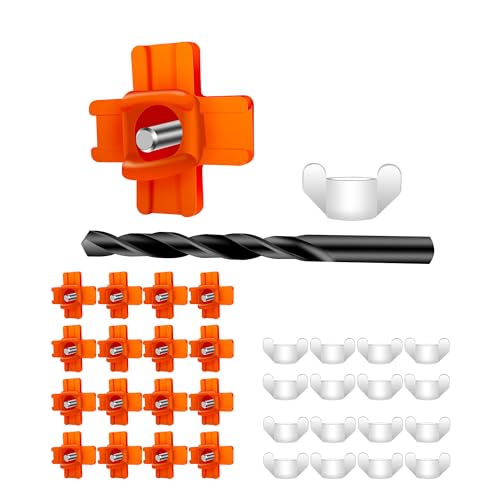
ZenxyHoC Automatic Chicken Waterer Nipples 20 Pack

Little Giant Plastic Poultry Waterer 5 Gallon

Lilyang Automatic Chicken Waterer 3 Gallon

Lilyang 3 Gallon Automatic Waterer and Feeder Set

Lilyang Automatic Chicken Waterer
Why These Options Stand Out
For hands-on keepers who want a tidy coop on a budget, a bulk pack of horizontal nipples turns any five-gallon bucket into a sealed drinking station. The Eggluuz set ships sixteen side-mount units, which is plenty for multiple bucket lines, a long PVC run, or a few backup spares.
Because each nipple mounts through the wall of a container rather than dangling from the bottom, the drinking action stays clean and birds can’t roost on top of the reservoir. For most backyard flocks, this approach keeps bedding dry and water remarkably fresh.
Practical Advantages
- Sixteen nipples cover a mid-sized flock with extras on hand for replacements
- Horizontal side-mount design cuts down on wasted water from sloppy pecks
- Works with any container you can drill, giving you full control over tank size
- Sealed system keeps droppings and feed out of the water supply
Points To Keep In Mind
- You’ll need to source your own bucket, drill bit, and mounting hardware separately
- Younger chicks may need a short training period before they use the nipples confidently
- Seal quality depends on your install; a loose nipple can drip and wet nearby bedding
Made For
DIY coop builders comfortable with a drill who want a fully customized reservoir and a generous spare-parts supply on the shelf.
Look Elsewhere When
You’d rather skip the build entirely, in which case the Little Giant Plastic Poultry Waterer is a ready-to-fill classic that needs no tools.
The ZenxyHoC pack nudges ahead of the Eggluuz option by tossing in the drill bit you’ll need to install them. For a first-time build, that single inclusion saves a trip to the hardware store and a guessing game on bit size.
The trigger-style side nipples only release water when a bird actively pecks, which keeps the surrounding floor dry. Compared to open bowls or traditional vertical nipples, this layout tends to dramatically reduce wet bedding in most coops.
Useful Strengths
- Drill bit included, so you can finish a basic bucket line in one afternoon
- Side-press trigger is sensitive enough for chickens yet resists accidental drip
- Twenty units leave headroom for a multi-station setup or a backup bin
Trade Offs
- Owners commonly report occasional slow drips if the trigger seal isn’t perfectly seated
- You’ll still need a food-safe container, plus a way to hang or mount the finished reservoir
Quick Facts
Right Fit For
First-time nipple installers who want everything for the basic build in a single order and don’t mind finishing the setup themselves.
Consider Something Else When
You’re set on a no-build setup; the Lilyang Automatic Chicken Waterer connects to a hose and runs without any drilling at all.
Before the world of auto-refills and float valves, there was the Little Giant jar, and it still earns its spot in plenty of coops. The design relies on gravity and a vacuum-sealing O-ring cap to keep a shallow drinking trough full at a steady level.
Fill the jar, snap it onto the base, and flip it over. The translucent plastic lets you check the water level at a glance, which is genuinely useful on hot afternoons when a flock can drain a small container fast.
Everyday Wins
- No plumbing, no drill, no install, so beginners can deploy it in minutes
- Heavy-duty translucent plastic handles temperature swings without cracking
- Snap-together jar and base make cleaning and refilling quick
- 5-gallon capacity suits a small to medium flock between fill-ups
Honest Caveats
- Open trough design means birds will drop debris in, so daily rinsing is normal
- Heavier when full, which matters if you’re hanging it rather than setting it on the ground
- No automation, so you’ll still refill by hand on a regular schedule
Whose Coop It Belongs In
Beginner flock keepers who want a familiar, no-fuss fountain that works the day it arrives and stays simple to maintain.
Not Your Match When
You’re chasing a hands-off setup; the Lilyang Automatic Chicken Waterer connects to a hose and refills itself as the level drops.
The Lilyang 3-gallon runs on the same float-valve logic you see in a toilet tank: a small float shuts off incoming water once the reservoir fills. Hook it to a standard garden hose and the unit tops itself up whenever birds drink the level down.
For keepers who travel, work long days, or simply hate hauling buckets, this is the first “set and forget” jump on the list. Compared to the Little Giant jug, it trades manual refills for a permanent water line.
Noteworthy Benefits
- Float valve refills the basin automatically, sparing you daily bucket runs
- Sealed 3-gallon reservoir keeps water cleaner than open-trough designs
- Compact footprint fits inside smaller coops and runs
- Stable base reduces tipping when birds jostle for position
Small Limitations
- Requires a nearby hose bib or splitter, which may dictate where the coop sits
- Valve mechanisms benefit from an occasional check to clear any sediment
- 3-gallon capacity is on the smaller side for larger flocks during summer heat
Feature Snapshot
Who Should Grab It
Busy owners and frequent travelers with a hose bib near the coop who want their flock watered without daily attention.
A Better Fit Elsewhere
You need a feed solution too, in which case the Lilyang 3 Gallon Automatic Waterer and Feeder Set pairs water and feed in a single matched system.
For couples or small households juggling two daily chores, the matched Lilyang set pairs a float-valve waterer with a 3-gallon feeder in one purchase. Both pieces share a visual language, which keeps the coop tidy and avoids mismatched plastic sitting in the run.
The auto water half behaves like the standalone Lilyang 3-gallon, while the feeder holds enough dry feed to span several days for about five birds. For weekend hosts or anyone stepping away from home, the combo trims your chore list to almost nothing.
Where It Excels
- Matched water and feed system cuts the morning round to a quick glance
- Float-valve refill keeps water fresh without daily hauling
- 3-gallon feeder size gives multi-day headroom for a small flock
- Coordinated design looks more intentional than a mix of mismatched gear
Worth Bearing In Mind
- Still tied to a hose connection, so location flexibility depends on your plumbing
- Feed side benefits from a rain shield if it lives in an open run
- Capacity assumes a small flock; large flocks may outgrow the feeder side quickly
Best Suited To
Couples running a small flock who want one coordinated purchase to handle both daily chores across a long weekend.
Reach For A Different Pick When
Your flock is water-heavy and feed-light; the standalone Lilyang Automatic Chicken Waterer (no feed side) keeps the focus squarely on hydration.
This older Lilyang sibling runs on the same float-valve logic as the 3-gallon unit above, but with a slimmer profile for tight coop corners. It connects directly to a hose and never needs to be lifted, flipped, or hand-filled.
For keepers who already have a hose line stretched to the run, the convenience is hard to beat. The unit cuts off the water on its own the moment the basin reaches the right level, so spills and overflow are unlikely in normal operation.
Points In Its Favor
- Float valve handles open-close cycles without manual attention
- Slimmer build slips into narrow runs and small coops
- Always-on supply means birds never run dry between visits
- Closed basin keeps dirt, droppings, and feed out of the water
Potential Sticking Points
- Useless without a working hose line at the coop
- Float valves can stick in hard-water areas without an occasional clean
- Coop becomes dependent on a single supply point, so a splitter is wise for redundancy
Who Will Love This
Owners with a permanent coop location and an existing hose line who want a low-profile, always-refilling basin.
Skip It When
You’re renting or rotating the flock between yards; the Little Giant Plastic Poultry Waterer needs no plumbing and travels with you.
What Matters Most Before Choosing a Chicken Waterer
The first decision is plumbing versus no plumbing. Gravity-fed jars and DIY nipple buckets run without any water line, which makes them portable and easy to set up anywhere. Hose-fed float-valve systems trade that flexibility for genuine automation, and they shine when the coop sits close to a hose bib.
Capacity follows flock size and climate. A small flock in a temperate region gets by on a 3-gallon reservoir, while larger flocks or hot-summer setups benefit from 5 gallons or a continuous supply that never empties. Open troughs are easy to fill but invite contamination; closed reservoirs and nipple systems keep water noticeably fresher between rinses.
Matching Type To Your Setup
DIY keepers with a drill and a spare bucket usually get the best value from nipple packs, especially the ZenxyHoC set that includes the bit. Beginners who want to skip the build reach for the Little Giant jar and start filling right away. Owners chasing hands-off watering should weigh a hose-fed float-valve unit, since that single upgrade removes the daily chore from the list.
Real-World Use Patterns
Backyard coops in mild climates rarely need more than a single well-maintained station, while larger flocks benefit from two or more access points to prevent crowding. In freezing regions, none of these open-trough options prevent ice, so a heated base or a winter swap to nipple systems above a small drip line keeps water moving.
Durability And Cleaning
Translactic plastic resists UV and cold well, and it shows the water level at a glance, which is helpful for catching leaks early. Stainless or coated metal hardware lasts longer in damp coops. Whichever system you choose, a weekly scrub prevents biofilm and algae from sneaking in along the waterline.
Key Considerations Across These Picks
Where Shoppers Go Wrong
Most regrets trace back to skipping the install prep: forgetting a drill bit, underestimating the hose run, or choosing a reservoir too small for the flock. A quick measurement of your space and a rough headcount of birds saves a return trip later. Match the system to your coop layout before you order.
Another common slip is ignoring climate. Open troughs evaporate fast in summer and freeze in winter, and a closed system only helps if the supply line stays running. Build the setup around your local weather, not the lowest sticker.
Where The Extra Money Goes
Hose-fed float-valve systems cost more because they automate the refill and seal the water from contamination. The premium buys you time back: no more daily hauling, and a flock that never runs dry while you’re at work or away. For small backyard flocks, the time savings alone tend to make the upgrade pay off quickly.
Bigger bulk nipple packs trade small per-unit savings for setup flexibility, letting you run multiple buckets or keep spares on hand. That redundancy matters: a single failed nipple can quickly drain a reservoir if you don’t have a replacement ready.
Frequently Asked Questions
How many chickens can a single waterer handle?
Plan on roughly one nipple per four to six birds for closed systems, or one gallon of open-trough capacity per three adult chickens in warm weather. Flock size is the main lever.
Add a second station whenever your flock passes the recommended count, since crowding at the drinker invites spillage and stress.
Do chickens need training to use nipple waterers?
Young chicks sometimes peck at the shiny metal before figuring out the trigger, and a brief training window is normal. Older birds usually adapt within a day or two.
Dip a chick’s beak gently on the nipple once or twice to show them the motion, and most of the flock picks it up from there.
Can I leave a float-valve waterer running unattended?
Float valves shut off automatically once the basin fills, so a brief weekend away is fine in most climates. A quick visual check before you leave is still wise.
For longer trips, add a hose splitter with a manual shutoff so you can cut supply without crawling into the coop.
How often should I clean a chicken waterer?
Closed reservoirs and nipple systems need a weekly rinse to prevent biofilm, while open troughs often need a daily scrub in warm weather. Frequency rises with heat and flock size.
A bottle brush and a mild, unscented cleaning agent are usually enough, followed by a thorough rinse before refilling.
Will these systems work in freezing temperatures?
Open-trough and gravity designs will ice over without a heater, so cold-climate keepers usually run a heated base or switch to a drip-style nipple system above a small moving supply. Closed reservoirs hold heat a bit longer, but they still need help once temperatures drop below freezing.
Plan a winter strategy before the first frost, since swapping hardware in deep cold is far less fun than prepping ahead.
Wrap Up
The right waterer matches your coop, your flock, and the time you actually have to spare. DIY builders get the most value from nipple packs, beginners appreciate the simplicity of a gravity-fed jar, and hands-off keepers should look closely at hose-fed float-valve systems. Match the system to your situation and the daily chore quietly disappears from your list.