
Charcoal cooking pulls you into a slower, more intentional rhythm than gas ever does. The right grill turns weekend cookouts into something you look forward to all week, while the wrong one fights you with ash, uneven heat, or a footprint that doesn’t fit your space. This roundup covers seven charcoal barbecues built for very different backyards, balconies, and ambitions, from kettle classics to reverse-flow offsets.
The Main Contenders
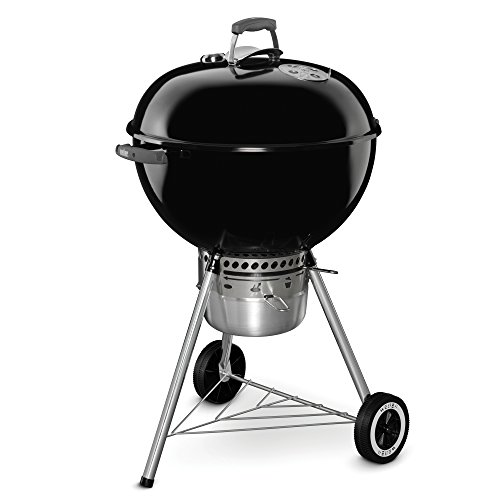
Weber Original Kettle Premium Charcoal Grill (22-Inch)

Oklahoma Joe’s Rambler Portable Charcoal Grill (218 sq. in.)
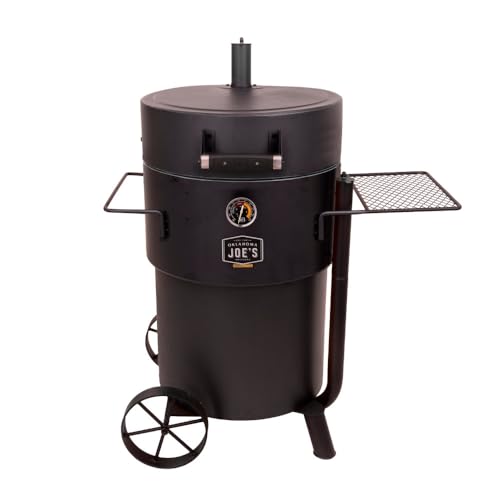
Oklahoma Joe’s Bronco Pro Drum Smoker and Grill (366 sq. in.)

Oklahoma Joe’s Firecraft Series Open Fire Barrel Grill (480 sq. in.)

Oklahoma Joe’s Highland Reverse Flow Offset Smoker and Grill (1093 sq. in.)
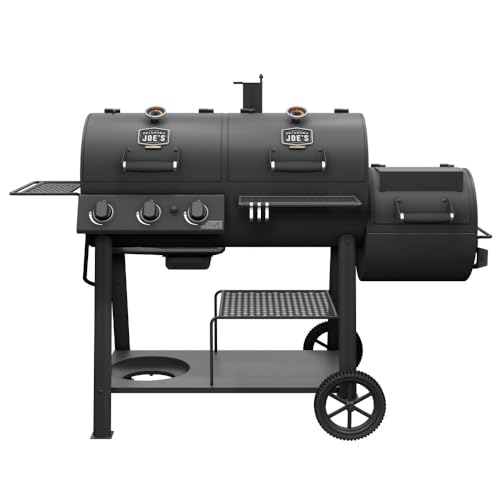
Oklahoma Joe’s Canyon Combo Dual Fuel Smoker and Grill (1031 sq. in.)

Oklahoma Joe’s Longhorn Offset Smoker and Grill (1060 sq. in.)
Inside Each Recommended Option
The 22-inch Weber kettle remains the reference point for charcoal grilling, and the Premium version carries refinements that matter over years of weekend use. The hinged cooking grate lets you add fresh charcoal mid-cook without lifting the grate and losing heat, which is a small detail that turns burgers and longer cookouts into calmer sessions. Its kettle shape delivers the kind of convection airflow that gas grills struggle to match.
Homeowners with a small-to-medium backyard will get the most from this pick. It seats a family dinner and clears out ash quickly through the bottom damper system. Where the Oklahoma Joe’s picks later in this list chase the smoker side of charcoal, this one stays loyal to direct-heat grilling, and that focus is its quiet strength.
Positive Points
- Hinged grate simplifies adding fuel without losing grate heat
- One-Touch ash system makes cleanup quick between cooks
- 22-inch cooking surface fits burgers for a family plus a side of veggies
- Tall lid allows indirect cooking for roasts and whole chickens
- Steel and porcelain-enamel build handles weather in most climates
Things To Consider
- Limited two-zone capability compared with dedicated offsets later in the list
- Owners commonly report the plastic handles benefit from seasonal checks
Who It Suits Best
Weekend cookers who want a familiar, well-documented charcoal kettle for burgers, steaks, and an occasional chicken.
Where Another Pick Suits Better
Smokers chasing hours-long low-and-slow cooks will find the Oklahoma Joe’s Bronco Pro Drum Smoker a better match for rib and shoulder sessions.
The Rambler shrinks real charcoal cooking into a tabletop footprint that fits in a trunk or a small apartment balcony. Its 218-square-inch grate is enough for four to six burgers or a couple of steaks, and the height-adjustable charcoal tray gives you the same direct-versus-lower-heat control you would expect from a much bigger kettle.
Apartment dwellers without a yard, tailgaters, and campers get the most value from this pick. Unlike the Weber kettle above, the Rambler doesn’t ask for permanent patio space, so it suits people who treat grilling as a movable event rather than a backyard fixture.
A Few Strong Suits
- Compact body sets up on tables, tailgates, and camp platforms
- Adjustable charcoal tray supports both searing and gentler direct heat
- Lightweight frame is easy to carry from vehicle to site
Honest Caveats
- Smaller grate limits how much food you can finish in a single round
- Ash cleanup is more frequent given the tighter firebox, especially on long cookouts
- Lacks the lid depth and smoke capacity needed for low-and-slow smoking
Made For
Travelers, tailgaters, and apartment dwellers who want honest charcoal flavor without dedicating yard space to a full-size grill.
Consider Something Else When
Anyone cooking for a crowd of eight or more should look at the Oklahoma Joe’s Highland, which offers over five times the cooking surface.
The Bronco Pro is a vertical drum smoker built for people who think in brisket hours rather than burger minutes. The sealed lid and engineered airflow are designed to hold steady temperatures across long sessions, which is exactly where a kettle like the Weber above starts to lose its grip. An oversized charcoal basket supports over 15 hours of burn time, so you can load fuel once and tend ribs through the night.
BBQ hobbyists who measure success by bark and smoke ring will feel at home here. It also doubles as a top grill when you want to sear, though the format rewards patience more than speed.
Notable Gains
- Vertical drum design supports steady low-and-slow cooking
- Extended fuel capacity cuts mid-cook refueling interruptions
- 366-square-inch cooking area handles multiple racks of ribs
- Heavy-gauge construction holds heat through cool evenings
Worth Bearing In Mind
- Heavier than the portable Rambler, so it’s less friendly to move often
- Learning curve for airflow tuning is steeper than a kettle’s damper controls
Best Suited To
Hobbyists running overnight pork shoulders and brisket who want charcoal control without the footprint of a full offset.
Look Elsewhere When
Cooks who prefer the traditional split-chamber feel of an offset will be happier with the Oklahoma Joe’s Longhorn.
The Firecraft barrel breaks from the closed-lid tradition of most charcoal barbecues and invites you to cook around an open flame. The 360-degree firebox lets you reach in from any angle, stoke the fire without disturbing the food, and convert the rig into a fire pit once the meal ends. Two round grates deliver 240 square inches each, totaling 480 square inches of cooking surface that supports both grilling and warming.
Backyard hosts who treat cooking as a centerpiece activity will enjoy this format. It suits people who want a single object that handles dinner, conversation, and a late-evening fire without breaking out separate gear.
Real Benefits
- Open design turns the cook into a social activity, not a closed-cabinet chore
- Twist-Lock handle releases grates for height and position changes
- Doubles as a fire pit after the food is plated
- Heavy-gauge wire grates resist corrosion across seasons
Points To Keep In Mind
- Open top exposes food to wind, so cold or breezy evenings can be tricky
- Not optimized for long smoking sessions the way the Bronco Pro is
Who Will Love This
Entertainers who want grilling and a fire-pit atmosphere in one footprint.
A Better Fit Elsewhere
Cooks chasing airtight temperature control for overnight brisket should pick the Oklahoma Joe’s Highland instead.
Quick Facts
The Highland is a full reverse-flow offset, which means smoke travels under a baffle plate before reaching the meat, equalizing heat across the chamber. Removable baffles and an adjustable smokestack let you flip between reverse-flow and traditional offset setups, which is rare at this category level. Across 1,093 square inches of total cooking area, the layout supports everything from a stack of pork shoulders to a tray of ribs.
Dedicated pitmasters running multi-meat cooks for family or competitions will find this size and airflow combination useful. It is bigger and heavier than every other pick here, so it asks for a permanent backyard corner.
Points In Its Favor
- Reverse-flow baffle plates smooth out hot spots across the chamber
- Removable baffles allow a quick switch to standard offset behavior
- Large charcoal basket supports long, uninterrupted burns
- 1093-square-inch layout handles two pork shoulders and a rack of ribs
Trade-Offs To Consider
- Footprint and weight make it a stationary backyard install
- Hardwood splits or chunks are sold separately, which adds to your fuel kit
Perfect Match For
Serious BBQ hobbyists hosting large cooks who want competition-style airflow without going fully custom.
Swap It Out When
If you only need grill-and-smoke versatility for smaller meals, the Oklahoma Joe’s Canyon Combo is a more flexible everyday choice.
The Canyon Combo answers a familiar question: why pick between gas convenience and charcoal flavor? On one side, a 36,000-BTU three-burner propane grill lights fast and holds steady for weeknight burgers. On the other, the charcoal firebox smokes low-and-slow for ribs or shoulders using indirect heat. Together, the two sides cover about 1,031 square inches of total cooking space, with 750 square inches in the primary chamber.
Households that host a mix of quick dinners and weekend smoke sessions will appreciate the flexibility. The propane tank is sold separately, so plan for that line item if you don’t already own one.
What Works In Its Favor
- Dual-fuel setup covers both weeknight and weekend cooking styles
- 750-square-inch primary chamber fits two pork shoulders for smoke sessions
- Propane side reaches cooking temperature fast for fast sears
- Charcoal side supports indirect heat smoking with hardwood chunks
Small Caveats
- Larger footprint demands dedicated patio space
- Two fuel systems mean twice the seasonal maintenance checks
Built With In Mind
Hosts who smoke for guests on weekends but want propane speed on busy weeknights.
Another Choice May Suit
Pure charcoal loyalists who don’t need gas should look at the Oklahoma Joe’s Longhorn for a more traditional single-fuel setup.
Feature Snapshot
The Longhorn is a classic offset smoker, the traditional format where the fire sits in a side chamber and smoke travels across the meat before exiting the smokestack. With 751 square inches of primary cooking space and a 309-square-inch secondary shelf, you can run a brisket and a tray of ribs at the same time, or rotate pans in and out without crowding. Compared with the Highland above, this one stays closer to traditional offset behavior without the reverse-flow plumbing.
Weekend smokers who want the familiar split-chamber feel will find this pick comfortable. It asks for more tending than drum-style options like the Bronco Pro, so budget time as well as space.
Where It Helps
- Classic offset layout delivers familiar smoke flow and bark
- Large side firebox supports steady heat across long cooks
- 1060 square inches total handles multi-meat sessions
- Heavy-gauge steel body holds heat through cooler hours
Practical Considerations
- Demands regular firebox tending compared with drum or kettle designs
- Hardwood splits and chunks are sold separately from the unit
The Right Fit
Smokers who enjoy the rhythm of tending a traditional offset and want capacity for family-scale cooks.
Where A Sibling Pick Shines
Cooks wanting more automated airflow and less babysitting will prefer the Oklahoma Joe’s Bronco Pro drum design.
Feature Rundown
Picking The Right Charcoal Barbecue For Your Space
Match The Format To Your Cooking Style
Before anything else, decide whether you want direct-heat grilling, low-and-slow smoking, or some of both. Kettle grills like the Weber Original are direct-heat specialists with limited indirect capability, so they shine for burgers, steaks, and weeknight speed. Drum smokers like the Bronco Pro hold tight temperatures for hours, which matters when ribs and shoulders take the stage. Offsets like the Highland and Longhorn split the fire off to the side, giving traditional smoke flow at the cost of more tending.
Size, Footprint, And Where It Lives
Charcoal barbecues come in dramatically different sizes, and the right one matches the space you actually have. The Rambler fits on a tabletop or apartment balcony, while the Highland demands a permanent backyard corner. Measure your patio, deck, or storage area before committing, and leave clearance around the unit for safe operation and ash disposal.
Fuel And Maintenance Realities
Charcoal cooking is more hands-on than gas. Expect to empty ash, check fuel levels, and manage airflow dampers between cooks. Steel-bodied units like the ones in this roundup are durable but benefit from covers and dry storage through winter, especially in wetter climates. If you want lower maintenance with charcoal flavor, the Firecraft barrel and drum-style options tend to demand less babysitting than traditional offsets.
Budget Versus Long-Term Value
A simple kettle gives honest charcoal flavor at a modest price, while full offsets and dual-fuel combos cost more but expand what you can cook. The honest read is that your cooking ambitions should drive the upgrade, not the other way around.
What To Watch Before You Buy
Common Shopping Slip Ups
A common trap is buying the biggest offset smoker you can find, only to discover the footprint and tending demands don’t fit your routine. Smaller households often do better starting with a kettle or compact grill and upgrading once weekly cooks prove the habit. Another mistake is forgetting about fuel storage: charcoal bags, hardwood splits, and lighter fluid all need a dry spot, and a propane tank on dual-fuel models adds a separate line item.
Where The Extra Money Goes
Stepping up to a reverse-flow offset like the Highland buys baffle plates that even out hot spots, larger chambers for bigger cooks, and heavier steel that holds temperature through wind and cool evenings. Premium dual-fuel rigs like the Canyon Combo add a propane side for fast grilling alongside the charcoal chamber, which is useful if you host often. The upgrade pays off when your cooking has outgrown the limits of a basic kettle, and not before.
Frequently Asked Questions
How Much Cooking Space Do You Actually Need?
A 200-to-300-square-inch grate covers a small family, while 700-plus square inches suits weekend entertaining. Most home cooks fall somewhere between, and adding a secondary rack buys flexibility without buying a bigger grill.
Is A Kettle Good Enough For Beginners?
Kettles are a common starting point because the learning curve is short and the parts are simple. A covered kettle can handle indirect heat for chicken and small roasts, so beginners can grow into it before stepping up to a dedicated smoker.
How Often Do You Need To Clean A Charcoal Barbecue?
Emptying ash after every cook keeps airflow predictable and extends grate life. A deeper clean of the firebox and grates every few uses prevents grease buildup and rust.
Can You Use Wood In Any Charcoal Barbecue?
Kettles and drums accept wood chunks or splits, though smaller grates limit how much wood you can add. Offsets are designed for wood as a primary fuel and reward the richer flavor it brings.
Should You Cover A Charcoal Barbecue Year-Round?
A cover helps in most climates, especially during rain or winter snow. Dry storage is even better for offsets and dual-fuel models where electronics or propane fittings are present.
Closing Remarks
The right charcoal barbecue matches your space, your patience for tending, and the kind of meals you actually cook. A simple kettle handles weeknight duty for most households, while a drum or offset opens up hours-long cooks when the project calls for it. Pick the format that fits your routine now, and trust that the upgrade will earn itself once you outgrow the first grill.