
A 20-degree sleeping bag hits the sweet spot for most campers who want three-season versatility without hauling a winter expedition shelter. You need something that handles a surprise frost at the trailhead, breathes when summer evenings stay mild, and packs down small enough for a real backpack. The picks below cover solo backpackers, couples sharing one bag, casual weekend campers, and anyone chasing a lighter pack weight. Each option handles the same general temperature range but solves that challenge in a different way, from ultralight down construction to roomy synthetic designs built for car camping comfort.
An Overview Of The Picks
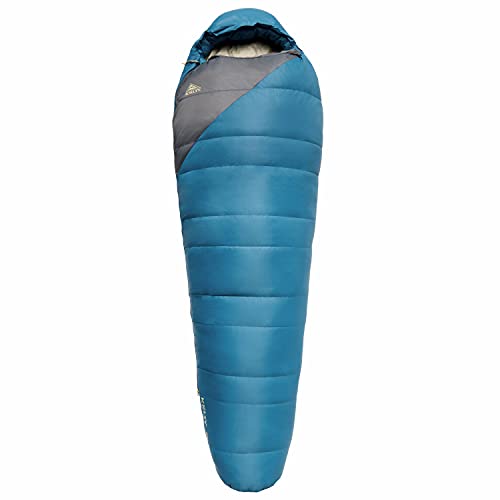
Kelty Cosmic 20 Down Mummy Sleeping Bag

PTEROMY Sleeping Bags for Adults

Kelty Tru.Comfort Doublewide 20 Sleeping Bag
HLITMOUT Down Sleeping Bag with Pillow
A Closer Look At Each Pick
The Kelty Cosmic 20 has earned its reputation as a go-to mummy bag for backpackers logging real miles. A baffle construction (the internal fabric walls that hold insulation in place) shaped like trapezoids keeps the 550-fill-power down lofted evenly, which matters because down loses warmth fast when it clumps. You get solid thermal efficiency without the premium weight of higher-fill bags, and the 100% polyester taffeta shell feels tougher than the price suggests.
On a three-night trip in the Rockies with evening temps dipping into the low 30s, this bag handled frosty mornings without complaint, though you may find yourself reaching for a liner on especially cold nights. Compared to the PTEROMY bag below, the Cosmic runs narrower and warmer per ounce, making it the better trail companion when pack space is tight. Recycled shell fabrics and a PFAS-free durable water repellent treatment (a chemical-free coating that helps light moisture bead off) round out a thoughtful design.
Useful Strengths
- 550-fill down packs small and delivers solid warmth-to-weight performance
- Trapezoidal baffles keep insulation evenly distributed through the night
- Polyester taffeta shell holds up well to repeated stuff-sack compression
- Recycled fabrics and PFAS-free DWR appeal to eco-minded campers
- Designed in Colorado with input from real backcountry users
Things To Consider
- Mummy cut feels snug for side sleepers or restless movers
- Down fill requires careful drying after any moisture exposure
At A Glance
Built With In Mind
Backpackers who count ounces and want a reliable three-season bag for alpine trails and weekend trips alike.
Swap It Out When
The Kelty Tru.Comfort Doublewide makes more sense if you camp by car with a partner and value room over packability.
The PTEROMY bag covers the casual camper who wants a versatile three-season option without overthinking the purchase. With a comfort range stretching from 50 to 80 degrees Fahrenheit and a lower limit around 40 degrees, it targets shoulder-season weekends rather than alpine starts. The 7-foot-2-inch length accommodates taller sleepers comfortably, and the rectangular cut trades thermal efficiency for room to stretch.
Double S-shaped stitching helps insulation stay distributed, and the machine-washable construction is a genuine advantage for festival camping or family trips where dirt happens. The water-resistant shell handles light drizzle and morning dew without soaking through. For someone stepping into their first sleeping bag purchase, this one removes the anxiety around care and storage.
The Upside
- Machine-washable design simplifies post-trip cleanup
- Generous length fits adults up to 6-foot-7 comfortably
- Water-resistant shell handles dew and light rain
- Comfort range suits spring through fall for most regions
Points To Note
- Rectangular shape and synthetic insulation add bulk compared to mummy bags
- 40-degree lower limit falls short of genuine 20-degree performance in wet or windy conditions
- Not optimized for backpacking where weight matters most
Right Fit For
Car campers, festival-goers, and beginners who want an easy-care bag for moderate climates and occasional overnight trips.
Look Elsewhere When
The Kelty Cosmic 20 suits you better if you hike into camp and need real thermal efficiency at the rating.
Couples and parents camping with kids run into the same problem: two bags slide apart, and body heat never quite combines the way it should. The Kelty Tru.Comfort Doublewide solves that with a genuine two-person design built around shared sleep rather than two bags zipped together. A fully removable top layer lets independent sleepers dial in their own temperature, which is a small detail that prevents real arguments on humid summer nights.
Built-in blankets and two-way zip vents add customization you will not find on typical mummy bags. Synthetic fill keeps the bag usable even when damp, and the size means you trade packability for shared comfort, so this one lives in the trunk, not the backpack. Compared to the Kelty Cosmic 20 reviewed earlier, the Doublewide prioritizes living space over trail weight.
Real Benefits
- Removable top layer lets two sleepers set their own comfort level
- Two-way zip vents add airflow without exposing either person fully
- Synthetic insulation performs reliably in damp conditions
- Built-in blankets eliminate packing extra layers for shoulder-season nights
Less Ideal Details
- Bulky size rules out backpacking and long hikes to camp
- Storage requires significant trunk or garage space when not in use
Quick Facts
Who Should Grab It
Couples, parents with young kids, and car campers who want shared warmth without wrestling two separate bags into alignment.
A Better Fit Elsewhere
The HLITMOUT Down Sleeping Bag suits you better if you travel solo and want the lightest pack option available.
The HLITMOUT Down Sleeping Bag targets fast hikers and younger campers who refuse to carry more than absolutely necessary. Down insulation gives you the best warmth-to-weight ratio available, and the integrated pillow removes one item from your packing list. The mummy shape trims fabric where you do not need it, shaving ounces that matter on multi-day routes.
You trade some of the premium construction you would find on a higher-priced option, but for shorter trips and warmer shoulder seasons, the compact pack size is a genuine advantage. The build feels lighter than the Kelty Cosmic 20 reviewed earlier, though you may find the included pillow is more of a pad than a true pillow. Style choices lean toward younger users, which the source data confirms as a design priority.
Strong Points
- Ultralight down fill minimizes pack weight for fast movers
- Built-in pillow eliminates extra packing
- Compact stuff size fits small backpacks and travel bags
- Mummy cut retains heat efficiently around the core
Honest Caveats
- Construction details are lighter than premium backpacking bags
- Integrated pillow may feel thin for side sleepers
- Down fill needs careful moisture management on humid trips
Made For
Younger campers, solo travelers, and short-trip backpackers who prioritize pack size over premium features.
Not Your Match When
The Kelty Cosmic 20 fits better if you log serious miles and want baffle construction that holds up over multi-season use.
What To Weigh Before Choosing Your Next Sleeping Bag
Picking a 20-degree sleeping bag comes down to how you actually camp, not just the temperature rating printed on the spec sheet. A rating assumes ideal conditions: dry air, calm winds, a decent sleeping pad underneath, and a body that runs warm. Real trips rarely deliver all four at once.
Temperature Ratings vs. Real Comfort
Manufacturers list comfort, limit, and extreme ratings, and the differences matter. The comfort rating is where most people sleep soundly; the limit rating is where a warm sleeper can push through; the extreme rating is a survival threshold, not a comfort target. A bag rated to 20 degrees will feel plenty warm at 35 degrees on a calm night with a proper pad, but it will feel cold at 25 degrees with wind chill and a thin pad. Your pad’s R-value (its ability to insulate you from the cold ground) matters as much as the bag’s fill power, because sleeping on frozen earth steals heat faster than cold air.
Fill Type and Its Trade-Offs
Down insulation offers the best warmth-to-weight ratio and packs smallest, but it loses loft when wet and takes longer to dry. Synthetic fill costs more weight and bulk but keeps insulating even when damp, dries faster, and usually runs cheaper. For dry alpine trips and ultralight priorities, down wins. For humid climates, family camping, and budget shoppers, synthetic insulation makes more sense.
Shape and Size Considerations
Mummy bags trim weight and improve thermal efficiency with a snug fit, but they feel restrictive for restless sleepers and broad shoulders. Rectangular bags give you room to sprawl but require more insulation to stay warm at the same rating. Doublewide designs solve the shared-sleep problem but rule out any trip where you carry your shelter on your back. Match the shape to your sleep style and how you actually get to camp.
Key Considerations Across These Picks
Pitfalls Shoppers Hit
The most common mistake is trusting the temperature rating without accounting for the rest of your sleep system. A 20-degree bag on a thin foam pad in 20-degree air is a cold night, regardless of marketing claims. Another trap is choosing a mummy bag for a restless sleeper or a rectangular bag for a backpacking trip. Match the bag to your actual sleep habits and trip style, not just the temperature you think you will encounter.
Where The Extra Money Goes
Higher-tier bags cost more because of fill quality, baffle design, and shell fabrics that genuinely extend a bag’s lifespan. A 700-fill-power bag weighs less and compresses smaller than a 550-fill bag at the same warmth, which matters when every ounce counts. Better baffles prevent cold spots, and tougher shells resist the abrasion of years of stuff-sack compression. The upgrade pays off if you camp often enough to notice the difference; for occasional weekend trips, a mid-tier bag covers you well.
Frequently Asked Questions
What does a 20-degree sleeping bag rating actually mean?
The rating indicates the lowest temperature at which the bag keeps an average sleeper warm, though comfort ratings vary by gender and metabolism. Real-world warmth depends on your pad, shelter, and what you wear to bed.
Can I use a 20-degree bag in summer?
Yes, you can vent most 20-degree bags by unzipping the foot box or using them as a quilt on warm nights. Many campers use the same bag across three seasons for exactly this reason.
How important is fill power?
Fill power measures how much loft down provides per ounce, with higher numbers meaning more warmth per gram. For backpacking, 600-plus fill power strikes a good balance of weight and cost.
Do I need a sleeping pad with a 20-degree bag?
A pad is essential because it insulates you from cold ground, which steals heat faster than cold air. Pair your bag with a pad whose combined R-value suits the conditions you expect.
How do I store a sleeping bag long-term?
Store it loosely in a large cotton or mesh sack, not compressed in its stuff sack, to preserve loft. Compression over months damages insulation and reduces warmth over time.
The Takeaway
The right 20-degree sleeping bag depends on whether you carry it on your back, share it with a partner, or toss it in the car for festival weekends. Backpackers chasing real warmth-to-weight performance gravitate toward the Kelty Cosmic 20. Couples and families find the Kelty Tru.Comfort Doublewide hard to beat. Budget shoppers and casual campers get solid mileage from the PTEROMY, and ultralight fans like the HLITMOUT for short, fast trips. Match the bag to your actual nights outside, and the temperature rating will do its job when you need it.